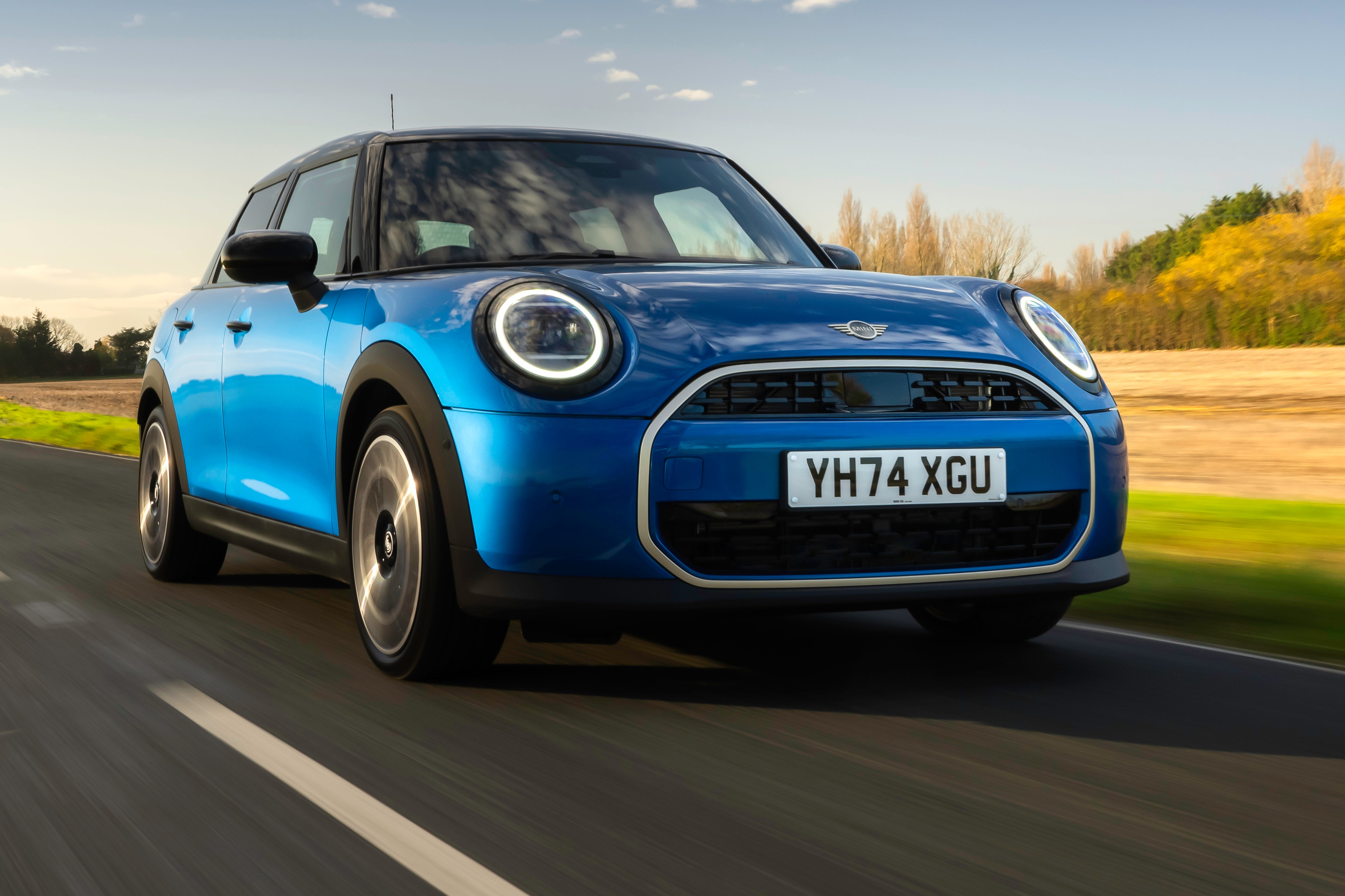
MINI Hatch (2014-2024) Review

Written By Phil Hall
- 2014
- Hatchback
- Petrol
What we love
One of the most entertaining small hatchbacks to drive
High-quality and distinctive interior
Strong choice of Cooper, Cooper S and John Cooper Works models
Things to consider
The 3-door is cramped in the back and has a small boot
Sportier versions can ride firmly on larger wheels
Used specifications vary considerably from car to car
The DRIVE take on the Mini Hatchback, is it the right car for you?
The 2014 to 2024 MINI Hatch remains one of the easiest used small cars to recommend if driving enjoyment and character matter more than maximum practicality. The 3-door is the version that best delivers the classic MINI experience, with sharp steering, eager engines and a high-quality cabin. The 5-door is more useful for families without losing much of that character. For most buyers, a later 136PS Cooper offers the best balance of performance, economy and running costs.
The Mini Hatchback in more detail
This generation of MINI Hatch arrived in 2014 and represented a significant step forward over its predecessor. Known internally as the F56 in 3-door form and F55 as the 5-door, it became larger, quieter and more sophisticated without losing the compact dimensions and agile handling that had become central to the modern MINI’s appeal.
The 3-door remains the car most people picture when they think of a MINI Hatch. Its short wheelbase, two rear seats and neatly proportioned body make it the more characterful version, and it is still the one we would choose if practicality is not a priority.
The 5-door joined the range later in 2014. Its longer wheelbase creates more rear legroom, separate rear doors make access considerably easier and the back seat accommodates three people rather than two. The boot also grows from 211 to 278 litres. It does not feel quite as tightly packaged or visually neat as the 3-door, but the difference on the road is relatively small. If you regularly carry children or adults in the back, the 5-door is the more sensible version.
MINI updated the Hatch several times during its long production run. The 2018 facelift brought revised styling, LED lighting and improved connectivity, while a further update in 2021 freshened the design and simplified the specification.
There were numerous engines earlier in the car’s life, including One models and several diesels. For a used buyer in 2026, however, we would concentrate on the petrol engines fitted towards the end of production.
The core choice is the 136PS 1.5-litre three-cylinder Cooper. Above it sits the 178PS 2.0-litre Cooper S, while the 3-door-only John Cooper Works uses a 231PS version of the 2.0-litre engine. That range covers almost every likely requirement. The Cooper feels quick enough for normal driving, the Cooper S has genuine hot-hatch pace and the John Cooper Works adds enough performance and focus to satisfy enthusiastic drivers.
The MINI’s biggest strengths have also aged well. The interior still looks distinctive, the materials feel suitably premium and the physical controls are refreshingly straightforward compared with many newer touchscreen-heavy cars.
Practicality remains its weakness. The 3-door is awkward for rear passengers and its boot is small, while even the 5-door is less accommodating than a Volkswagen Polo or Skoda Fabia.
That compromise will not matter to everybody. The MINI has always sold partly on how it looks and feels rather than how efficiently it uses every millimetre of space. On those terms, this generation still has considerable appeal.
What's the best Mini Hatchback trim and engine option?
The 1.5-litre Cooper is the version we would choose. Later cars produce 136PS and provide most of the character that makes the MINI appealing without the higher insurance costs, firmer ride or greater thirst of the performance versions.
In the 3-door, the Cooper reaches 62mph in 7.9 seconds with the six-speed manual gearbox or 7.8 seconds with the automatic. That is quick enough to feel eager in town and gives it plenty of performance for motorways and overtaking.
The 178PS Cooper S is the better choice if performance is a priority. The later 3-door takes 6.8 seconds to reach 62mph as a manual and 6.7 seconds with the automatic gearbox.
What’s the price of the Mini Hatchback?
Current examples of the relevant Cooper, Cooper S and John Cooper Works versions runs from £7,995 to £27,750. At the bottom of that range, around £8,000 buys an older 3-door Cooper. Facelifted 2018 and 2019 Cooper models commonly sit around the £9,500 to £14,500 mark, depending on mileage, gearbox and specification.
Around £13,000 to £18,500 buys a healthy selection of 2021 to 2023 Cooper models. The 5-door broadly follows the same pricing pattern, although specification and mileage often make more difference to the price than the extra doors.
Cooper S cars command more. Older examples can fall close to £12,000, while later 2022 to 2024 cars can exceed £20,000.
There is enough choice that buyers can afford to be selective. A full service history, good tyres and sensible condition are more important than finding a particular colour or option combination.
Alternatives to the Mini Hatchback
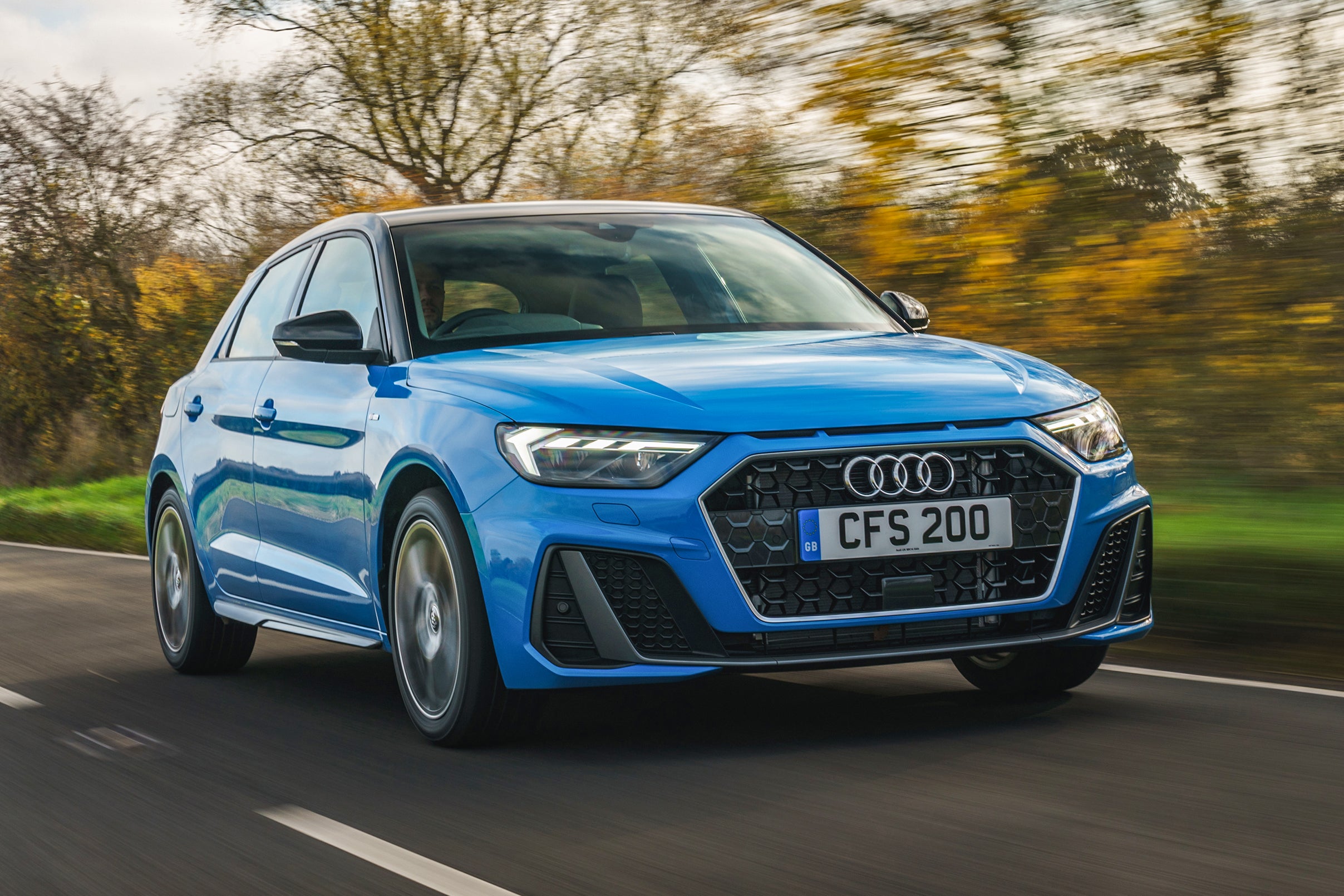
The Audi A1 is the most obvious premium alternative. It offers a high-quality badge and smart cabin, while the later model is more spacious and practical. The MINI is the more entertaining car to drive and has a stronger sense of character.
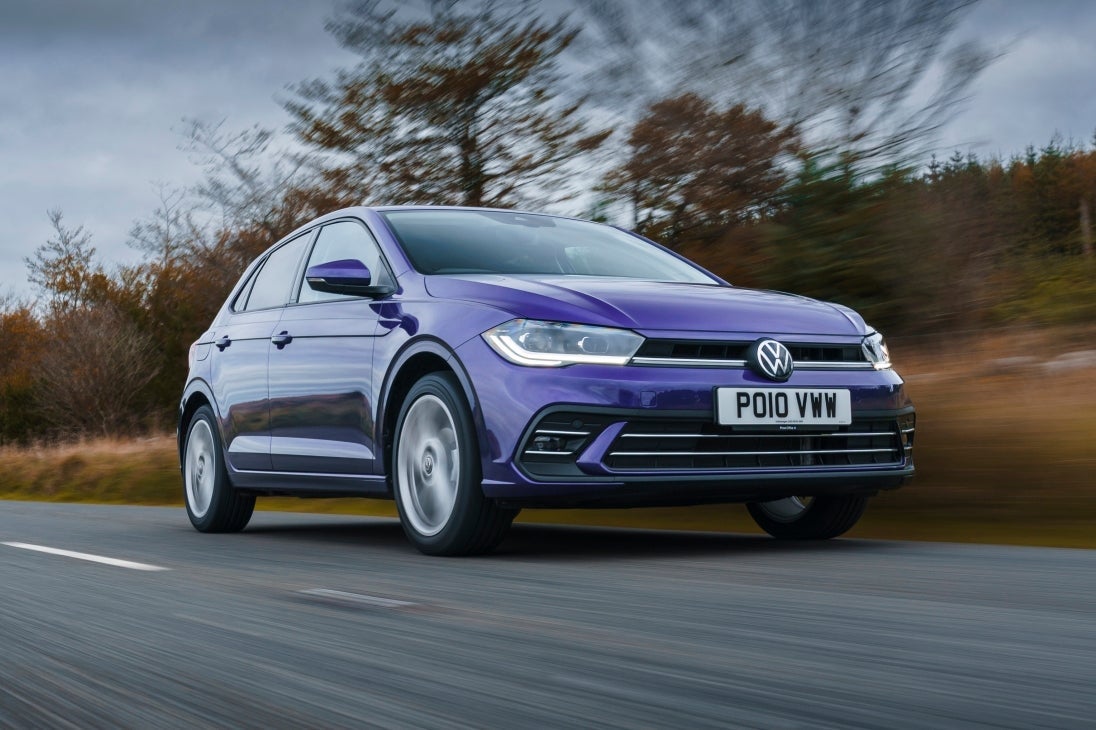
A Volkswagen Polo is less exciting but considerably more practical. Its rear seats are easier to use, the boot is larger and its road manners are calmer. It is the better all-rounder if the car needs to accommodate a family regularly.
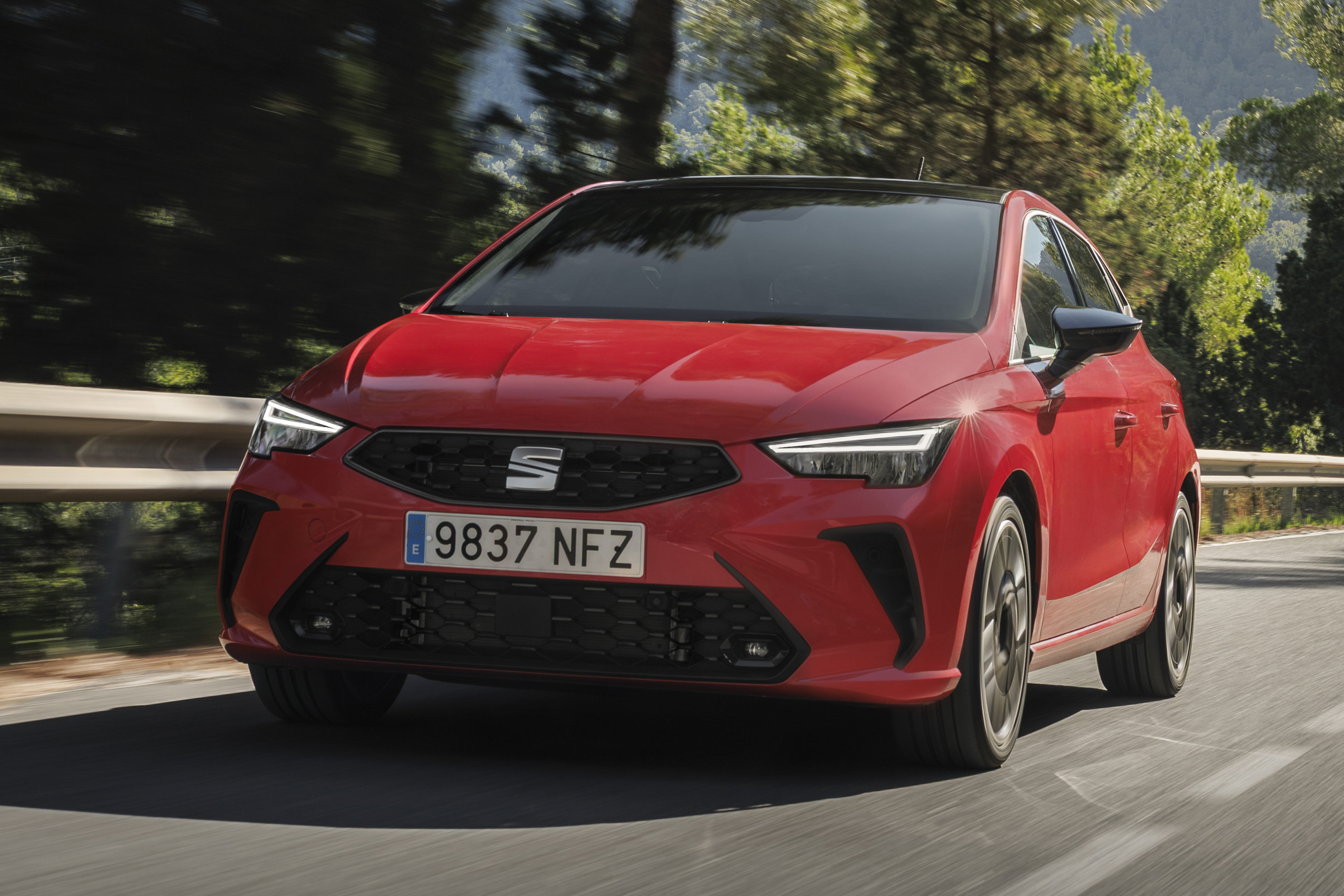
The SEAT Ibiza offers much of the Polo’s practicality with sharper styling and lower used prices. Its interior is less special than the MINI’s, but it represents better value.
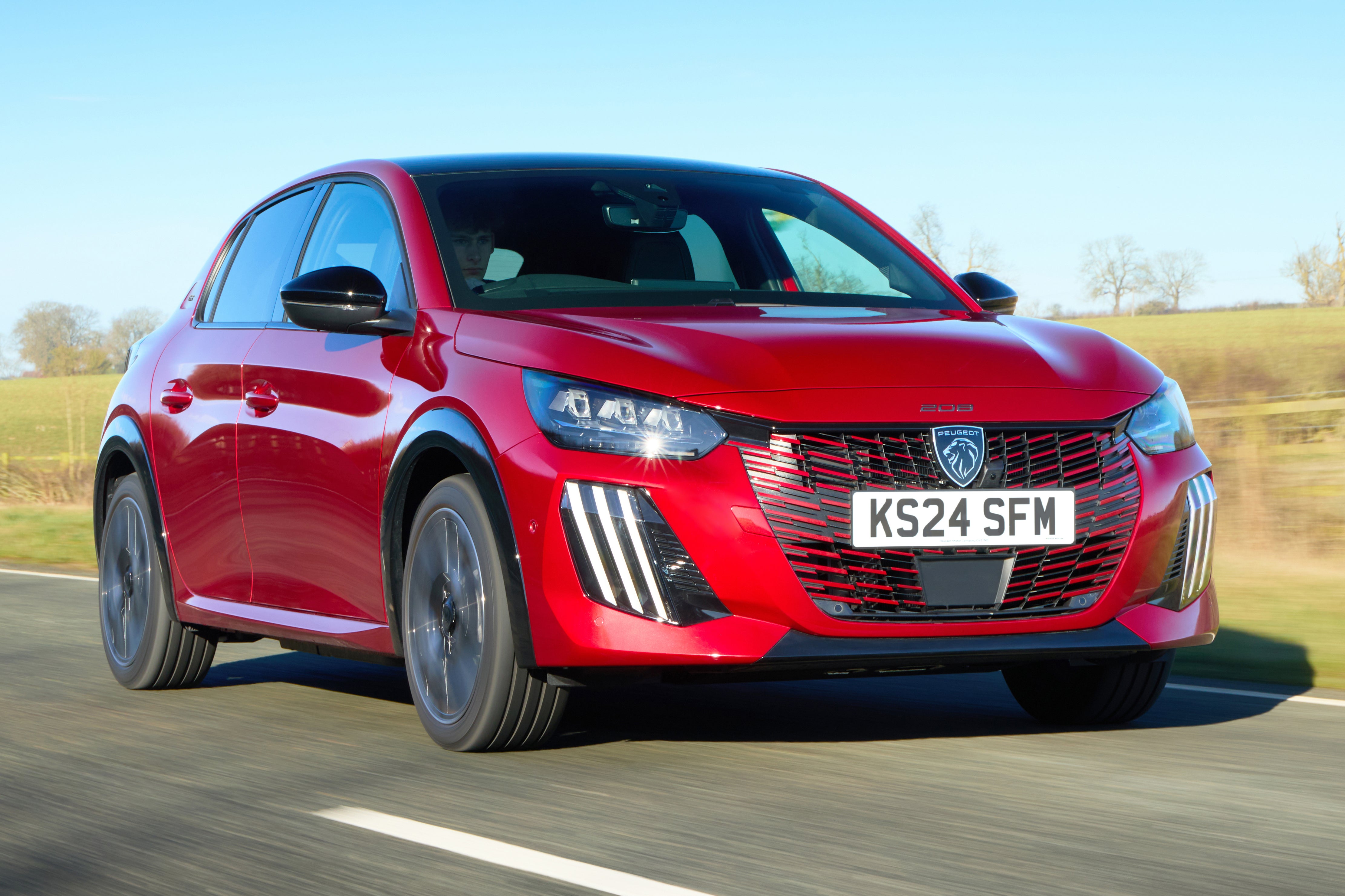
A Peugeot 208 is another stylish alternative. Its cabin has plenty of visual appeal and used prices can be attractive, but it cannot match the MINI’s steering or sense of solidity.
If you're looking to buy new and want a MINI, then check out the Hatch's replacement, the Cooper.
What's the interior like in the Mini Hatchback?
The MINI Hatch still has one of the most distinctive interiors in the small-car class. The 3-door feels snug rather than spacious, but its driving position, materials and physical controls create a sense of occasion. The 5-door adds useful rear-seat space without fundamentally changing the cabin.
Mini Hatchback boot space and practicality
The 3-door is best regarded as a small car for one or two people with a pair of occasional rear seats. The driving position is lower than in many modern small cars and immediately contributes to the MINI’s sporty feel. There is plenty of seat and steering-wheel adjustment, so drivers of most sizes should be able to get comfortable.
Front headroom and legroom are generous. The seats are supportive enough for long journeys, while sports seats fitted to many higher-specification cars provide additional lateral support.
Visibility is more mixed. Thick windscreen pillars can obscure traffic at angled junctions, while the broad rear pillars limit the view over your shoulder.
Getting into the back of the 3-door is the bigger inconvenience. The front seats slide forward, but adults still need to squeeze through a relatively narrow gap. Parents regularly fitting child seats will quickly appreciate the advantage of the 5-door. There are only two rear seats in the 3-door, both with Isofix mounting points. Legroom is restricted when tall people are sitting in the front and adult headroom is tight.
Children will be much happier than adults, which is why the 3-door can work for a young family when rear-seat use is occasional rather than constant.
The 5-door improves things considerably. Its wheelbase is 72mm longer, creating more rear legroom, while the extra doors transform access. It also has a three-person rear bench, making it a genuine five-seater.
The 3-door boot holds 211 litres. That is enough for a weekly shop or a couple of small bags but well below the best superminis. Folding the rear seatbacks increases capacity to 731 litres. The 5-door has a more useful 278-litre boot, increasing to 941 litres with its rear seats folded. It still trails a Volkswagen Polo, but the additional capacity makes it significantly easier to live with.
Mini Hatchback dimensions
The 3-door Cooper measures approximately 3,821mm long, 1,727mm wide and 1,414mm high. Cooper S and John Cooper Works cars can be slightly longer because of their different bumpers.
The 5-door Cooper is around 3,982mm long and uses the same basic width, so it remains a genuinely compact car despite its additional doors.
Both versions are easy to manoeuvre in town. The 3-door is particularly well suited to tight parking spaces, although rear parking sensors are worth having because the thick rear pillars restrict visibility.
Tech and infotainment in the Mini Hatchback
The large circular centre display is one of the defining features of this generation’s cabin, although the infotainment system inside it evolved significantly over the car’s ten-year life.
Later cars are the ones to have. By the final years of production, an 8.8-inch touchscreen was widely fitted and Apple CarPlay was standard on much of the range.
The system is responsive and logically arranged, particularly on cars with the BMW-style rotary controller between the front seats. Being able to navigate menus without repeatedly reaching for the touchscreen is useful when driving.
Physical heating controls are another advantage. Temperature and fan speed are operated using conventional controls rather than being hidden in the infotainment system, while MINI’s aircraft-style toggle switches add character without making simple functions difficult to find.
Android Auto was not offered on this generation, which remains an irritating omission for Android phone users.
Equipment varies substantially between cars. Navigation, wireless phone charging, Harman Kardon audio, a head-up display and a panoramic glass roof were available depending on age and specification.
Do not assume two cars wearing the same trim badge have identical equipment. MINI’s extensive option packs mean checking the specification of each individual used car is essential.
Materials available on the Mini Hatchback
Cabin quality remains one of the MINI Hatch’s strongest attributes. The switches have a satisfying action and the majority of surfaces feel suitably substantial. A well-kept MINI can still feel more expensive inside than many newer mainstream superminis.
Upholstery ranges from cloth to leatherette and full leather depending on trim and options. Sports seats are common in Cooper S, John Cooper Works and Sport models.
Exclusive versions place more emphasis on luxury, while Sport and John Cooper Works specifications use darker trim and more aggressive detailing. A panoramic roof is a desirable option, particularly on a 3-door with a dark interior, where it helps make the cabin feel less enclosed.
What's the Mini Hatchback like to drive?
Driving enjoyment remains the MINI Hatch’s strongest quality. The 3-door feels sharp, agile and responsive without being difficult to drive every day. The 5-door is fractionally less eager because of its longer wheelbase, but retains most of the same character.
Mini Hatchback range and performance
The later petrol range is the one to concentrate on when buying this generation used. The Cooper offers the best balance of performance and economy, the Cooper S adds a worthwhile step in pace, while the John Cooper Works prioritises performance over fuel consumption.
The Cooper’s 1.5-litre three-cylinder engine is the standout for most buyers. It responds enthusiastically at low speeds, has enough torque for motorway driving and suits the MINI’s playful nature without asking for much more fuel than an ordinary small petrol hatch.
The 2.0-litre Cooper S provides a clear step up in performance. It feels substantially stronger when overtaking or accelerating out of a bend, while the chassis has enough grip and control to use the additional power effectively. Official economy remains respectable, although exploiting the performance regularly will push real-world consumption into the 30s.
The John Cooper Works turns the MINI into a proper performance hatch. Its 231PS output is not exceptional by modern hot-hatch standards, but the compact body, immediate steering and firmer chassis make it feel suitably quick. Fuel economy inevitably takes a hit, making this the version to buy for enjoyment rather than low running costs.
Performance data
| Model | Engine/battery size | Power | 0-62mph | Range/MPG |
|---|---|---|---|---|
MINI Cooper 3-door manual | 1.5-litre | 136PS | 7.9 seconds | Up to 51.4mpg |
MINI Cooper 3-door automatic | 1.5-litre | 136PS | 7.8 seconds | Up to 50.4mpg |
MINI Cooper S 3-door manual | 2.0-litre | 178PS | 6.8 seconds | Up to 47.9mpg |
MINI Cooper S 3-door automatic | 2.0-litre | 178PS | 6.7 seconds | Up to 47.9mpg |
MINI John Cooper Works 3-door manual | 2.0-litre | 231PS | 6.3 seconds | Up to 42.8mpg |
MINI John Cooper Works 3-door automatic | 2.0-litre | 231PS | 6.1 seconds | Up to 42.2mpg |
Mini Hatchback driving and refinement
The 3-door feels alert from the first few metres. Its steering responds quickly, there is plenty of front-end grip and the body stays well controlled through bends. Importantly, the standard Cooper does not achieve that by being unnecessarily uncomfortable. On sensible wheel sizes it deals well with broken urban roads and absorbs larger bumps better than its sporty reputation might suggest.
The Cooper S and John Cooper Works are firmer, particularly when fitted with larger alloy wheels. Neither becomes unusable, but buyers should test a car on familiar rough roads before assuming the sportier model is automatically preferable.
Adaptive suspension was available on some cars. It gives the driver more control over the chassis settings but is not essential. A standard Cooper on modest wheels arguably provides the best compromise for everyday use.
The 5-door retains the same basic qualities. Its longer wheelbase and additional weight make it fractionally less eager to change direction, but the difference is small enough that buyers who need the extra practicality should not feel they are missing the MINI experience.
The manual gearbox suits the character of the car and has a positive action. Automatic versions are convenient, quick-shifting and widely available, so choosing between the two is largely a matter of preference. Motorway refinement is impressive for a small hatch. The petrol engines settle down well at cruising speed and wind noise is modest. Cars on large wheels produce more tyre noise over coarse surfaces.
How safe is the Mini Hatchback?
Euro NCAP tested the 3-door MINI Cooper in 2014 and awarded it four stars. It scored 79 per cent for adult occupant protection and 73 per cent for child occupant protection.
That result needs context because Euro NCAP’s requirements have become significantly more demanding since 2014. A four-star score from then should not be directly compared with one awarded to a new car today.
The MINI has six airbags, stability control and Isofix child-seat mounting points, but early cars lack some of the active safety features now taken for granted.
Automatic emergency braking was available through optional driver-assistance equipment rather than being fitted universally, so buyers should check the exact specification of the car they are considering.
The 5-door was not separately tested in the same Euro NCAP assessment, so the published score specifically applies to the 3-door Cooper.
Running costs: What it's like to live with a Mini Hatchback
The Cooper can be reasonably economical and MINIs generally hold their value well, but premium-brand insurance, servicing and tyres mean it is not necessarily the cheapest small hatchback to own.
Mini Hatchback fuel economy
The 136PS Cooper is the most sensible choice for running costs. Later cars can return official WLTP figures around the high-40s to low-50s mpg depending on gearbox, wheels and specification.
In mixed real-world use, low to mid-40s mpg is a more realistic expectation for many drivers.
The Cooper S is thirstier but can still return respectable economy on a long journey. Use its performance regularly and consumption will fall into the 30s.
A John Cooper Works should be bought for enjoyment rather than fuel economy. It can be reasonably efficient during gentle motorway driving, but enthusiastic use will quickly increase fuel consumption.
Mini Hatchback warranty and servicing
The original three-year unlimited-mileage MINI warranty has expired on virtually every car from this generation, so condition and service history matter much more.
MINI uses condition-based servicing, with the car indicating when maintenance is required. Check that the digital service record is complete, particularly on Cooper S and John Cooper Works cars.
MINI Approved Used cars currently include a minimum 12-month unlimited-mileage warranty, roadside assistance and MOT cover.
Mini Hatchback insurance groups
The later versions covered here start at around insurance group 20 for a Cooper.
A Cooper S sits around group 28, while the 231PS John Cooper Works reaches group 29.
That makes the faster versions potentially expensive for younger drivers. As always, the insurance group is only a guide, so obtain a quote for the specific registration before buying.
How much does it cost to tax a Mini Hatchback?
Vehicle Excise Duty depends on when the individual car was first registered.
Cars registered before 1 April 2017 remain on the older CO2-based system, so the annual amount varies according to the engine and emissions figure. Petrol MINI Hatches first registered from 1 April 2017 generally pay the current standard annual rate of £200 after the first year.
Cars with an original list price above £40,000 can also attract the £440 Expensive Car Supplement during the second to sixth years after first registration. This is most relevant to late, heavily optioned performance models. Because the system varies with registration date and original list price, check the tax status of the exact car rather than relying on a generic model figure.
What trims are available with the Mini Hatchback?
MINI changed its trim structure several times during this generation, so the used market contains a wide mixture of specifications.
For later cars, Classic is the straightforward starting point. It provides the core MINI experience without adding too many expensive cosmetic extras.
Exclusive moves the emphasis towards luxury, with richer interior finishes and, depending on age and specification, features such as leather upholstery and larger alloy wheels.
Sport has a more aggressive appearance inspired by the John Cooper Works, including different bumpers, sports seats and larger wheels. On a Cooper it is mainly a styling package, while the Cooper S combines the look with the more powerful engine.
Resolute and other special editions appeared towards the end of production and brought distinctive colours and trim combinations. They can be attractive used purchases, although rarity alone should not justify paying a large premium.
A genuine John Cooper Works is mechanically different from a Cooper or Cooper S fitted with a JCW styling package. The proper JCW has the 231PS engine and upgraded chassis and braking hardware.
For most buyers, a Cooper Classic or Cooper Exclusive provides the best balance. Sport looks sharper but larger wheels can make the ride less forgiving.
Ask the Drive experts: common questions
Is the MINI Hatch 3-door or 5-door better?
How big is the MINI Hatch boot?
Which used MINI Hatch should I buy?
How fast is a MINI Cooper?
Get our latest advice, news and offers
Keep me updated by email with the latest advice, news and offers from Drive.
.jpg)