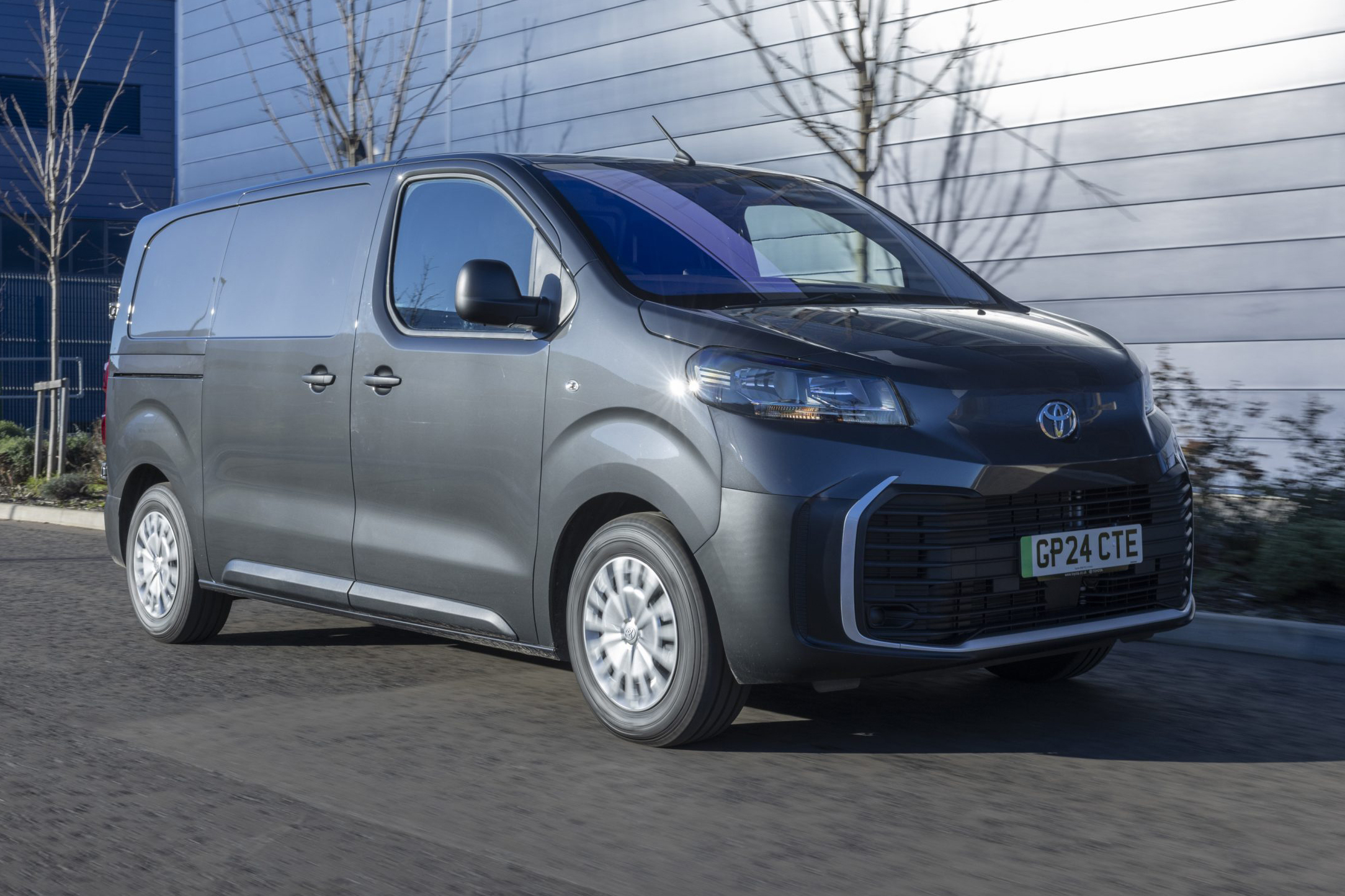
Peugeot Expert Review

Written By Ivan Aistrop
- 2016
- Van
- Diesel
What we love
Strong payload figures
Tidy and secure road manners
Efficient diesel engines
Things to consider
Several rivals provide more load volume
Cabin technology is functional rather than sophisticated
Early used examples can have limited safety equipment
The DRIVE take on the Peugeot Expert, is it the right car for you?
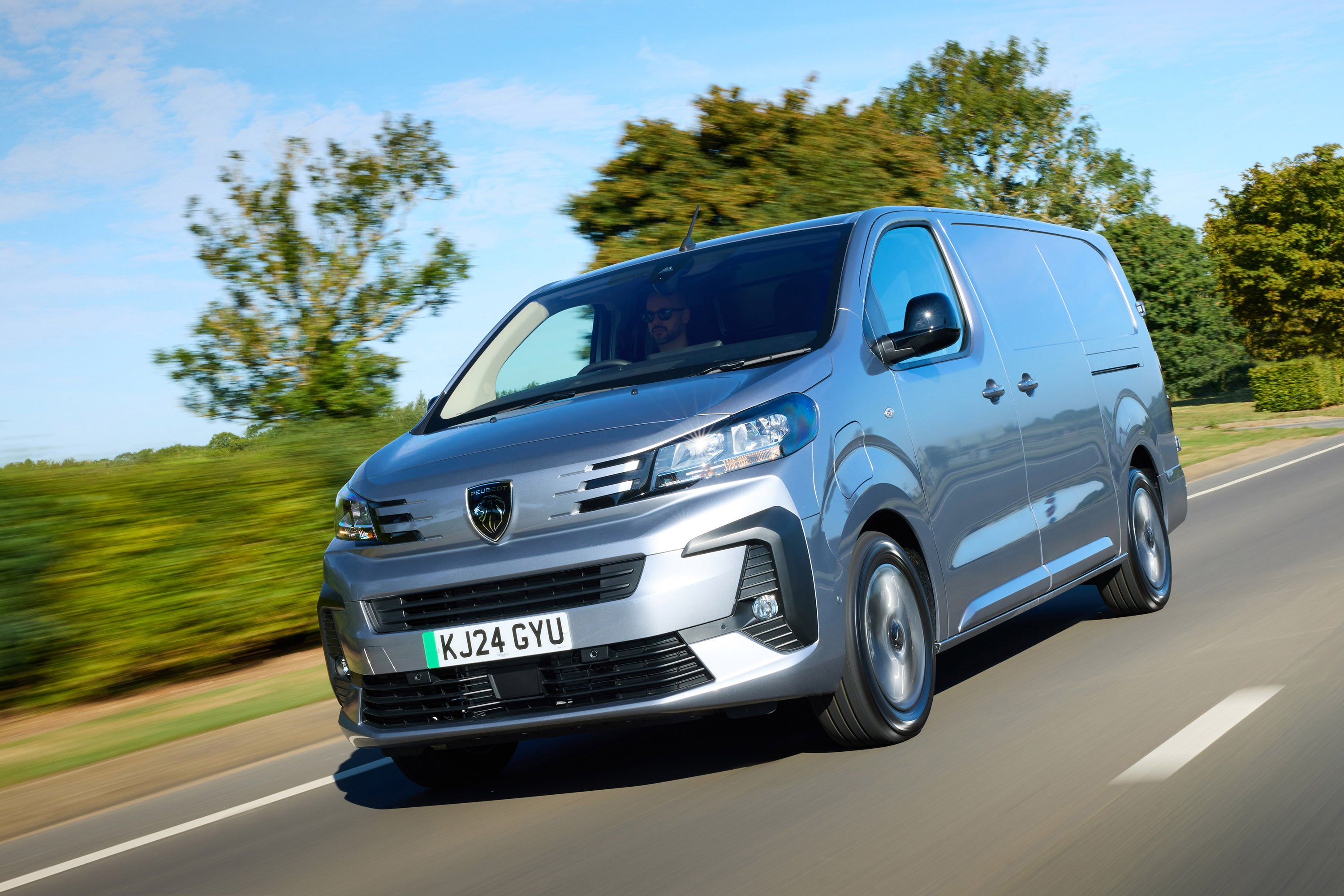
The Peugeot Expert is a convincing medium van that performs well in almost every area. It is comfortable enough for long journeys, secure through bends and available with a useful spread of diesel engines, while selected versions provide some of the strongest payload figures in the class.
Its load volume is not outstanding, so businesses carrying large quantities of lightweight but bulky cargo may be better served by a Ford Transit Custom, Renault Trafic or Nissan Primastar. The Expert makes more sense when the load is compact but heavy, because its payload can exceed 1.3 tonnes in the right configuration.
The 150PS manual Panel Van is the strongest all-round choice. It combines the best payload figure with useful performance and competitive official fuel economy. The 120PS Professional remains the sensible entry point for lighter work and operators primarily concerned with keeping the purchase price down.
The Peugeot Expert in more detail
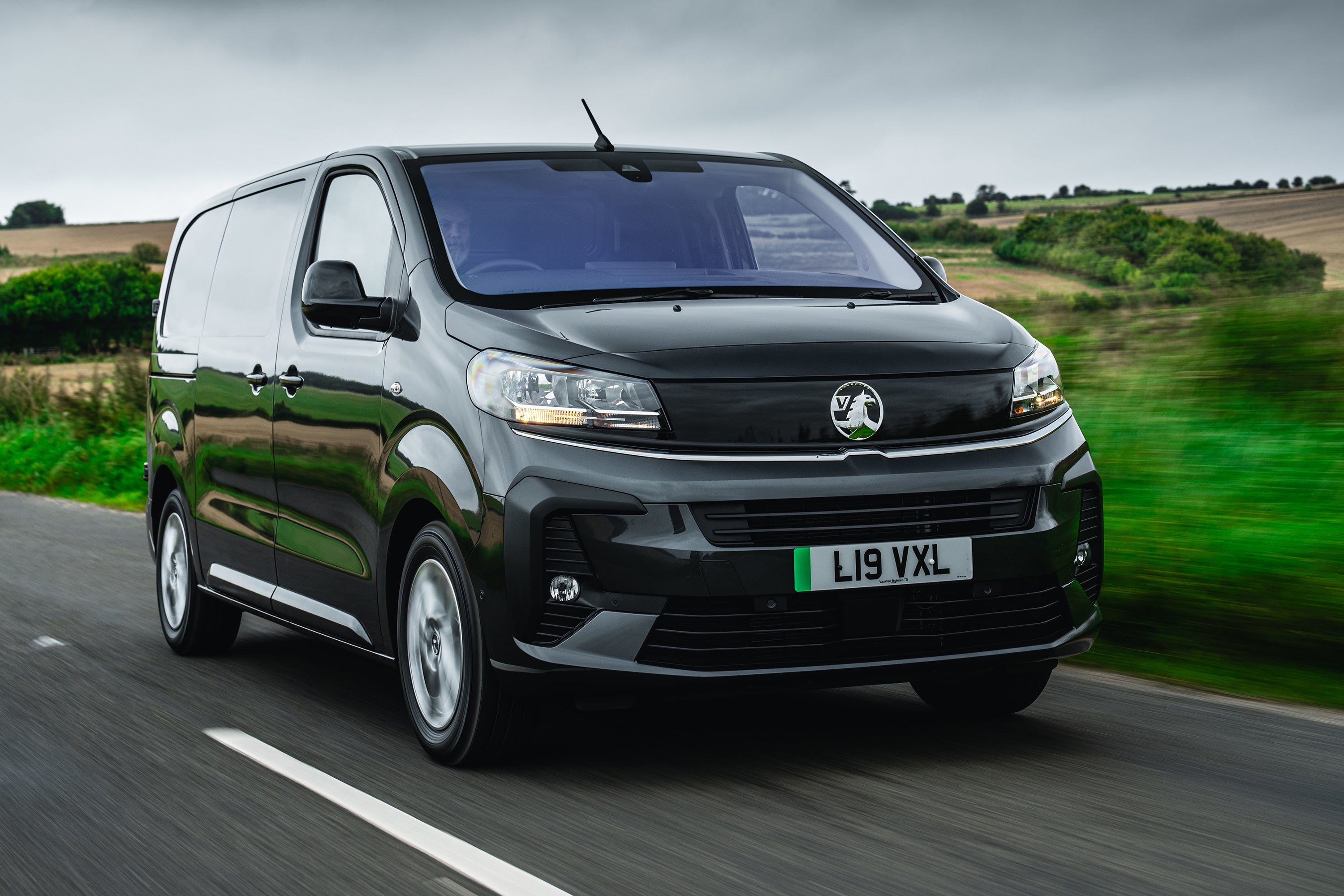
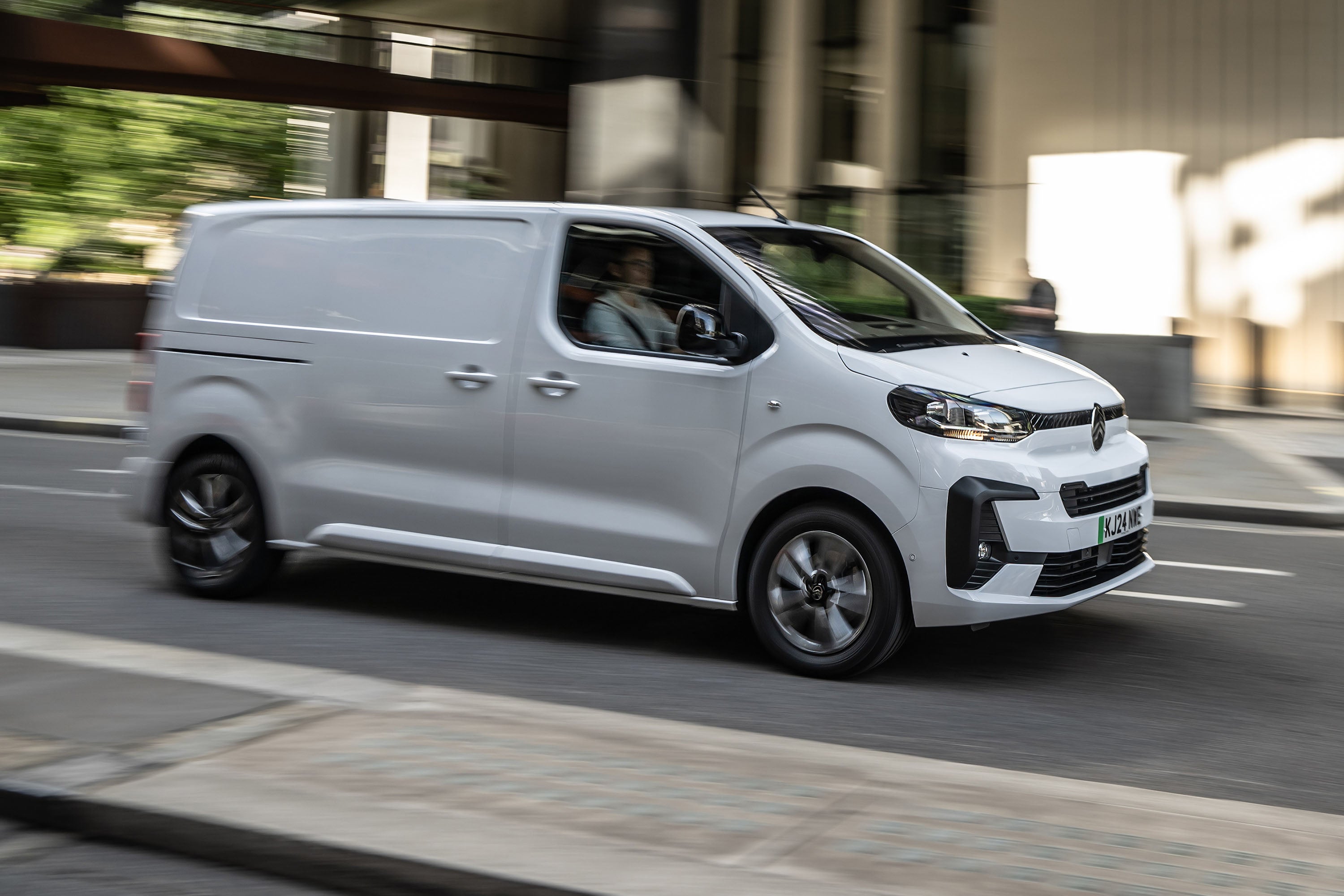
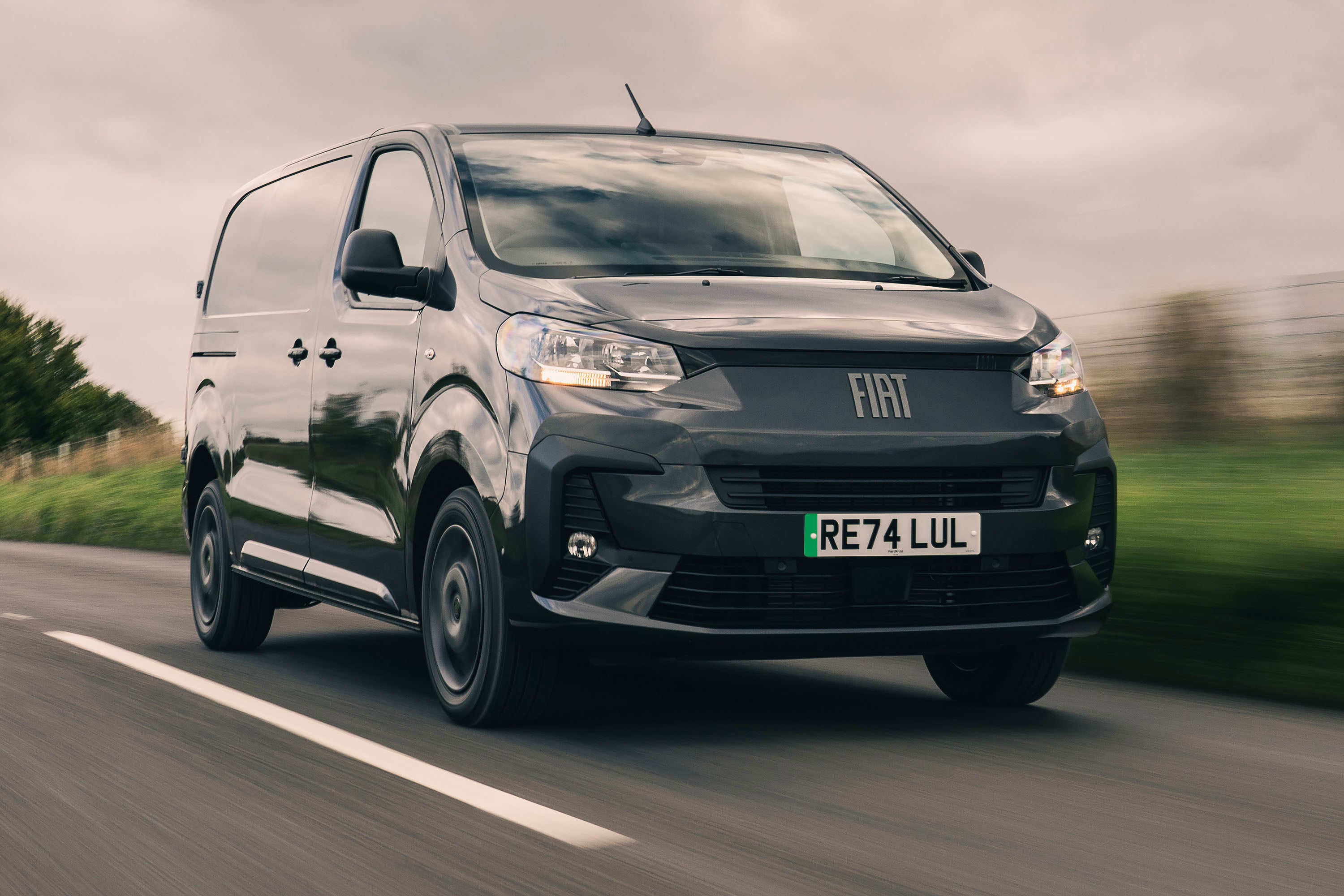
Like it always has, the current third-generation version of the Expert shares its platform, parts, technology and, well, pretty much everything else, with the Citroen Dispatch, and in an almost unchanged form. The same applies to other mid-size vans from within the same Stellantis Group, those being the Fiat Scudo and Vauxhall Vivaro. Even Toyota offers a version in the form of the Proace, despite not being part of the Stellantis Group.
It’s available in two different length options to suit a variety of different business needs, and it can be had in both panel van and Crew Van (with an additional row of three seats to take the total up to six) forms. Brand-new versions can be had with a choice of two diesel engines or an all-electric powertrain, but earlier examples were offered with a wider selection of powertrains.
Whichever style you go for, though, the Expert is beaten by many rivals for load capacity, so if outright space is your priority, then the Peugeot might not be for you. Where it makes up for that, though, is on payload, because the Peugeot offers some of the best figures in the business. As such, if you need to carry less volume, but what you have to carry is particularly heavy, then the Expert will suit you down to the ground.
Like the rest of its parts-sharing counterparts, the Expert does a very convincing job in every single area, making it a compelling all-rounder, but to be fair, it doesn’t excel hugely in any one of those areas. It’s pleasant to drive, with a reasonably comfortable ride, neat handling and perky powertrains, while it’s also solidly built, pretty well equipped (although if you’re buying used, note that early low-spec versions were a lot more sparse), and it has competitive running costs.
It isn’t the cheapest van in the family or by the standards of the broader mid-size-van class, but it still feels like decent value, and it looks a little sharper than most rivals, too.
What's the best Peugeot Expert trim and engine option?
The 150PS 2.0-litre diesel with the six-speed manual gearbox is the best all-round choice. It feels stronger than the 120PS engine when the van is loaded or working in hilly terrain, yet in Medium Panel Van form it also delivers the best official fuel economy at up to 45.6mpg and the highest indicative diesel payload at 1,326kg.
The 120PS diesel will still be enough for many businesses, especially for lighter-duty urban work. It has decent low-rev pulling power and does not feel strained in normal use, although steeper gradients or heavier loads will require more gear changes. The six-speed manual is slightly notchy but easy enough to use, while the eight-speed automatic available with the 150PS engine should suit drivers spending more time in stop-start traffic.
The 180PS automatic is more powerful than most working vans really need. It makes more sense for regular towing or buyers using the Expert as a higher-spec dual-purpose vehicle than as a straightforward commercial tool.
Body length is the other key choice. The Medium is the better fit for urban use, with a 2,512mm load floor and space for two Euro pallets, or up to 3,674mm of usable length with Moduwork. The Long extends the load floor to 2,862mm, can carry three Euro pallets and offers up to 4,026mm with Moduwork.
Choose the Medium if manoeuvrability matters most. The Long is better for operators regularly carrying longer items or three pallets.
What’s the price of the Peugeot Expert?
Current diesel Panel Van prices start at £30,375 on the road excluding VAT for the Medium 120PS manual Professional, with the Long version at £31,275.
The 150PS manual Professional is the stronger value choice. It costs £31,675 in Medium form and £32,575 as a Long, bringing more performance, a higher Gross Vehicle Weight and greater payload for a relatively small increase in price. Adding the eight-speed automatic takes the Medium 150PS Professional to £33,175.
Asphalt trim starts at £33,050 for the Medium 120PS manual, while the 150PS manual costs £34,350. These versions add more equipment and Peugeot’s useful Moduwork load-through system.
Crew Vans start at £34,375 for the Medium 150PS manual Professional, while the most expensive diesel Expert models sit well above £40,000 excluding VAT.
Alternatives to the Peugeot Expert
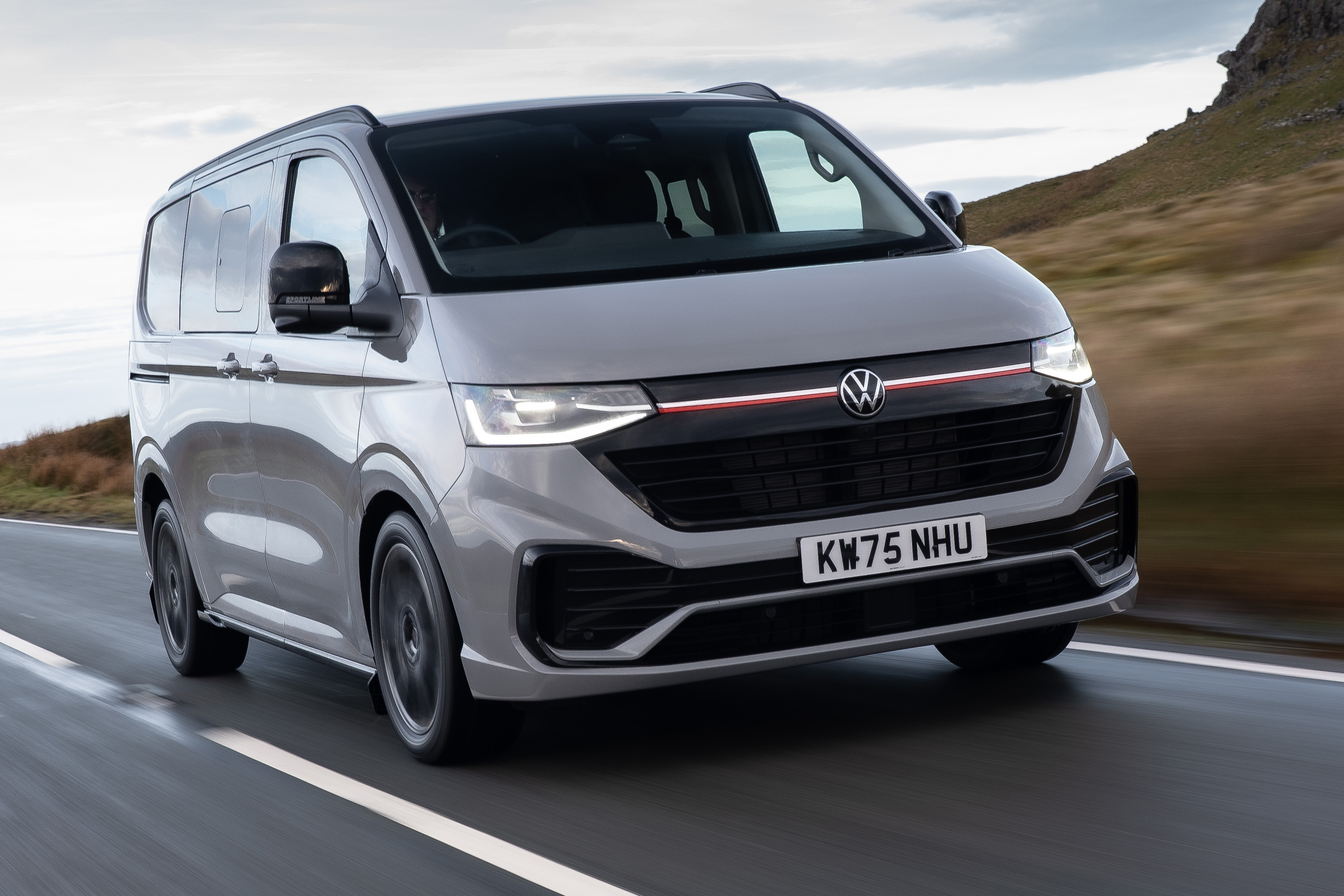
The Volkswagen Transporter should be near the top of the shortlist. The latest model is closely related to the Ford Transit Custom, with strong practicality, a broad range and the backing of Volkswagen’s commercial-vehicle network.
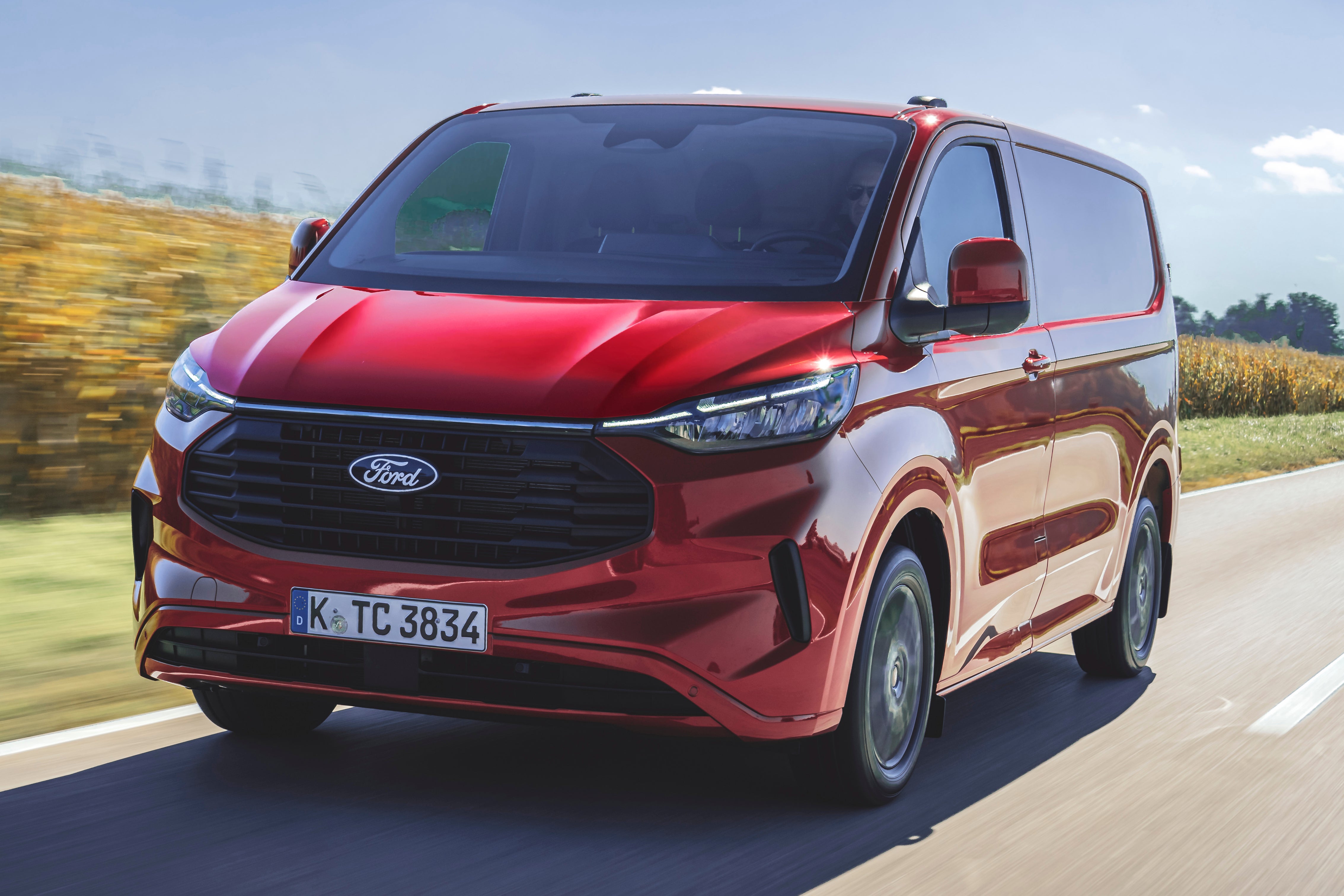
The Ford Transit Custom remains one of the strongest medium vans in the class, with more load volume and a more sophisticated driving experience than the Expert, although comparable versions can cost more.
The Citroen Dispatch, Vauxhall Vivaro, Fiat Scudo and Toyota Proace are all very close relatives of the Expert, sharing much of the same basic engineering. That makes price, equipment, warranty cover and dealer support especially important when choosing between them.
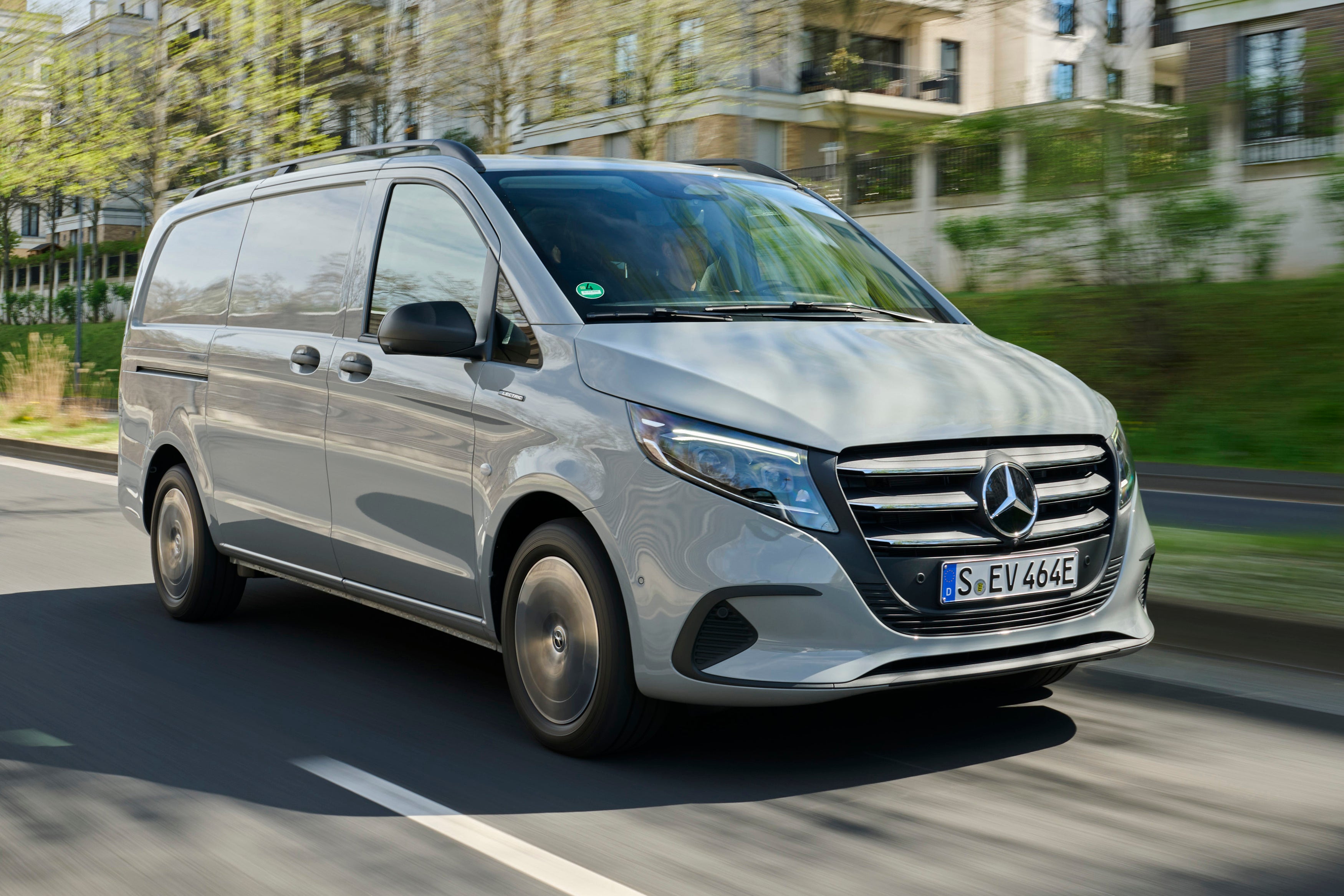
The Mercedes-Benz Vito is a more premium-feeling alternative and suits long-distance work well, while the Renault Trafic and Nissan Primastar remain practical, straightforward diesel vans with useful load space.
What's the interior like in the Peugeot Expert?
The Expert has a conventional, clearly arranged cabin that prioritises durability and ease of use. It lacks the visual sophistication of the best newer medium vans, but its sensible driving position and uncomplicated controls make it easy to operate.
Peugeot Expert boot space and practicality
The Peugeot Expert is available in two lengths. Standard measures roughly 5.0 metres overall, while the Long is around 5.3 metres. Earlier in the model’s life there was also a shorter version, but this is no longer offered.
Both current versions use the same roof height, giving a load-bay height of 1,397mm and 1,258mm of width between the wheel arches. Load length is 2,512mm in the Standard and 2,862mm in the Long, enough for two Euro pallets in the shorter van and three in the longer one.
Twin sliding side doors are standard and are wide enough to take a Euro pallet, while the rear uses side-hinged doors that can open to 180 degrees.
Higher-spec versions can also be fitted with a load-through bulkhead hatch, extending usable load length into the passenger footwell. This increases maximum load length to 3,674mm in the Standard and 4,024mm in the Long, while load volume rises from 5.3 to 5.8 cubic metres and from 6.1 to 6.6 cubic metres respectively.
The Expert is also available as a Crew Van with a second row of three seats, taking total capacity to six. This reduces load length to 2,017mm in the Standard and 2,365mm in the Long, with load volume falling to 3.2 and 4.0 cubic metres respectively.
Where the Expert does particularly well is payload. Electric versions are rated at between 915kg and 1,001kg, while diesels range from 1,121kg to 1,384kg depending on specification, with the 2.0-litre models offering the highest figures.
Towing capacity is also strong. The 2.0-litre diesels can tow up to 2,500kg braked, while 1.5-litre versions are rated at up to 2,000kg. Electric models can tow up to 1,000kg.
Peugeot Expert dimensions
The Expert’s load area is easy to access, although outright volume is only average for the class. The Medium offers 5.3m³ of space and a 2,512mm load floor, while the Long provides 6.1m³ and 2,862mm. With Moduwork, maximum load length increases to 3,674mm and 4,026mm respectively.
Payload is a stronger point. Diesel versions can carry more than 1.3 tonnes in the right specification, with the 150PS Medium manual rated at up to 1,326kg. The 150PS and 180PS diesels can also tow up to 2,500kg.
Both body lengths stay below two metres high, which is useful for car parks and height-restricted loading areas. Twin sliding doors, rear parking sensors and wide side openings also make the Expert easy to use in busy working environments.
Tech and infotainment in the Peugeot Expert
In early examples of the Expert, lower-spec versions didn’t get much more than a DAB radio: you had to step up the range to Professional trim at least to get a 7.0-inch touchscreen infotainment system with Apple CarPlay and Android Auto, and up further to Asphalt trim if you wanted built-in navigation.
In later versions, a 10.0-inch touchscreen was made standard throughout the range, as was a 10.0-inch digital instrument cluster behind the steering wheel, although again, if you wanted built-in navigation, then you had to upgrade from entry-level Professional trim to range-topping Asphalt trim.
The touchscreen system looks and feels rather basic by the standards of modern passenger cars, with dated graphics and limited functionality, but the system’s simplicity is also its strength because it makes finding and using the function you want quick and easy.
Materials available on the Peugeot Expert
There is little point fitting a working van with delicate trim that will be permanently marked by the first muddy boot or loose tool.
Durability is therefore the priority inside the Expert, with hard plastic used across most of the dashboard and door panels.
The materials do not feel luxurious, but they are appropriate for commercial use and should be straightforward to wipe clean.
The controls feel solid enough, while the 2024 dashboard has a cleaner and more contemporary appearance than the unit fitted to earlier vans.
A Mercedes-Benz Vito or Volkswagen Transporter may create a stronger first impression, but the Expert’s cabin is sensibly designed for the realities of daily work.
What's the Peugeot Expert like to drive?
The Expert is one of the more composed medium vans. It rides reasonably well once there is some weight in the load area, controls its body effectively and feels secure on faster roads.
Peugeot Expert range and performance
Earlier versions of this Peugeot Expert were offered with a much broader diesel range, but the current choice is simpler: a 120PS 1.5-litre diesel or a more powerful 2.0-litre, with the latter also available with an eight-speed automatic.
The 120PS engine is the sensible choice for lighter-duty work, urban deliveries and operators rarely carrying maximum payloads. It has enough low-rev pull for everyday use and should be the cheaper option to buy and run.
The 2.0-litre is the better pick for heavier loads, longer motorway journeys and more demanding routes. It feels stronger when the van is fully laden, needs fewer downshifts on hills and is the one to choose if you regularly tow. The automatic also makes most sense with this engine if your work involves a lot of stop-start traffic.
Performance data
| Model | Engine/battery size | Power | 0-62mph | Range/MPG |
|---|---|---|---|---|
BlueHDi 120 six-speed manual | 1.5-litre | 120PS | TBC | Up to 44.8mpg |
BlueHDi 150 six-speed manual | 2.0-litre | 150PS | TBC | Up to 45.6mpg |
BlueHDi 150 EAT8 | 2.0-litre | 150PS | TBC | Up to 43.5mpg |
BlueHDi 180 EAT8 | 2.0-litre | 180PS | TBC | Up to 43.5mpg |
Peugeot Expert driving and refinement
The Expert is not as polished to drive as the Ford Transit Custom or latest Volkswagen Transporter, but it still strikes a good balance between comfort and control. It rides best with some weight on board and settles down well at motorway speeds, although it can feel more unsettled around town when the load bay is empty.
Body control is good for a medium van, so it feels secure through bends without allowing loads to move around excessively. The steering is slower and less precise than the best in the class, but it is light enough for low-speed manoeuvres and gains useful weight on faster roads.
Overall, the Expert is easy and predictable to drive, even if the Transit Custom and Transporter feel more sophisticated from behind the wheel.
How safe is the Peugeot Expert?
The current Peugeot Expert scored four stars in Euro NCAP’s 2025 Commercial Van Safety assessment, replacing the Gold rating awarded under the previous system.
Standard safety kit includes automatic emergency braking, forward-collision warning, lane support, traffic-sign recognition, intelligent speed assistance, driver-attention monitoring and seatbelt reminders. Blind-spot monitoring and more advanced parking aids are available on higher-spec versions.
Used buyers should check equipment carefully, as earlier Experts had far less driver-assistance technology and automatic emergency braking was often restricted to higher trims or option packs. The latest versions are significantly better equipped.
Running costs: What it's like to live with a Peugeot Expert
Efficient diesel engines, competitive payload and a three-year commercial warranty make the Expert reasonably economical to operate, although real-world costs still depend heavily on specification and workload.
Peugeot Expert fuel economy
Official economy ranges from 38.2mpg to 45.6mpg across the current diesel Panel Van and Crew Van line-up.
The Medium 150PS manual has the strongest figure, at between 40.9mpg and 45.6mpg.
The 120PS manual returns between 40.9mpg and 44.8mpg in Medium form, with the Long rated at 39.8mpg to 42.8mpg.
The 150PS automatic ranges from 39.2mpg to 43.5mpg as a Medium and from 38.7mpg to 42.2mpg in Long form.
The fact that the 150PS engine can match or outperform the 120PS version in official testing is not as surprising as it may appear. A stronger engine does not have to work as hard to move the same load, particularly on faster roads or gradients.
Real-world economy will depend on payload, traffic, body length, weather and driving style. A fully loaded Long Crew Van working in urban traffic is unlikely to match the official maximum.
For many operators, a result in the high 30s or low 40s should be achievable in mixed use.
Peugeot Expert warranty and servicing
The Expert has a three-year commercial-vehicle warranty. Manufacturer cover is unlimited by mileage during the first two years. The third year is supplied through the retailer network and is limited to 100,000 miles.
Service requirements depend on the engine, use and mileage. Operators should follow the van’s maintenance schedule and retain a complete record, particularly where it covers high annual mileages or operates under demanding conditions.
Peugeot Expert insurance groups
Diesel Expert models generally sit between insurance groups 32 and 36. The 1.5-litre 120PS versions occupy the lower part of the range, while the more powerful 2.0-litre models generally sit higher.
The exact premium will also depend on body length, trim, business use, annual mileage, driver history and where the van is stored.
How much does it cost to tax a Peugeot Expert?
Current diesel Expert models are Light Goods Vehicles with a Gross Vehicle Weight below 3,500kg. The standard Light Goods Vehicle tax rate is £360 for 12 months in 2026/27.
The flat commercial-vehicle rate means engine output and CO2 emissions do not alter the annual tax charge for current diesel Panel Vans.
What trims are available with the Peugeot Expert?
Professional is the core trim in the current Expert range.
It includes the 10-inch touchscreen and digital instrument display, wireless Apple CarPlay and Android Auto, air conditioning, cruise control, rear parking sensors, automatic lights and wipers, electric windows and heated electrically adjustable mirrors.
Asphalt adds equipment intended to improve comfort, visibility and everyday usability. This includes Peugeot’s Moduwork load-through arrangement, additional parking assistance, a reversing camera and a digital rear-view mirror.
Sport is available with the 180PS automatic powertrain and adds more distinctive styling and equipment. It is considerably more expensive and makes more sense for buyers wanting a high-specification dual-purpose van than for operators focused purely on working costs.
Panel Vans are available in Medium and Long forms with three seats.
Crew Vans also come in both lengths and add a second row of three seats, bringing the total to six. The trade-off is a substantial reduction in load length and volume.
The 120PS diesel is restricted to Panel Vans with the manual gearbox.
The 150PS engine has the broadest availability, with manual and automatic transmissions offered according to body and trim.
The 180PS diesel is paired exclusively with the automatic gearbox in Sport specification.
Ask the Drive experts: common questions
What is the Peugeot Expert’s maximum payload?
How much can a Peugeot Expert carry?
What diesel engines are available in the Peugeot Expert?
Does the Peugeot Expert come as a hybrid?
Get our latest advice, news and offers
Keep me updated by email with the latest advice, news and offers from Drive.