Renault Symbioz Review

Written By Antony Ingram
- 2024
- SUV
- Mild hybrid, full hybrid
What we love
Strong fuel economy
Sensible, easy-to-use in-car tech
Competitive pricing and good standard kit
Things to consider
Not quite as roomy as some rivals
Driving experience is competent rather than memorable
Full hybrid gets noisy when pushed
The DRIVE take on the Renault Symbioz, is it the right car for you?
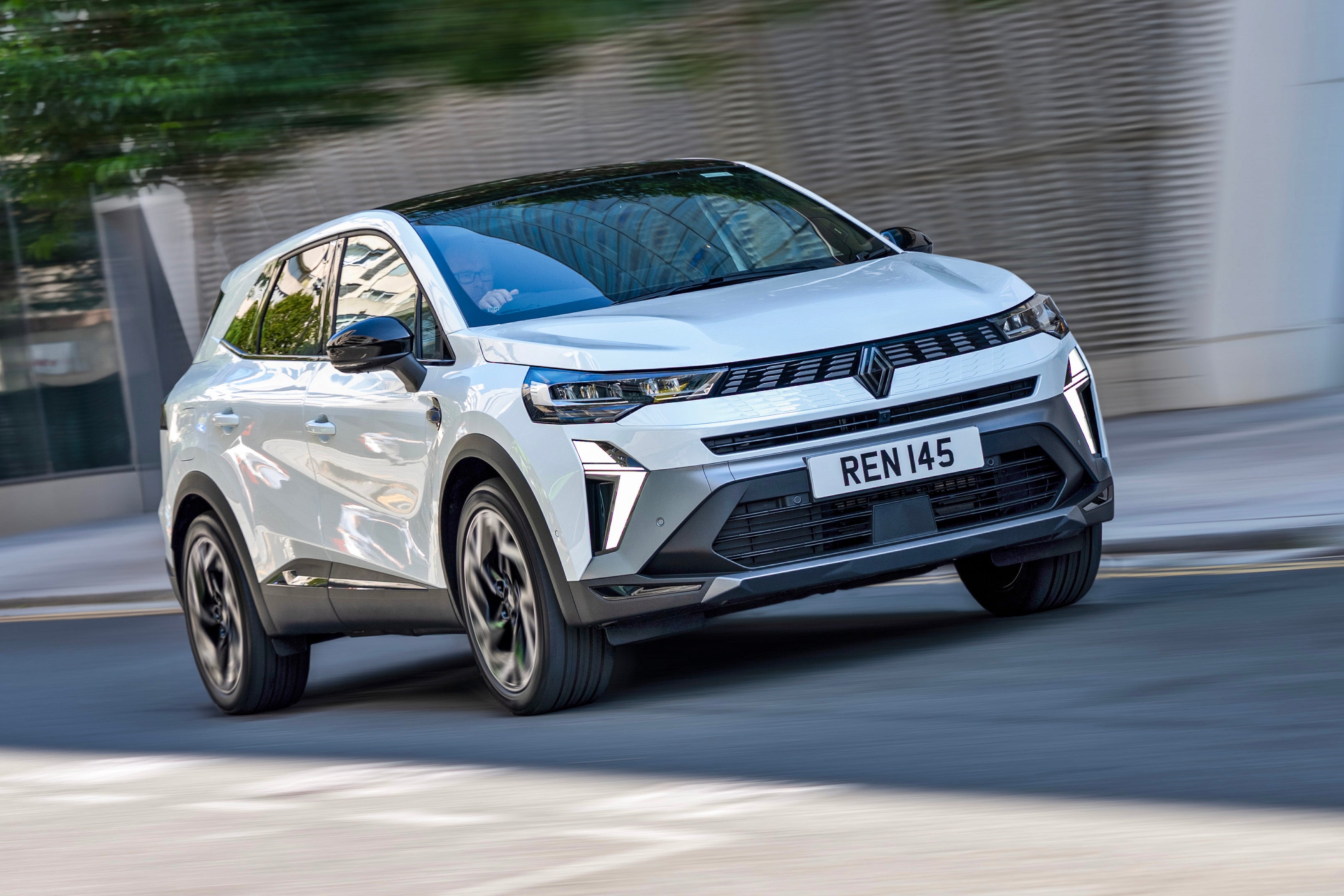
The Renault Symbioz is one of those cars that makes more sense the longer you look at it. It doesn’t try to reinvent the family SUV and it isn’t especially exciting, but it’s competitively priced, thoughtfully designed and usefully efficient. The Full Hybrid E-Tech 160 is particularly appealing, combining strong fuel economy with easy automatic driving, while the sliding rear bench gives the cabin useful flexibility.
It isn’t the roomiest or most charismatic option in the class, and the hybrid powertrain can become vocal under harder acceleration. Even so, the Symbioz gets enough right to be an easy recommendation for buyers who simply want a practical crossover that covers everyday family life without unnecessary fuss.
The Renault Symbioz in more detail
At first glance, the Symbioz looks like one Renault crossover too many. The brand already sells the Captur, Austral and electric Scenic E-Tech, all of which overlap in some way.
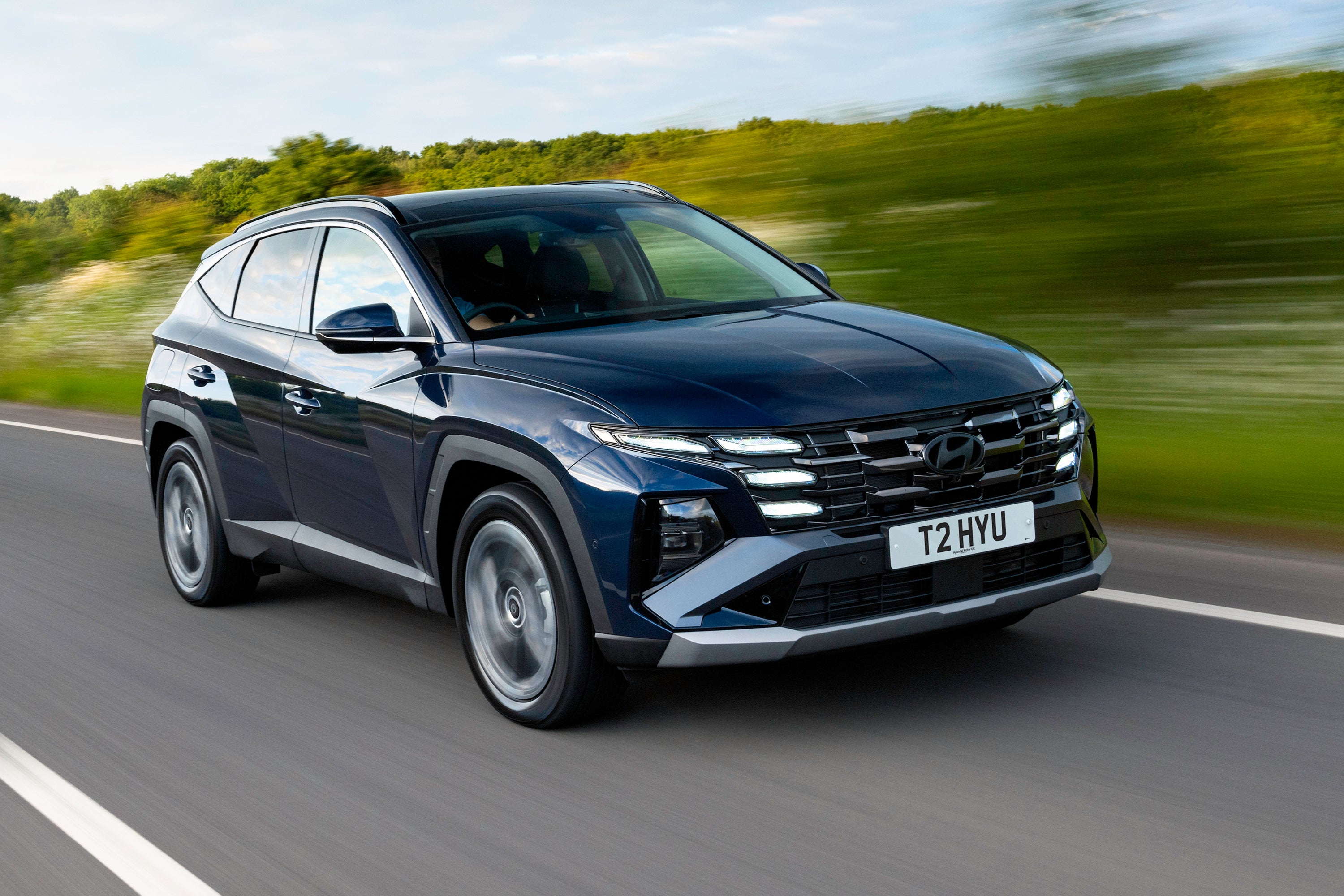
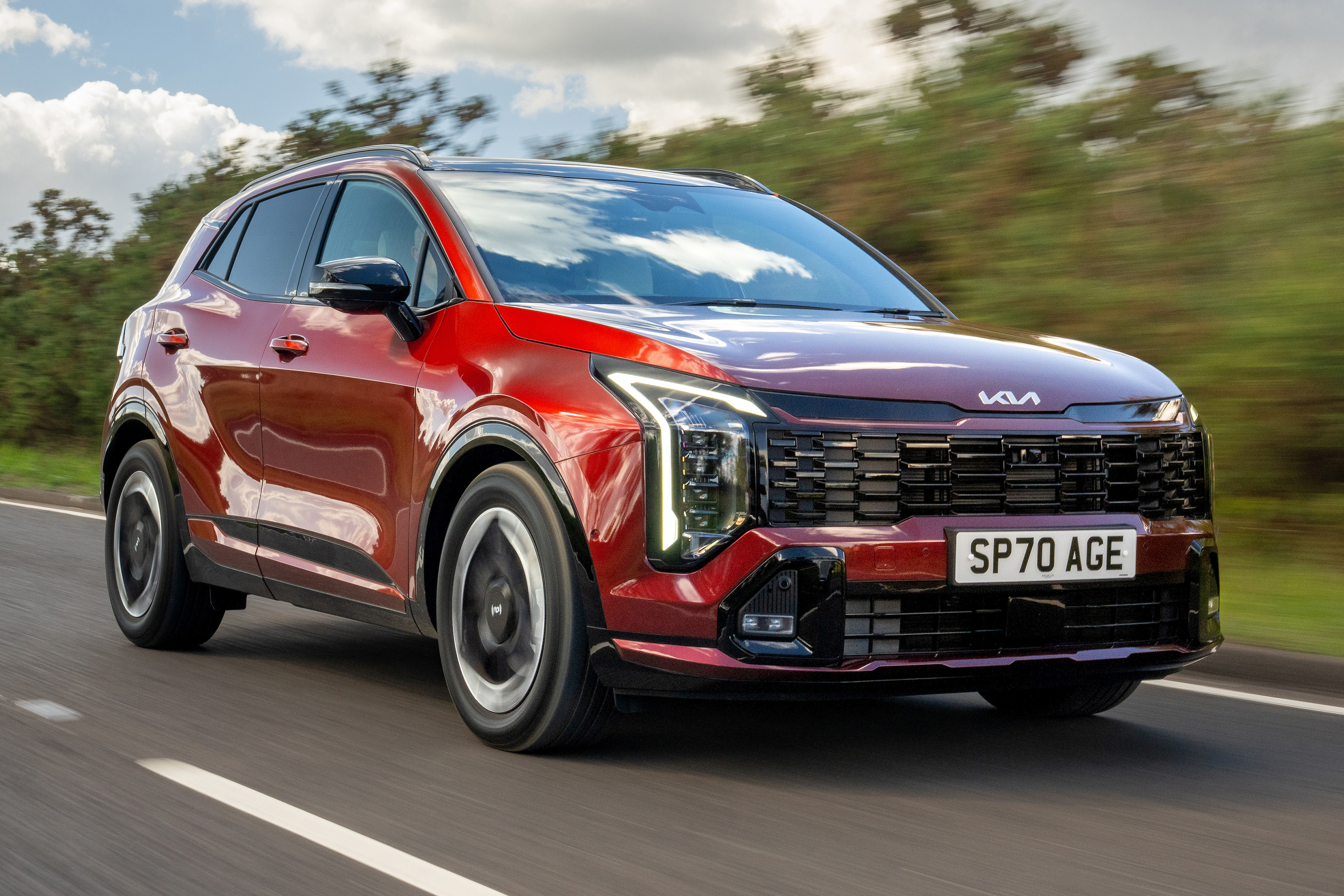
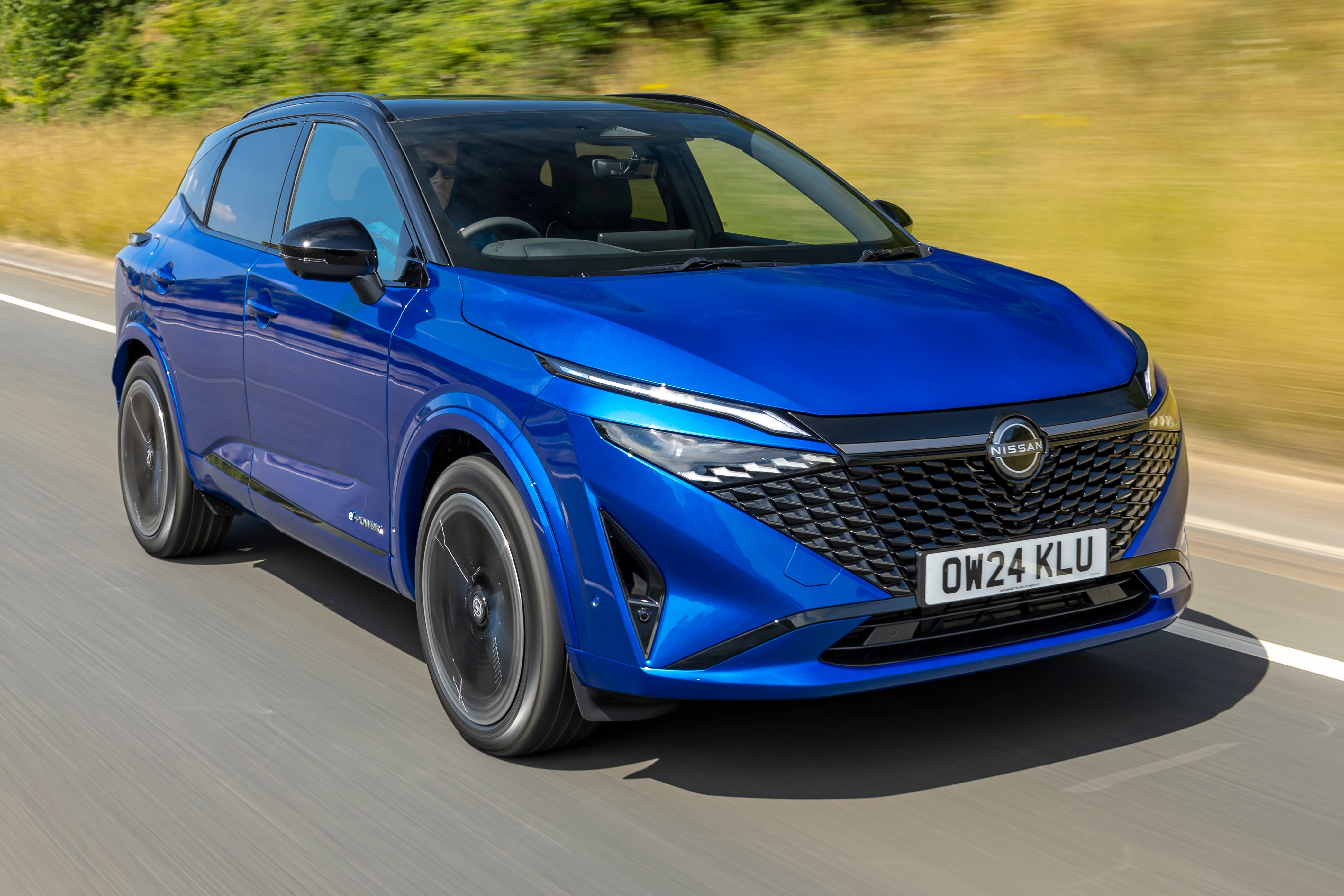
Yet the Symbioz has a clearer role than it first appears. It sits between the Captur and Austral in size, and it’s effectively Renault’s answer for buyers who want something a little more family friendly than the smaller crossover but don’t want to step into a pricier, bulkier SUV either. In other words, it lands right in the thick of the heartland of cars like the Nissan Qashqai, the Hyundai Tucson and the Kia Sportage.
Browse used Renault Symbioz models for sale →
What matters is that the Symbioz feels sensibly judged. It uses a familiar family SUV shape, has the kind of elevated seating position buyers like and delivers enough cabin and boot flexibility to make itself useful without becoming unwieldy. A 16cm sliding rear bench lets you trade rear legroom for luggage capacity, increasing the boot from 492 to as much as 624 litres. Up front, the dashboard is dominated by Renault’s excellent 10.4-inch portrait touchscreen with Google built-in, accompanied by a 10.25-inch digital driver display.
The UK line-up offers two powertrains. The Mild Hybrid 140 combines a 1.3-litre turbo petrol engine with electric assistance and a six-speed manual gearbox. Above it, the Full Hybrid E-Tech 160 uses a 1.8-litre petrol engine and electric motors with an automatic transmission.
The full hybrid is the more convincing choice for most buyers. It can return up to 64.2mpg, feels smooth and quiet when making use of electric assistance around town and delivers stronger performance than the mild hybrid. It can become noisy when worked hard, though.
The Symbioz isn’t especially memorable to drive, but that arguably matters less here than its efficiency, useful interior, straightforward technology and competitive pricing.
What's the best Renault Symbioz trim and engine option?
For most buyers, the best Renault Symbioz is the Full Hybrid E-Tech 160 in Techno trim. It gives you the more convincing powertrain for a family SUV of this kind while keeping the price at a very sensible £29,995.
The Mild Hybrid 140 is £2,400 cheaper and will appeal if you’re simply trying to keep the initial outlay down. It brings a manual gearbox, slightly simpler mechanicals and enough performance for everyday use. The Full Hybrid suits the Symbioz better, though. It’s smoother in urban driving, noticeably more economical and quicker when you need to build speed.
Techno already comes with plenty of equipment, including 18-inch alloy wheels, Google-based infotainment, a 10.25-inch driver display, wireless phone charging, adaptive cruise control and a reversing camera. Techno Esprit Alpine adds desirable extras, but you don’t need them.
What’s the price of the Renault Symbioz?
The Renault Symbioz starts at £27,595 for the Techno Mild Hybrid 140, while the same engine in Techno Esprit Alpine trim costs £29,595. The more appealing Full Hybrid E-Tech 160 starts at £29,995 in Techno trim, rising to £31,995 for Techno Esprit Alpine and £33,995 for Iconic Esprit Alpine. There are also plenty of used Renault Symbioz models for sale for considerably less.
That pricing makes the Symbioz look competitive. The mild hybrid provides a relatively inexpensive entry point into a family SUV of this size, while the full hybrid looks particularly strong once you consider its economy and generous standard equipment. Even the range-topping version sits comfortably below £35,000, although larger rivals like the Nissan Qashqai and the Kia Sportage offer more passenger space.
Alternatives to the Renault Symbioz
The Nissan Qashqai is one of the Symbioz’s most obvious rivals. It feels a little more substantial and offers excellent E-Power hybrid technology, but the Renault counters with keen pricing and a slicker Google-based infotainment system.
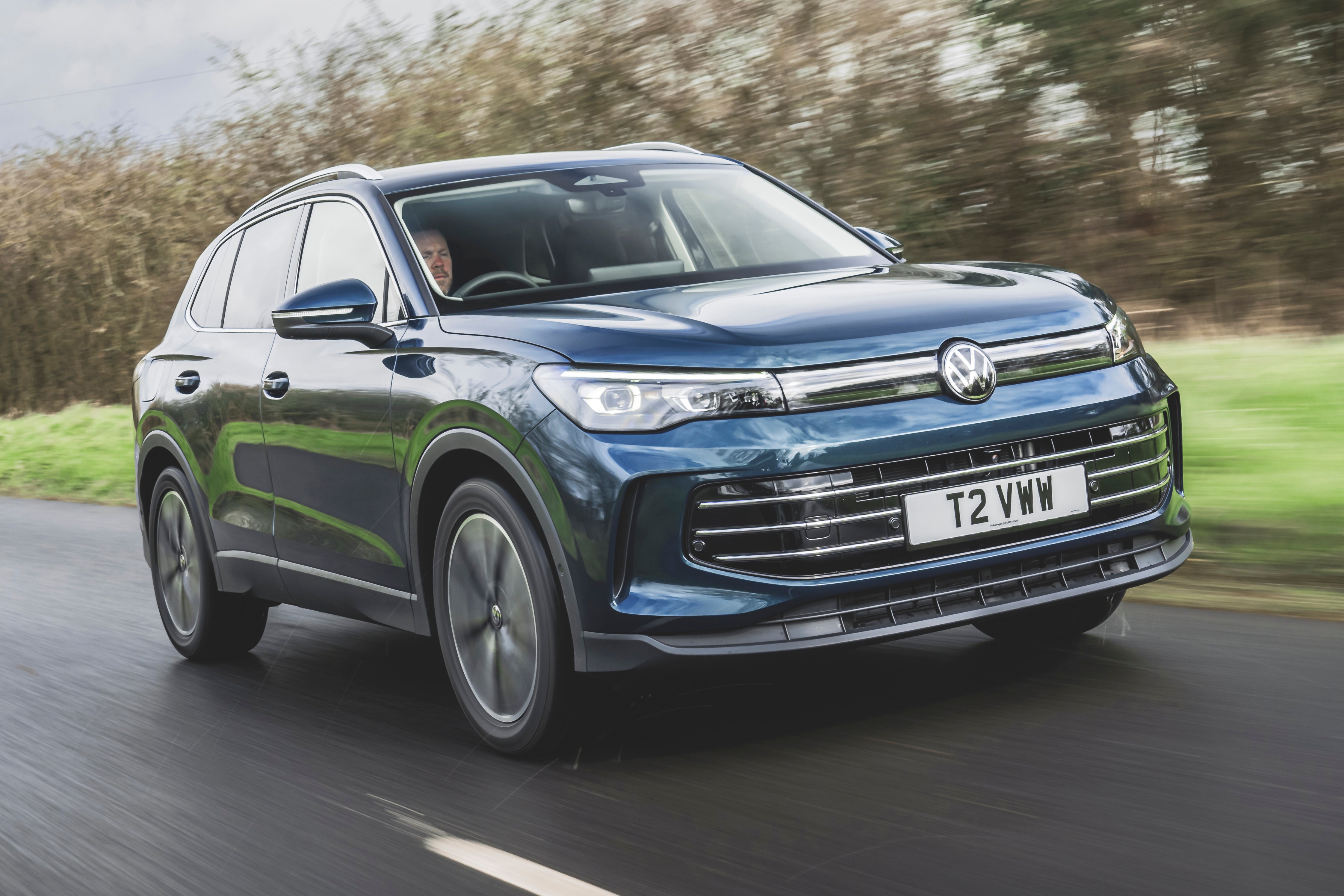
The Skoda Karoq takes a similarly sensible approach and offers excellent practicality, although it lacks the Renault’s full-hybrid option, while the Volkswagen Tiguan is roomier and feels more substantial, but it’s also a larger and considerably more expensive proposition.
The Hyundai Tucson is another strong alternative if you want plenty of space, equipment and a long warranty, while its hybrid range is broader than Renault’s and the Kia Sportage offers similar family-friendly strengths and an excellent seven-year warranty.
Buyers who don’t need quite as much space should also consider the Kia Niro. The Symbioz makes most sense if you want a modern, efficient and reasonably affordable family SUV without stepping up to the size or price of the larger alternatives.
What's the interior like in the Renault Symbioz?
The Renault Symbioz has a smart, well-laid-out cabin with easy-to-use technology and a comfortable driving position. Every version gets a 10.4-inch portrait touchscreen with Google built-in and a 10.25-inch digital driver display, while useful physical climate controls avoid forcing everything through the screen. Material quality is good in the areas you touch regularly, although harder plastics are visible lower down. There’s plenty of room up front and useful storage, while the sliding rear bench adds flexibility. Rear passenger space is decent rather than exceptional, particularly if the bench is pushed forward to maximise boot capacity.
Renault Symbioz boot space and practicality
Practicality is a strong point, even if the Symbioz isn’t class-leading in every direction. The sliding rear bench gives the car a welcome dose of flexibility because you can trade rear legroom for extra luggage room depending on what the day demands.
With the bench fully back, boot capacity stands at 492 litres. Slide it fully forward by 16cm and that rises to 624 litres. That’s a very useful spread for a family SUV of this size and one of the Symbioz’s more persuasive qualities. Fold the rear seats and the Full Hybrid E-Tech offers up to 1,582 litres of space. The load area itself is usefully shaped, while Techno Esprit Alpine and Iconic Esprit Alpine add a powered hands-free tailgate.
Passenger space is decent rather than exceptional. Up front there’s plenty of room and a good amount of useful storage, while the driving position is comfortably elevated without making you feel perched above the car.
Rear-seat space is perfectly adequate for average-sized adults and children, particularly with the bench pushed backwards. Taller families may find rivals such as the Volkswagen Tiguan, Hyundai Tucson and Kia Sportage noticeably roomier. The relatively narrow glass area and slim rear window can also make the back feel a little gloomy, although the Iconic Esprit Alpine model’s Solarbay panoramic roof helps considerably.
Overall, the Symbioz makes good use of its relatively compact footprint. Its adjustable rear bench is particularly useful because you can prioritise passengers or luggage according to the journey rather than accepting a fixed compromise.
Renault Symbioz dimensions
The Renault Symbioz measures 4,413mm long, 1,797mm wide (2,037mm include side mirrors) and 1,575mm high, with a 2,638mm wheelbase. That puts it neatly between smaller crossovers such as the Renault Captur and larger family SUVs such as the Volkswagen Tiguan and the Hyundai Tucson.
In practical terms, that size works well. There’s enough cabin and boot space to function as a genuine family car, but the Symbioz feels manageable around town and easy to place in ordinary parking spaces.
Tech and infotainment in the Renault Symbioz
All Symbioz models get the same 10.4-inch portrait touchscreen and 10.25-inch digital driver display, and this is one of the car’s strongest areas.
Renault’s OpenR Link system has Google built in, so Google Maps works as the native navigation system and Google Assistant handles voice commands. The interface is clear, responsive and easy to get on with, which is a real plus in a class where some rivals make simple tasks unnecessarily fiddly. Wireless Apple CarPlay and Android Auto are included too, so you aren’t forced to use Renault’s own interface if you prefer your phone.
Just as usefully, Renault provides physical ventilation controls and its familiar behind-the-wheel audio controls, so common functions don’t require repeated trips through the touchscreen.
Wireless phone charging is standard, along with Renault’s connected services. Techno gets a six-speaker Arkamys audio system, while the range-topping Iconic Esprit Alpine upgrades to a nine-speaker Harman Kardon system.
Higher trims also bring additional parking technology. Techno gets a reversing camera, while Iconic Esprit Alpine adds a 360-degree camera and hands-free parking assistance.
The overall setup is one of the Symbioz’s strongest features because it combines genuinely useful connected technology with controls that are easy to operate while driving.
Materials available on the Renault Symbioz
Material quality is another pleasant surprise. The Symbioz doesn’t feel like a budget crossover inside, even if it isn’t truly premium either. Soft-touch plastics and smart textural details lift the atmosphere, while the dashboard design and portrait touchscreen give the cabin a modern appearance. Harder plastics are easier to find lower down, but the surfaces occupants interact with most frequently generally feel well considered.
Techno uses black fabric upholstery with bio-sourced material, keeping the look relatively simple. The Esprit Alpine models introduce sportier detailing and upgraded upholstery, along with Alpine branding that gives the cabin a little more visual pizzazz. Techno Esprit Alpine and Iconic Esprit Alpine also add electrically adjustable and heated front seats, while the latter’s Solarbay panoramic roof gives the cabin a lighter, more upmarket feel.
What's the Renault Symbioz like to drive?
The Renault Symbioz drives much as a family SUV should. It’s easy, predictable and secure, although it doesn’t offer much excitement. The steering is sensibly weighted, body control is tidy and the relatively compact dimensions make it straightforward around town. Ride comfort is generally good, although cars on the larger 19-inch wheels can feel busier over rough surfaces.
Renault Symbioz range and performance
The Symbioz comes with a choice of two powertrains. The Mild Hybrid 140 uses a 1.3-litre four-cylinder turbocharged petrol engine with electrical assistance. It produces 140PS and 240Nm, drives the front wheels through a six-speed manual gearbox and covers 0–62mph in 10.6 seconds. Its 111mph top speed is more than sufficient for everyday use.
Above it sits the Full Hybrid E-Tech 160. This combines a 1.8-litre naturally aspirated petrol engine with two electric motors and a 1.4kWh battery, driving the front wheels through Renault’s multimode automatic transmission. Total output is 160PS, while 0–62mph takes 9.1 seconds. The hybrid doesn’t need to be plugged in, with the battery replenished through the petrol engine and regenerative braking.
Around town, the system can frequently operate on electric power for short periods, helping both refinement and fuel economy. When stronger acceleration is required, the petrol engine and electric motor work together.
For most buyers, the Full Hybrid is the better fit. Its extra performance is useful when joining faster roads or carrying a full load, while the automatic transmission better suits the Symbioz’s relaxed family-car character. The Mild Hybrid makes most sense if keeping the purchase price low is the priority or if you particularly want a manual gearbox.
Performance data
| Model | Engine/battery size | Power | 0-62mph | Range/MPG |
|---|---|---|---|---|
Mild Hybrid 140 | 1.3-litre, manual gearbox | 140PS | 10.6 seconds | Up to 47.9mpg |
Full Hybrid E-Tech 160 | 1.8-litre, automatic | 160PS | 9.1 seconds | Up to 64.2mpg |
Renault Symbioz driving and refinement
The Symbioz handles neatly enough, but this isn’t a car you buy for driver appeal. Grip levels are decent, the steering is sensibly weighted and body control is tidy enough, but the overall experience is more competent than memorable.
That isn’t a criticism in itself. Plenty of family-SUV buyers will be perfectly happy with a car that simply feels easy and predictable. Around town, the relatively compact dimensions and light controls make the Symbioz straightforward to place. Visibility forwards is good and every version has parking sensors and a reversing camera to help when manoeuvring.
Ride comfort is decent but not exceptionally plush. The 18-inch wheels fitted to Techno give the suspension its best chance of smoothing out broken surfaces, while the 19-inch wheels on the Esprit Alpine versions can make it feel a little busier over sharper imperfections.
The Full Hybrid E-Tech is at its best in slower traffic, where it frequently uses electric assistance and can move away smoothly and quietly. Transitions between petrol and electric power are generally unobtrusive. Ask for hard acceleration and the experience becomes less polished. The petrol engine can become quite vocal as the transmission asks it to work harder, although performance itself is perfectly adequate.
At motorway speeds the Symbioz settles into a comfortable cruise, with the engine fading into the background. Wind noise becomes more noticeable, but overall refinement is reasonable for the price.
Esprit Alpine trim is largely a styling and equipment exercise rather than a dynamic upgrade, so don’t expect the bigger wheels and sportier detailing to transform how the Symbioz drives.
How safe is the Renault Symbioz?
Independent safety organisation Euro NCAP awarded the Renault Symbioz four stars in 2024. The result was respectable rather than class-leading, with the car scoring 73% for adult occupant protection, 80% for child occupant protection, 76% for vulnerable road users and 69% for safety assistance.
Standard equipment includes autonomous emergency braking, lane-keeping assistance, driver-attention monitoring, traffic-sign recognition and adaptive cruise control. Higher-spec Full Hybrid versions add systems including blind-spot warning, rear cross-traffic alert and additional active driving assistance.
Running costs: What it's like to live with a Renault Symbioz
The Renault Symbioz’s strongest running-cost argument is its efficiency. The Full Hybrid E-Tech 160 returns up to 64.2mpg, making it particularly attractive for drivers covering plenty of urban and mixed-road mileage. The Mild Hybrid 140 manages up to 47.9mpg but costs less to buy and sits in a lower insurance group.
Renault Symbioz fuel economy
The Full Hybrid E-Tech 160 is the clear economy champion. Renault currently quotes up to 64.2mpg, which is a strong number for a family SUV and a major reason why the Symbioz makes sense. The hybrid system is particularly effective around town, where it can use electric power regularly without needing to be plugged in. The Mild Hybrid 140 returns up to 47.9mpg.
Company-car drivers also benefit from the full hybrid’s lower emissions: its Benefit-in-Kind percentage is around 25–26% in 2026/27, compared with 32% for the mild hybrid.
Renault Symbioz warranty and servicing
Renault covers the Symbioz for three years from first registration, with unlimited mileage during the first two years and a 60,000-mile limit in the third year. That’s fairly typical for a European manufacturer but considerably shorter than the warranties provided by Kia or Hyundai.
Renault also offers extended warranty cover of up to seven years or 100,000 miles, along with prepaid EasyLife service plans.
The Symbioz requires servicing every 12 months, with the car’s onboard maintenance system keeping track of the mileage remaining before attention is required. Exact maintenance requirements can vary according to engine and usage, so owners can check the schedule through the My Renault app.
Renault Symbioz insurance groups
Insurance costs should be fairly manageable by family-SUV standards, although the Full Hybrid sits higher than the Mild Hybrid. Both Mild Hybrid 140 versions are rated in group 16, while the Full Hybrid E-Tech 160 starts in group 19. The range-topping Iconic Esprit Alpine Full Hybrid rises slightly to group 20, reflecting its additional equipment and higher value.
That’s a wider spread than earlier Symbioz specifications, so buyers considering the hybrid shouldn’t assume it will cost the same to insure as the cheaper mild-hybrid versions.
How much does it cost to tax a Renault Symbioz?
The Renault Symbioz costs £200 a year in VED after year one, which is the current standard annual rate for petrol and hybrid cars. The Expensive Car Supplement only applies to petrol and hybrid cars with a list price above £40,000, and the Symbioz sits comfortably below that threshold, so there is no extra premium-car tax charge to worry about.
What trims are available with the Renault Symbioz?
The Renault Symbioz line-up consists of Techno, Techno Esprit Alpine and Iconic Esprit Alpine. Mild Hybrid 140 is available with the first two, while the Full Hybrid E-Tech 160 can be specified across all three.
Techno is the value choice and already comes with a lot of kit. Standard equipment includes 18-inch alloy wheels, full LED lighting, keyless entry and start, a 10.25-inch digital driver display and 10.4-inch OpenR Link touchscreen with Google built in. You also get wireless smartphone charging, adaptive cruise control, climate control, rear parking sensors and a reversing camera.
Techno Esprit Alpine starts with the Mild Hybrid or £31,995 with the Full Hybrid. It adds 19-inch Esprit Alpine alloy wheels and sportier exterior and interior detailing, along with heated and electrically adjustable front seats, a heated steering wheel and powered hands-free tailgate. It makes the Symbioz look and feel a little more special, although the larger wheels don’t improve ride comfort.
Iconic Esprit Alpine is Full Hybrid-only and adds Renault’s Solarbay opacifying panoramic glass roof, a 360-degree parking camera, hands-free parking and a nine-speaker Harman Kardon sound system.
Ask the Drive experts: common questions
How much does the Renault Symbioz cost?
What’s the best Renault Symbioz model to choose?
What engines does the Renault Symbioz have?
Get our latest advice, news and offers
Keep me updated by email with the latest advice, news and offers from Drive.
.jpg)