Volkswagen T-Cross Review

Written By Phil Hall
- 2018
- Small SUV
- Petrol
What we love
Exceptionally spacious and flexible for a small SUV
Comfortable, refined and easy to drive
Punchy 1.0-litre petrol engine suits the car well
Things to consider
95PS engine is best suited to town driving
Smaller wheels give the best ride comfort
Higher trims use touch-sensitive climate controls
The DRIVE take on the Volkswagen T Cross, is it the right car for you?
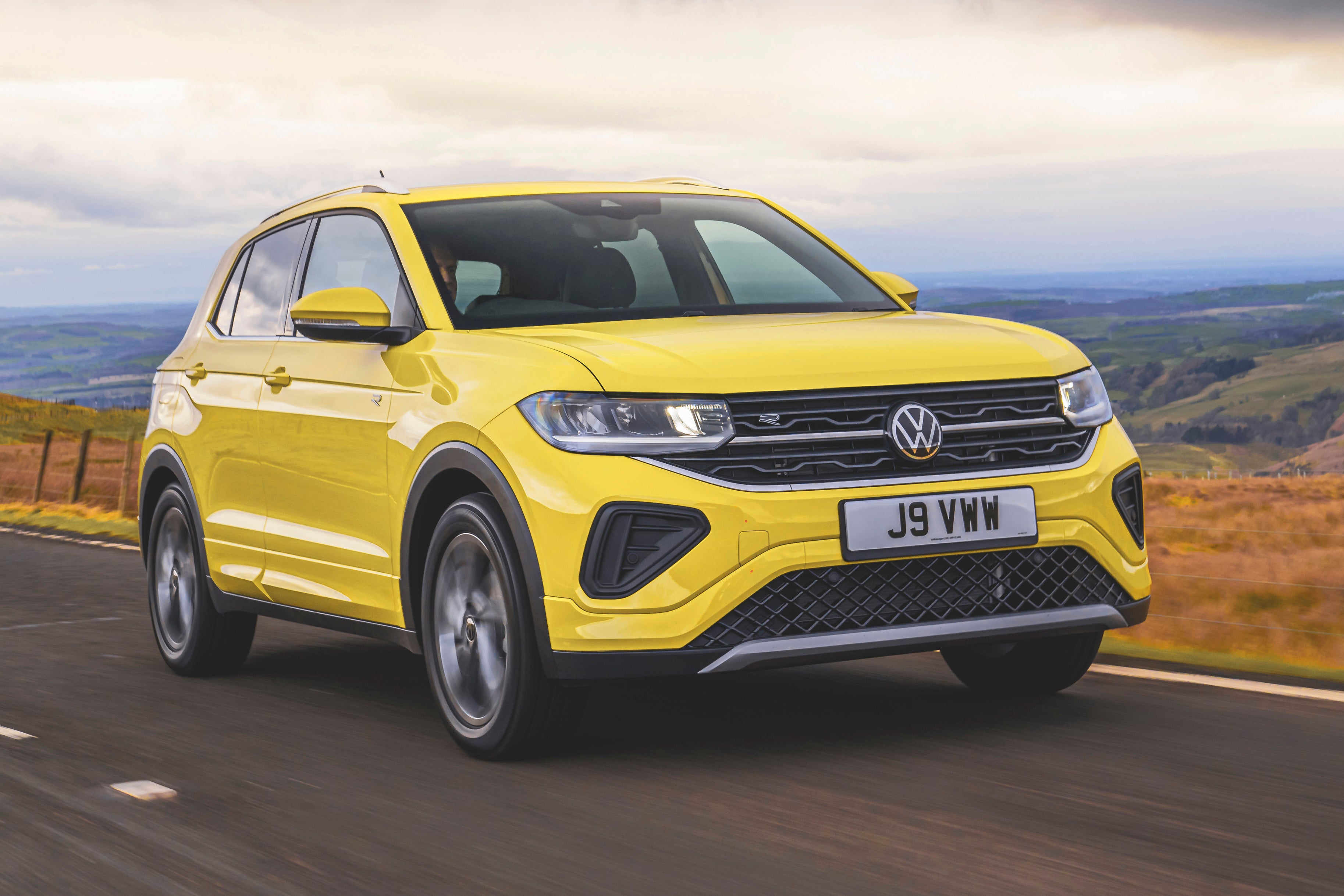
The Volkswagen T-Cross is one of the most complete small SUVs on sale because it combines compact dimensions, impressive cabin space and a mature, easy-going driving experience. It is not the most exciting or cheapest option in the segment, but it is one of the easiest to recommend if you want a small SUV that can handle family life, commuting and longer trips without breaking a sweat.
The Volkswagen T Cross in more detail
The idea behind the Volkswagen T-Cross is pretty simple: take the core virtues of the Polo supermini, raise the ride height, give the bodywork a boxier profile and make the cabin more flexible. In practice, that gives you a small SUV that feels easy to live with, easy to drive and far more spacious than its compact footprint suggests.
It’s an idea that’s very effective, too. The small SUVs sector has become one of the most competitive parts of the entire car market, and the T-Cross is one of the very best examples of the breed. It has the sort of easy, mature character that many buyers want. It rides well, the visibility is good, the seats are comfortable, and the cabin layout is reasonably straightforward.
Browse used Volkswagen T-Cross models for sale →
Arguably the best bit, though, is the car’s excellent practicality. The sliding rear seats, generous headroom and impressively useful boot all help make the T-Cross feel like a genuinely capable family car despite its very compact footprint.
The 2024 update helped keep it fresh. The interior quality was improved, a digital cockpit became standard across the range, and the exterior received a light visual tidy-up. None of that transformed the car, but it did keep the T-Cross very competitive in a class where rivals were getting better and better.
The engine line-up adds to the car’s appeal. The little 1.0-litre petrol remains the heart of the range and suits the car very well in mid-range 115PS form, while the 1.5-litre engine gives buyers a stronger option if they want punchier, more effortless performance.
The T-Cross also benefits from a more sensible positioning within Volkswagen’s SUV line-up than some of its sister models. The Taigo is the coupe-style alternative, and the T-Roc is the bigger, more expensive option. That T-Cross, meanwhile, is practical, sensible and well-rounded, without breaking the bank.
What's the best Volkswagen T Cross trim and engine option?
For most buyers, the best Volkswagen T-Cross is the Match with the 1.0 TSI 115PS manual powertrain.
That version sits right in the sweet spot. The 115PS engine gives the T-Cross enough punch to feel eager and easy on the road, while still delivering strong fuel economy and low running costs. It is also the engine that best suits the car’s easy-going nature.
The manual gearbox has a light, positive shift and feels better matched to the small petrol engine than the DSG automatic, which can feel a little hesitant when paired with this engine. The DSG is still worth considering if you simply must have an auto, but the manual is the more satisfying choice, and it’s cheaper to buy and run as well.
The Match makes the most sense out of the trim levels on offer. It adds desirable kit to the base-level Life model - including a reversing camera, metallic paint, privacy glass and keyless entry and start - but it costs hardly any more. R-Line and Black Edition look more glamorous, but they do take the price up to rather uncomfortable levels.
What’s the price of the Volkswagen T Cross?
The current Volkswagen T-Cross range starts at £25,985. That gets you into the T-Cross Life, with the entry-level 95PS 1.0-litre engine. At the opposite end of the range sits the 1.5 TSI DSG R-Line, which has a list price of £34,120. There are also plenty of used Volkswagen T-Cross models for sale for considerably less.
That means that there are certainly cheaper small SUVs out there, so the T-Cross is far from a bargain-basement choice. Choose the right version, though, by which we mean the mid-range Match-trimmed ones with the engine choice that suits your needs, and the T-Cross still looks really competitive on value for money.
Alternatives to the Volkswagen T Cross
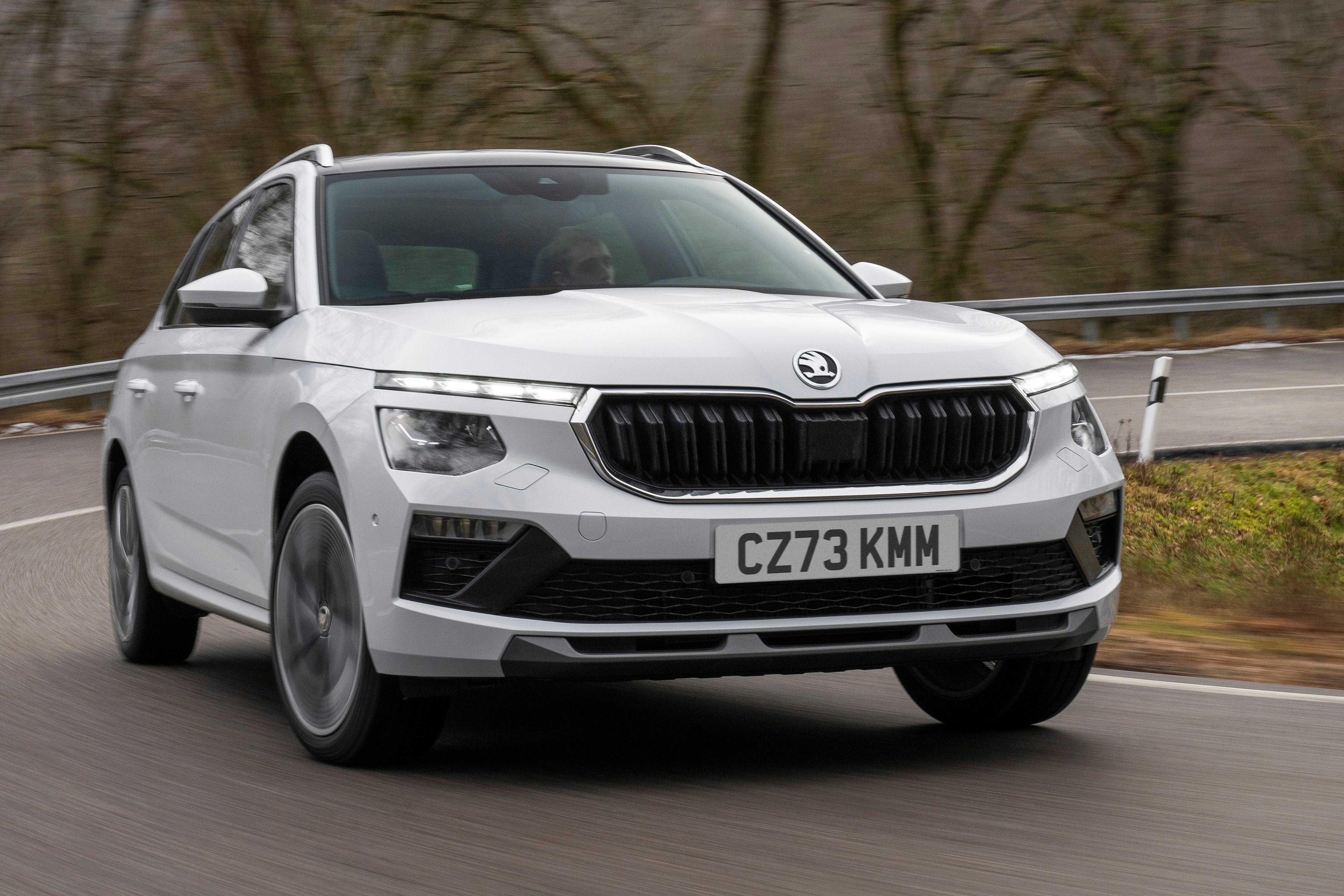
The Skoda Kamiq is arguably the T-Cross’ most direct rival because it’s very closely related mechanically. The two cars have slightly different characters, the VW’s being slightly more upmarket and the Skoda’s being slightly more functional, but in most other respects, the two cars are actually very similar.
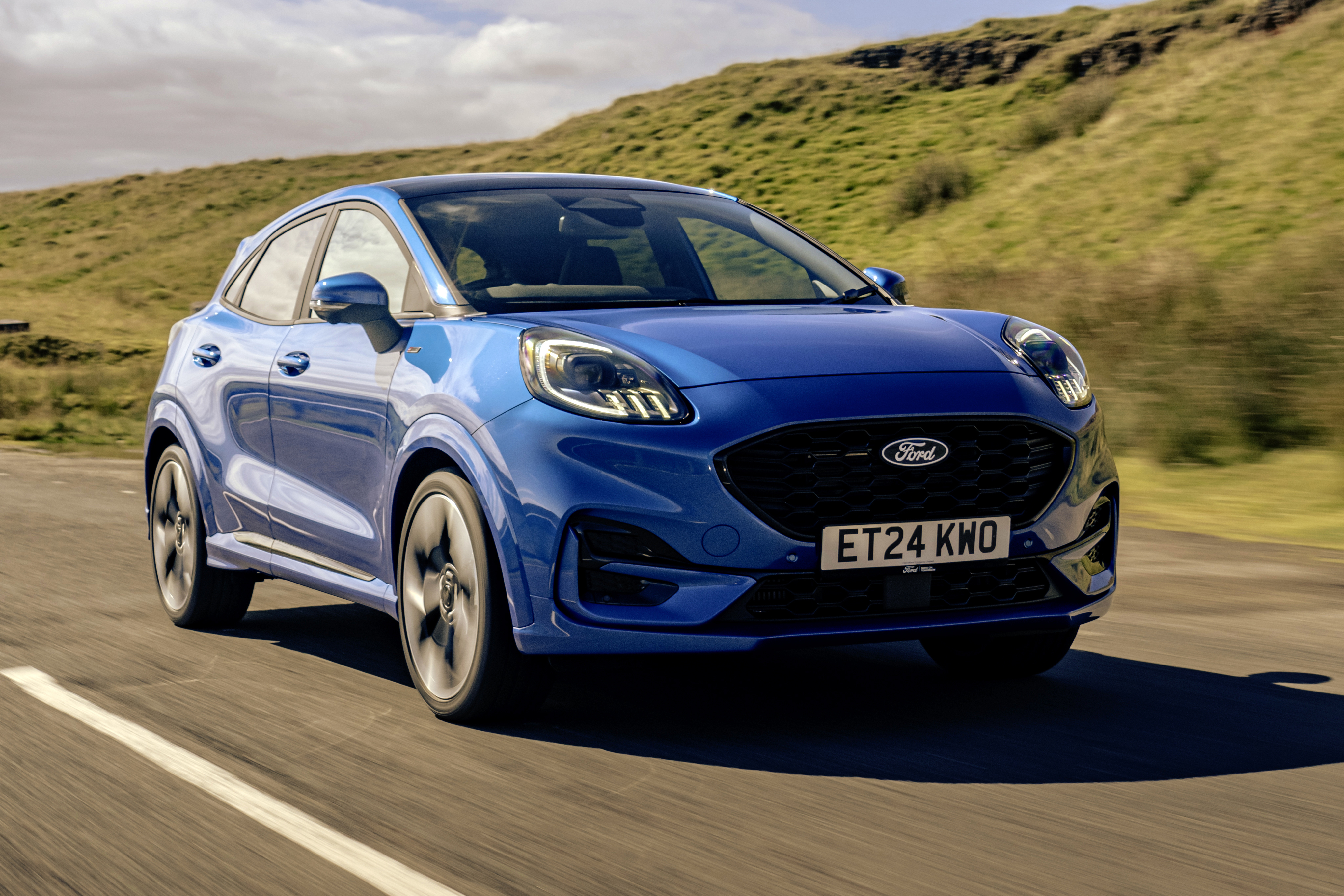
The Ford Puma is another key rival. It combines very strong practicality with sharper road manners. Although it is more enjoyable to drive, it’s not as good for ride comfort or rear space.
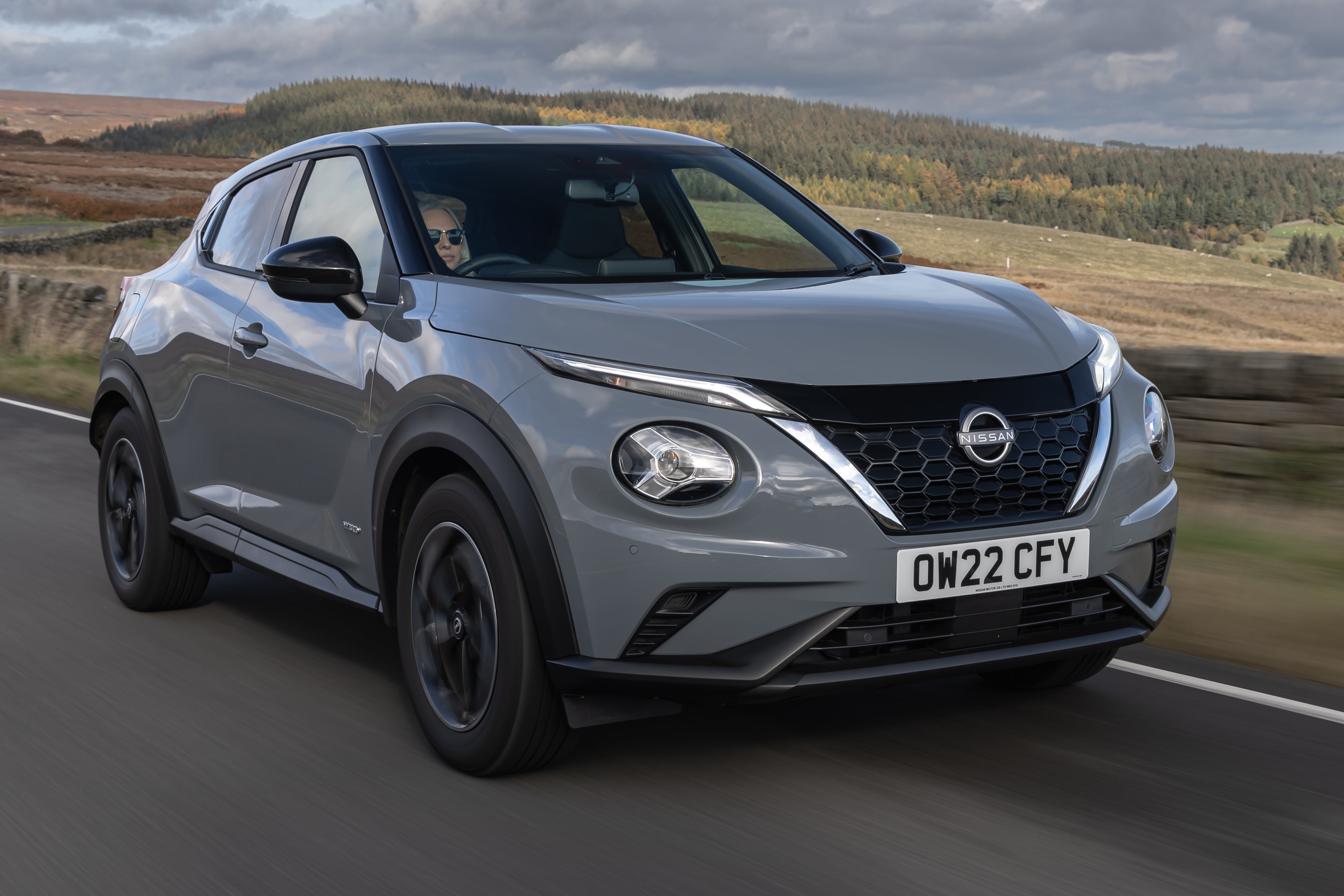
The Nissan Juke is another obvious alternative if you want more extrovert styling, but the Volkswagen counters with a bigger boot and a more grown-up cabin. The Renault Captur is similar to the T-Cross in that it majors on flexibility and family-friendliness thanks to its roomy cabin and sliding rear bench, making it one of the T-Cross’s most direct competitors.
Beyond those four, the Volkswagen Taigo, Toyota Yaris Cross and Peugeot 2008 all deserve consideration depending on whether you prioritise style, hybrid efficiency or a swisher interior.
What's the interior like in the Volkswagen T Cross?
The T-Cross’s cabin is one of its biggest plus points. It’s roomy, comfortable and sensibly laid out, even if early cars didn’t deliver the premium feel buyers expect from a Volkswagen.
Volkswagen T Cross boot space and practicality
The T-Cross is one of the most practical cars in the small-SUV class. Its sliding rear bench is central to that, because it lets you choose whether to prioritise rear legroom or extra boot space.
With the rear bench pushed all the way back, boot space is 385 litres, and rear legroom is very generous indeed, as is rear headroom. Slide the bench all the way forward (it slides in one piece) and boot space grows to 455 litres, which is a very good figure for a car of this size. Rear legroom becomes uncomfortably tight in this instance, but there’s a generous 14cm of travel in the runners, so you should be able to find a suitable middle-ground between the extremes.
The cabin isn’t quite wide enough for three people to sit across the rear bench comfortably, but that’s true of most cars in this class. It’s comfy for two, and a third can squeeze in for short hops.
Fold down the rear seats, and cargo capacity rises to 1,281 litres. The standard equipment on all versions include a false boot floor that levels out both the step up to the folded rear seats, and the lip at the entrance of the boot, making the space easier to load. The folded seats do lie at a slight angle, though, so there’s a gentle slope to half of your extended load area.
Space up front is generous, too, and there’s a wide variety of pockets and cubbies for storage. You get the lofty driving position that SUV buyers love, and there’s lots of adjustment to help you get comfy. All the door open nice and wide for really good access, and there are three Isofix child seat mounting points, two on the rear bench and one on the front passenger seat.
Volkswagen T Cross dimensions
The Volkswagen T-Cross measures 4,127mm long, 1,760mm wide (not including door mirrors) and 1,573mm tall, with a 2,551mm wheelbase. It’s compact enough to feel at home on narrow streets and supermarket car parks, yet it still feels roomy and comfortable inside.
Tech and infotainment in the Volkswagen T Cross
Early examples of the T-Cross had an 8.0-inch infotainment screen integrated into the dashboard, but significant changes were made during the car’s 2023 facelift. For Life and Match versions, the screen remained at 8.0 inches, but was repositioned so it appeared to be free-standing on top of the dashboard, placing it closer to the driver’s natural eyeline. Higher-spec R-Line and Black Edition versions, meanwhile, got a larger 10.25-inch screen with built-in navigation. Digital instruments were also made standard throughout the range.
The infotainment software isn’t Volkswagen’s latest, but that’s a good thing. It means that the menus aren’t quite so convoluted, making it a little easier to find and use the function you want. The shortcut icons down the side of the screen help, too.
We also like that the air-conditioning system doesn’t have to be controlled through the central screen because it has its own set of controls, although the nature of these depends on the grade of your car. Lower-grade Life and Match cars have manual air-conditioning that’s controlled by rotary dials that are intuitive and precise. Higher-grade R-Line and Black Edition cars, meanwhile, have two-zone climate control that allows the driver and front passenger to set different temperatures, but this is controlled by touch-sensitive slider controls that are much more fiddly and distracting.
The standard infotainment spec includes DAB radio, wireless phone charging, and wireless operation of Apple CarPlay and Android Auto.
Materials available on the Volkswagen T Cross
The T-Cross uses a mix of materials that changed noticeably with the 2023 facelift. Earlier cars made broader use of hard-wearing moulded plastics across the dashboard and doors, while facelifted versions introduced a redesigned dashboard with softer-touch materials across the upper section and a more layered, dressed-up look.
Seat trim varies by version, with cloth upholstery on more straightforward models and brighter trim combinations, contrast stitching and more distinctive seat finishes on higher-spec cars. Decorative dashboard panels also play a part in giving different trims their own identity, with the facelift helping the whole cabin feel a little more contemporary in the way those surfaces are combined.
Lower down, the T-Cross still uses tougher, more practical materials that are better suited to everyday family use, but facelifted cars do a better job of mixing those with softer and more tactile surfaces in the areas you notice most. That makes the later interior feel more in step with the rest of Volkswagen’s small-SUV range.
What's the Volkswagen T Cross like to drive?
The Volkswagen T-Cross is easy to drive and pleasantly smooth, even at higher speeds. In fact, despite its compact size, the T-Cross feels very assured and stable at motorway speeds, happily keeping up with fast-flowing traffic.
Volkswagen T Cross range and performance
There was a time when the T-Cross was offered with diesel power in the form of a 1.6-litre engine with 95PS. This hasn’t been the case for some time, though, and for the last few years, the T-Cross range has been petrol-only.
The mainstays of the range are the 1.0-litre petrol turbos. The entry-level one comes with 95PS and a five-speed manual gearbox. It’s fine if most of your driving involves pottering around town, but when the road opens up, or you put a few people and luggage into your car, it soon starts to feel a little out of its depth, having to work hard to maintain even moderate performance.
The other 1.0-litre option has 115PS (it used to be offered with 110PS but was uprated a few years ago) and comes with either a six-speed manual gearbox or a seven-speed DSG dual-clutch automatic. This is a much better option, not because it’s faster (which it is, by the way), but because it has more low-and mid-range muscle, which makes it feel a lot more relaxed in getting up to speed, and much more comfortable in maintaining it. It’s a peppy, eager engine that suits the car really well, and the slick-shifting manual gearbox is a pleasure to use, too. It’s the better choice than the DSG automatic, in fact, because not only does it make the T-Cross cheaper to buy and run, but the automatic gearbox can feel both hesitant and jerky when paired with this engine.
At the top of the range sits the 1.5 TSI with 150PS, available exclusively with the DSG ‘box. It is noticeably stronger and more relaxed than the other engines, but the difference isn’t big enough over the mid-range engine to justify the extra money it costs, which is considerable.
Performance data
| Model | Engine/battery size | Power | 0-62mph | Range/MPG |
|---|---|---|---|---|
1.0 TSI 95 5MT | 1.0-litre petrol manual | 95PS | 11.3 seconds | Up to 51.5mpg |
1.0 TSI 115 6MT | 1.0-litre petrol manual | 115PS | 10.1 seconds | Up to 50.9mpg |
1.0 TSI 115 7AT | 1.0-litre petrol DSG | 115PS | 10.3 seconds | Up to 49.4mpg |
1.5 TSI 7AT | 1.5-litre petrol DSG | 150PS | 8.4 seconds | Up to 47.8mpg |
Volkswagen T Cross driving and refinement
The T-Cross is one of the most comfortable small SUVs you can buy, with an impressively absorbent suspension that soaks up lumps and bumps in the road well at all speeds, but without being so soft that it feels too bouncy over speed bumps and on undulating roads. That’s the case on all the various sizes of alloy wheel on offer, but it’s definitely the case that the smaller the wheel, the better the ride comfort.
The handling is capable, too. There’s a bit of body roll to be felt when rounding bends, but it’s certainly not excessive, and the car always feels tidy when changing direction. There’s plenty of grip on offer, and the steering is light, responsive and predictable. Granted, it won’t thrill you in the same way that a Ford Puma will, but its handling is utterly capable, and you’ll be a lot more comfortable in the Volkswagen.
The other great thing about the way the T-Cross drives is just how easy it is. The controls are light, the visibility is great, and it just generally potters along without any fuss, giving a really easy-going nature. That’s helped by very decent all-round refinement. Even at motorway speeds, wind noise and road noise are really well contained, better than in most rivals. The entry-level petrol engine has to work quite hard to maintain motorway pace, and the old diesel engine was generally a bit grumpy, but buy a car with any of the other engines, and you’ll have no complaints over engine noise, either.
How safe is the Volkswagen T Cross?
When the car was first crash-tested by Euro NCAP in 2019, it earned the full five-star rating. However, it was tested in 2025 against newer, stricter standards, and it achieved only three stars out of five. In the individual areas of assessment, the car scored 74% for Adult Occupant protection, 81% for Child Occupant protection, 60% for protection of Vulnerable Road Users and 57% for Safety Assist.
Standard safety kit across the range includes adaptive cruise control, automatic emergency braking, driver monitoring, various levels of lane assistance, and dynamic road sign display.
Running costs: What it's like to live with a Volkswagen T Cross
The T-Cross should be relatively inexpensive to own by small-SUV standards, especially if you stick to the 1.0-litre petrol engines.
Volkswagen T Cross fuel economy
The T-Cross is competitive enough on official fuel economy figures. The 95PS 1.0-litre does best on paper with a figure of up to 51.5mpg depending on trim level. The more powerful 115PS version isn’t far behind with a figure of up to 50.9mpg when combined with the manual gearbox, or up to 49.4mpg when paired with the DSG automatic. If anything, however, we can see the more powerful engine actually proving marginally more efficient in the real world, simply because it doesn’t have to work quite as hard to gain or maintain pace.
Predictably, the 150PS 1.5 engine is the thirstiest of the bunch, but even that one’s hardly a gas-guzzler with a figure of up to 47.8mpg.
Volkswagen T Cross warranty and servicing
Volkswagen covers the T-Cross with a three-year or 60,000-mile warranty. Most combustion-engined Volkswagens require routine servicing every year or 9,300 miles, although higher-mileage motorway drivers can have a variable servicing arrangement that can allow longer between services.
Volkswagen T Cross insurance groups
It’s not a shock to find the cheapest Volkswagen T-Cross to insure is the base model Life or previous S, which sits on group 8. However, it’s a welcome surprise to find the Match and its SE predecessor with the same 95PS 1.0 TSI engine sit in the same insurance band. The short-lived turbodiesel is another that's very easy on insurance ranking and starts in group 8, too.
A 115PS 1.0 TSI in Match or SE trim resides in group 10, while the Style and SEL versions sit two bands higher. A 1.5 TSI Evo in this trim is group 16, while the diesel-engined models are in group 10. Go for the R-Line trim, and they all sit one insurance band higher than the Style/SEL models.
How much does it cost to tax a Volkswagen T Cross?
Combustion-engined cars that cost less than £40,000 when brand new, including optional extras, pay a flat rate of £200 per year in road tax. Cars that cost more than that are subject to an ‘Expensive Car Supplement’, which adds another £440 per year to that sum between years two and five of the car’s life.
Happily, all versions of the T-Cross fall comfortably underneath the threshold, so you shouldn’t have to worry about higher-rate tax too much. It is technically possible to spec up a top-of-the-range version of the car with enough options and accessories to tip it over the threshold, but you’d have to be adding almost every single one.
What trims are available with the Volkswagen T Cross?
Since the T-Cross was first released in 2019, it’s been offered in a wide variety of different trim levels and special editions. These days, however, it’s offered in four trim levels: Life, Match, R-Line and Black Edition.
Life is the entry point and comes with a very decent amount of kit, including 16-inch alloys, LED headlights with automatic high beam assist, rain-sensing wipers, front- and rear parking sensors, four electric windows, manual air-conditioning, and adaptive cruise control, plus all the infotainment and safety gear we mentioned earlier.
It’s still worth the upgrade to Match trim, though, because it costs hardly any more and it adds desirable kit like 17-inch alloy wheels, rear privacy glass, keyless entry and start, and a reversing camera.
Next up is the sporty R-Line, which comes with racier styling touches inside and out, heated sports front seats, dual-zone climate control, ambient cabin lighting, and the larger infotainment screen with navigation.
Black Edition tops the range, with even more styling embellishments, 18-inch alloys, and LED Matrix headlights.
Ask the Drive experts: common questions
Is the Volkswagen T-Cross a good family SUV?
How big is the Volkswagen T-Cross boot?
Does the Volkswagen T-Cross cost more to tax if it is over £40,000?
Which Volkswagen T-Cross is best?
Get our latest advice, news and offers
Keep me updated by email with the latest advice, news and offers from Drive.
.jpg)
.jpg)