Vauxhall Mokka Review

Written By Andrew Brady
- 2021
- SUV
- Petrol, mild hybrid
What we love
Distinctive styling inside and out
Good petrol and hybrid engine line-up
Easy to drive around town
Things to consider
Boot is smaller than many rivals
Rear-seat space is only average
Four-star Euro NCAP rating
The DRIVE take on the Vauxhall Mokka, is it the right car for you?
The Vauxhall Mokka is one of the more stylish small SUVs in the mainstream market, and that matters in a class packed with sensible but often interchangeable alternatives. It looks sharp, has a straightforward cabin and offers a useful choice of manual petrol, automatic petrol and efficient hybrid powertrains. Compact dimensions also make it particularly easy to live with around town.
It isn’t the roomiest option in the class, with a smaller boot and tighter rear seats than a Skoda Kamiq or Renault Captur, while the ride can feel unsettled on poorer roads. But if style, easy driving manners and good standard equipment matter more than maximum practicality, the Mokka makes a convincing case.
The Vauxhall Mokka in more detail
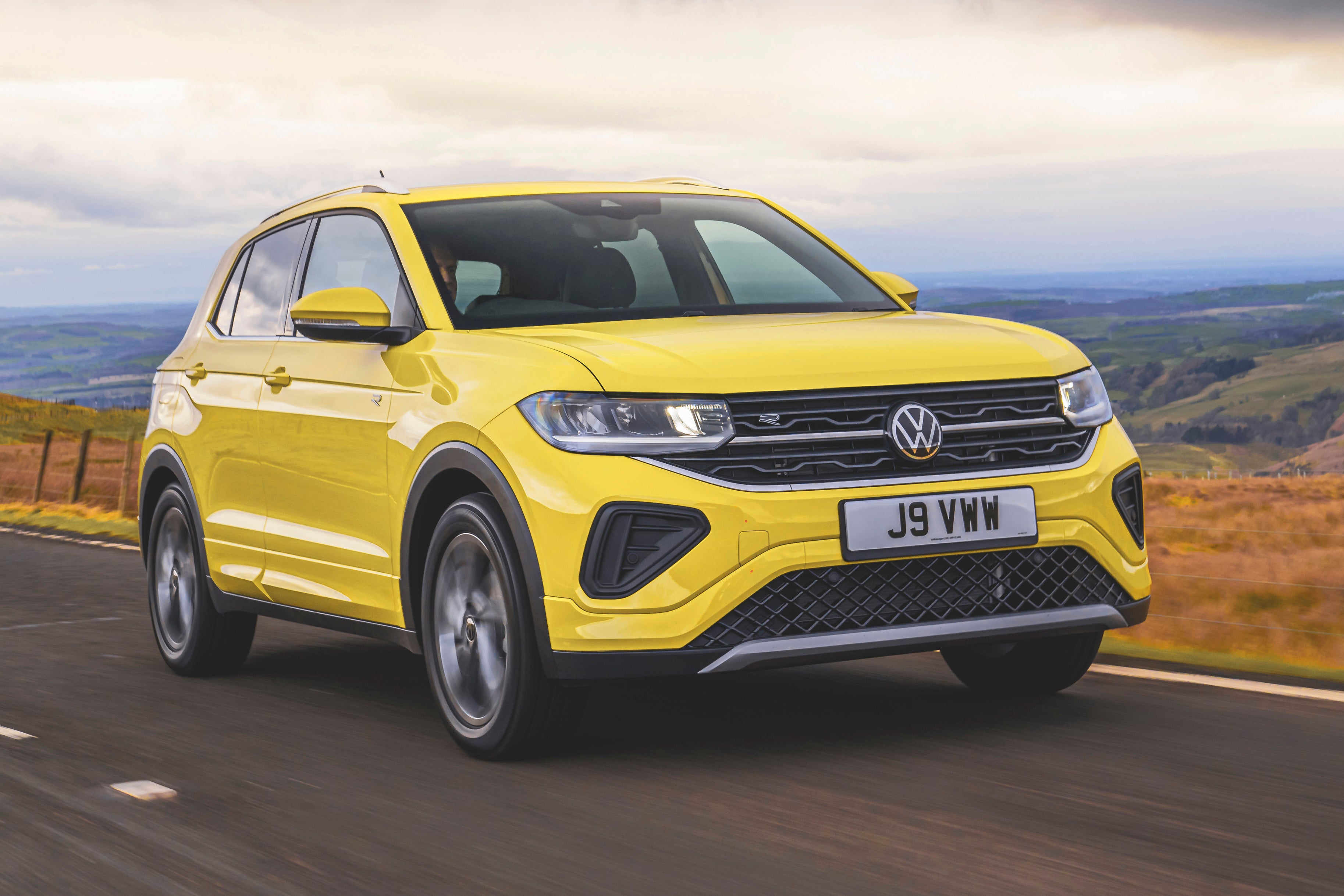
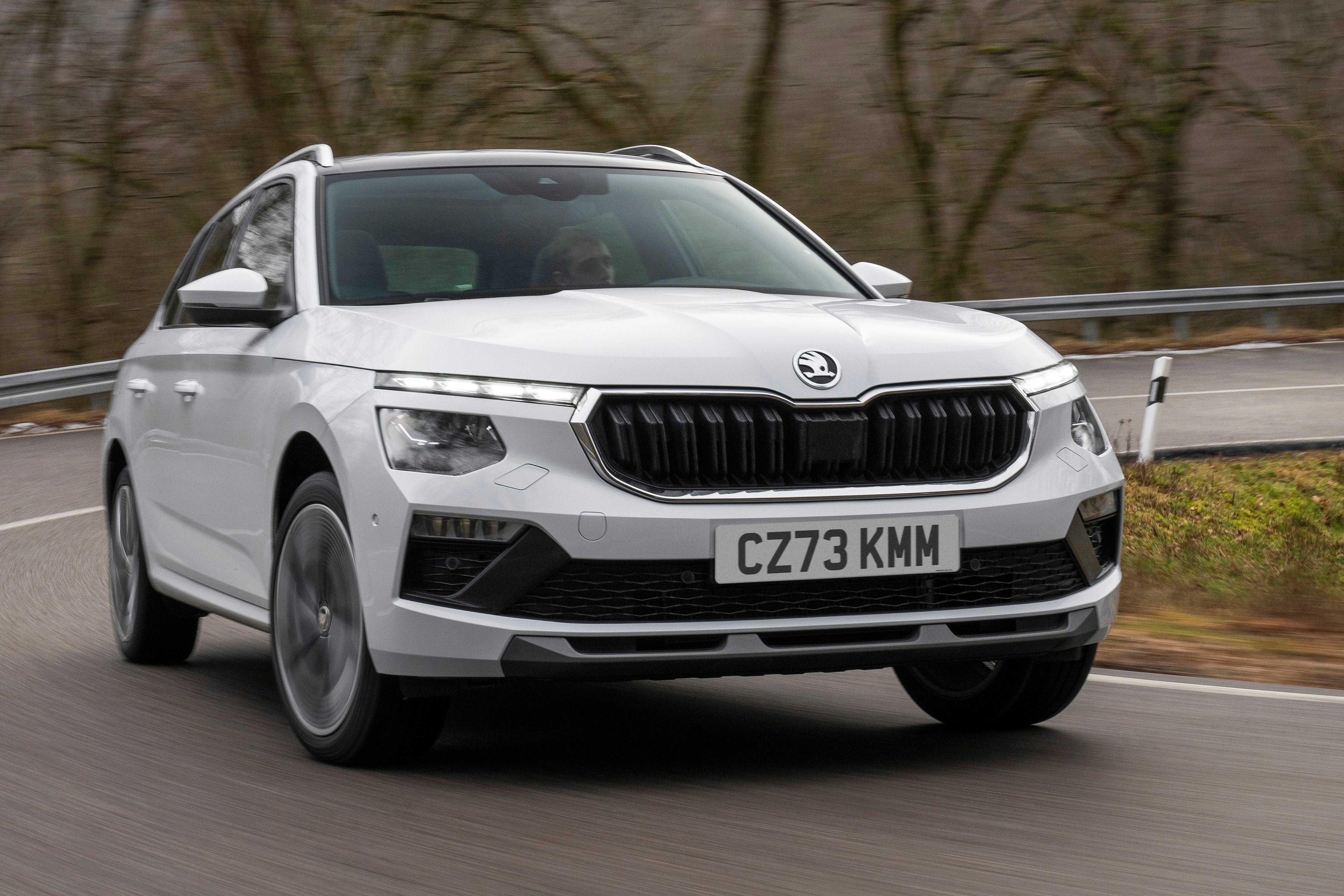
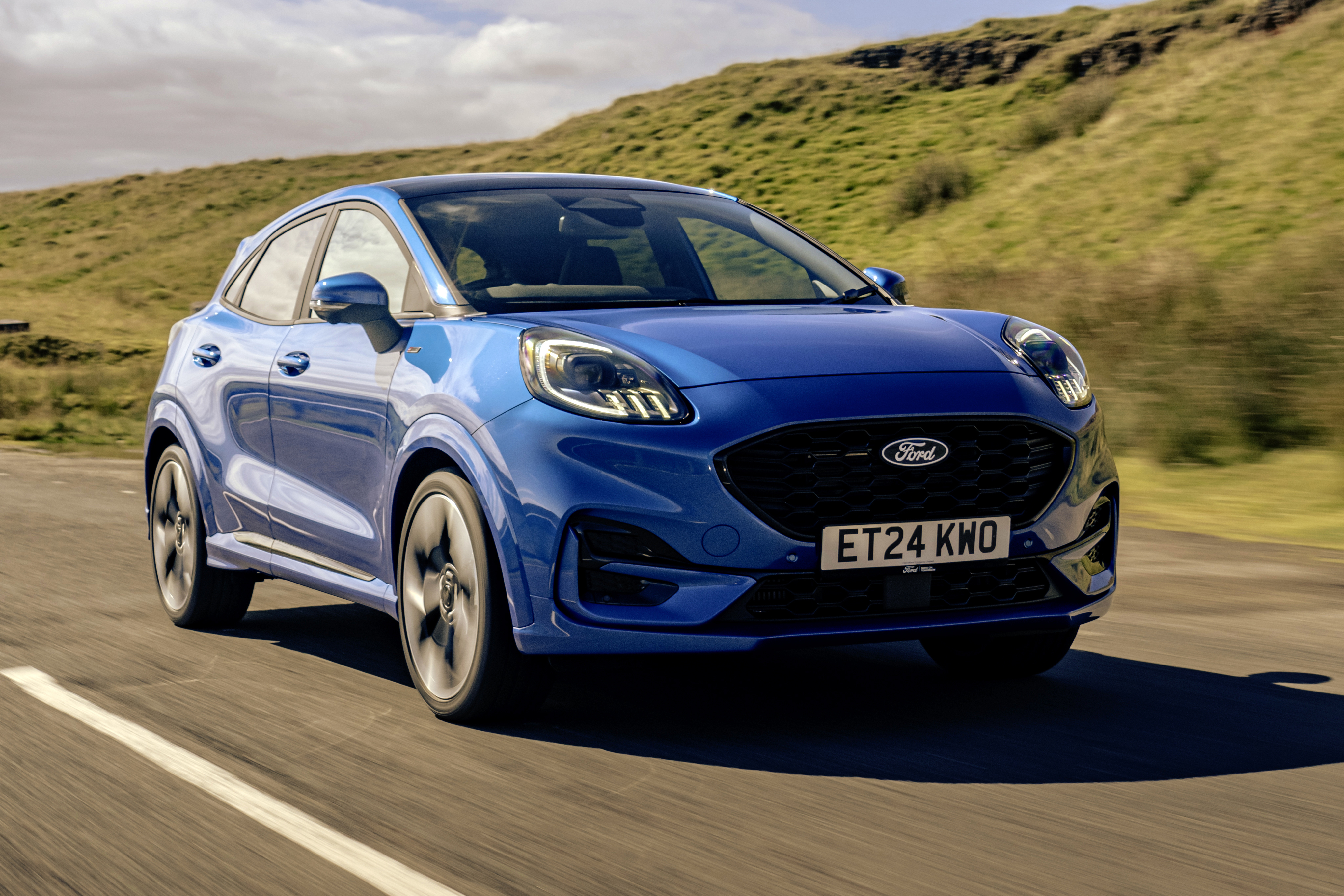
The Mokka’s biggest strength is that it doesn’t look like the default small-SUV choice. In a class crowded with worthy but often interchangeable alternatives, the Vauxhall stands out with its slim "Vizor" front end, crisp bodywork and strong colour combinations. That visual appeal gives it a real advantage because the small-SUV market is packed with talented rivals including the Ford Puma, the Renault Captur, the Skoda Kamiq, the Volkswagen T-Cross and the Peugeot 2008.
Inside, things are relatively straightforward. Every version gets a pair of 10-inch displays, with one serving as the digital instrument panel and the other handling infotainment. Apple CarPlay and Android Auto are standard, while Vauxhall has retained enough physical controls to make everyday functions easy to access.
The Mokka is compact even by small SUV standards. It measures just 4.15 metres long, which makes it easy to manoeuvre around town, although that inevitably limits rear passenger and luggage space. The petrol and hybrid versions provide 350 litres of boot capacity.
This review focuses on the petrol and hybrid versions of the Mokka. The fully electric model is covered separately in our Vauxhall Mokka Electric review.
There are three petrol-based powertrains to choose from. The 1.2 Turbo 136PS comes with a six-speed manual gearbox, while a 130PS version is paired with an eight-speed automatic. The most economical option is the Hybrid 145PS, which combines the 1.2-litre petrol engine with a small electric motor and six-speed dual-clutch automatic gearbox. It can travel for short periods using electric power alone at low speeds and returns up to 58.9mpg.
The Mokka is easy rather than exciting to drive. Its light steering suits urban use well and there’s enough performance whichever engine you choose, although the ride can become busy on rougher surfaces. It therefore makes the most sense as a stylish and manageable everyday SUV rather than the most practical or dynamically accomplished car in its class.
What's the best Vauxhall Mokka trim and engine option?
For most buyers, the best Vauxhall Mokka is the GS Hybrid 145PS. The hybrid makes the strongest all-round case because it combines the quickest performance in the mainstream range with the best fuel economy. It returns up to 58.9mpg and uses an automatic gearbox, making it particularly easy to drive in town.
GS is also the most appealing trim balance. It adds 18-inch alloy wheels, sportier exterior detailing, front and rear parking sensors, a panoramic reversing camera, blind-spot monitoring, keyless entry and ambient lighting without taking the price as high as Ultimate.
The 136PS manual petrol is a good alternative if you want to spend less. It’s punchy, relatively economical and simpler than the hybrid. There’s also a 130PS petrol with an eight-speed automatic, but it’s less economical than either alternative and costs more than the manual.
What’s the price of the Vauxhall Mokka?
The Vauxhall Mokka starts at £26,545 for the YES 1.2 Turbo 136PS manual. The 130PS automatic costs £28,200, while the YES Hybrid 145PS is £29,140.
GS starts at £27,505 with the manual engine, rising to £29,160 for the automatic and £30,090 for the Hybrid. Ultimate costs £29,755 as a manual, £31,410 with the conventional automatic and £32,340 as a Hybrid. hat puts the Mokka broadly in line with mainstream small-SUV rivals, although higher-spec versions aren’t especially cheap.
Alternatives to the Vauxhall Mokka
The Skoda Kamiq is one of the Mokka’s strongest rivals because it’s roomy, comfortable and extremely easy to live with. It doesn’t have the Vauxhall’s visual flair, but it makes a much stronger practicality case. The Volkswagen T-Cross is similarly sensible, with good passenger space and a flexible interior.
The Ford Puma is the one to choose if driving enjoyment matters. It’s sharper through corners and offers much more luggage capacity, while the Renault Captur combines distinctive styling with a sliding rear bench and an excellent full-hybrid option, making it particularly strong for family use. The Peugeot 2008 shares much of the Mokka’s underlying engineering but takes a more dramatic approach to cabin design. Its unusual driving position won’t suit everybody. The Hyundai Kona is another strong option if you want more space and a broad range of powertrains.
What's the interior like in the Vauxhall Mokka?
The Mokka has a smart, angular cabin built around twin 10-inch displays, with a digital instrument panel and central touchscreen. Apple CarPlay and Android Auto are standard, while physical controls for frequently used functions make the dashboard easier to operate than many touchscreen-heavy rivals.
The driving position is comfortably raised and front-seat space is good, although the rear feels tighter. Material quality is respectable rather than class-leading, with plenty of harder plastics alongside more attractive trim pieces. Visibility forwards is good, but the thick rear pillars make parking sensors and the reversing camera particularly useful.
Vauxhall Mokka boot space and practicality
The Vauxhall Mokka prioritises compact dimensions and styling over maximum family practicality, and that becomes particularly obvious when you compare it with roomier small SUVs. There’s plenty of room in the front for two adults, while the raised driving position gives you a good view forwards. The near-horizontal bonnet also makes the car easy to place on the road. Storage is reasonable, with door bins, cupholders and a centre console for everyday odds and ends.
Rear-seat accommodation is less impressive. Two adults can fit comfortably enough for shorter journeys, but taller passengers may find knee and headroom restrictive behind similarly tall people in the front. Three adults across the back is a squeeze.
The boot holds 350 litres with the rear seats upright, which is smaller than the luggage areas in cars such as the Skoda Kamiq, the Renault Captur and the Ford Puma. The figure only tells part of the story, though. The boot itself is usefully square and relatively wide, without much intrusion from the wheelarches. A movable boot floor can also reduce the loading lip. Fold the 60:40-split rear seats and maximum capacity increases to 1,105 litres.
There’s no sliding rear bench, which limits the Mokka’s versatility compared with a Renault Captur or the Volkswagen T-Cross. You can’t sacrifice a little rear legroom when you suddenly need extra boot capacity.
Overall, the Vauxhall Mokka works well for couples, smaller families and urban use, but buyers regularly carrying adults in the back or lots of luggage will find more accommodating alternatives.
Vauxhall Mokka dimensions
The Vauxhall Mokka measures 4,150mm long, 1,791mm wide (1,987 including mirrors) and 1,534mm high, with a wheelbase of 2,557mm, making it compact even by small-SUV standards. It’s shorter than a Ford Puma, a Renault Captur or a Skoda Kamiq, which helps explain why it feels so manageable around town.
The trade-off is interior space. Rear passengers and luggage get less room than in many rivals, despite the chunky SUV styling. However, Its relatively small footprint makes the Mokka particularly well suited to tight urban streets and ordinary parking spaces.
Tech and infotainment in the Vauxhall Mokka
Every Vauxhall Mokka gets a 10-inch digital instrument display and 10-inch central touchscreen, giving the dashboard a clean, modern appearance. The infotainment system includes DAB radio, Bluetooth and smartphone integration through Apple CarPlay and Android Auto. The menus are reasonably straightforward to understand, although responses aren’t as slick as the best systems in the class. Renault’s Google-based setup in the Captur feels quicker and more sophisticated, for example.
Fortunately, Vauxhall hasn’t forced every function onto the touchscreen. There are physical controls and shortcut buttons for frequently used features, which makes things such as climate adjustments much easier while driving.
The YES trim comes generously equipped, with front and rear parking sensors, a 180-degree reversing camera, blind-spot monitoring, keyless entry and ambient lighting. GS adds its own sportier appearance and retains the useful parking and assistance equipment. Ultimate brings the most sophisticated technology, including Intelli-Lux Matrix LED headlights, adaptive cruise control, built-in navigation and wireless phone charging.
The overall setup works well. It may not provide the most spectacular infotainment experience in the class, but the combination of clear screens, conventional controls and standard smartphone connectivity means it’s easy enough to use every day.
Materials available on the Vauxhall Mokka
The Vauxhall Mokka’s cabin mixes some attractive design details with fairly ordinary materials. The angular dashboard, integrated displays and coloured or metallic-effect trim help give it more visual interest than many small SUVs, but harder plastics are easy to find lower down and around the doors.
The YES trim uses fabric made partly from recycled PET, while its black headlining and contrasting trim help give the interior a slightly sportier atmosphere. GS brings its own darker trim treatment and sports-inspired detailing. Ultimate feels the most sophisticated, with ReNewKnit upholstery made from recycled materials, vegan-leather-effect bolsters and additional comfort equipment.
Build quality feels solid enough, but a Peugeot 2008 offers a more distinctive premium-style cabin, while some rivals use softer materials in more places.
What's the Vauxhall Mokka like to drive?
The Vauxhall Mokka is straightforward and easy to drive, with light steering and compact dimensions that make it particularly well suited to town. All three engines provide decent performance, with both petrol versions reaching 62mph in 8.9 seconds and the Hybrid cutting that to 8.2 seconds.
Ride comfort is generally acceptable, although sharper bumps and poor surfaces can make the Mokka feel unsettled, particularly on larger wheels. The handling is secure rather than entertaining, with predictable responses and plenty of grip. The Hybrid suits urban driving best, offering smooth automatic progress and short periods of electric-only running at low speeds.
Vauxhall Mokka range and performance
There are three petrol-based powertrains in the current Mokka range.
The 1.2 Turbo 136PS is the simplest. It’s a three-cylinder turbocharged petrol engine producing 230Nm and driving the front wheels through a six-speed manual gearbox. Vauxhall quotes 0–62mph in 8.9 seconds and a 129mph maximum speed.
If you want a conventional automatic, there’s a 130PS version of the same 1.2-litre engine paired with an eight-speed gearbox. It also reaches 62mph in 8.9 seconds, although maximum speed falls slightly to 126mph.
The most sophisticated option is the Hybrid 145PS e-DCT6. This combines a 1.2-litre petrol engine with a 28PS electric motor incorporated into a six-speed dual-clutch automatic gearbox. The electric motor can propel the Mokka for short distances on its own when power demands are low, particularly when manoeuvring or driving slowly through town. Regenerative braking replenishes the small 48V battery. Total output is 145PS, while 0–62mph takes 8.2 seconds, making it the quickest mainstream version.
There isn’t a huge performance difference between them in normal driving. The manual feels lively enough, while the conventional automatic offers convenience at the expense of some fuel economy.
For most buyers, the Hybrid is the strongest choice because it combines the smoothness of an automatic with better economy and stronger low-speed response.
Performance data
| Model | Engine/battery size | Power | 0-62mph | Range/MPG |
|---|---|---|---|---|
1.2 Turbo manual | 1.2-litre manual | 136PS | 8.9 seconds | Up to 50.4mpg |
1.2 Turbo automatic | 1.2-litre automatic | 130PS | 8.9 seconds | Up to 46.3mpg |
Hybrid e-DCT6 | 1.2-litre automatic | 145PS | 8.2 seconds | Up to 58.9mpg |
Vauxhall Mokka driving and refinement
The Vauxhall Mokka is straightforward and easy to drive. Around town, the steering is light enough to make urban life painless, while the compact dimensions give it a nimble, easy-to-place feel. Visibility forwards is good and the squared-off bonnet helps you judge where the corners of the car are. Parking is also straightforward thanks to the sensors and camera fitted across the current range.
Ride comfort is decent enough at lower speeds, though the Mokka can get flustered if you hit sharper ridges or broken tarmac at pace. The 18-inch wheels fitted across much of the range don’t help matters, and mean it isn’t as settled as the best comfort-focused rivals. A Skoda Kamiq is more forgiving, while a Ford Puma manages to combine better body control with a more engaging driving experience. The steering provides enough accuracy to inspire confidence but little real feedback, and body roll is well controlled without making the car feel particularly sporty.
Refinement depends partly on the engine. The 136PS manual is relatively smooth for a three-cylinder petrol but becomes audible when worked hard. The conventional 130PS automatic is similarly competent but doesn’t offer a major refinement advantage.
The Hybrid is at its best around town. Its electric motor can take over briefly at low speeds and helps the Mokka pull away smoothly, while the petrol engine cuts in without too much fuss.
At motorway speeds all three versions settle down reasonably well, although road and wind noise prevent the Mokka from feeling especially refined.
How safe is the Vauxhall Mokka?
Independent safety organisation Euro NCAP awarded the Vauxhall Mokka four stars when it tested the car in 2021, which isn’t disastrous, but plenty of newer rivals have stronger safety credentials. It scored 73% for adult occupant protection, 75% for children, 58% for vulnerable road users and 64% for safety assistance.
Current cars come with autonomous emergency braking, lane-keeping assistance, traffic-sign recognition and driver-attention monitoring. The YES trim also includes blind-spot monitoring, while Ultimate adds adaptive cruise control, enhanced autonomous emergency braking with cyclist detection and lane-positioning assistance on automatic versions.
Running costs: What it's like to live with a Vauxhall Mokka
The Mokka’s running costs are competitive, particularly with the Hybrid 145PS, which returns up to 58.9mpg and has the lowest CO2 emissions in the range. The 136PS manual petrol can manage up to 50.4mpg, while the 130PS automatic drops to 46.3mpg.
Servicing is annual, although mileage intervals vary by engine, and Vauxhall provides a three-year/60,000-mile warranty. Insurance groups are reasonable for a small SUV and every petrol or hybrid Mokka sits comfortably below the Expensive Car Supplement threshold.
Vauxhall Mokka fuel economy
The Vauxhall Mokka Hybrid 145PS is the clear economy choice, with an official combined figure of 58.9mpg, which makes it particularly attractive for drivers doing plenty of urban or mixed-road driving, where the electric motor has more opportunities to assist or briefly propel the car on its own.
The 136PS manual petrol returns between 49.6 and 50.4mpg, making it a respectable lower-cost alternative. The 130PS automatic is less efficient at 46.3mpg.
For company-car drivers, the 2026/27 Benefit-in-Kind rates are 27% for the Hybrid, 31% for the manual and 33% for the conventional automatic.
Vauxhall Mokka warranty and servicing
The Vauxhall Mokka comes with Vauxhall’s three-year/60,000-mile warranty. Mileage is unlimited during the first year, with the 60,000-mile limit applying across years two and three.
Servicing intervals depend on which engine you choose. The 136PS manual petrol and 145PS Hybrid require servicing every 12 months or 16,000 miles, whichever comes first. The 130PS eight-speed automatic requires attention every 12 months or 12,500 miles. That annual schedule is fairly conventional for the class.
Vauxhall Mokka insurance groups
Insurance ratings for current petrol and hybrid Mokka models sit at around groups 21 to 23 (of 50), depending on the exact engine and trim. The petrol versions generally occupy the lower end of that spread, while the Hybrid’s additional electrical hardware and higher purchase price push some versions into group 23. That’s fairly typical for a modern small SUV rather than exceptionally cheap.
How much does it cost to tax a Vauxhall Mokka?
Vauxhall Mokka owners will pay the standard annual Vehicle Excise Duty (VED or road tax) rate after year one, which is £200. The current Mokka range stays below the £40,000 threshold in standard petrol and hybrid form, so there is no Expensive Car Supplement to worry about.
What trims are available with the Vauxhall Mokka?
The Mokka line-up initially consisted of Griffin, GS and Ultimate, but Griffin has since been replaced by the YES trim.
Despite being the entry point, YES comes with plenty of equipment, including 18-inch alloy wheels, LED lighting, a contrasting black roof, heated front seats, a heated steering wheel and twin 10-inch displays. There are also front and rear parking sensors, a 180-degree reversing camera, blind-spot monitoring, ambient lighting and keyless entry and start. It’s available with all three petrol and hybrid powertrains and makes a strong value case.
GS gives the Mokka a sportier appearance with black exterior detailing and its own 18-inch alloy-wheel design. It also gets upgraded interior trim and retains the useful parking and assistance equipment.
Ultimate focuses more heavily on comfort and technology. It adds Intelli-Lux Matrix LED headlights, adaptive cruise control, enhanced autonomous emergency braking, built-in navigation, wireless phone charging and additional seat adjustment, including lumbar support and a massage function for the driver.
Ask the Drive experts: common questions
Is the Vauxhall Mokka a good small SUV?
Which Vauxhall Mokka is best?
Is the Vauxhall Mokka Electric reviewed separately?
Does the Vauxhall Mokka get the Expensive Car Supplement?
Get our latest advice, news and offers
Keep me updated by email with the latest advice, news and offers from Drive.
.jpg)
.jpg)
.jpg)