Volkswagen T-Roc (2018-2026) Review

Written By Andrew Brady
What we love
Practical cabin with a useful boot
Comfortable and spacious small SUV with soft suspension
Wide spread of engines and trims on the used market
Things to consider
The 1.0 TSI is better suited to lighter-duty use
No hybrid option in the regular range
Later cars have the more modern infotainment setup
The DRIVE take on the Volkswagen T Roc, is it the right car for you?
The previous-generation Volkswagen T-Roc still makes a strong used case if you want a small SUV that feels more polished and grown-up than many alternatives. It is comfortable, roomy enough for family life and easy to get along with, while later facelifted cars in particular feel much more convincing inside than earlier versions. It is not the cheapest option in this class, and it is not the most engaging to drive, but if you want a small SUV that majors on comfort, refinement and all-round usability, the old T-Roc still works very well.
The Volkswagen T Roc in more detail
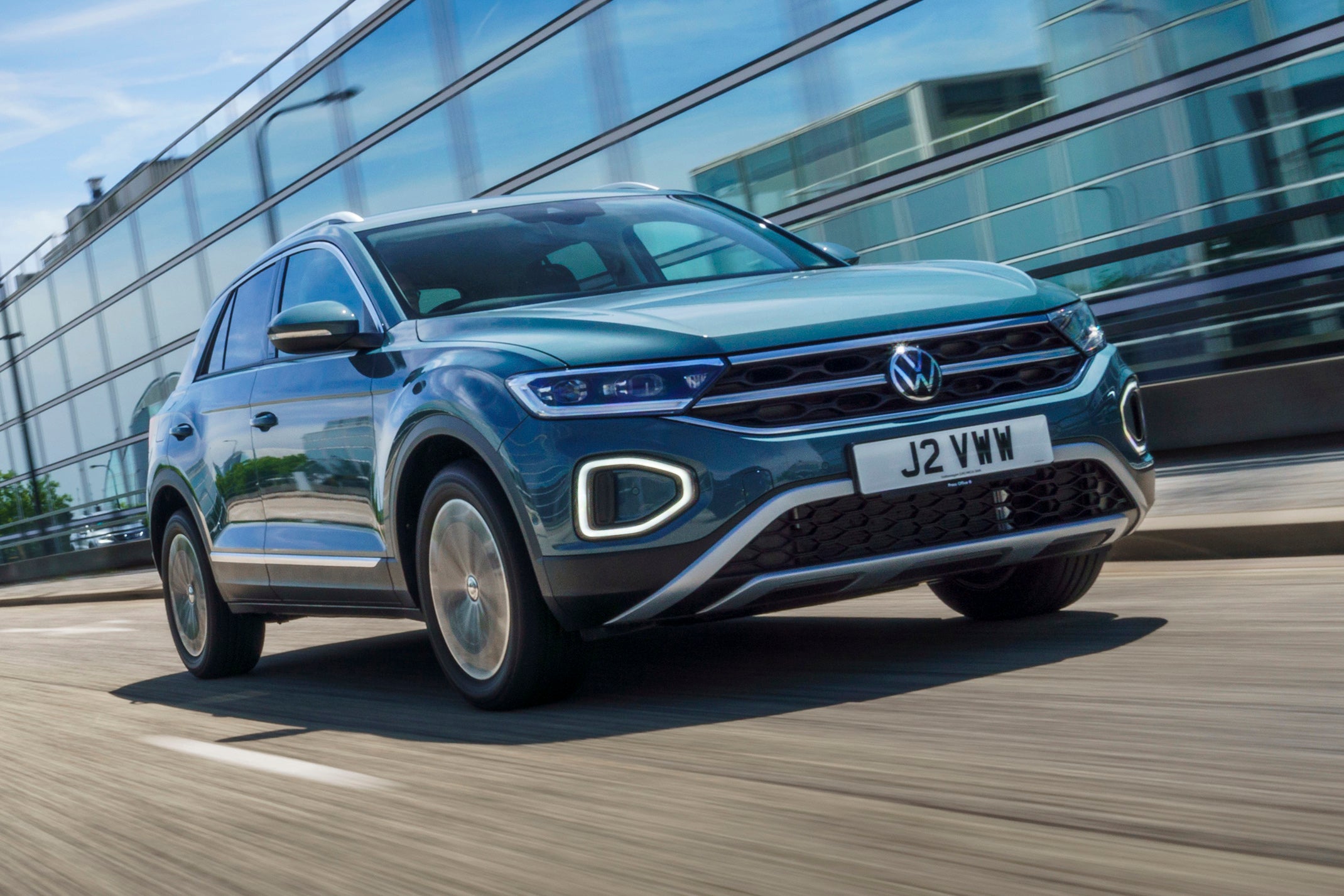
The original Volkswagen T-Roc arrived as the SUV answer to the Golf, and that description has always made a lot of sense. It took much of the familiar Volkswagen approach of sensible road manners, easy usability and broad appeal, then added the higher driving position and chunkier styling buyers wanted.
That formula still works. The T-Roc remains one of the more rounded small SUVs of its era, because it does not lean too hard into sportiness, faux ruggedness or gimmicky design. Instead, it focuses on being comfortable, practical and straightforward to live with.
The key used-buy divide is between early cars and the facelifted model introduced in 2022. Early T-Rocs are still easy enough to recommend in the right trim, but they never quite delivered the cabin quality buyers expected from a Volkswagen at this price point. The 2022 update improved materials, technology and the overall impression inside, which makes later cars feel much more convincing.
This is important because the T-Roc was never especially cheap new. As a used buy, though, it starts to make much more sense. Depreciation has taken the edge off those strong list prices, and what you are left with is a stylish, comfortable and well-rounded small SUV that still feels more substantial than many rivals.
There is also plenty of choice. Buyers can pick from the little 1.0 TSI, the popular 1.5 TSI, diesel options and the pricier four-wheel-drive models, while the hot T-Roc R and T-Roc Cabriolet sit further out as more specialist propositions. For most people, the mainstream versions are where the strongest used value lies. Looking for the new car? Take a look at our Volkswagen T-Roc review.
What's the best Volkswagen T Roc trim and engine option?
For most used buyers, the sweet spot is a 1.5 TSI in Life, Match, Style or an earlier SE-equivalent trim, depending on age. It is the engine that best suits the T-Roc’s character, offering enough shove for motorway work without feeling thirsty or overcomplicated.
The 1.0 TSI is better than its modest size suggests and is worth considering if your budget is tight or your driving is mostly urban, but the 1.5 feels more effortless and is usually the better long-term choice.
If you cover bigger mileages, the 2.0 TDI still makes sense. It is a better fit than the older 1.6 TDI, which can feel a bit sluggish and unrefined by comparison. As for trim, later facelifted Life, Match and Style cars are usually the best places to start, because they feel more complete and more polished than the earliest entry-level models.
What’s the price of the Volkswagen T Roc?
Used Volkswagen T-Roc prices now start from around £12,000 for early cars, with facelifted 2022-on examples sitting higher and low-mileage, well-specced versions climbing further still.
That does mean the T-Roc remains relatively strong on the used market, but there is a reason for that. It has broad appeal, holds onto its value well and still feels current enough that buyers are willing to pay a bit more for a good one.
The flipside is that you need to be a little choosy. If your budget stretches to a facelifted car, it is usually worth doing so, because the improvement in cabin quality alone makes the newer version easier to justify.
Alternatives to the Volkswagen T Roc
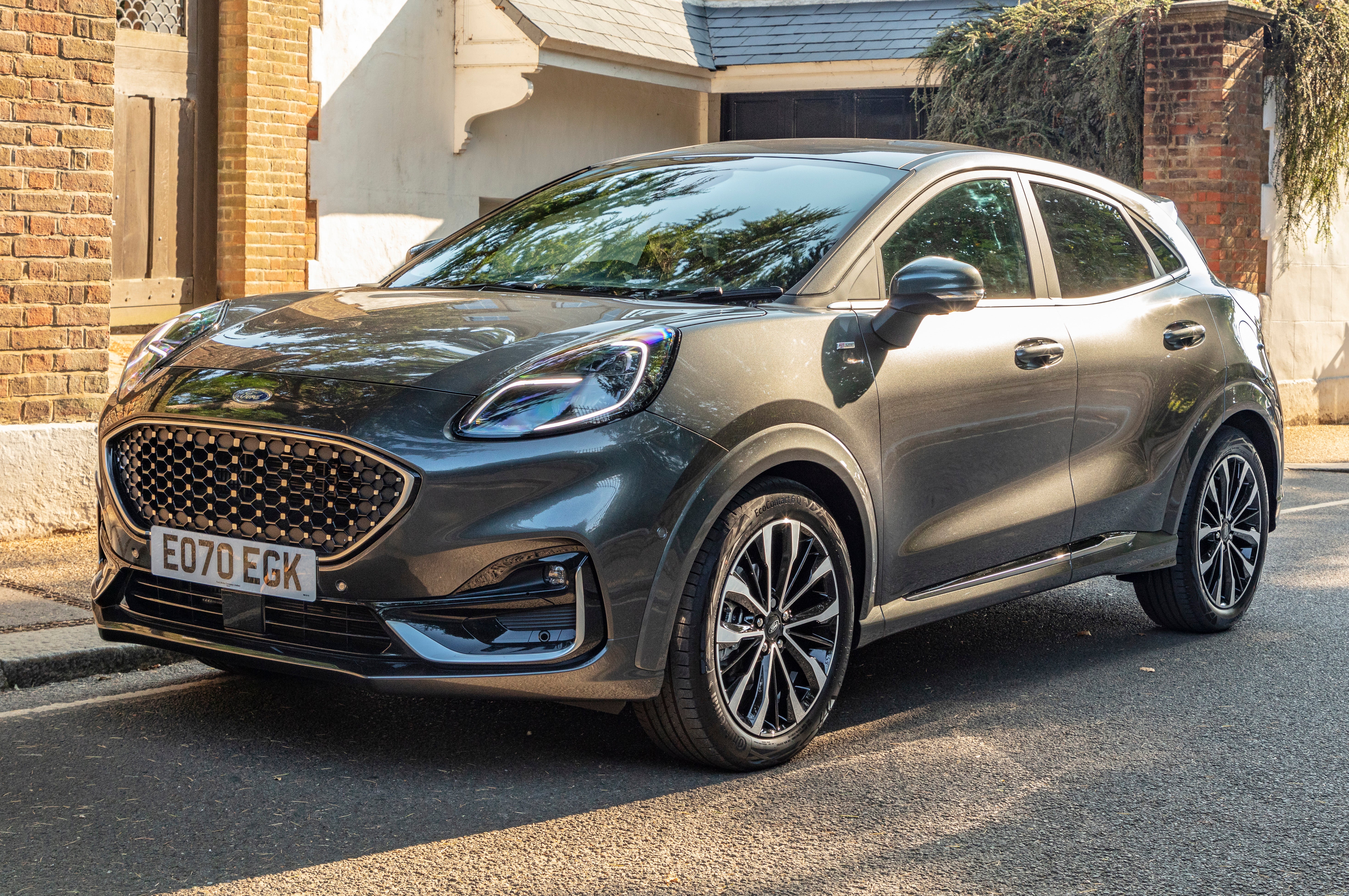
The Ford Puma is one of the clearest alternatives. It is more fun to drive and very cleverly packaged, but it is not quite as comfortable as the T-Roc and does not feel quite as mature on a long run.
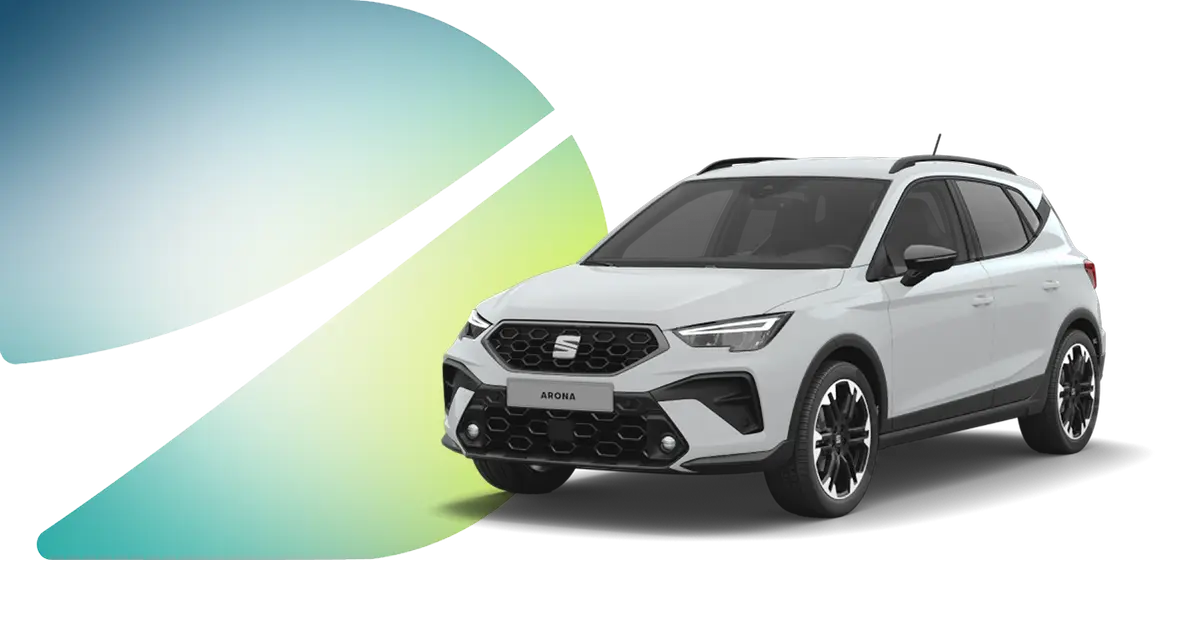
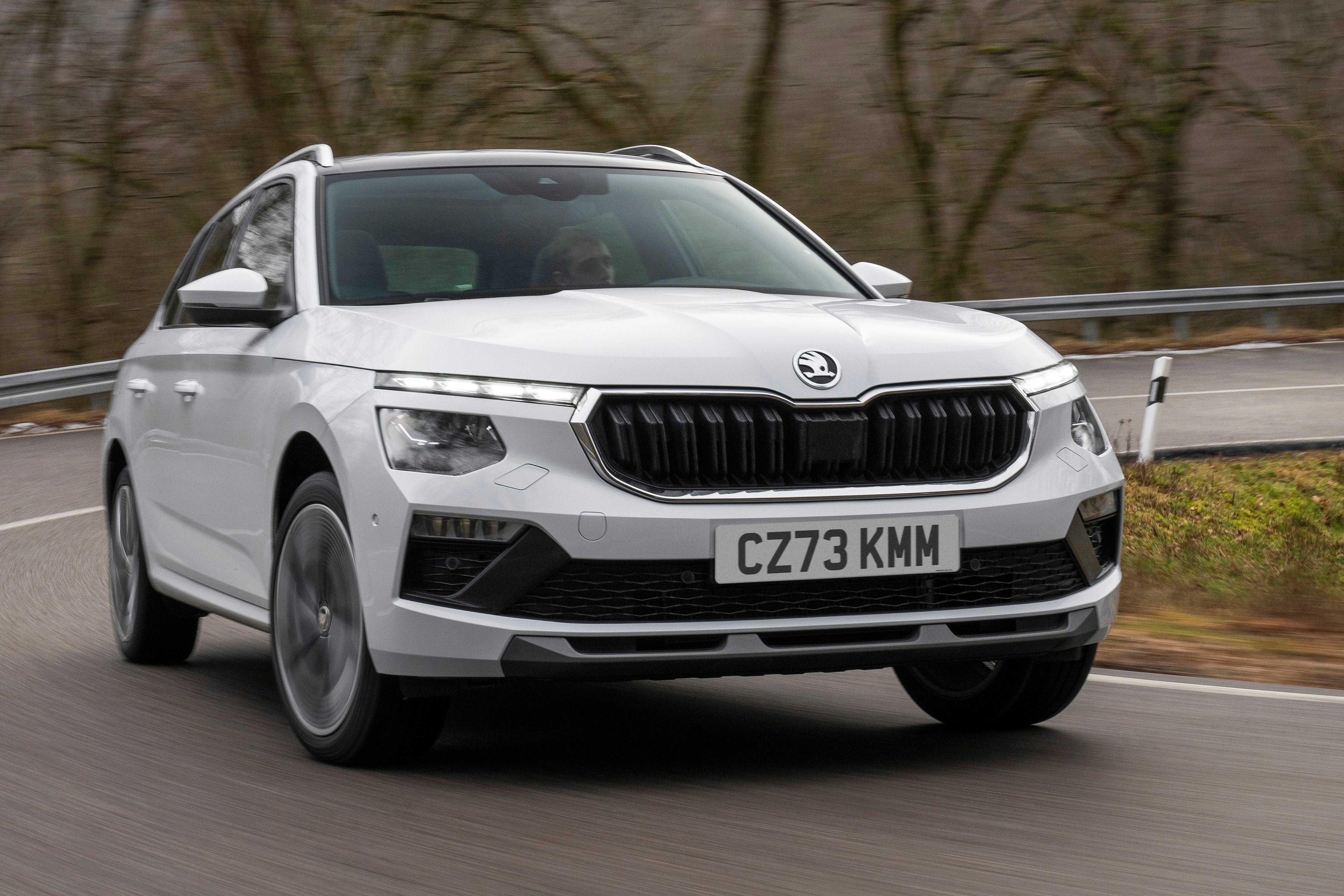
The Mazda CX-30 is another strong rival if you want a more upmarket cabin, while the SEAT Arona and Skoda Kamiq offer slightly cheaper alternatives from within the wider Volkswagen stable.
If efficiency matters more, the Toyota Yaris Cross and Honda HR-V are strong hybrid alternatives. The T-Roc’s advantage is that it feels like a very rounded middle ground between comfort, practicality and desirability.
What's the interior like in the Volkswagen T Roc?
The Volkswagen T-Roc’s interior depends quite a lot on age and trim. Later facelifted cars feel much more convincing, while earlier versions can look and feel cheaper than you might expect from the badge.
Volkswagen T Roc boot space and practicality
The Volkswagen T-Roc might be smaller than conventional family SUVs like the SEAT Ateca and Nissan Qashqai, but it’s not far off in terms of practicality.
For a start, the Volkswagen T-Roc's boot capacity is capable of lugging up to 445 litres of stuff (sorry, we mean your prized possessions). That drops to 392 litres if you buy a four-wheel-drive T-Roc. That compares well to the likes of the SEAT Arona (400 litres), Mazda CX-30 (430 litres) and Kia XCeed (426 litres), although the Honda HR-V (470 litres) and Ford Puma (468 litres) pip it in this respect.
It’s a nice shape, if a boot can be such a thing: usefully square, without too many intrusions. A false boot floor reduces the amount of lip for lifting heavy items over, while there’s even space for a space-saver spare wheel. That’s a useful thing and not one that can be taken for granted in the age of the tyre repair kit.
In terms of accommodating people, the T-Roc is a very spacious car. A pair of adults in the front won’t find themselves bashing elbows all the time thanks to a decently wide cabin. There’s a huge amount of headroom, too, while the door pockets are usefully large. The cup holders are big enough to handle a pair of takeaway coffees and there’s a handy cubby box underneath the front armrest. Most T-Roc models even come with a drawer under the driver’s seat.
There’s a surprising amount of room for rear passengers in the Volkswagen T-Roc, too. You'll fit a pair of adults almost as comfortably as you will in a Golf (albeit with slightly less legroom), and the T-Roc’s wide dimensions mean there’s more room for a middle passenger than usual. Having said that, you will sit perched slightly higher than other rear occupants, and it’s still going to be fairly cramped back there with three people in the rear seats.
There are ISOFIX child-seat mounting points fitted to the outer rear seats. These are easy to get at, and the T-Roc’s relatively high rear seat and wide-opening rear doors help, too.
Volkswagen T Roc dimensions
The Volkswagen T-Roc measures 4,236mm long, 1,819mm wide and 1,559mm high. That gives it a footprint that is larger than the smallest SUVs in the class, but still compact enough to live with easily.
In everyday use, that makes the T-Roc feel like a good middle ground. It is roomy enough inside without ever becoming awkward to park or thread through town.
Tech and infotainment in the Volkswagen T Roc
All T-Rocs come with an 8.0-inch infotainment display. Even the most affordable models don’t come with a small display surrounded by drab plastic where you’d ordinarily find a big navigation system.
The standard system used on the early Volkswagen T-Roc S covered all the basics but little more: it featured DAB radio, you could connect your phone via Bluetooth and there was even a CD player. The T-Roc SE added App Connect, with Apple CarPlay and Android Auto. That’s a good thing, as it can mirror apps from your phone onto the car’s infotainment system.
High-spec models came with navigation, pre-loaded with European mapping data. We’d rather use Google Maps via our phone, but in-built navigation’s a good idea if you’re precious about your data.
The infotainment offerings changed with the T-Roc's mid-life facelift in 2022. You still get an 8.0-inch touchscreen display, but it's now higher up on the dashboard as is the current trend. It's an easy and intuitive system to use, although we still prefer systems with a rotary controller like with in the Mazda CX-30.
Materials available on the Volkswagen T Roc
The Volkswagen T-Roc was originally a bit of a mixed bag in terms of interior quality and finish, unfortunately. Don’t get us wrong, it's proving to wear very well and we’d be surprised to find one afflicted with rattles and creaks a few years down the line. However, it just doesn’t feel quite as plush as we’re accustomed to from Volkswagen, with some surprisingly non-premium plastic finishes and hard materials.
The original entry-level S model feels particularly cheap, lacking a leather-wrapped steering wheel or gear lever, and little to lift the cabin. These are areas that are addressed in the later Life base model. The Design model - on sale up to the start of 2022 - with its flashy dashboard inserts looks (and feels) a fair bit smarter.
No T-Roc has leather seats as standard, although they were an option on most models. We’d pay good money for a T-Roc with these on the used market as they feel significantly plusher than the standard cloth seats.
Things improved when the 2022 Volkswagen T-Roc went on sale, with its plusher dashboard design and fewer flimsy finishes. It's still not as posh as an Audi Q2, but it's a lot more satisfactory than it was before.
What's the Volkswagen T Roc like to drive?
Volkswagen T Roc range and performance
The best engine for most buyers is actually the most popular. It’s the 1.5 TSI petrol engine, which packs 150PS and is available with a six-speed manual or seven-speed DSG automatic gearbox. It's got more than enough grunt for overtaking, while also being efficient and refined. Unless you cover mega miles (in which case, get a diesel), it’s probably the perfect choice for you.
If you’re on a budget, you might notice the little 1.0 TSI coming up a lot in your search. Don’t be put off by its diminutive size: it’s a little turbocharged three-cylinder engine that provides surprisingly sprightly performance. Sure, it starts to run out of puff at motorway speeds, but it’s ace around town. It won't prove significantly more economical than the 1.5, however.
There was also a 2.0 TSI unit that came with 4Motion four-wheel-drive. Unless you really, really want 190PS and four-wheel drive, it’s not really worth the drop in efficiency. Sure, it’s fun, but you’d be better looking for the properly hot 300PS T-Roc R if you want performance car thrills.
Despite their bad press, diesels still suit a lot of drivers. If you cover a lot of miles out of town, look for one of the T-Roc TDIs. The 1.6 TDI was the entry-level diesel and, frankly, it feels it with sluggish performance that’ll have you pulling your hair out when you want to join a motorway.
The 2.0 TDI is much better. With 150PS, it requires a lot less effort to drive, while it was initially offered with four-wheel-drive.
In terms of choosing between manual or automatic gearboxes, it comes down to personal preference. Neither are bad choices, although we think the DSG automatic transmission suits the T-Roc well. It responds quickly, although no one buys a car like this because they want to hustle the gearbox...
Performance data
| Model | Engine/battery size | Power | 0-62mph | Range/MPG |
|---|---|---|---|---|
1.0 TSI manual | 1.0-litre petrol | 110PS | 10.8 seconds | 47.5mpg |
1.5 TSI manual | 1.5-litre petrol | 150PS | 8.6 seconds | 47.3mpg |
1.5 TSI DSG | 1.5-litre petrol automatic | 150PS | 9.6 seconds | 42.6mpg |
1.6 TDI manual | 1.6-litre diesel | 115PS | 10.9 seconds | 53.4mpg |
2.0 TDI manual | 2.0-litre diesel | 150PS | 8.7 seconds | 52.6mpg |
2.0 TDI DSG | 2.0-litre diesel | 150PS | 8.8 seconds | 60.7mpg |
2.0 TSI DSG 4Motion | 2.0-litre petrol automatic four-wheel drive | 190PS | 7.2 seconds | 34.4mpg |
Volkswagen T Roc driving and refinement
Higher-spec Volkswagen T-Roc models with bigger wheels feel a bit firmer, but they’re not overly harsh. You’ll have to be prepared to slow down a bit more for speed bumps if you buy a T-Roc R-Line with its lowered sports suspension (also offered as an option on lesser models), but even this is on the acceptable side of firmness.
Some T-Rocs have adaptive dampers (known as Dynamic Chassis Control, in Volkswagen speak, and part of the Sports Pack). These are an option when new, and give the driver the choice of three suspension settings: Sport, Comfort and Normal. It’s a nice feature to have, but one we wouldn’t pay a great deal extra for.
Whichever suspension the Volkswagen T-Roc of your desire has, it’ll put comfort over outright nimbleness. In plain English, no T-Roc is as fun to throw around as the Ford Puma, and even the very similar SEAT Arona feels a bit more agile.
Still, the T-Roc feels planted and safe, which is what most small SUVs buyers want. The steering’s light, which makes it easy to negotiate city streets, and you get a better view than you do in many small SUVs (although it’s not exactly a Range Rover-like commanding driving position).
All but the cheapest T-Rocs come with front- and rear parking sensors, which are very useful when parking, while some will feature a rear-view camera: that’s offered as an option when new. From 2022 on, all-round parking sensors became standard across the T-Roc range.
Like the Golf hatch (and most Volkswagen models, for that matter), the Volkswagen T-Roc does a superb job of isolating you from the outside world. There’s not a great deal of noticeable wind noise (despite its bluff shape) while road noise is also well-hushed, particularly on smaller wheels with chunky tyres.
Some engines are a little more vocal than others, but neither are particularly thrashy. The 1.0 TSI petrol sounds a little coarse when you work it hard (something you’ll find yourself doing a lot if you want to get anywhere out of town), so the 1.5 TSI petrol’s a better option if you’re concerned about noise levels.
The diesels are typically a little rumbly, especially the 1.6 TDI. The 2.0 TDI diesel is better although, like the 1.5 TSI, this is partly because it requires less effort to get it moving.
Whichever engine you pick, you won’t really notice any significant vibration through any of the controls. It’s almost like Volkswagen invests a lot of money making sure that doesn’t happen...
How safe is the Volkswagen T Roc?
The Volkswagen T-Roc carries a five-star Euro NCAP rating and came with a solid level of active safety equipment even in more basic trims.
Later facelifted cars gained stronger standard assistance kit again, including adaptive cruise control across the range. As ever with a used car, it is worth checking the exact equipment on the car you are considering.
Running costs: What it's like to live with a Volkswagen T Roc
The Volkswagen T-Roc should be fairly straightforward to live with as a used car if you choose the right engine and buy carefully. Fuel economy is respectable, insurance is manageable on mainstream models and Volkswagen’s wide dealer network helps with support and parts.
Volkswagen T Roc fuel economy
Fuel economy is respectable rather than class-leading, but the mainstream engines generally make a decent case for themselves. The 1.0 TSI and 1.5 TSI are both efficient enough, while the 2.0 TDI is the stronger choice for drivers doing higher annual mileages.
Officially, the 1.5 TSI can return into the mid-to-high 40s mpg, while the 2.0 TDI can edge into the low 60s in the right conditions. Four-wheel-drive petrols are far less convincing if economy matters.
Volkswagen T Roc warranty and servicing
Any remaining manufacturer warranty will depend on the age of the car, but Approved Used examples remain the most reassuring place to start. Volkswagen Approved Used cars typically bring at least a minimum one year warranty package, one year roadside assistance, key cover, a multipoint inspection and history checks, which all add a useful layer of reassurance if you are buying a previous-generation T-Roc.
Volkswagen servicing runs on fixed or flexible schedules, and it is worth checking which regime your chosen T-Roc has followed.
Volkswagen T Roc insurance groups
Insurance depends on engine and trim, but lower-powered T-Roc versions still sit in a fairly manageable band for a small SUV.
The 1.0 TSI and old 1.6 TDI are the cheapest to insure, while the faster 2.0-litre and four-wheel-drive models push premiums higher. As always, get quotes before committing.
How much does it cost to tax a Volkswagen T Roc?
For most Volkswagen T-Roc examples registered on or after 1 April 2017, the ongoing standard VED rate is now £200 a year. If the car’s original list price was over £40,000, it would also have been liable for the Expensive Car Supplement in years two to six, taking the annual total to £640 during that period.
That matters most on T-Roc R models and some higher-spec R-Line versions, but it is still worth checking the original list price of any used car you are considering.
What trims are available with the Volkswagen T Roc?
The regular Volkswagen T-Roc range now consists of the Life, Match, Style and R-Line. The hot R performance model is a standalone trim.
The entry-level Volkswagen T-Roc Life is pretty comprehensively kitted out with LED headlights, an 8.0-inch Digital Cockpit, wireless App Connect through its 8.0-inch Ready 2 Discover infotainment system, a suite of driver assistance systems including Lane Assist, Adaptive Cruise Control and Front Assist, and 16-inch ‘Chester’ alloy wheels, black roof rails and interior ambient lighting.
Move to the Match and you get 17-inch alloy wheels, rear parking camera, rear privacy glass, and keyless entry and ignition.
The Volkswagen T-Roc Style adds the larger Digital Cockpit Pro, a Discover Media navigation infotainment system, sports comfort seats finished in ArtVelours microfleece, privacy glass from the B-pillar backwards; and LED ‘Plus’ headlights with different light modes for poor weather. From the outside, a bespoke rear bumper and 17-inch ‘Johannesburg’ alloy wheels mark out the Style from the rest of the new T-Roc range.
The sportier range-topping Volkswagen T-Roc R-Line features bespoke body styling, 17-inch ‘Valencia’ alloy wheels, sports suspension, silver roof rails and an interior featuring sportier elements such as a black roof lining and R-Line badging, and gloss black design trim in the dashboard. Over the equipment of the Life specification, the T-Roc R-Line also gains features such as progressive steering, selectable driving modes, stainless steel pedals, and other interior enhancements contributing to a sporty ambience.
Ask the Drive experts: common questions
What is the Volkswagen T-Roc?
Where is the Volkswagen T-Roc manufactured?
Is the Volkswagen T-Roc a 4x4?
What does T-Roc stand for?
Get our latest advice, news and offers
Keep me updated by email with the latest advice, news and offers from Drive.
.jpg)
.jpg)