Volkswagen Transporter (2020-2024) Review

Written By Andrew Brady
- 2020
- Medium van
- Diesel, petrol, electric
What we love
Still one of the most car-like vans of its era to drive
Smart, solid-feeling cabin with plenty of appeal
Wide spread of body styles and trims
Things to consider
Payload varies depending on version
Highline is the strongest all-round trim
The 150PS diesel is the best fit for mixed use
The DRIVE take on the Volkswagen Transporter, is it the right car for you?
The Volkswagen Transporter T6.1 remains a very convincing used medium van if you want a working vehicle that feels more polished, more refined and more car-like than most of its rivals. It was never the outright payload champion of the class and it still is not, but that misses the point slightly. What the Volkswagen Transporter T6.1 does so well is blend usability, quality and road manners into a van that feels easy to live with every day. If you want a used medium van that does not feel like a pure tool, the T6.1 still makes a very strong case.
The Volkswagen Transporter in more detail
The Volkswagen Transporter T6.1 was the final evolution of a long-running formula. It did not reinvent the Transporter in the way the newer model has, but it refined the T6 concept into something very complete. The styling changes were modest, the basic body stayed familiar, and the practical core did not shift dramatically, yet the van became more modern in just the right places.
The key update was the move to electromechanical steering and a broader spread of driver-assistance technology. That helped the Volkswagen Transporter T6.1 feel easier to place at low speed while also giving it access to systems such as lane assist, park assist and trailer assist. Those upgrades kept it competitive at a time when medium vans were becoming noticeably more sophisticated.
Browse used Volkswagen Transporters for sale →
The other reason the Volkswagen Transporter T6.1 matters now is context. Volkswagen’s medium-van line-up has moved on to the newer Transporter, so this 2020-2024 T6.1 should now be treated as a used proposition. That said, it still has a very strong core package - it still feels well built, it still drives with unusual polish for a van, and it still carries a sense of desirability many rivals struggle to match.
That used status also sharpens the buying logic. The Volkswagen Transporter T6.1 was never cheap, and it still is not. Residual values remain strong, especially for well-specced vans, Kombis and anything wearing Sportline trim. But if you want a medium van that feels a cut above the ordinary, that premium can still be worth paying.
What's the best Volkswagen Transporter trim and engine option?
For most buyers, the Volkswagen Transporter T6.1 2.0 TDI 110PS or 150PS in Highline trim is the one to go for.
The 110PS diesel makes a lot of sense if you mainly work locally and want a simpler, cheaper van that still feels perfectly usable. The 150PS version is the better all-rounder if you cover regular motorway miles, tow occasionally, or simply want the extra flexibility of the six-speed manual or optional DSG automatic.
Highline is the trim most buyers should look for because it gives the T6.1 the level of comfort and equipment that really makes the van feel special. Startline is still decent, but Highline is where the Transporter’s more premium character comes through.
Sportline is the one to choose with your heart rather than your head. It looks fantastic, carries serious image appeal and will always have a following, but it is rarely the rational used buy.
What’s the price of the Volkswagen Transporter?
Used Volkswagen Transporter T6.1 prices now start from around £12,000 excluding VAT for older facelifted panel vans, with stronger-engined Highline, Kombi and Sportline versions costing much more. Fortunately, there are plenty of used Volkswagen Transporters for sale on the secondhand market.
That is still firm money for a used medium van, but it reflects how desirable the T6.1 remains. A clean Highline or Sportline will often cost more than an equivalent rival, and Kombi models in particular hold onto their value very strongly.
The smartest buys are usually well-specified diesel vans in the middle of the range rather than the cheapest examples or the most image-led ones.
Alternatives to the Volkswagen Transporter
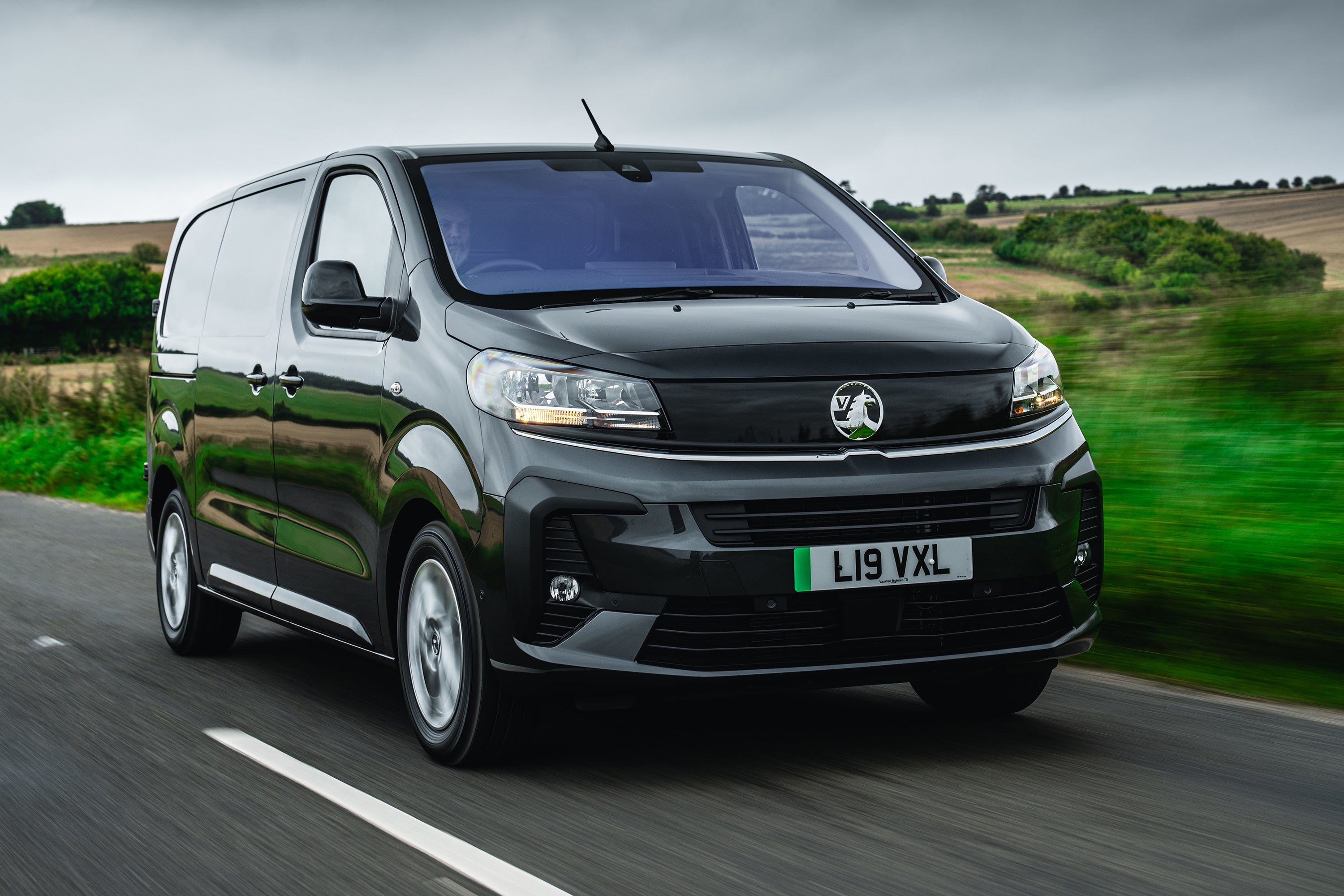
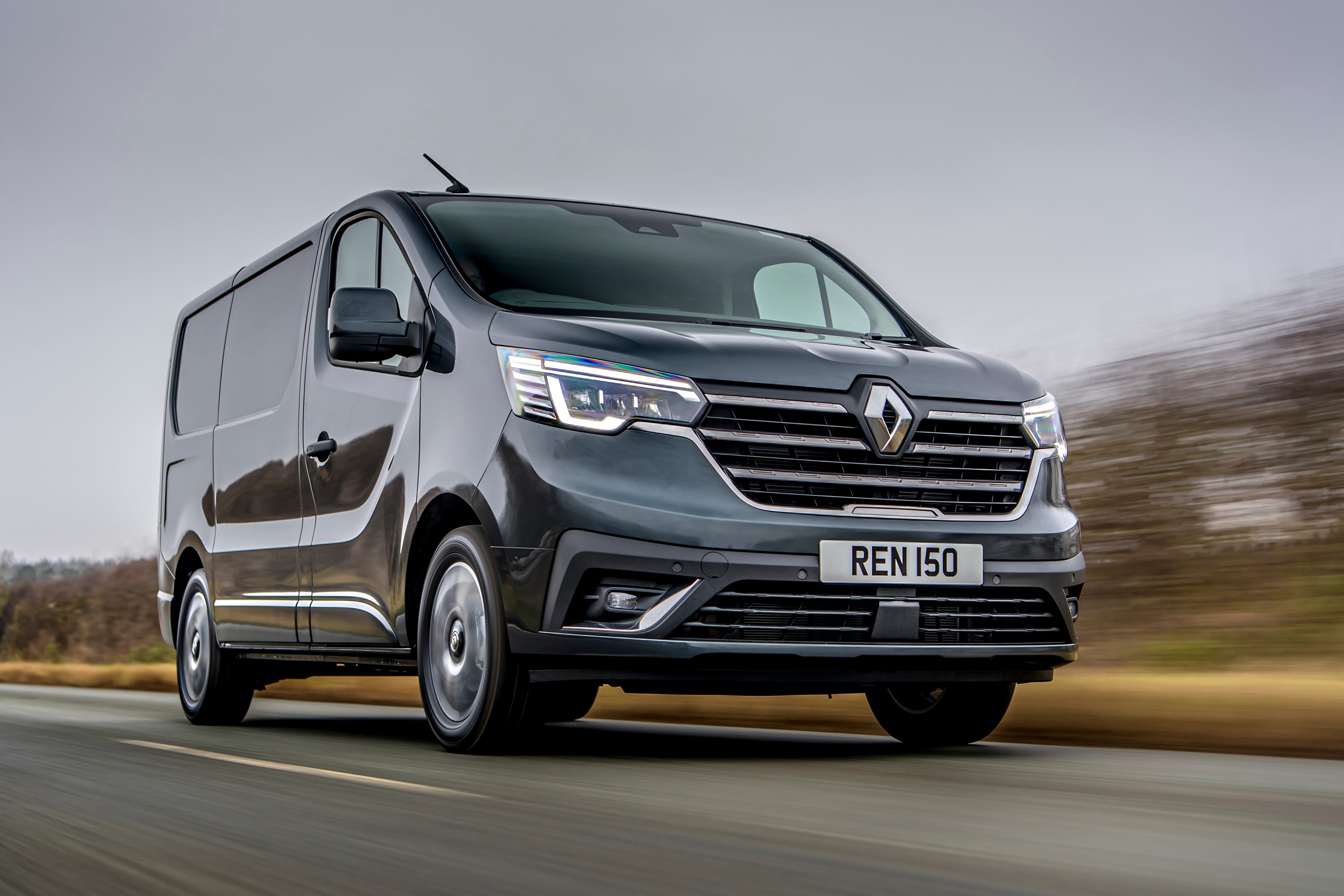
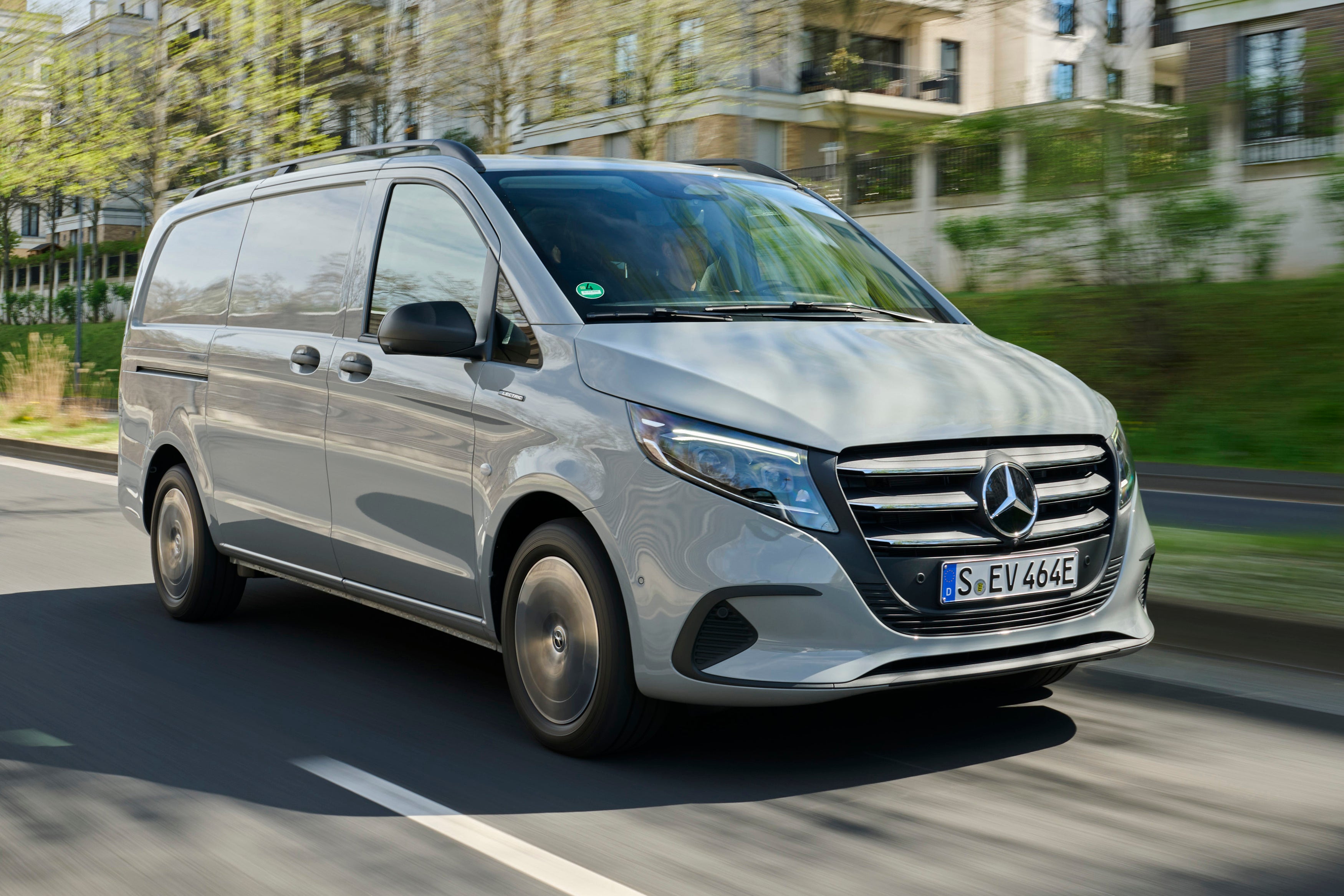
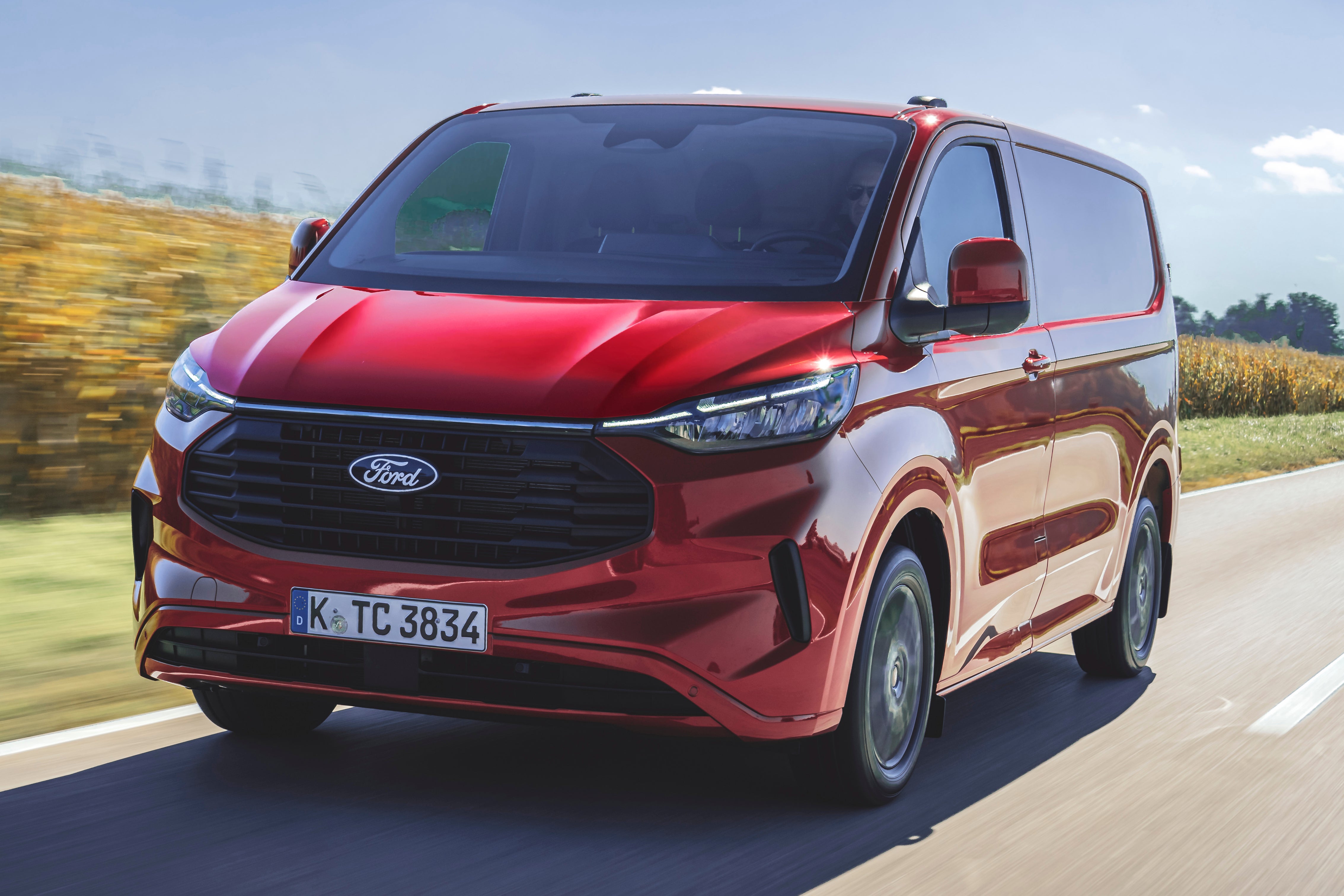
The Ford Transit Custom is the obvious rival and often the one to choose if payload, value and breadth of range matter most. The Mercedes-Benz Vito is another polished alternative, while the Renault Trafic and Vauxhall Vivaro make a more straightforward working-van case.
The T6.1’s strength is that it feels more desirable and more carefully finished than most of them, while still being practical enough for real commercial use.
What's the interior like in the Volkswagen Transporter?
The Volkswagen Transporter T6.1’s cabin was one of its biggest selling points when new, and it remains one of its strongest used attributes. It looks smarter and feels more car-like than most vans of its era.
Volkswagen Transporter boot space and practicality
Practicality was always one of the T6.1’s core strengths, even if it was not the outright load-lugging king of the class.
Panel van versions came in short- and long-wheelbase forms, with standard or high-roof body styles. Load volume ranges from 5.8 cubic metres in the short-wheelbase standard-roof van to 9.3 cubic metres in the long-wheelbase high-roof version. Maximum load length stretches to 2,975mm, while the width is 1,700mm.
The load-through hatch is useful too, allowing the Volkswagen Transporter T6.1 to carry items up to 3,300mm long. Panel vans can take up to three Euro pallets, while Kombi versions can take two.
Payload varies significantly depending on version, from 688kg to 1,278kg. That is respectable, but rivals such as the Ford Transit Custom and Renault Trafic can do more if outright carrying capacity is the main priority.
Kombi models deserve a special mention because they were such a big part of the Transporter’s appeal. They give you two seats up front, three proper rear seats, useful load space behind and the sort of dual-purpose flexibility that made the Volkswagen Transporter T6.1 so popular with families, trades and lifestyle buyers alike.
Volkswagen Transporter dimensions
The short-wheelbase Volkswagen Transporter T6.1 is 4,904mm long, while the long-wheelbase version stretches to 5,304mm. Width is 1,904mm, while height varies from roughly 1,990mm to 2,477mm depending on roof choice.
That keeps the standard van compact enough to use every day without drama, while still offering enough space to do genuine commercial work.
Tech and infotainment in the Volkswagen Transporter
The T6.1 update brought a worthwhile step forward in infotainment. Entry-level vans got the 6.5-inch Composition Colour touchscreen with DAB, Bluetooth and smartphone mirroring, while higher-spec versions could be upgraded to larger navigation systems.
The setup is still easy enough to use today, with a sensible mix of touchscreen functionality and physical shortcut buttons. The main gripe is that Volkswagen adopted USB-C sockets, which felt modern at the time but can be a nuisance now, depending on what devices you carry.
Highline and Sportline versions feel especially convincing here, because the better infotainment and higher trim give the Volkswagen Transporter T6.1 a more polished cabin atmosphere.
Materials available on the Volkswagen Transporter
Material quality was always a Transporter strength. The T6.1 does not feel lavish like a premium SUV, but it does feel solid, carefully assembled and more expensive than most working vans.
Sportline models sit at the top of the tree here, with trim and seat materials that give the van a much more lifestyle-led flavour. Even a Startline, though, has a sturdiness and tactile quality that help explain why the T6.1 remains so sought after.
What's the Volkswagen Transporter like to drive?
The Volkswagen Transporter T6.1 remains one of the easiest medium vans of its era to drive well. That is a big part of why it still stands out as a used buy.
Volkswagen Transporter range and performance
The mainstays of the range were the 2.0-litre TDI diesels, with outputs of 90PS, 110PS, 150PS and 204PS depending on age and trim. Petrol versions briefly appeared, and there was also an electric Transporter conversion, but the diesel line-up is the one most used buyers will actually encounter.
The 110PS diesel is the sensible entry point. It offers enough low-down shove for most day-to-day van duties and suits the T6.1’s relaxed character rather well. The 150PS is the more complete all-rounder and the one most buyers should actively seek out, especially if motorway mileage or towing is part of the brief.
The 204PS model is quick for a van and comes only with the seven-speed DSG, but for many buyers, it is more of an indulgence than a necessity. The short-lived petrols were smooth and refined, while the electric model was very much a niche answer, with official WLTP range of just 82 miles.
Performance data
| Model | Engine/battery size | Power | 0-62mph | Range/MPG |
|---|---|---|---|---|
Volkswagen Transporter T6.1 2.0 TDI 90PS | 2.0-litre diesel manual | 90PS | 16.4 seconds | 40.4mpg |
Volkswagen Transporter T6.1 2.0 TDI 110PS | 2.0-litre diesel manual | 110PS | 14.3 seconds | 38.7mpg |
Volkswagen Transporter T6.1 2.0 TDI 150PS | 2.0-litre diesel manual or automatic | 150PS | 11.1 seconds | 39.2mpg |
Volkswagen Transporter T6.1 2.0 BiTDI 204PS DSG | 2.0-litre diesel automatic | 204PS 8.9 seconds 33.6mpg | 8.9 seconds | 33.6mpg |
Volkswagen e-Transporter T6.1 | Electric automatic | 112PS | 17.4 seconds | 82 miles |
Volkswagen Transporter driving and refinement
The steering is light at lower speeds, which means that it is an easy vehicle to move around town. It takes a lot of the stress out of manoeuvres like parking, thanks to its precision.
The steering also gives plenty of feedback at higher speeds, which gives you a sense of confidence when it comes to knowing where the wheels are when you go around corners. It also means that there is less of a chance of you making an involuntary movement out of your lane on the motorway. If you do, then the new crosswind assist system and optional active lane assist system will help keep you within the lines.
The suspension is a fantastic set up, too, as it offers a smooth ride without ever getting too soft and bouncy. This is the case for both the Startline, with its 16-inch steel wheels and the Highline with either 16- or 17-inch alloy wheels. It also manages to keep the ride in check when it is empty or when it is fully laden – there is little discernible difference with how it deals with rougher road surfaces.
How safe is the Volkswagen Transporter?
From 2019 onwards, the Transporter gained a broader range of safety systems. Even basic versions got Crosswind Assist, Post-Collision Braking, cruise control with speed limiter and eCall emergency alert.
Highline models added adaptive cruise control with City Emergency Braking, while further assistance systems such as Trailer Assist and Rear Traffic Alert were available as options.
That means exact specification matters, but even fairly ordinary T6.1s tend to have a solid safety baseline for a van of this era.
Running costs: What it's like to live with a Volkswagen Transporter
The T6.1’s biggest drawback for used purchases is obvious: strong residuals. That is great news if you are selling one, less so if you are buying.
On the other hand, those values exist for a reason. The Volkswagen Transporter T6.1 has a strong reputation, a huge support network and a sense of desirability that few rival vans can match. Running costs are not especially alarming if you choose the right version, and the mainstream diesels are economical enough in day-to-day use.
Volkswagen Transporter fuel economy
Most diesel versions return official figures somewhere between the mid-30s and 40mpg. The most efficient short-wheelbase low-roof 90PS van can manage around 40mpg officially, while DSG versions tend to give away a couple of mpg.
In the real world, the 110PS and 150PS diesels are usually the smartest choices because they balance economy and usability best. The electric model is cheap to run if its short range suits your work, but for most buyers it remains a curiosity rather than the obvious answer.
Volkswagen Transporter warranty and servicing
Any remaining manufacturer warranty will depend on the age of the van, but Volkswagen Commercial Vehicles’ Approved Used scheme is the most reassuring place to start.
Current Approved Used cover applies to vehicles up to 6 years old and up to 100,000 miles at activation. Vans up to 3 years old receive 12 months’ warranty and roadside assistance, while vehicles aged 3 to 6 years receive a minimum of 6 months’ warranty and roadside assistance.
When new, the Volkswagen Transporter T6.1 came with a three-year warranty, with unlimited mileage for the first two years and 100,000 miles in the third.
Volkswagen Transporter insurance groups
Insurance groups are relatively modest by van standards, sitting broadly between groups 6 and 10 depending on engine and trim.
That means insurance is not likely to be the deciding factor between Startline and Highline, though Sportline versions will usually cost more to cover.
How much does it cost to tax a Volkswagen Transporter?
The Volkswagen Transporter T6.1 panel van qualified for the flat-rate light commercial vehicle tax system rather than the more complex car-style VED structure. From 1 April 2026, the standard annual rate for light goods vehicles is £360.
That means annual tax is straightforward, though it is still worth checking the exact classification of a used Kombi or any converted example before buying.
What trims are available with the Volkswagen Transporter?
As a used buy, the key Volkswagen Transporter T6.1 trims are Startline, Highline and Sportline.
Startline already covered the essentials well, which is one reason why even fairly basic T6.1s still feel like decent used buys. Highline is the trim most buyers should actively seek out, because it added the kind of visual polish and equipment that make the Transporter feel more special every day, including colour-coded bumpers, air conditioning, adaptive cruise control and parking sensors.
Sportline sits apart as the image-led flagship. It brought a body kit, rear spoiler, larger alloy wheels, lowered suspension and a plusher interior treatment that gave the van genuine showroom appeal. It is the trim that best captures the Volkswagen Transporter T6.1’s lifestyle side, but it will nearly always carry the biggest used-price premium, too.
Ask the Drive experts: common questions
Is the Volkswagen Transporter T6.1 still worth buying?
Which Volkswagen Transporter T6.1 engine is best?
Should I buy a Volkswagen Transporter T6.1 or the newer Transporter?
Is the Volkswagen Transporter T6.1 Kombi a good family vehicle?
Get our latest advice, news and offers
Keep me updated by email with the latest advice, news and offers from Drive.
.jpg)