- Home
- …
- Electric Cars
- Is an electric car right for you?
11/08/2026
Is an electric car right for you?

Written By Mark Nichol
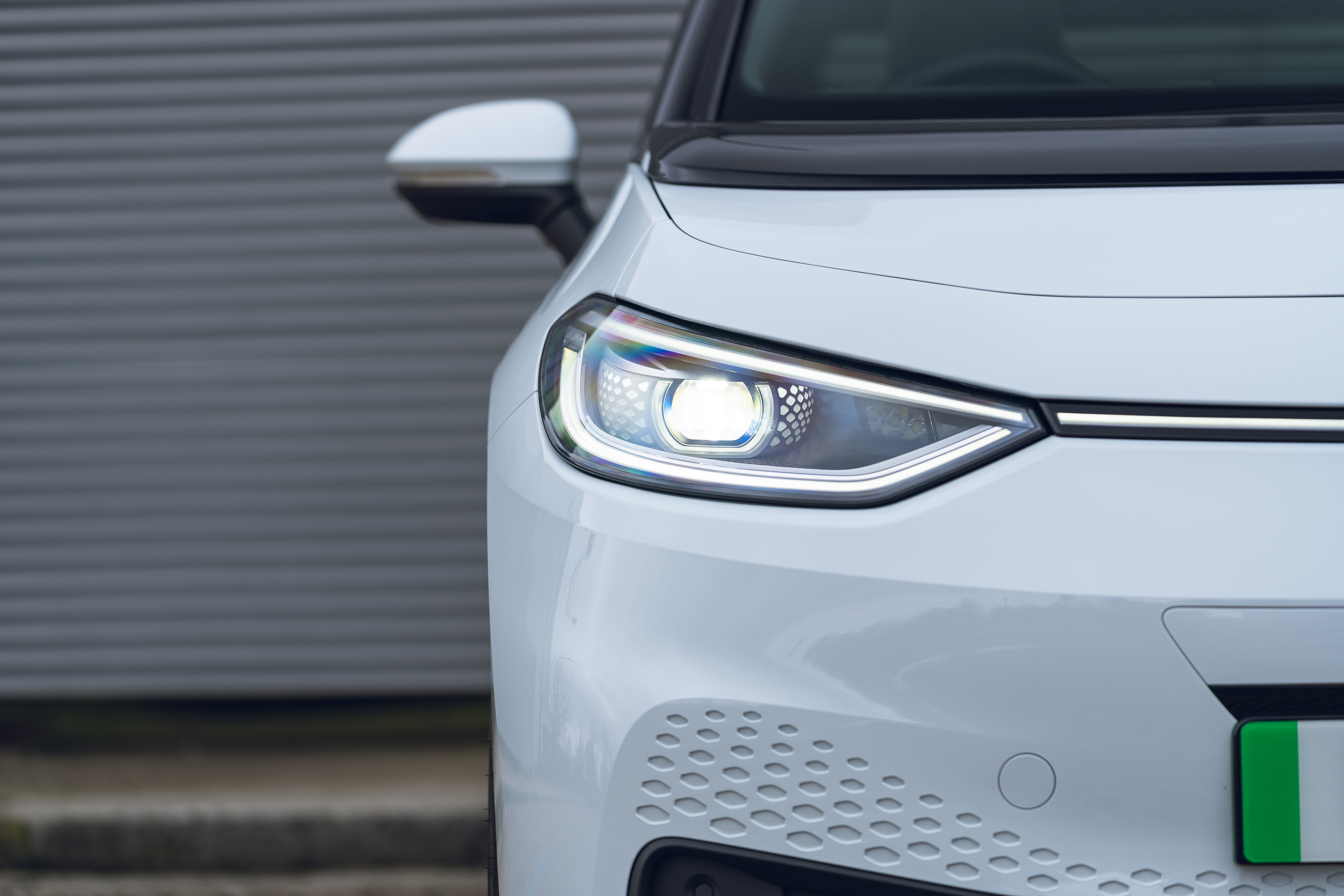
Electric cars aren’t a novelty anymore. More and more drivers are finding them perfectly suitable for day-to-day life. Battery ranges have improved, the public charging network is constantly expanding and prices are generally moving much closer to – and even cheaper than – equivalent petrol cars. But that still doesn't mean an EV is the right choice for everyone.
Switching to electric will give lots of drivers a cheaper and more pleasant ownership experience. EVs are quieter, tend to be easier to drive and you’ll never have to get the smell of fuel on your hands again at a filling station. But some people will still find that a car with a petrol for diesel engine just works better for them. So before you start comparing battery sizes and range figures, it's worth asking a simple question: will an EV actually suit the way I’ll use my car?
In this article, we’ll help you figure that out.
Home charging: Why it's essential
Access to a home charger is essential if you’re planing to use an EV as your main car. With a domestic wallbox installed, you can wake up every morning to a full battery and will rarely need to think about public charging. Without one, your EV will be an expensive faff. Public charging is improving, but it's much more expensive than charging at home and far less convenient.
You only really want to use public chargers when you’re driving long distances. Even then, public charging will almost certainly make a long EV road trip cost a comparable amount as doing the same journey in a petrol or diesel car. A kilowatt-hour (kWh) unit of electricity can cost less than 10p at home, whereas it can be up to £1 from a public charger.
What if you live in a flat or only have on-street parking? It won’t be impossible for you to go electric – and plenty already do, but you’ll definitely have a more difficult experience, particularly if you don't have a designated parking space from which a charging point can be linked to your domestic supply.
There are lots of clever companies working on ways to make home charging more accessible, such as integrating charging points into lamp posts or providing pathway channels for cables to run along from your house to your car, but at the moment, domestic charging is a key barrier to EV ownership for most.
2026 EV taxation: VED car tax, Expensive Car Supplement and company car driver BiK
VED car tax
As of April 2025, electric cars became liable for Vehicle Excise Duty (VED), commonly known as car or road tax. This means paying the same standard annual rate as drivers of petrol and diesel cars do. It’s currently £200 per year and it applies whether you buy a new or a used EV. Free car tax was a perk in the early years of EVs, but it was always going to have an end date and it actually makes up only a fraction of your overall running costs anyway.
Expensive Car Supplement
The Expensive Car Supplement, sometimes referred to as the 'luxury car tax', is a more significant potential cost than standard rate VED car tax.
All new petrol, diesel and hybrid cars with a list price of more than £40,000 attract the supplement. For electric vehicles, however, the threshold is £50,000, with the fees payable from April 2026. This £10k difference means that many mainstream EVs aren't affected by the Expensive Car Supplement, so there’s still some cost advantage to be had.
The supplement adds £440 per year to the standard VED rate from years two to six after registration – five annual payments in total.
The charge remains with the car rather than the owner. That means if you buy a used car that cost more than the supplement's threshold, you'll continue paying the additional fee until the vehicle reaches the sixth anniversary of its first registration. It's therefore worth checking the original list price before buying, especially if you're considering a nearly new car.
Dealer discounts don't affect whether the supplement applies, either. A heavily discounted car can still attract the charge if its original manufacturer list price exceeded the relevant threshold when new.
Similarly, extra-cost options which were fitted at the factory are taken into account. These can soon mount up, potentially pushing a £48,000 EV beyond the £50k threshold.
Company car driver Benefit-in-Kind tax (BiK)
Electric vehicles are still extremely attractive for company car drivers. The gap is narrowing a little because, as with road tax, the government now needs to fill a revenue hole created by drivers switching to electric. Still, Benefit-in-Kind (BiK) rates for EVs are substantially lower than those for petrol, diesel and plug-in hybrid cars.
To give you a basic working example, let’s say you're choosing between a petrol Volkswagen Tiguan and a similarly sized electric Volkswagen ID.4. For our purposes they both cost £42,000 and you’re a 20% tax payer.
At 2026-2027 rates, the Tiguan attracts BiK at 30% with the ID.4 just 4%, meaning that the tax liability of the Tiguan is £12,600, but £1,680 for the ID.4. Your actual yearly cost is 20% of that figure, equating to a massive difference of £2,520 for the petrol car and £336 for the EV.
Plus, the Tiguan's list price exceeds £40,000, so it will also attract the Expensive Car Supplement, adding £440 per year to its VED bill from years two to six. The ID.4 remains below the £50,000 EV threshold, so it avoids the charge altogether.
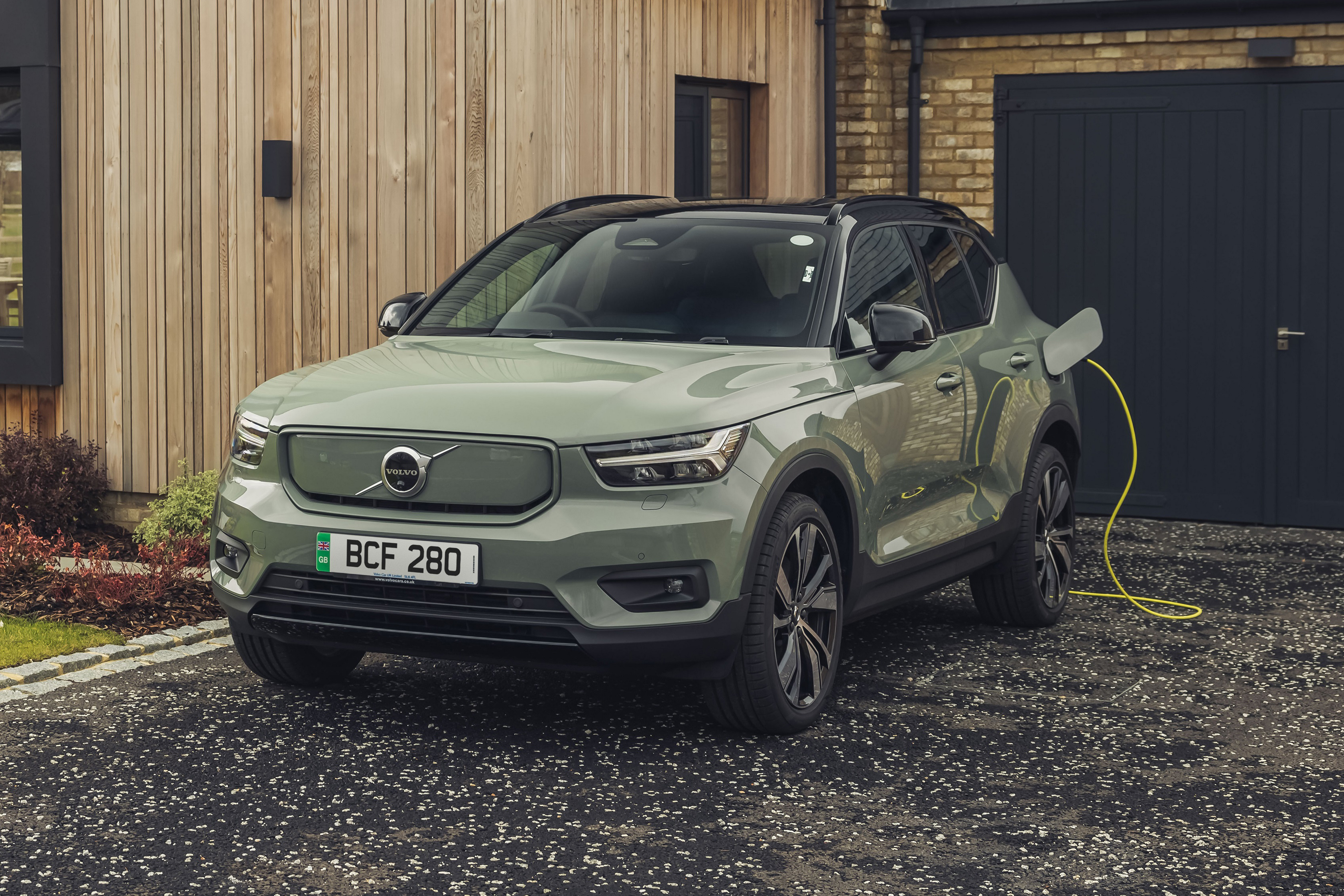
Does an EV suit your driving?
In practice, most cars spend the vast majority of their lives covering relatively short distances. For the average UK driver, an EV that will do 200 miles on a full charge will be more than enough for several days of normal use. Most new EVs comfortably exceed 250 miles on a single charge according to their official driving range figures, but that's across a mixture of speeds meausured at the WLTP Combined cycle – that could mean a real-world 300 miles for purely urban driving or a best of 200 miles for someone who largely covers motorway miles in the same car.
When considering switching to an EV, ask yourself the following questions:
Do I regularly drive more than 200 miles without stopping?
Do I frequently tow caravans, trailers or horse boxes?
Do I rely on remote rural routes where charging infrastructure is limited?
Is my house unsuitable to have a wallbox charger installed?
If the answer to most of those is yes, especially the last one, an EV is less likely to be suitable for you right now.
Is owning an EV cheaper?
Yes, it usually is, but not always. Here’s a breakdown the costs to consider when making a choice about switching to an EV:
Electricity versus petrol or diesel
This is the main one to consider. Charging an EV at home is by far the cheapest way to run a car on a pence-per-mile basis. If you’re able to switch to an EV-specific energy tariff, giving you cheaper electricity for a few hours overnight, you can charge your car for a few quid.
As a guide, let’s say the standard cost of a unit of energy at home is 26p/kWh, tallying with Ofgem's national average price cap from July 2026. We'll use the Renault 5 E-Tech Comfort Range with a 52kWh battery for these examples – it's official Combined range is up to 252 miles, but we'll make it a worse-case scenario and give it a real-workd figure of 200 miles.
Assuming the battery was flat, at the national average rate it would cost £13.52 to fully charge it, whereas on an EV-friendly tariff, potentially as low as 8p/kWh, that same flat-to-full recharge will cost you £4.16. That means your 200 miles of driving would work out at 6.7p/mile at the average electricity price but just 2.0p/mile on the cheaper tariff.
Contrast that to the price of fuel. Let’s say your petrol car does a real-world 40mpg, that its fuel tank holds 11 gallons (50 litres) and petrol is £1.51/litre. Filling up will cost £75.50 and you’ll get 440 miles from your tank, equating to a cost of 17.2p/mile.
Home versus public electricity
Regular use of public charging absolutely wipes out the cost benefits running an electric car. Rapid public charging can cost up to £1/kWh, but for argument’s sake let’s say its more likely to be around 75p/kWh.
At that rate, filling up the Renault 5 E-Tech's 52kWh battery will cost £39.00, meaning 200 miles of driving will work out at 19.5p/mile.
Yes, we've simplified costs a little, but you get the idea – the difference is not insignificant.
Company car or private motorist?
As we’ve already discussed, running an EV as a company car has significant tax benefits. It will almost certainly be the cheapest way into a brand new vehicle. Used EVs can be absolute bargains too, so for cash buyers especially, they're definitely something to consider.
One the other hand, if you are paying for your car privately, be it using a loan, a finance deal or cash, electric cars can prove more expensive when their steeper rates of depreciation are calculated.
Servicing
Electric vehicles typically require less maintenance than petrol and diesel cars. There are fewer moving parts, no engine oil changes and fewer components subject to wear. Tyres, suspension, brakes, cabin filters and routine inspections still need attention, but many owners find EV servicing costs lower over the lifetime of the vehicle.
EV repairs, on the other hand, can be expensive if the work requires replacing motors and batteries. A good warranty is key to prevent bills escalating into the thousands, however it's far rarer that an electric car will need a new motor or battery than it is for a petrol or diesel car to require a new engine or gearbox.
Insurance costs
EVs also tend to be more expensive to insure. Battery packs are costly, specialist repairs may be needed and some insurers continue to view certain electric models as higher-risk. The gap is narrowing, but it’s definitely worth obtaining insurance quotes before committing to a purchase.
Could a hybrid serve you better?
Think of a hybrid – the 'full' or 'self-charging' variety – as being like a petrol car that will be more more fuel efficient, especially if you do a lot of lower speed driving in built-up areas. Modern hybrids, such as the Toyota Yaris, can be extremely economical and cheap to run with 60mpg realistically achievable. If you regularly cover long distances or have nowhere to charge, a hybrid is the best way to cut down on fuel costs.
With a charged battery, many plug-in hybrids (PHEVs) can easily cover everyday commuting distances using electric power alone. So, in that sense, they can be a bridge to going fully electric if you have a home charging point and keep the battery topped up. However, they only start making financial sense if they're charged regularly. A plug-in hybrid that is never plugged in simply carries the weight and complexity of both an engine and an electric drive system without delivering many of the benefits of either.
If you have reliable home charging and don’t regularly take long motorway trips, a full EV will often be the better long-term solution.
Usually, yes. Charging at home is typically much cheaper than buying petrol or diesel and EVs often have lower – and therefore cheaper – servicing requirements. However, insurance costs, depreciation and reliance on public rapid charging can reduce the financial advantage.
Electric vehicles are now subject to the Expensive Car Supplement if their list price exceeds £50,000 when new. This adds £440 per year on top of standard Vehicle Excise Duty for years two to six after registration.
This threshold is £10,000 more than for all other cars, meaning lots of mainstream EVs are exempt which wouldn't be at the £40,000 level.
Electric vehicles remain among the most tax-efficient company cars available. Benefit-in-Kind rates are still significantly lower than those for petrol and diesel alternatives, making EVs particularly attractive for company car drivers.
Yes, while electricity supplied to a domestic property is charged at 5%. This is one reason why charging at home is usually much cheaper than relying on public charging infrastructure.
Lobbyists campaigning to reduce the public charging VAT rate to 5% continue with their cause, but the government is yet to announce plans to such an effect.
Find an electric car for sale
Volkswagen ID.Buzz250kW Commerce 79kWh Auto 4Motion
20263,051 milesElectric£39,440
inc. VATYO304WWVolkswagen Golf99kW e-Golf 35kWh 5dr Auto
201952,490 milesElectric£9,961
LE111APVolkswagen ID.Buzz250kW GTX Pro 86kWh 5dr 4MOTION LWB Auto [7 Seat]
20269,200 milesElectric£52,990
WR99AUVolkswagen ID.Buzz210kW Commerce 79kWh Auto
20262,989 milesElectric£32,989
inc. VATL249PBVolkswagen ID.Buzz210kW Style Pro 79kWh 5dr Auto
20255,989 milesElectric£49,900
GL24NEVolkswagen ID.Buzz210kW Style Pro 86kWh 5dr LWB Auto [7 Seat]
20261,723 milesElectric£54,991
OL12BBVolkswagen ID.Buzz150kW Style Pro 77kWh 5dr Auto
202317,618 milesElectric£34,700
CW15XNVolkswagen ID.Buzz210kW Commerce Plus 79kWh Auto
20259,750 milesElectric£30,500
BS43QB
More electric car guides
From choosing the right EV to understanding charging, running costs and more, our guides can help.