- Home
- …
- Electric Cars
- Best electric cars 2026: The ultimate UK buying guide
08/07/2026
Best electric cars 2026: The ultimate UK buying guide

Written By Keith WR Jones
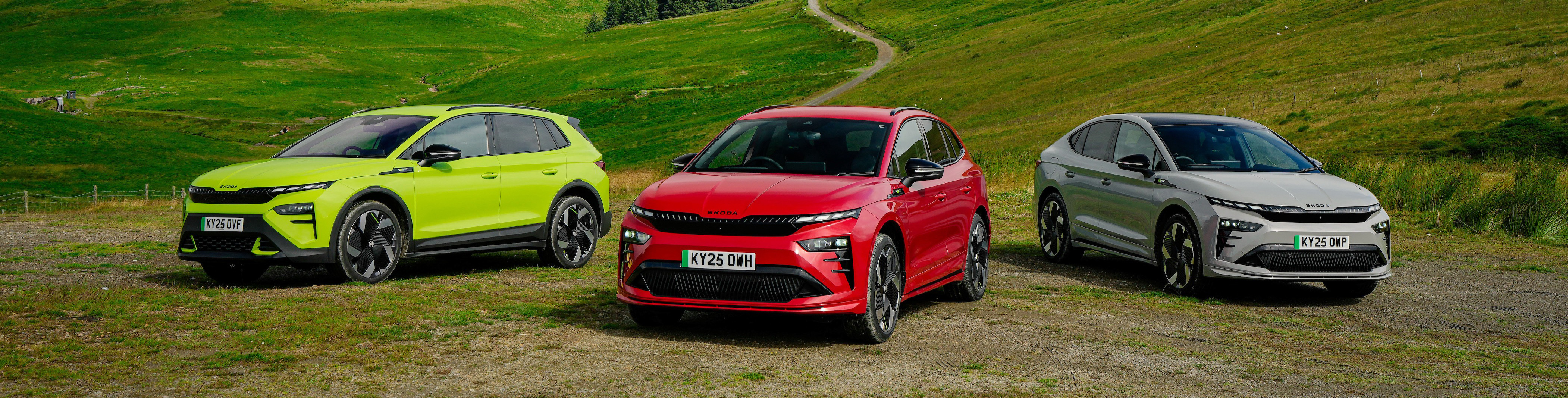
Whatever your electric car needs, there’s an array of models to seamlessly integrate into your life. Need something petite and agile for city driving? You’re sorted. What about an EV that’s robust and practical for a growing family? There are plenty of those, too. And yes, you’re also good to go if you covet a battery-powered luxury car with the feelgood factor dialled up to 11.
While choice is good, too many options can feel overwhelming, particularly for those buying their first electric car. It’s not just the array of brands and models to choose between, many EVs are also available with a variety of battery sizes and performance levels adding layers of potential complexity.
Sparing you the inconvenience of narrowing down a shortlist, our team of car reviewing experts has done the sifting for you, pinpointing which EVs will make you pleased you made the switch from those that could leave you feeling flat.
The Drive electric car shortlist
Best EV overall: Renault 5 E-Tech – A great small car that happens to be electric
Best EV for small families: Kia EV3 – Enormous range and space in a compact package
Best estate EV: Volkswagen ID.7 Tourer – Effortless load-lugging EV
Best family EV: Skoda Enyaq – Sophisticated battery-powered family SUV
Best motorway EV: Audi A6 e-tron – Extended range and impressive refinement for long distances
Best used EV for under £10k: BMW i3 – Radical, desirable compact EV for not much cash
Best used EV for under £20k: Polestar 2 – Upmarket, long-range, Skandi-cool EV
Best electric sports car: MG Cyberster – Traditional roadster with an electric twist
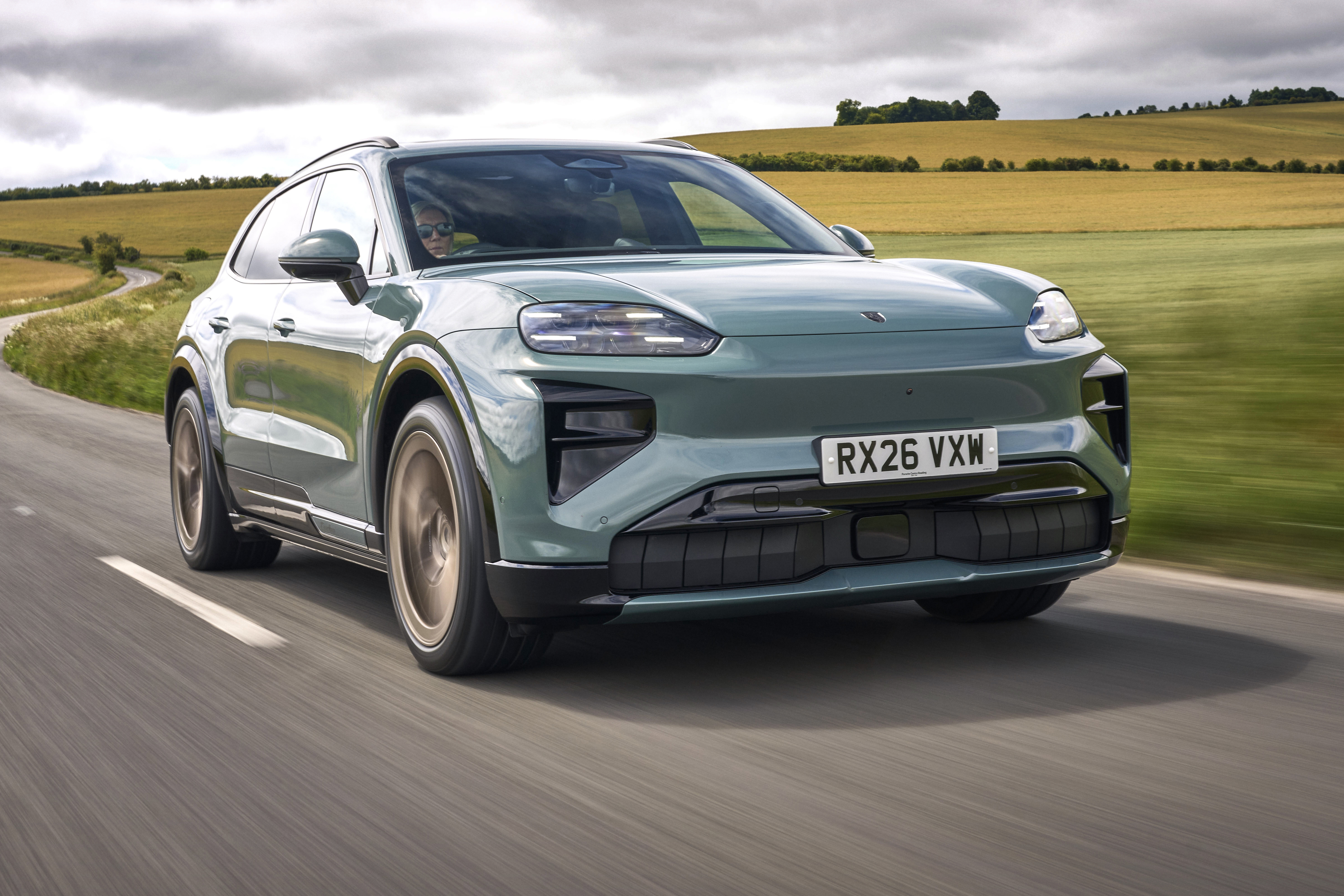
Best EV for towing: Porsche Cayenne Electric – Luxurious and powerful hauler
Best Volkswagen Group EV: Skoda Elroq – Europe’s best-selling EV for good reason
Best small electric cars
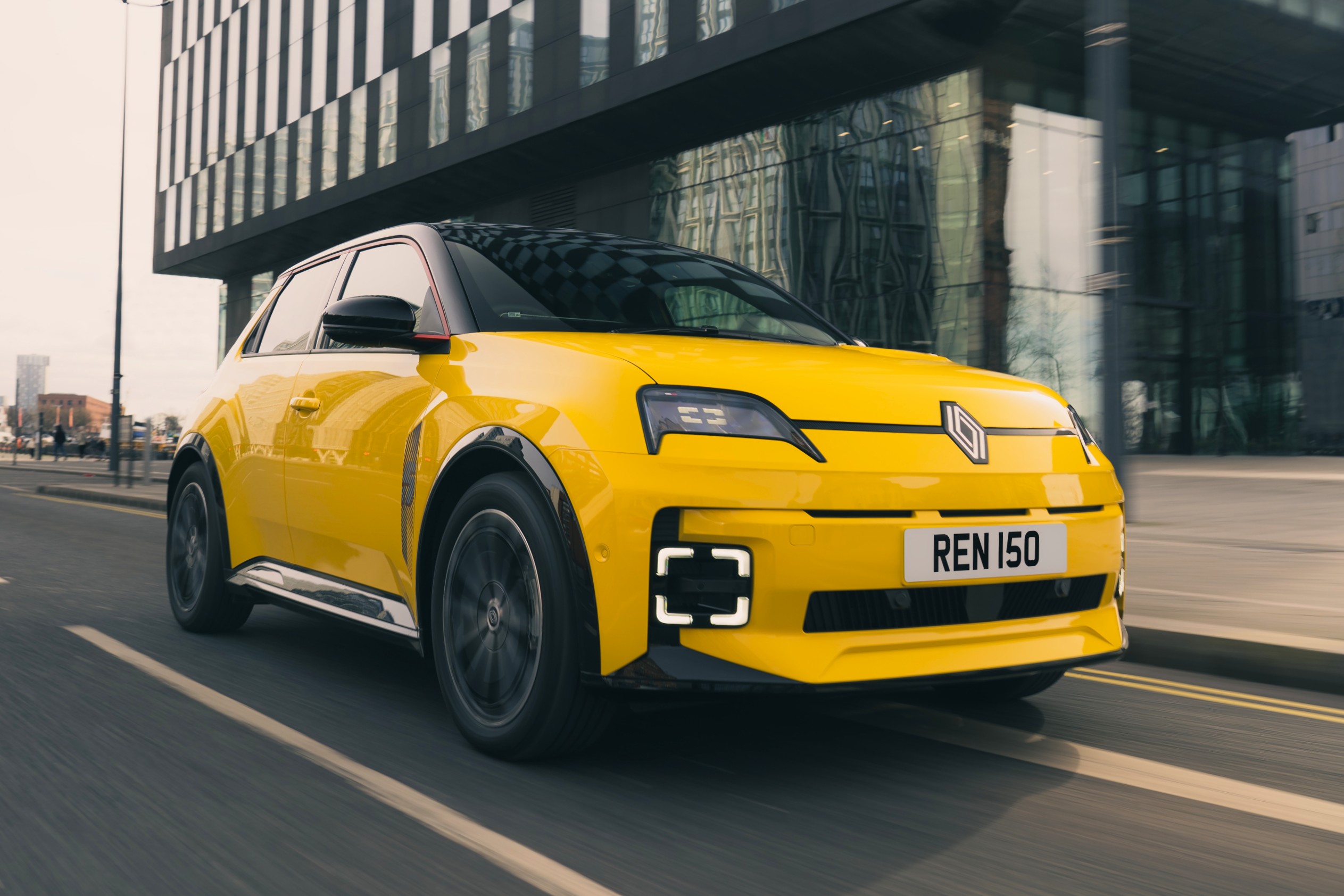
Not only is the Renault 5 E-Tech a brilliant EV and the most accomplished small hatchback on sale, it’s among the very best cars available full stop. Its attraction goes beyond styling inspired by its forebears – not slavishly retro, but similar enough to older Renault 5s to feel reassuringly familiar. The latest R5 is a car people crave regardless that it’s electric.
Renault’s ensured the 5 E-Tech is easy to adapt to with popular conveniences included, such as a smartphone mirroring touchscreen and wireless charging pad, LED headlights and a reversing camera integral to the mid-range Techno+ specification. Its real-world range of over 200 miles with the larger Comfort Range battery – 252 miles is the official claim – is more than enough for most people’s small car requirements.
With that battery choice the R5 costs from £24k, inclusive of the government’s £3750 Electric Car Grant (ECG) discount. That’s £750 more than the rebodied, but mechanically identical Nissan Micra, but the Renault’s better equipped.
Nimble in town, sprightly and supple-riding beyond city limits, the R5’s main drawback is that rear-seat legroom is on the tight side for adult occupants. Whether the Renault 5 E-Tech remains the top pick later in 2026 when both the more spacious Cupra Raval and Volkswagen ID.Polo go on sale remains to be seen. What is certain is that small car buyers have never had it this good.
Best electric cars for young families
Cars appealing to families with young kids need to combine spaciousness with practicality, make installing child seats faff-free and be inexpensive to run – qualities typically found in small electric SUVs.
Among those we rate at the more affordable end of the scale are the comfortable Citroen e-C3 Aircross, the fun-to-drive Ford Puma Gen-E and the retro-futuristic Renault 4 E-Tech. Yet they’re all shaded by the Kia EV3’s all-round brilliance.
Courtesy of its 81.4kWh battery, the EV3’s claimed driving range is as high as 375 miles, so expect around 340 miles in the real world. Even the cheaper versions of the Kia with a 58.3kWh battery provide up to 270 miles of range before needing a recharge.
Despite its compactness, the Kia EV3’s interior is as roomy as it is solidly constructed. Sure, some aspects are rather plasticky, but they’re resilient, easily cleaned surfaces – great when little ones get their sticky mitts everywhere. Even when all five seats are occupied there’s a generous 460-litre boot behind them, complemented by an extra 25 litres below the bonnet, ideal for charging cables.
Choosing the least expensive EV3 Air doesn’t mean a paucity of equipment – climate control, keyless entry and heated front seats are all included at around £34,000, as is the larger battery. Factor-in Kia’s reassuring seven-year/100,000-mile warranty and it almost sells itself.
Best electric cars for large loads
Whether you’re dog lover or you regularly need van-like space, choosing an EV doesn’t necessarily mean buying a battery-powered SUV or MPV. Electric estate cars may be few and far between, but those which are available are great at lugging loads efficiently.
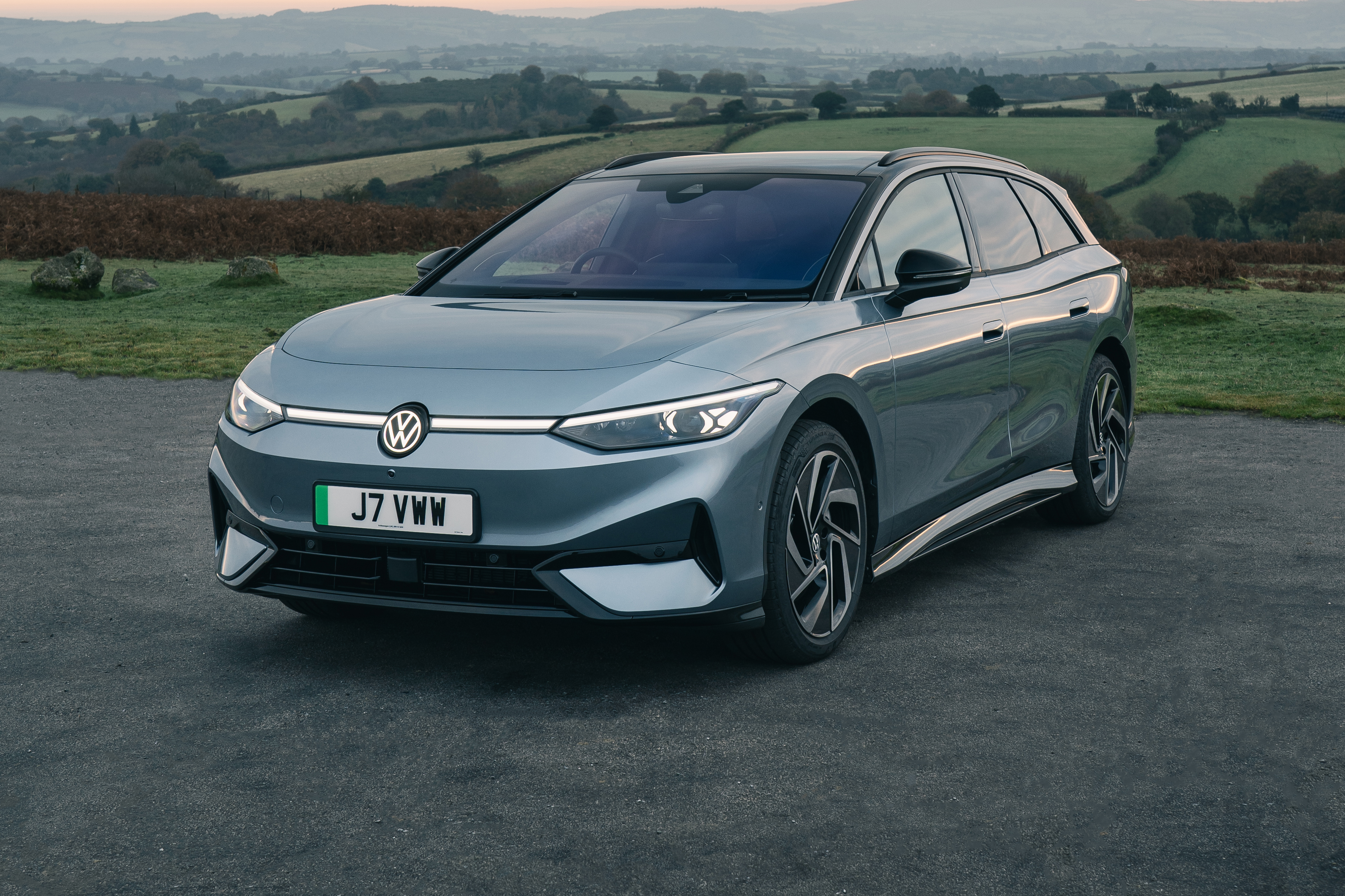
As tempting as it might be to go for an upmarket choice such as the Audi A6 Avant e-tron or the BMW i5 Touring, our pick of electric estates is the less costly, more spacious Volkswagen ID.7 Tourer. With its rear seats folded, the VW’s 1948-litre capacity is 248 litres more than the BMW’s, but more importantly it costs £18k less to get into one.
Sure, the ID.7 Tourer’s rear seats don’t fold completely flat, nor do they split in a 40/20/40 configuration for maximum flexibility, but there’s no step between the tumbled seatbacks and the boot floor, plus there’s a handy ski hatch to slide long, narrow loads through.
Our choice is the £55,710 mid-range Pro S version with an 86kWh battery delivering a claimed range of 420 miles, making 370 miles of real-world driving a conservative expectation. Match Plus is the trim level to go for here, with its kit roster including three-zone climate control, massaging front seats, dark-tinted rear privacy glass, an electric tailgate and a 360-degree parking camera, all helping to make life easier while hauling large loads and canine companions.
Best electric cars for motorway driving
If your career and circumstances mean spending hours on end plying motorways and dual-carriageways, you’ll already appreciate how vital it is for your car to be comfortable, quiet and efficient at speed. When it must also be electric, the Audi A6 e-tron’s wind-cheating shape makes it a sound choice.
Two battery sizes are available, with the smaller 75.8kWh version delivering a claimed driving range of 383 miles. In the real world, expect closer to 340, which is more than ideal – the larger 94.9kWh alternative will realistically only manage 50 miles more.
Save yourself over £6k by sticking to the small one and go for the A6 e-tron in Sport specification at £62,600 for luxuries including tri-zone climate control, leather-upholstered, electrically adjustable front seats and LED lights.
The A6 e-tron’s controlled yet absorbent ride quality, comfy, supportive seats and plenty of cabin space ensures it soaks up miles with consummate ease. Its interior finish isn’t as expensive-feeling as older Audis, plus its screen-laden dashboard is short on physical buttons – both charges can equally be put to its Mercedes EQE rival. Usefully, the Audi’s touchscreen is responsive and intuitively organised.
Unlike the EQE’s traditional, separate boot lid, the A6 Sportback e-tron is a hatchback with a large tailgate, boosting practicality. With the rear seats up it swallows 502 litres, complemented by 27 litres more under the bonnet for cable-carrying.
Best electric cars for large families
Larger families requiring seven seats in their electric SUVs have an assortment of fine choices, with the Volvo EX90 at the more expensive end and the Peugeot E-5008 – plus the forthcoming Skoda Peaq – more modestly priced.
Not everyone needs third-row seating, making spacious five-seaters more appealing to a broader spectrum of the market. Being slightly less enormous also means they’re more efficient, boosting driving range.
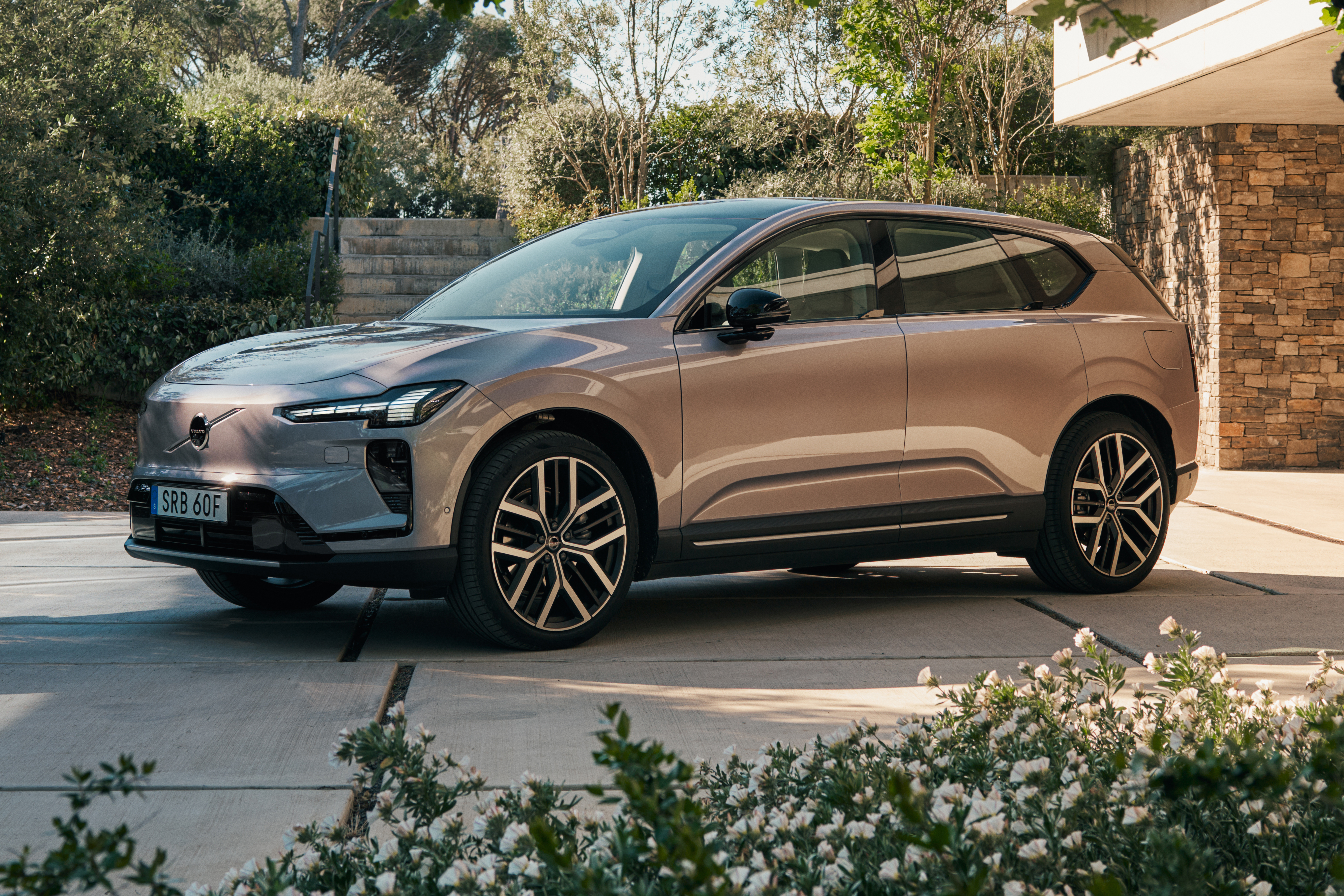
Two newcomers boast claimed ranges of 500 miles: the radical BMW iX3 and – our pick here – the Volvo EX60. That said, our choice of the least expensive P6 version of the Volvo, with an official range of 385 miles, so expect around 340 real-world miles. Performance is more than ample, evidenced by its 374PS output and a 5.9-second 0-62mph time.
While the Volvo EX60’s exterior styling feels immediately familiar, its generously spacious cabin breaks from tradition. Its plush capaciousness will appeal more widely than the largely buttonless dashboard, with most functions accessed via its 15-inch multimedia touchscreen.
Volvo’s not overlooked the EX60’s practicality despite its upmarket pursuit. Opening its electric tailgate reveals a 523-litre boot when loaded to the height of the windowsills, with a 60/40-split, 63-litre space under the floor – one side’s waterproofed, ideal for wet or muddy boots. There’s a further 58 litres below the bonnet, large enough to house more than just charging cables.
Even entry-level EX60 Plus versions include niceties such as three-zone climate control, heated front and rear seats and a 360-degree parking camera system for the Volvo’s sub-£57,000 price tag.
Best electric cars for driving thrills
Naysayers peddle quips about electric cars being little more than motorised domestic appliances, but finally the green shoots of demand for EV hot hatches are beginning to sprout. The Renault 5-based Alpine A290 has been on sale for a year already and will soon be joined by the Peugeot E-208 GTi, the Vauxhall Corsa Electric GSE and the Volkswagen ID.Polo GTI.
Yet as talented as those pocket rockets are, proper sports cars they ain’t. As few manufacturers sell coupes and convertibles anyway, pickings are thin before the need to be electrically powered is included, yet one exists that harks back to its brand origins – the MG Cyberster.
Two-seats, soft-top roof, space in the boot for a weekend away bag and performance on tap. In fact, the cheaper Cyberster Trophy’s 5.0-second 0-62mph time is plenty fast enough, but the GT manages it in 3.2 seconds, if that’s your thing. It comes with a chunky price tag, though – you’ll need £55k to put the Trophy on your driveway.
Unsurprisingly, the Trophy version of the MG also goes furthest on a charge, with a claimed 316 miles of range. Drive it enthusiastically and you may not get much above 200 miles, but 250 should be achievable.
MG’s also ensured that the Cyberster handles like a proper sports car, albeit one hauling around 1885kg of weight and blighted by bings and bongs from its over-zealous ADAS driving aids. Still, the thrill of top-down motoring and the cool factor of its scissor-action doors when you reach your destination outweigh those grumbles.
Best electric MPVs
Few MPVs on sale these days don’t share their bodywork with commercial vehicle siblings and for good reason. If vans are so shaped to enable them to transport goods effectively and efficiently, the same is true for people carriers.
Harking back to older Clipper and Microbus models, the Volkswagen ID.Buzz is a chic way in which to ferry five to seven people, but it isn’t the most commodious of MPVs. Step forward the Kia PV5 Passenger – a somewhat rudimentary name for a van-based family holdall which is as daringly modern as the VW is cutesy retro.
Originally available only as a five-seater, the Kia is now also sold in seven-seater form – which is still called PV5 – where the middle-row bench seat seats two, allowing for easy access to the three in the back within its remarkably spacious interior. There’s 350 litres of boot space behind them, expanding to 785 litres when they’re folded into the floor.
While 71.2kWh is a generously sized battery, that limits the PV5 Passenger to an official claim of 256 miles, which is trumped by most ID.Buzzes, in large part due to having an even larger battery. More importantly, the Kia uses its battery power more efficiently, making it the cheaper of the two to run.
It’s also significantly less expensive to buy in the first place, with the fully loaded seven-seater PV5 Passenger Elite specification with electric side doors, 360-degree camera system and ventilated front seats costing under £42,000. Compare that with the ID. Buzz which starts a smidgen over £60k and the radical Kia is even more tempting.
Best electric cars for towing
According to urban myths, electric cars can’t be used for towing. This is true only to the extent that many EVs, especially smaller ones, deliberately aren’t homologated for towing in order to preserve battery life. The larger the EV, the more they can tow, albeit often with a deliberately reduced maximum weight limit.
That’s recently changed with the introduction of the Porsche Cayenne Electric. Owners of its combustion-engined twin aren’t shy of making use of its maximum 3500kg braked trailer towing ability, the highest legally permitted, so it makes sense that the EV version matches it.
As standard, the Cayenne Electric hauls 3000kg, but by specifying the optional Offroad Package for a further £2036 – not forgetting the £1041 extra for an electrically retracting tow bar – the big, battery-powered Porsche will also pull 3500kg along.
Such ability doesn’t come cheap, of course, with the entry-level Porsche Cayenne Electric costing just over £83k before those necessary options are factored-in. That does buy you a comprehensive level of standard features, a 4.8-second 0-62mph time and a 399-mile claimed driving range, making 350 miles out in the real world more than possible. Expect that to drop to below 300 miles when towing a heavy load, mind you.
Best electric cars for value
How much monetary value any of us determine something is worth is a deeply personal assessment, one which invariably subconsciously incorporates intangibles such as image into the equation. Here we’re taking a more pragmatic approach – which electric cars offer a great deal for not a lot of cash?
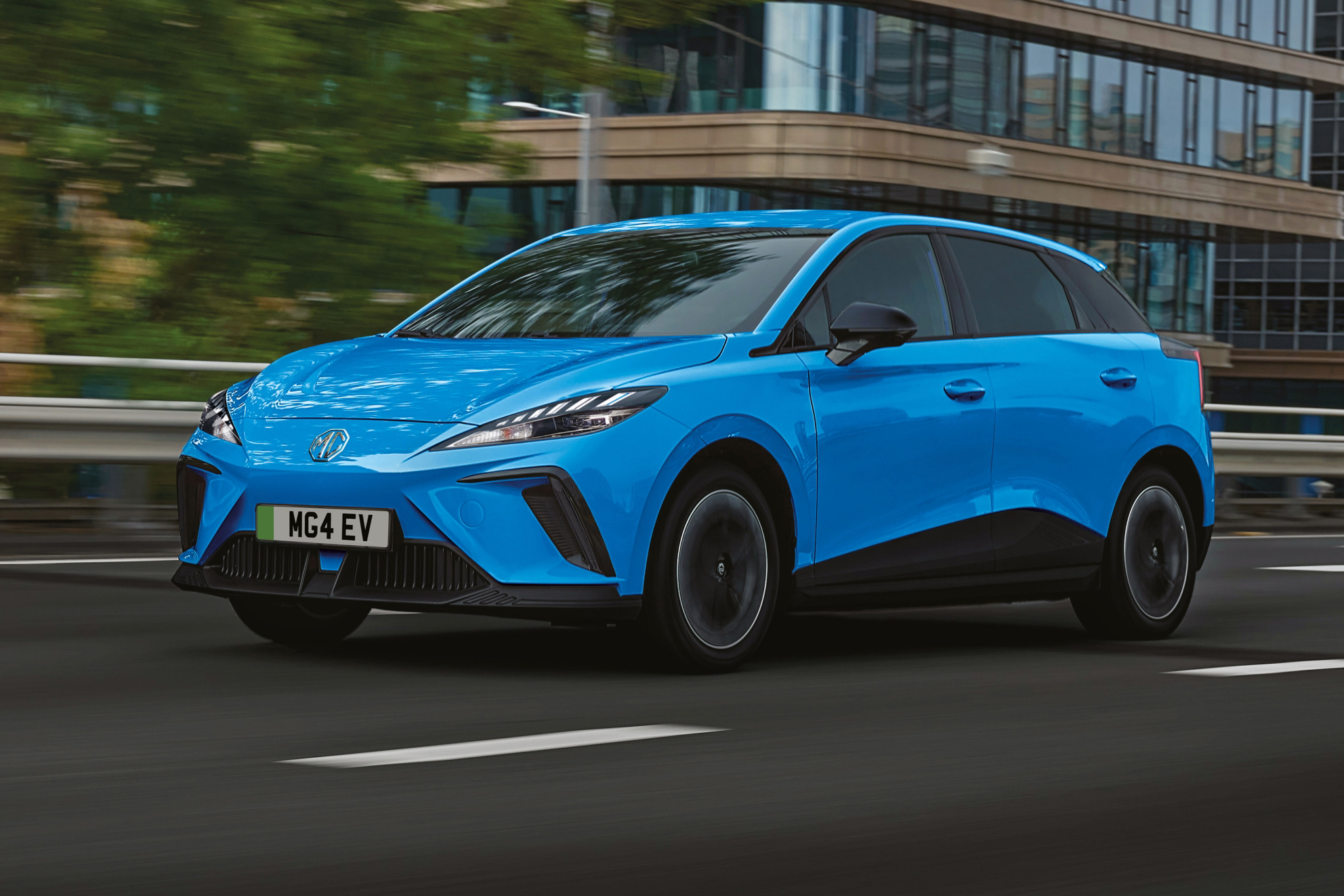
Two of the cheapest to provide relatively basic transportation for not a lot of money, but both the Dacia Spring and the Leapmotor T03 are tiny cars with small driving ranges. Instead we’re going for something usefully larger, but not so big as to be off-putting – the recently improved MG 4 EV.
Starting at just below £30,000, the electric MG family hatchback remains strong value, even if it isn’t as inexpensive as it used to be. Its 61.7kWh Long Range battery is now the smallest available, with an official driving range of 280 miles, so a useful 240 miles of real-world driving. For £3k more the Extended Range’s 74.4kWh pack expands those figures to 338 and 290 miles respectively.
Both are available in Premium specification, which sounds upmarket but is actually the entry grade, but it isn’t basically fitted out with a 360-degree parking camera system, wireless Android Auto and Apple CarPlay smartphone connectivity, climate control and full LED head and tail lights.
Quality of the MG 4 EV’s interior materials was significantly improved at its mid-life facelift, ensuring it no longer feels as though corners have been cut to keep the price down, but it still lacks the interior and boot space of the Kia EV4.
Still, as a car wearing the octagonal MG logo should, the 4 EV will put a smile on your face when you drive it – its fun in a way value-centric cars aren’t usually. It’s an electric car people choose that happens to be inexpensive, not because it is.
Best used electric cars under £10,000
Slower-than-hoped-for consumer adoption of new EVs has depreciated used values far quicker than for petrol- and diesel-engined alternatives. While pre-owned electric car prices are starting to firm-up – and even increasing as fuel costs rise – bargains can still be had. For now, at least.
A £10,000 budget doesn’t limit you to aged Nissan Leafs struggle to extract 100 miles from a full charge, it’s ample for a newer small hatchback, such as the Renault Zoe, or a larger, comfier alternative, including the Volkswagen e-Golf.
It also buys something surprisingly exotic. How about a lightweight, carbon fibre-reinforced plastic structure and rust-proof bodywork enveloping a remarkably spacious and futuristic interior? Yes, £10k buys you an excellent BMW i3.
Despite its tyres’ skinniness, the i3 grips and handles engagingly, not unlike much larger BMWs. Its ride comfort can feel firm on poor road surfaces, especially in sportier i3S guise, which is also sensible to ignore as its extra performance gnaws into its driving range. The regular i3 produces 170PS, so it’s no slouch.
Later i3 models from 2019 have a larger 42.2kWh battery, offering 150-160 miles of real-world driving. A 2020 i3 that’s covered under 10,000 miles per year is within budget, includes desirable features such as Apple CarPlay, climate control and cruise control.
There’s room aboard for four adults, although the i3’s boot is modest at 260 litres, with space for cables under the bonnet. Its coach doors – the rear ones open backwards – look cool and with no central pillar, make getting into the back much easier. That’s easier said than done in a tight car park, though.
We recommend finding a BMW i3 with an optional Interior World pack, known as Loft, Lodge and Suite, to make the cabin feel airier and more special. Conversely, the standard Atelier finish is sombre, although arguably hides dirt easier.
Best used electric cars under £20,000
Due to heavy rates of depreciation afflicting electric cars, a budget of £20,000 for a used one buys all manner of talented and tempting choices, all with low mileage, high levels of equipment and many with upmarket brand names if you fancy being a little showy.
Potential choices include expensive-feeling Audi e-tron, the lithe Jaguar I-Pace and the Tesla Model 3, augmented by the appeal of its associated network of Supercharger stations, rather than the personality of the guy in charge of the firm.
Any of those could provide mile-after-mile of inexpensive, feelgood motoring, but we think you will get even more from the sophisticated Polestar 2. Twenty grand will buy a sub-10,000 miles per annum, four-year old example, with a Long Range 78kWh battery and all-wheel drive. That’s a 298-mile official driving range and 408PS of performance for under £20k.
Not only that, it handles engagingly without being uncomfortably firm, its interior is beautifully finished with expensive plastics and tasteful upholstery, with ample space for four adults, although squeezing a fifth into the centre-rear position makes things tight.
Practicality is good because despite the Polestar 2’s shape hinting that it’s some kind of SUV saloon mash-up, the boot is accessed via a large tailgate. There’s 407 litres of capacity with the rear seats in use, plus a further 43 litres beneath the bonnet.
Sealing its appeal is the fact that its suite of safety systems were developed by and shared with Volvo, making the Polestar 2 among the safest cars available for £20k. What are you waiting for?
.jpg)
Best Volkswagen Group electric cars
Regardless of whether they are hatchbacks, estates or SUVs, the majority of Volkswagen Group’s electric models use a version of its modular MEB platform, with the battery pack nestled below the floor between the front and rear wheels.
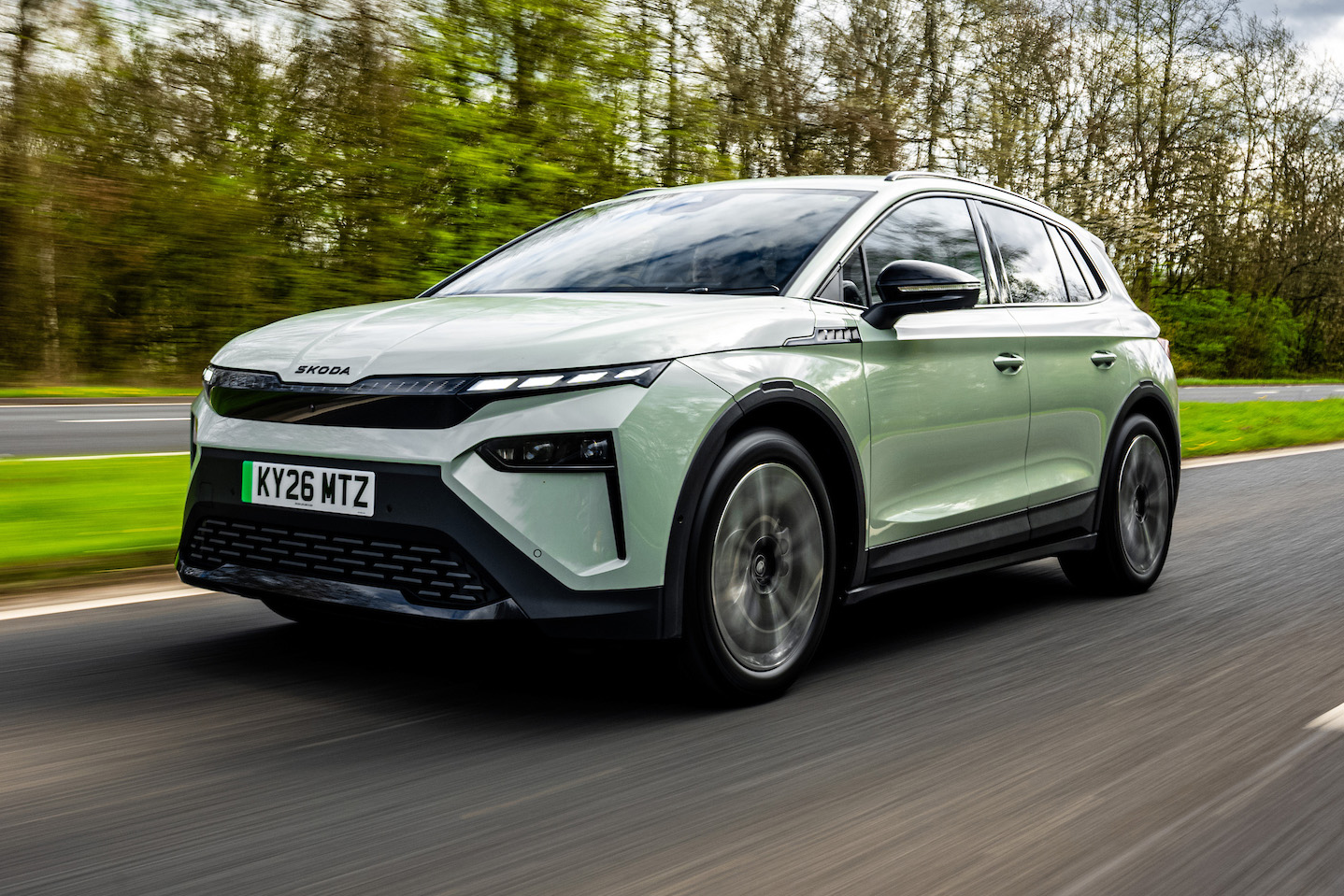
Popular models using the MEB hardware include the Audi Q4 e-tron, the sporty Cupra Born and the retro-inspired VW ID. Buzz. It also forms the basis for both the Ford Explorer and the Ford Capri. Our choice is the MEB-based model that’s the most popular electric car across Europe – the Skoda Elroq.
It’s a great family-sized SUV, proving both comfortable and spacious for five passengers, with capacious 470-litre boot behind the rear bench seat. Despite Skoda being a value-focused brand, there’s no sense of cheapness to the Elroq’s interior – in fact, it feels more upmarket inside than the Volkswagen ID.4 manages to, with soft-touch plastics and fabric covering for large sections of the dashboard.
The now entry-level SE L specification includes welcome equipment such as front parking sensors, heated front seats and a heated steering wheel, but you need to go one step up for the Edition version if you crave a wireless smartphone charging pad, keyless entry and dark-tinted rear privacy glass. It’s a pity none come with the physical climate control adjusters as seen in the Skoda Kodiaq, though.
With the 61kWh battery fitted to the Elroq SE L 60 a claimed 279 miles of driving is possible, equating to around 230 miles away from lab conditions. Go for the 84kWh alternative in the similarly confusingly badged Elroq 85 and that extends to a claimed 370 miles or roughly 330 in the real world.
Inclusive of its ECG discount, the Skoda Elroq 60 starts at just under £32,500, with the upgrade to the larger battery costing a further £3100. The smaller one will suit most people just fine – just think how much electricity three grand buys you.
Expert guidance: how to choose your electric car
Small, family-sized or seven-seater electric car?
The right size of EV for you depends on a combination of financial and practical considerations. As well as your purchasing budget, it's worth thinking about ongoing running costs such as electricity consumption, insurance and maintenance, together with everyday factors including the size of your driveway or garage, or whether off-street parking near you is fraught with awkwardness.
Perhaps the biggest deciding factor is how your electric car will be used on a day-to-day basis, which is often closely linked to the needs of your household.
Smaller EVs are usually the most affordable to buy and run, but that lower cost tends to also mean less passenger and boot space. They can be an excellent fit for couples or young families with one or two small children, where limited rear legroom is unlikely to cause problems. Even so, their relatively small rear door openings can make lifting bulky Isofix child seats in and out trickier, while the modest boot capacity may struggle to accommodate a pushchair, all the associated baby equipment and a weekly grocery shop at the same time.
A medium-sized, EV, such as a family SUV, addresses many of those compromises by offering more rear passenger space and a larger boot, although both purchase prices and running costs inevitably increase. The extra room also helps as children grow older, but squeezing three occupants across the rear bench can still prove uncomfortable, particularly when child booster seats or adult-sized teenagers are involved.
Large electric cars, including seven-seater SUVs and MPVs offer the greatest levels of passenger and luggage space. It’s important to note that the rearmost row of seats isn’t always spacious enough for adult passengers in some SUVs, so be clear about how often they could be used before you buy. As you would expect, the benefits of the additional space come with correspondingly higher purchase prices and day-to-day running costs.
Boot space vs passenger space
Whether passenger space or boot capacity matters most depends on how you'll use your electric car. Fortunately, most five-seat EVs offer a sensible compromise, with the biggest trade-offs usually found among the smallest models and seven-seaters.
Compact electric cars with particularly generous boots often sacrifice rear legroom, although some feature sliding rear seats that let you prioritise either passenger comfort or luggage space as required.
Even without this flexibility, small electric SUVs are generally roomier than similarly sized hatchbacks because their higher seating position allows occupants to sit more upright, making better use of the available cabin space.
Electric seven-seaters can present a different compromise. While they can carry seven people, boot space with all three rows of seats in use is often limited to a few small bags, making holidays and airport trips impractical.
If you regularly need to transport seven passengers with their luggage, a large electric MPV is usually a better choice than an SUV. Their van-based design provides significantly more interior space, which is why they're far more common than SUVs in airport shuttle and chauffeur fleets.
If you'll never use the additional seats, buying a five-seater EV is the wiser option. Paying extra for a third row that stays permanently folded is much like buying a bookcase to put your e-reader on.
Electric vs hybrid vs petrol vs diesel
Choosing between a fully electric car, a hybrid, or a traditional combustion-engined vehicle largely comes down to how you balance running costs, driving habits and access to charging or refuelling.
Electric cars produce the least emissions when factoring in their manufacturing and shipping as well as driving, as well as the cheapest energy costs per mile, particularly when charged at home overnight.
They also deliver smooth, quiet performance and strong low-speed acceleration thanks to instant torque. In urban driving, they are highly efficient and well suited to stop-start conditions where regenerative braking helps recover energy.
However, their real-world usability still depends heavily on charging access and long-distance journeys can require planning around public charging infrastructure. While this is improving, it can still be less convenient than refuelling a petrol or diesel car. Motorway efficiency also drops significantly compared with city driving due to aerodynamic drag at higher speeds.
Hybrid cars sit between the two extremes. Full hybrids can operate on electric power at low speeds and recover energy through braking, reducing fuel consumption in town without needing external charging. Plug-in hybrids go further, offering a limited all-electric range for short commutes while retaining a combustion engine for longer trips.
The compromise is complexity – both carry an engine and an electric drive system, which adds weight and reduces efficiency once the battery is depleted, especially on longer motorway journeys.
Conventional petrol and diesel cars remain the most straightforward option. They offer fast refuelling, predictable long-distance capability and an easily accessed infrastructure. Diesel engines in particular can still be efficient on motorway runs, while petrol cars are generally smoother and simpler to maintain. The downside is higher fuel costs over time and significantly higher emissions compared with electrified alternatives.
Ultimately, electric cars suit those with reliable charging and mostly short to medium journeys, with long-distance driving requiring additional planning that soon becomes second-nature.
Towing needs
Most electric cars on sale can tow a trailer, although at the smaller end of the market many have not been homologated for hauling in order to prevent too much electrical energy being consumed from modestly sized batteries.
Typically, EVs are engineered to tow lower weight capacities than their diesel- and petrol-engined equivalents for the same reason. It’s a similar thought process behind many electric cars having top speeds which are electronically governed well below their maximum potential – it prevents energy from being consumed unnecessarily.
When most people decide they want an SUV for towing, they typically mean for heavy trailers such as horseboxes, which means opting for a larger, heavier and more expensive model as these are the ones homologated to pull the legal maximum capacity for braked trailers of 3.5 tonnes.
Most SUVs capable of towing the maximum braked trailer limit are diesel-powered, where their engines’ torque characteristics make lighter work of heavier horse boxes. However, the Porsche Cayenne Electric is the first EV on sale to match that 3.5-tonne maximum towing capacity, providing you also specify a couple of pricey options – otherwise it’s restricted to 3.0 tonnes.
Motorway comfort
Electric cars can prove comfortable and quiet for extended motorway driving, but they also tend to be far more energy inefficient in the process. Stop-start urban driving promotes EVs’ efficiency because the main reasons for draining the battery pack worsen dramatically with increased speed.
In cities, EVs can benefit more from regenerative braking. Instead of wasting kinetic energy as heat when slowing down, they recover a portion of it back, converting it into electricity which is stored in the battery. Combined with lower speed driving and idling in traffic, this makes urban efficiency very high.
On motorways regenerative braking is used far less often, with energy consumption increased due to the car’s aerodynamic drag. As speed increases, air resistance rises disproportionately, roughly squaring with speed, meaning the power required to push the car through the air increases even more steeply. At steady high speeds, this becomes the single biggest drain on EVs’ batteries.
Generally speaking, electric cars with lower bodywork, such as hatchbacks and estates, are more energy efficient than taller SUVs and MPVs thanks to their superior aerodynamics.
Rolling resistance from tyres also increases with speed, although many electric cars are shod with alternatives which sacrifice a little grip to lessen the effect. Equipment such as climate control has a relatively smaller but constant impact, further reducing overall efficiency per mile.
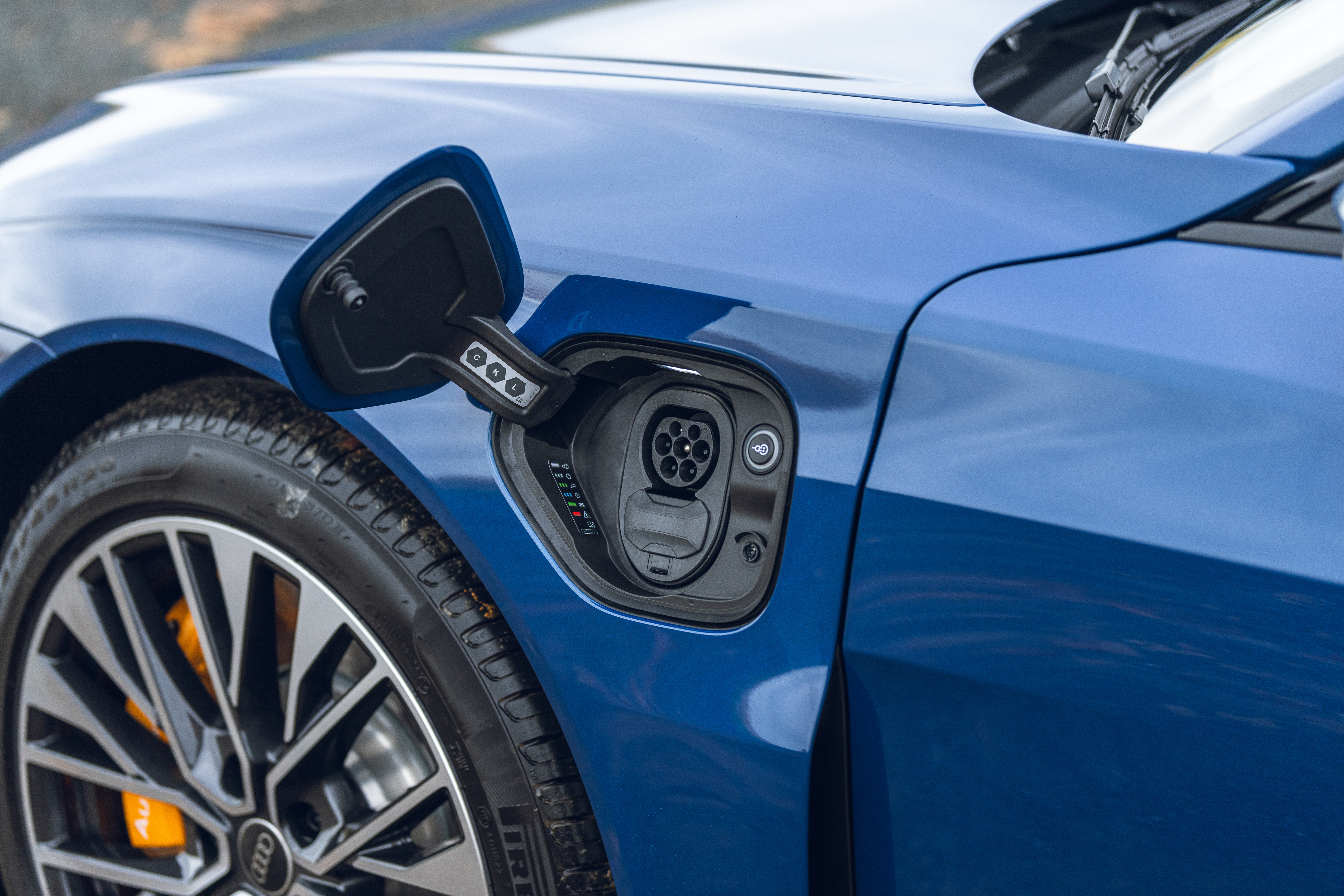
Running costs
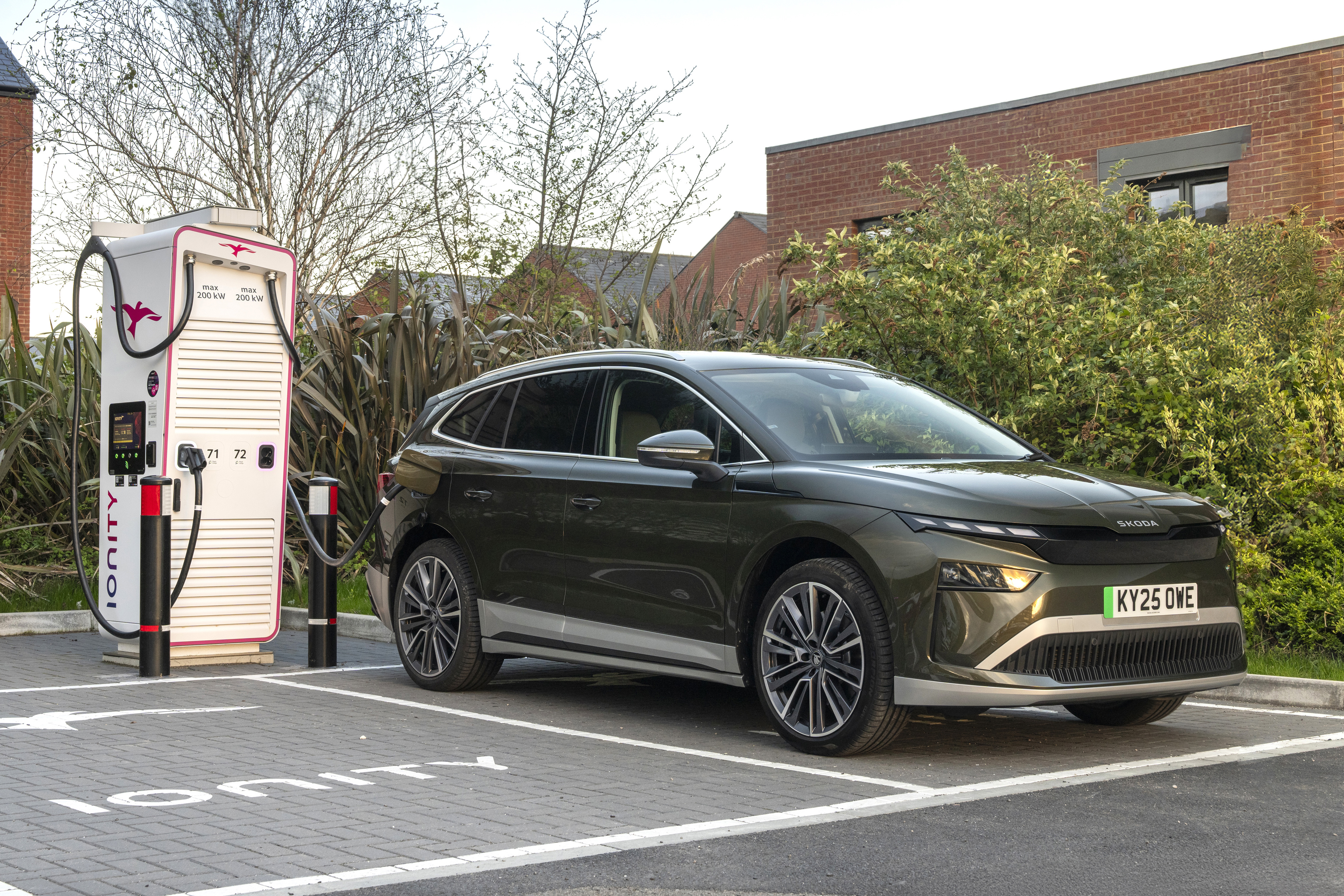
For the most part electric cars are generally less expensive to run than similarly sized models with combustion engines. Electricity is cheaper than pump petrol or diesel, providing you primarily charge at home using a dedicated wallbox. Doing so could enable you to switch to an even cheaper EV-friendly tariff.
Using public charging stations can prove very expensive, so using them should only really be considered when it’s necessary to complete your journey. Even then it’s prudent to only recharge to cover what you need to get back home and plug in there.
As mentioned above, electric SUVs and MPVs usually have more aerodynamic drag than lower-height bodystyles, increasing their energy consumption, something to bear in mind before making a purchase.
Servicing costs for EVs are usually lower thanks to them having fewer mechanical parts, which also means the intervals between them are longer. Components such as brakes are also usually smaller – and cheaper – on EVs due to their regenerative braking action and require replacing less frequently.
All EVs will be subjected to an additional eVED tax charged at 3p per mile from April 2028, with annual increases in that rate expected. Although it’s an additional cost, EVs will still be cheaper to run overall than petrol and diesel cars.
If buying a new EV it’s also worth noting that the Expensive Car Supplement threshold is £50,000 – that’s £10k higher than for all other cars. Opting for a model less than that price means you will avoid additional annual taxation between years two and six of ownership, currently priced at £440 per annum. See our full guide to VED car tax rates.
Used vs new vs lease
Whether you choose a new or used EV will largely come down to what you can comfortably afford.
New models often come with longer warranties and may be supported by manufacturer incentives, as well as potential eligibility for government schemes such as the Electric Car Grant (ECG). The trade-off is that new vehicles typically suffer the steepest depreciation in their first few years.
Used electric cars avoid that initial drop in value, with depreciation slowing significantly once a car is beyond its third year. The savings can be substantial, but ownership costs may start to rise as the vehicle ages, with annual MOT testing required and routine wear items such as tyres and brakes becoming more likely to need replacement.
Specification is another consideration. On the used market, you are limited to what was originally ordered, so desirable equipment may not always be present. Buying new allows you to tailor the car with factory options, provided they remain within budget.
Most buyers use some form of finance rather than paying outright. Hire Purchase (HP) spreads the full cost of the vehicle plus interest across the agreement, making it more expensive on a monthly basis but straightforward in structure.
Personal Contract Purchase (PCP) works differently, financing the expected depreciation of the car over the term. This usually results in lower monthly payments, although used-car PCP rates are often higher, which can narrow or even reverse the cost advantage compared with new models.
At the end of a PCP agreement, you can buy the car for its Guaranteed Future Value (GFV), part-exchange it using any equity above that figure, or simply return it. Personal Contract Hire (PCH), or leasing, is closer to a long-term rental with no purchase option, typically offering lower monthly payments and sometimes including servicing.
Ultimately, no single option is universally better; the right choice depends on your financial priorities and how you want to manage ownership.
Find an electric car for sale
Volkswagen ID.Buzz250kW Commerce 79kWh Auto 4Motion
20263,051 milesElectric£39,440
inc. VATYO304WWVolkswagen Golf99kW e-Golf 35kWh 5dr Auto
201952,490 milesElectric£9,961
LE111APVolkswagen ID.Buzz210kW Style Pro 86kWh 5dr LWB Auto [7 Seat]
20261,723 milesElectric£54,991
OL12BBVolkswagen ID.Buzz250kW GTX Pro 86kWh 5dr 4MOTION LWB Auto [7 Seat]
20269,200 milesElectric£52,990
WR99AUVolkswagen ID.Buzz210kW Commerce Plus 79kWh Auto
20254,055 milesElectric£34,789
inc. VATB64RGVolkswagen ID.Buzz150kW Style Pro 77kWh 5dr Auto
202317,618 milesElectric£34,700
CW15XNVolkswagen ID.Buzz210kW Style Pro 79kWh 5dr Auto
20255,989 milesElectric£49,900
GL24NEVolkswagen ID.Buzz210kW Commerce 79kWh Auto
20262,989 milesElectric£32,989
inc. VATL249PB
More electric car guides
From choosing the right EV to understanding charging, running costs and more, our guides can help.