- Home
- …
- Electric Cars
- Cheapest electric cars in 2026: Budget EVs reviewed and rated
01/07/2026
Cheapest electric cars in 2026

Written By Tom Phillips
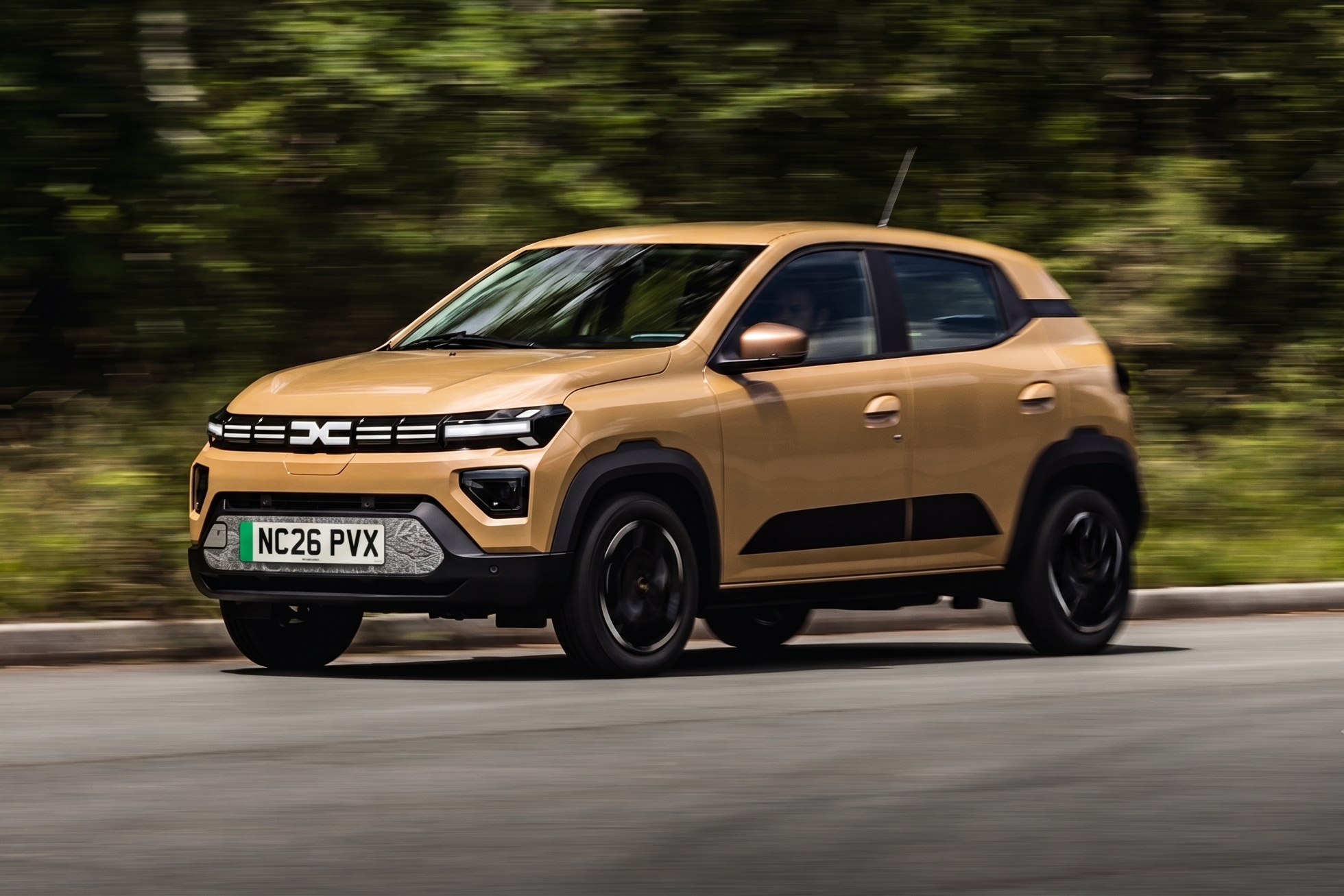
The days when electric cars were expensive luxuries are rapidly disappearing. Thanks to improved battery technology, increased competition and a growing range of smaller EVs, there's now an electric car to suit almost every budget.
Whether you're buying your first new car, looking to reduce your running costs or simply want to make the switch away from petrol or diesel for environemental reasons, the cheapest electric cars on sale today are more capable than ever.
Less expensive to buy, inexpensive to run
Low purchase prices are only part of the story with electric cars because they are also significantly cheaper to run, especially if you can charge at home on an off-peak electricity tariff.
With fewer moving parts than petrol and diesel cars, servicing costs for EVs are often lower, while components such as brakes are not only smaller, they last longer because the motors themselves are used to slow the car down, generating extra charge for the battery in the process. Do bear in mind that insurance is usually more expensive for EVs.
Does a low price also mean a small driving range?
No, it doesn't. Many of the latest affordable EVs offer ranges of well over 200 miles, which are far higher than the average UK driver's weekly mileage.
Of course, buying the cheapest car isn't always the best value. Battery size, charging speeds, standard equipment and practicality can vary considerably, even between similarly priced models. A car with a slightly higher price may prove the better buy if it offers longer range, faster charging or more space for family life.
In this guide we've rounded up the cheapest new electric cars you can buy in the UK today. From compact city cars to practical family hatchbacks and small SUVs, these are the EVs that prove you don't need a huge budget to get behind the wheel of an electric car.
10 cheapest electric cars in the UK
1. Dacia Spring
Prices start from £11,990
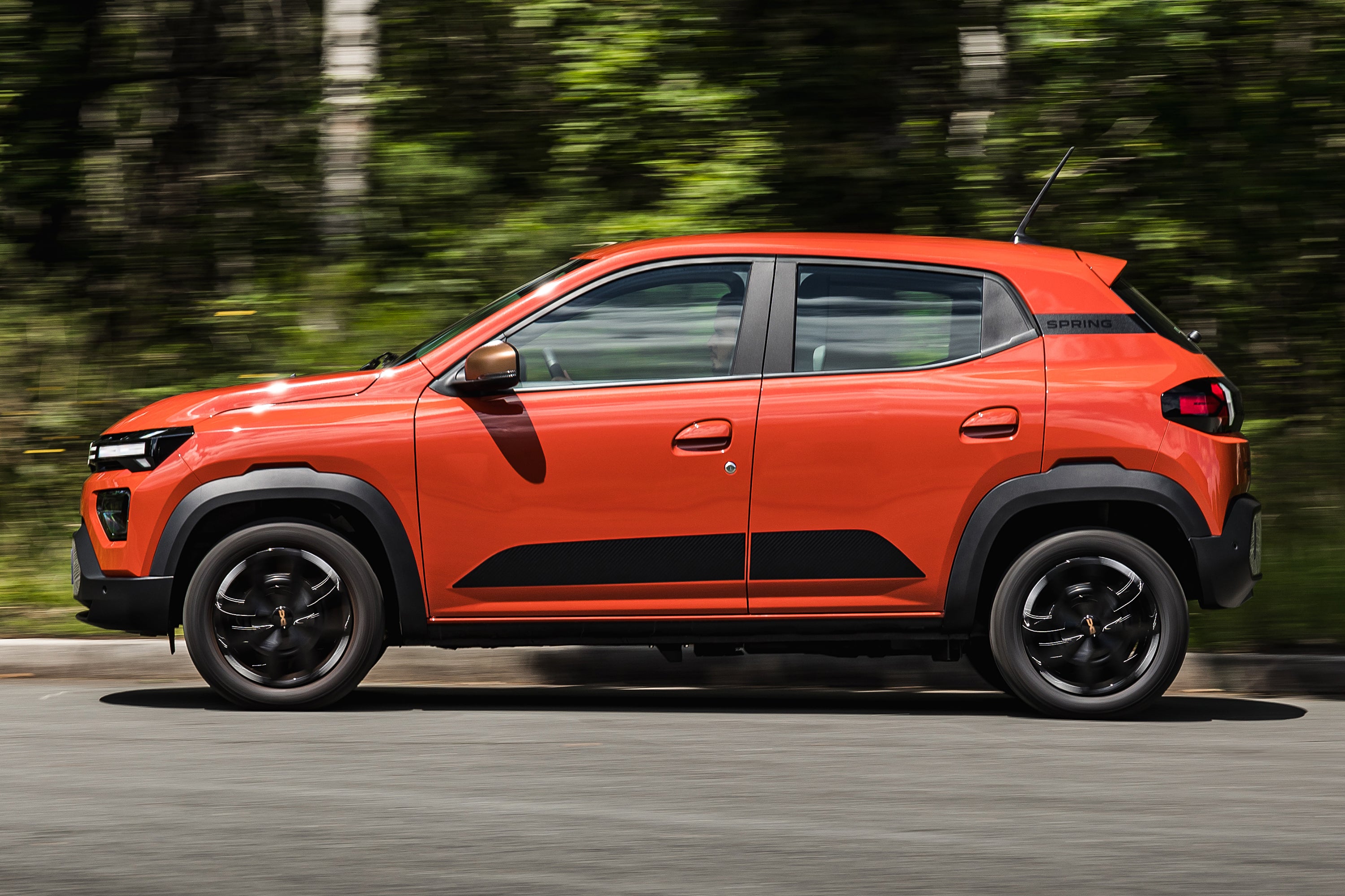
The Dacia Spring isn’t just the cheapest EV the company sells, it's the cheapest car currently on sale. And yes, 'car' is an important distinction here – both the Citroen Ami and Fiat Topolino cost less, but they're legally classed as light quadricycles, with a number of limitations including a 28mph top speed. At 3701mm long, the Spring is tiny but you can just about fit four adults in it comfortably for shorter trips.
Its tiny size means it’s better as a second car for running errands, where its reasonable 308-litre boot can swallow a decent amount of shopping. It’s quite fun to drive around town too, although it rolls significantly in corners, making it less comfortable for passengers.
When it launched, the Dacia Spring was down on power, but has since been given a significant upgrade, improving the quality of trim inside and out, finessing the suspension and adding safety kit. You also get more powerful 70PS and 100PS motors fed by by a 24.3kWh battery that gives up to 140 miles of official driving range. That’s more than enough if using the Spring for local trips.
If you can afford the £1000 extra, the Dacia Spring Extreme includes the 100PS motor, a 10-inch multimedia touchscreen with sat-nav, front parking sensors and a rear parking camera, proving that going cheap doesn’t mean you have to be short of luxuries.
2. Leapmotor T03
Prices start from £15,995
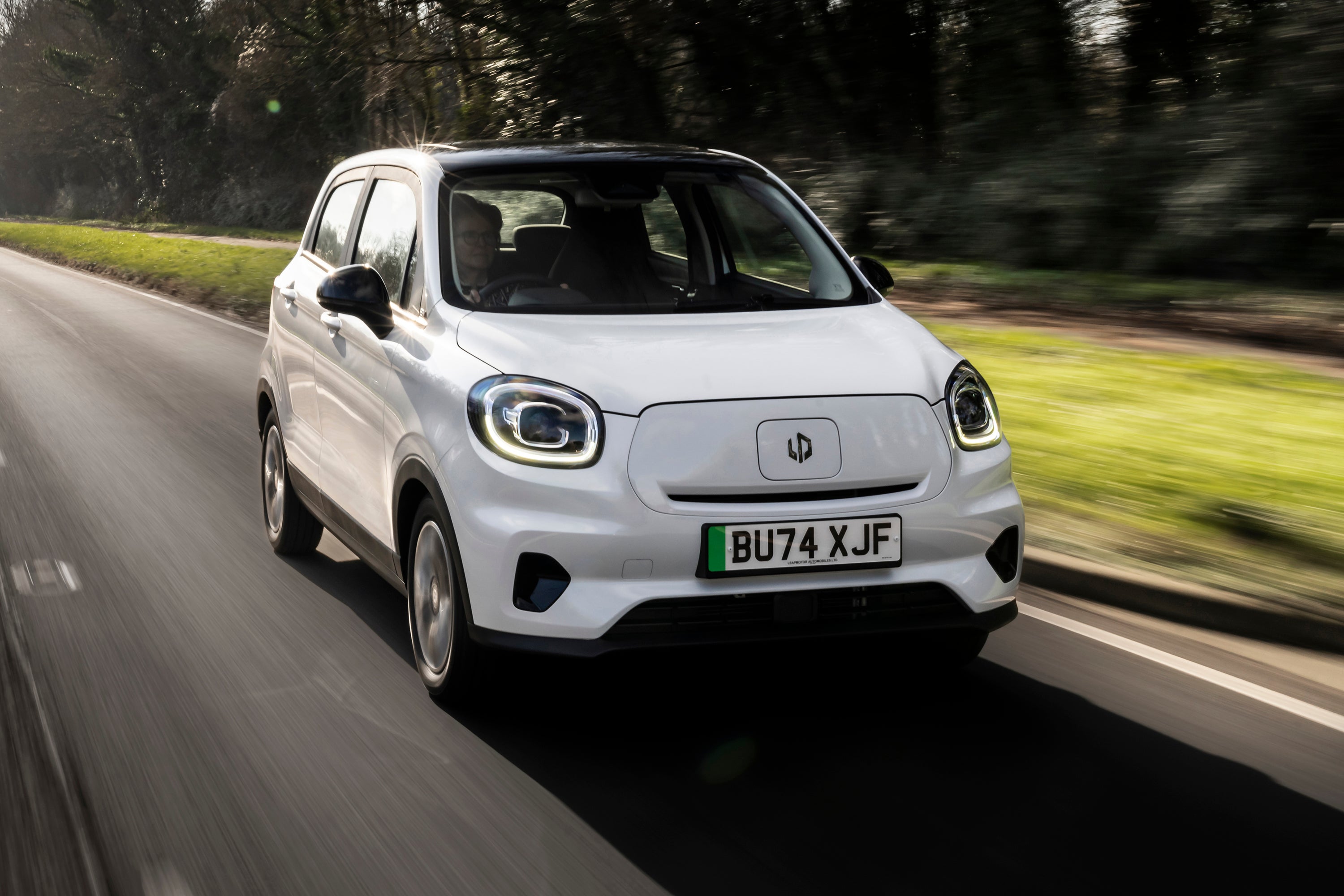
In cash-strapped times, Leapmotor – with its generous 'everything as standard’ policy on all of its models – is a welcome addition to the UK market. That means the tiny Leapmotor T03, which still gets a long list of equipment including 15-inch alloy wheels, a panoramic sunroof, a 10.1-inch infotainment touchscreen and a reversing camera all thrown in.
Power for the 95PS electric motor comes from a 37.3kWh battery, giving the T03 an official range of 165 miles, likely relegating it to second-car duties, rather than the only transport for a growing family.
Despite being the size of the old Fiat 500, the T03 is spacious and fairly comfortable around town, although it’s not the quickest off the mark. And while the Leapmotor features a stack of driver assistance systems, they’re annoyingly intrusive more often than not.
Prices for the T03 officially start at £15,995, although there’s a long-term sales offer of a £3000 Leap Grant saving, cutting the price down to £12,995, second only to the Dacia Spring.
3. BYD Dolphin Surf
Prices start from £18,675
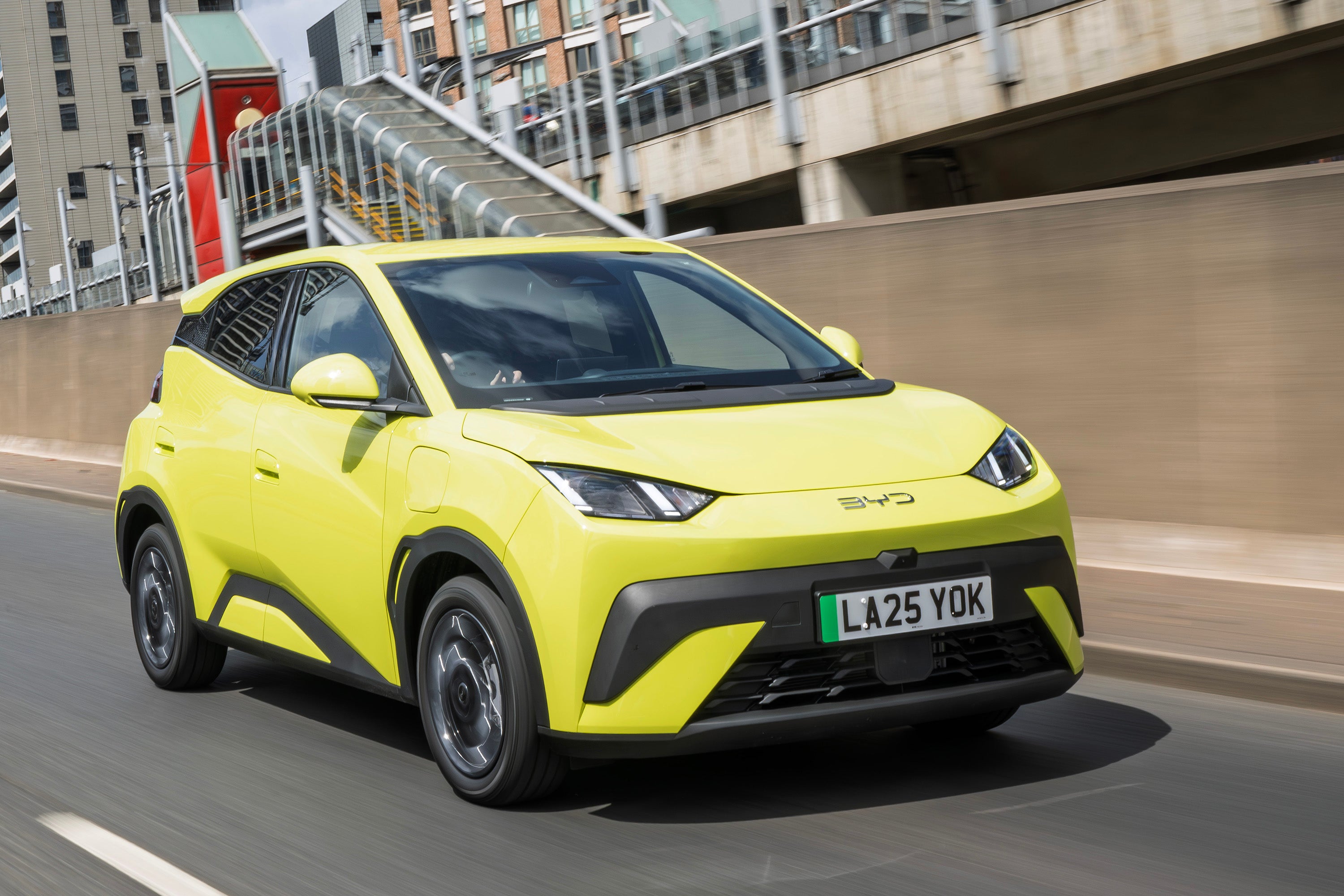
Despite its tiny size, the BYD Dolphin Surf is another bargain EV that comes packed with equipment. Every model includes a 10.1-inch infotainment touchscreen with navigation along with Android Auto and Apple CarPlay. The low price means you might expect to need to forgive the little BYD some quality blips, but the interior feels like it’s made from solid materials.
Its tiny size means once again that the Dolphin Surf is better used as an second, local use car, although you can fit four inside with 308 litres of boot space. It’s not the most comfortable to drive thanks to a bouncy ride, plus it's quite noisy despite running on electric power.
Entry-level Active models have a 30kWh battery and 88PS electric motor giving an official driving range of 137 miles, which is enough for plenty of trips to the shops and the school run.
However, step up to the mid-range Boost and you get a larger 43.2kWh battery, upping range to 200 miles. If buying on finance it’s worth keeping an eye on which trim is cheapest, as Boost models are often cheaper per month, thanks to larger deposit contributions than entry-level cars receive.
4. Honda Super-N
Prices start from £18,995
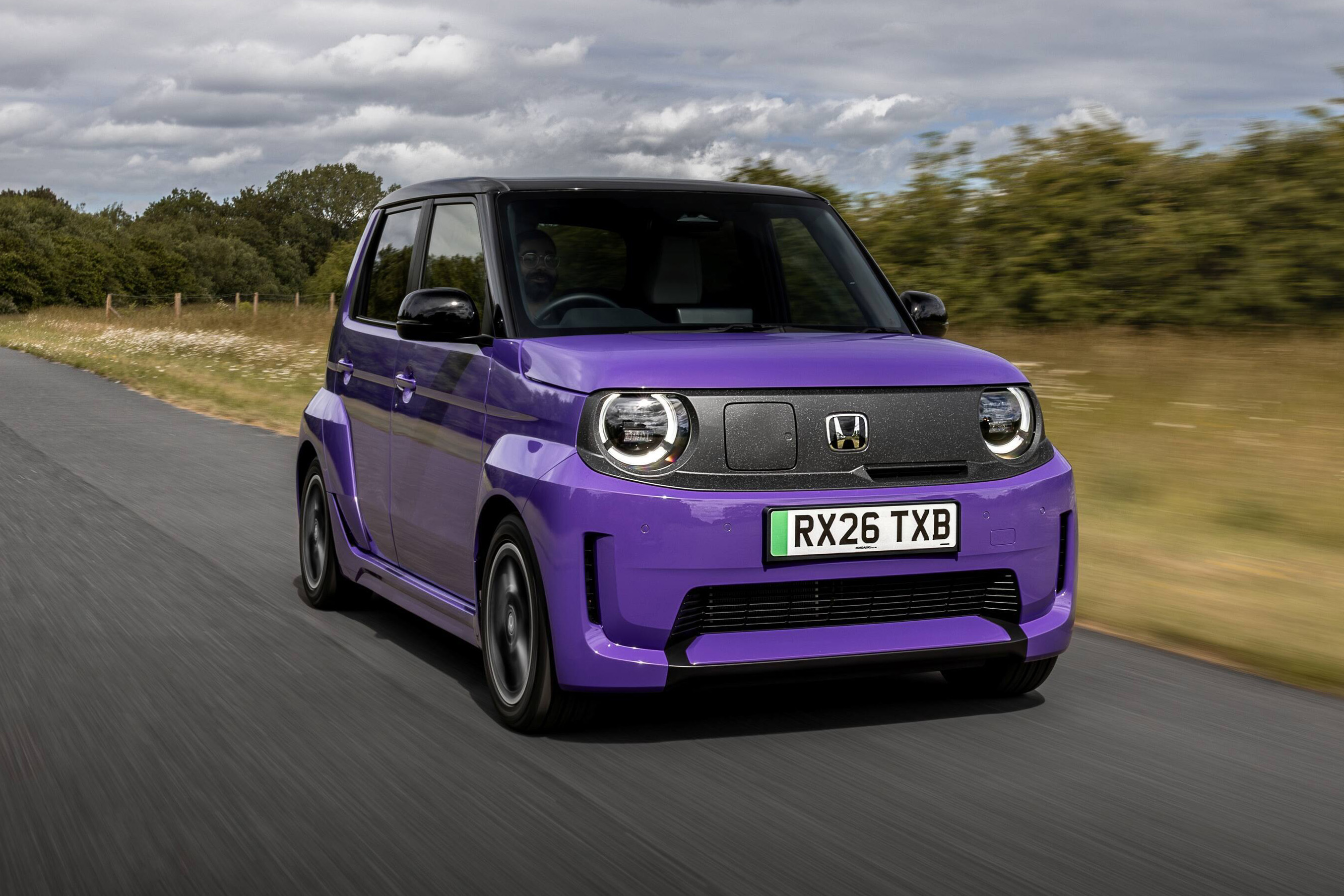
The Honda Super-N is proof that you don’t have to spend a fortune to buy a car with lots of character. It’s based on the Japanese market Honda N-One E, which is an EV built to that nation’s kei – or light – car regulations. For the UK, Honda has given the Super-N a pint-sized superhero bodykit and worked hard on the suspension and tyres to make it really fun – if firm – to drive.
Power is just 64PS, but there is a boost mode which increases this to a much more reasonable 95PS. In a car this small, it’s great for nipping in and out of traffic, making it a perfect second car for those who don’t want to compromise on driving fun.
The battery is tiny at 29.6kWh, meaning range is an equally small 128 miles. However, around town the Super-N is certainly a way to stand out, especially so in that Boost Violet Pearl paintwork which is that standard colour – you'll pay extra if you want black, blue, grey or white.
In terms of space, the boot is miniscule at just 162 litres, but the Super-N does get the same Magic Seats in the back as the Honda Jazz with bases that flip up, giving space to carry taller items by making the most of its relatively high roof. Despite the fact it’s only 3599mm long, the Honda Super-N also has rear doors, making access for rear-seat passengers easier.
5. Citroen e-C3
Prices start from £19,995
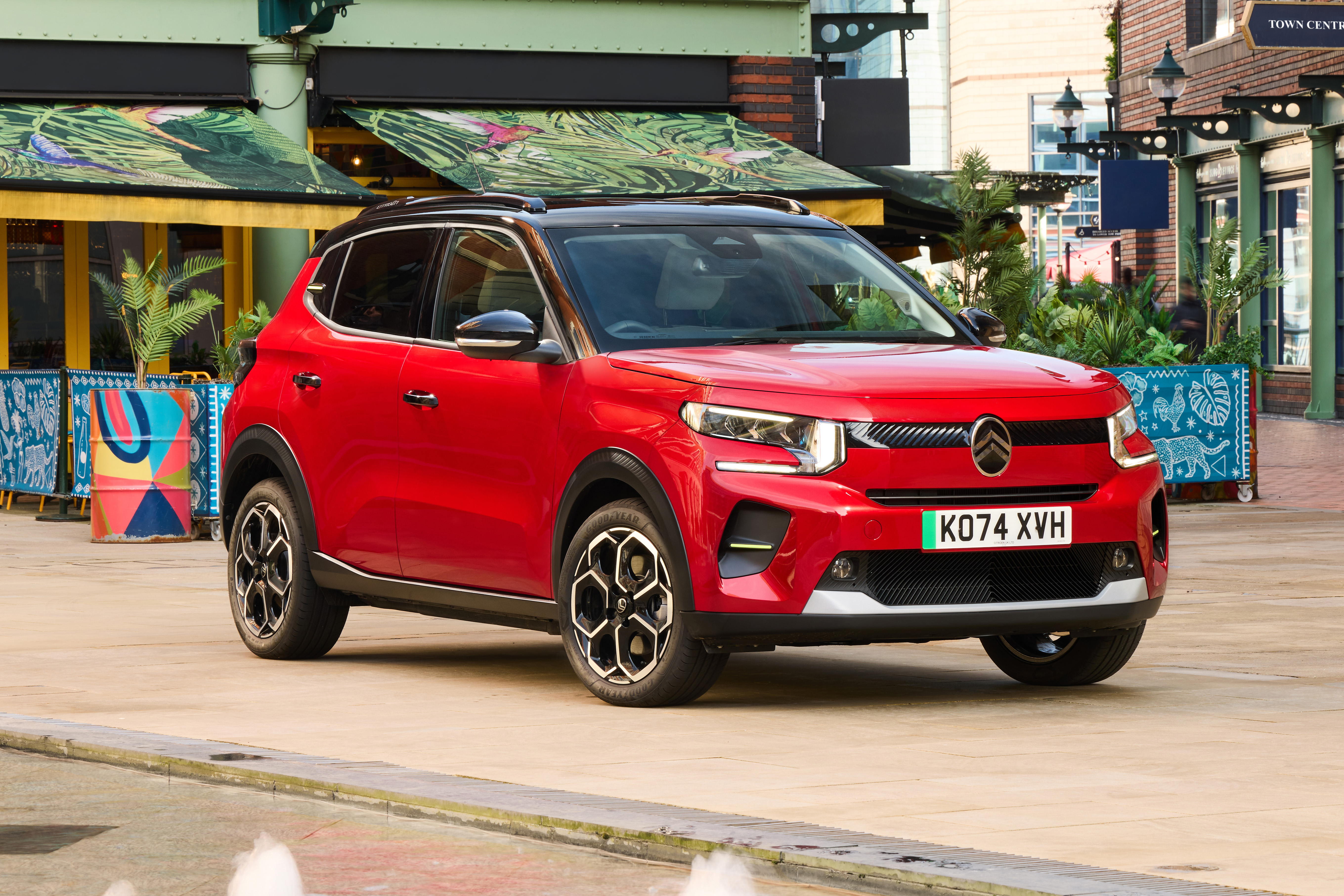
The Citroen e-C3 proves that buying one of the cheapest electric cars on sale no longer means settling for something that feels stripped-out or compromised. In fact, it's arguably the sweet spot of the Stellantis family of small EVs. It shares the group's Smart Car Platform, electric motor and battery technology with models including the Fiat Grande Panda Electric and the Vauxhall Frontera Electric, yet undercuts many of them on price, while still feeling like a properly rounded small car.
There's a refreshing simplicity to the e-C3. Its cabin is spacious enough for four adults, visibility is excellent and the seats are among the softest and most comfortable you'll find in any car, let alone a small EV. Citroen has long prioritised ride comfort over sporty handling and that's equally true here. The suspension does an impressive job of soaking up potholes and broken urban roads, making the e-C3 feel more grown-up than many rivals.
Performance is perfectly adequate for everyday driving. The 113PS electric motor feels punchy around town thanks to the instant torque that comes with any EV, while the official driving range is up to 202 miles if you spend more on the larger Standard Range battery, which is competitive and more than enough for the vast majority of daily journeys, but the cheapest of those is £22,715. The lower price only applies to the e-C3 Urban Range, which has the same electric motor but with a tiny range of just 130 miles.
Equipment levels are generous, too. Even entry-level models get LED headlights, alloy wheels, a 10.25-inch touchscreen infotainment system with wireless smartphone connectivity and a healthy amount of driver assistance technology. On top of that, all Citroen e-C3s qualify for the government’s £1500 Band 2 Electric Car Grant (ECG) discount, bringing the starting price down to £18,495.
6. Fiat Grande Panda Electric
Prices start at £20,995
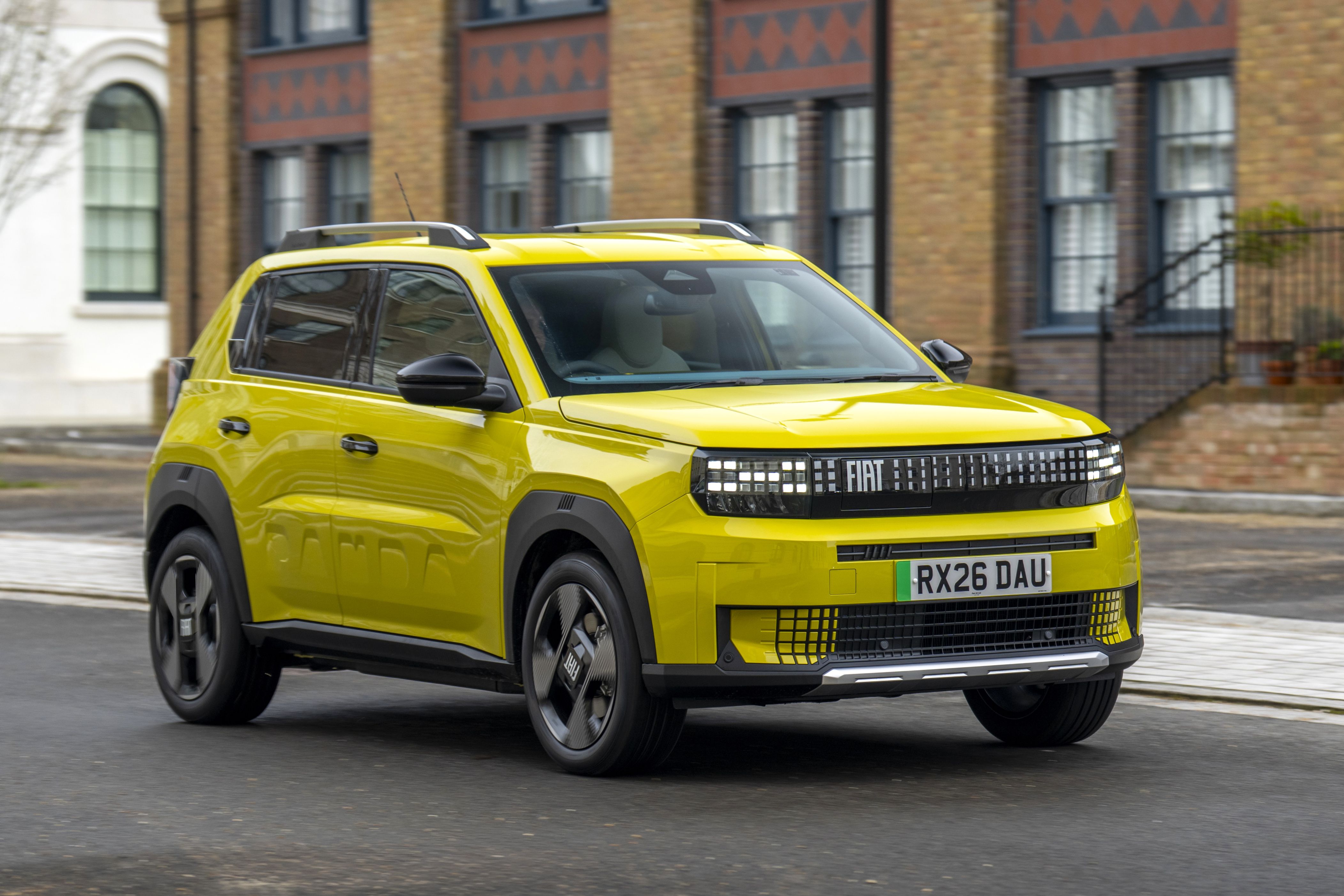
The Fiat Grande Panda Electric is very closely related to the Citroen e-C3 above, but doesn't come with the option of a smaller battery, which is why prices start a little higher.
The same 113PS electric motor and 44kWh battery as the Standard Range Citroen give the Fiat an official range of 199 miles, which is plenty to allow the Grande Panda to be used as your only family car, albeit with plenty of forward planning on longer trips.
Despite the low price tag, the design is one of the most characterful on the road, taking inspiration from the original Fiat Panda. Its squared-off lights and wheelarches add a solid feel and while it's a much bigger car than the original, it's still small by 2026's standards.
Space for a small family is decent, and includes a 361-litre boot, while the interior itself is bright and colourful, featuring clever storage solutions spread over the dashboard, itself designed to recall Fiat’s iconic Lingotto factory's rooftop test track.
Pop versions of the Fiat Grande Panda Electric include utilitarian steel wheels and a 10.25-inch uConnect infotainment touchscreen. If you are self-conscious about the budget look, Icon trim costs £1000 more and adds alloy wheels and more gloss-painted exterior details.
7. Nissan Micra
Prices start at £22,995
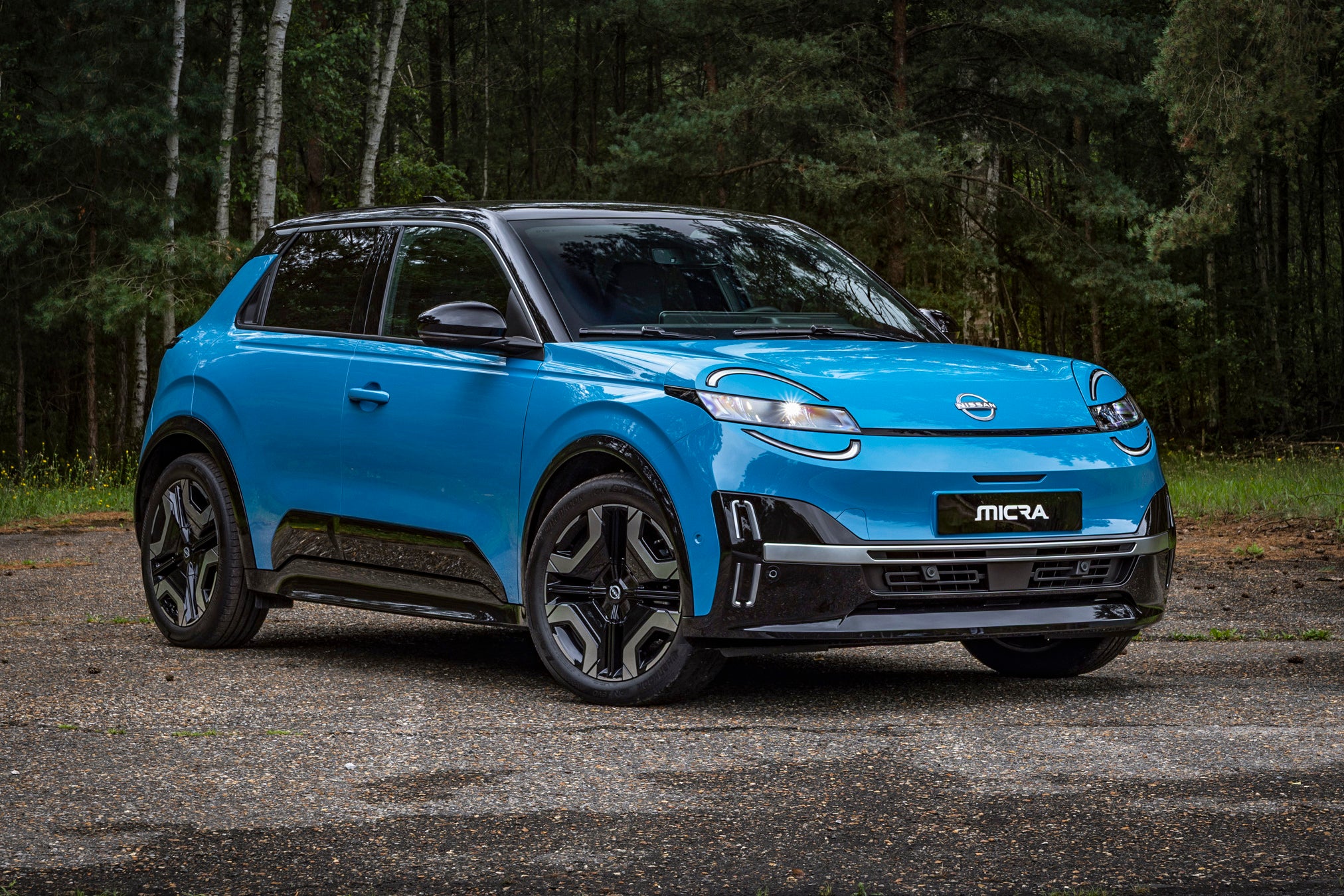
Thanks to the close relationship between Renault and Nissan, the latest Nissan Micra is essentially the the Renault 5 E-Tech with different bodywork. However, Nissan has opted for a softer, rounder and less retro exterior design, perhaps making it more of an introvert’s choice than the showier Renault.
Inside, both are identical save for a handful of upholstery and and finish differences, with plenty of space in the front, lots of equipment and pleasant materials, making trips a pleasure. It’s still a small car though, so it’s more likely to be favoured for a family’s second-car duties, but fine if you’re flying solo.
If it’s a second car, the Micra's 40kWh battery, which gives up to 196 miles of official driving range will likely be fine. You also get four more miles of driving than in the Renault, despite it being the same battery and motor combination. There’s also the option of a Micra 52kWh yielding up to 257 miles of official WLTP range, five more than the Renault.
Thanks to the government's ECG discount, which is £1500 for the small battery and £3750 for the big one, you can get a mid-range Micra Advance with the 52kWh battery for £250 less than the same specification car with the 40kWh pack.
8. Renault 5 E-Tech
Prices start at £22,995
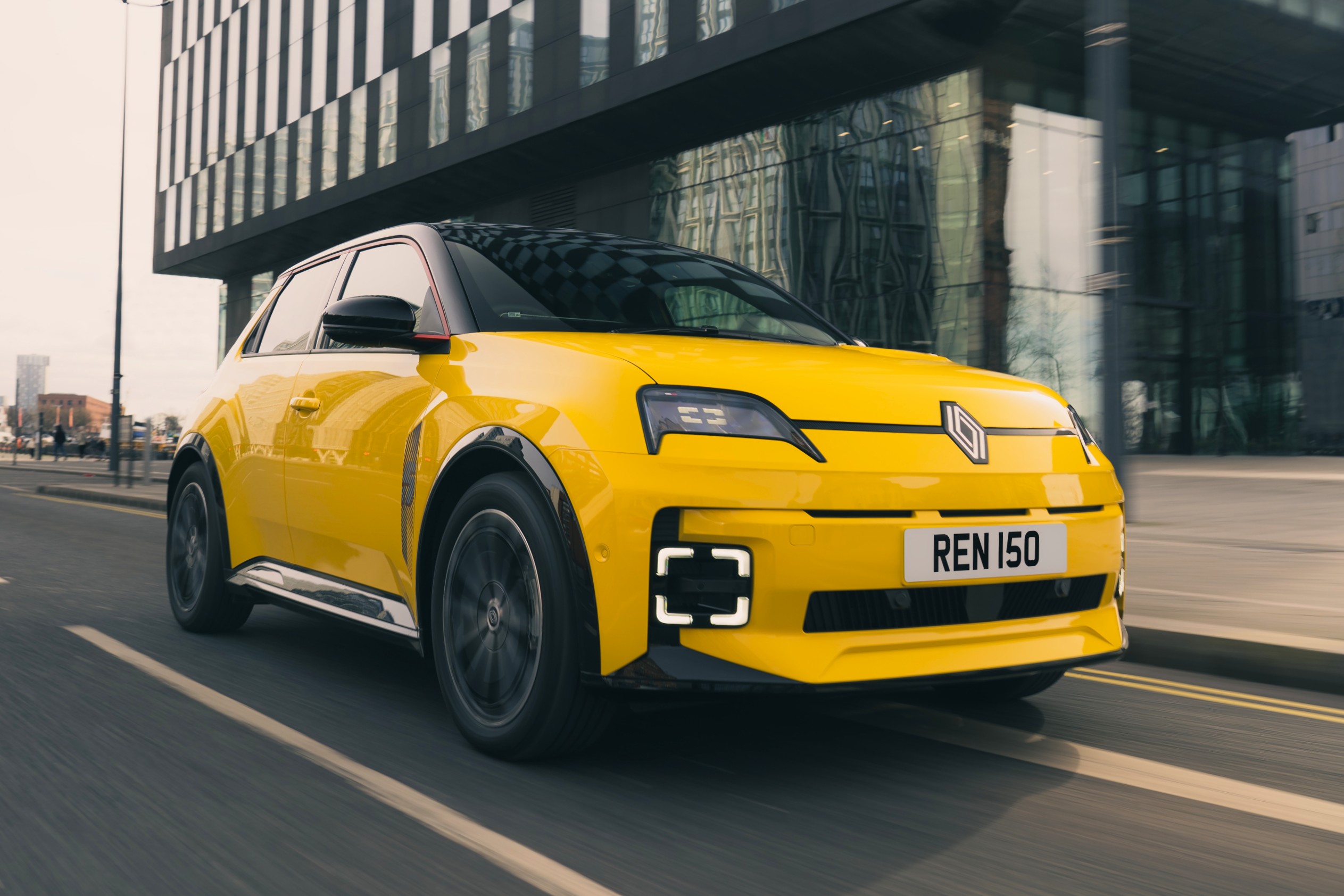
The Renault 5 E-Tech is one of the best electric cars on the market, which makes it something of a bargain as it appears in the list of cheapest electric cars. Its design is heavily influenced by the original Renault 5, with lots of retro touches, cutesy details and quality materials used throughout. Our favourite is the optional baguette holder.
It’s well equipped for the money and good to drive, with decent performance and a comfortable ride. Size-wise families might struggle for it to be their only car, but the Renault 4 E-TECH is a compact SUV built on the same platform – it also has a retro design but with a larger body and more rear seat space.
Small battery 5 E-Tech Urban Range versions come with a 120PS motor and 40kWh battery, giving a 192-mile official range. This model gets a £1500 government ECG discount, making it £21,495 on-the-road. Techno+, Iconic Five+ and Roland Garros+ models feature a 150PS motor and a 52kWh Comfort Range battery for a driving range of up to 252 miles, They also get the full £3750 ECG discount, reducing the starting price down to £23,945.
Although that makes the Renault 5 E-Tech superficially more expensive than its Nissan Micra close cousin, it doesn't take into account its more generous equipment levels.
9. MG 4 EV Urban
Prices start at £23,495
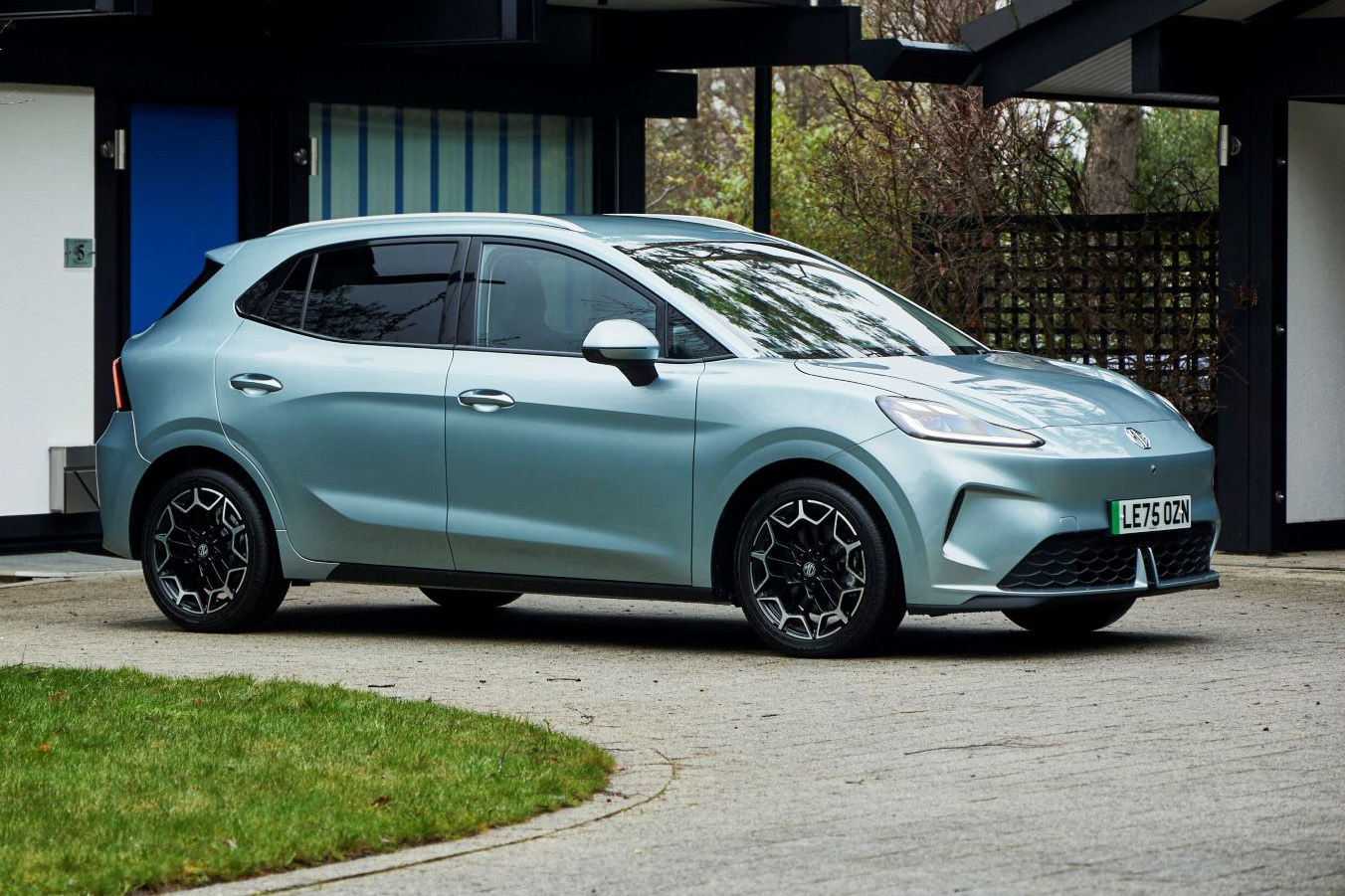
If getting the most space for your money is a priority, the MG 4 EV Urban is worth shortlisting. Its long wheelbase gives plenty of room inside for adults in the front and back, while there’s also a 577-litre boot when loaded to ceiling height, inclusive of the 98-litre under-floor space for stashing valuables or charging cables out of sight.
Its handling is good but the suspension is a little stiff, making it less comfortable than cars such as the slightly larger MG 4 EV, but otherwise it’s a very easy car to drive. For £23,495 you get an MG 4 EV Urban Comfort Standard Range with a host of useful equipment, including 16-inch alloy wheels, a 12.8-inch infotainment touchscreen, a reversing camera, and a 149PS motor fed by a 42.8kWh battery, giving an official driving range of 201 miles.
For £2000 more, you can get a 160PS motor and 53.9kWh battery in the MG 4 EV Urban Long Range, providing up to 258 miles of range range. Premium Long Range models cost £27,995 and use the higher-power motor and battery, adding 17-inch alloys, wireless smartphone charging and a heated steering wheel, but siffer a seven-mile driving range drop.
10. Hyundai Inster
Prices start at £23,755
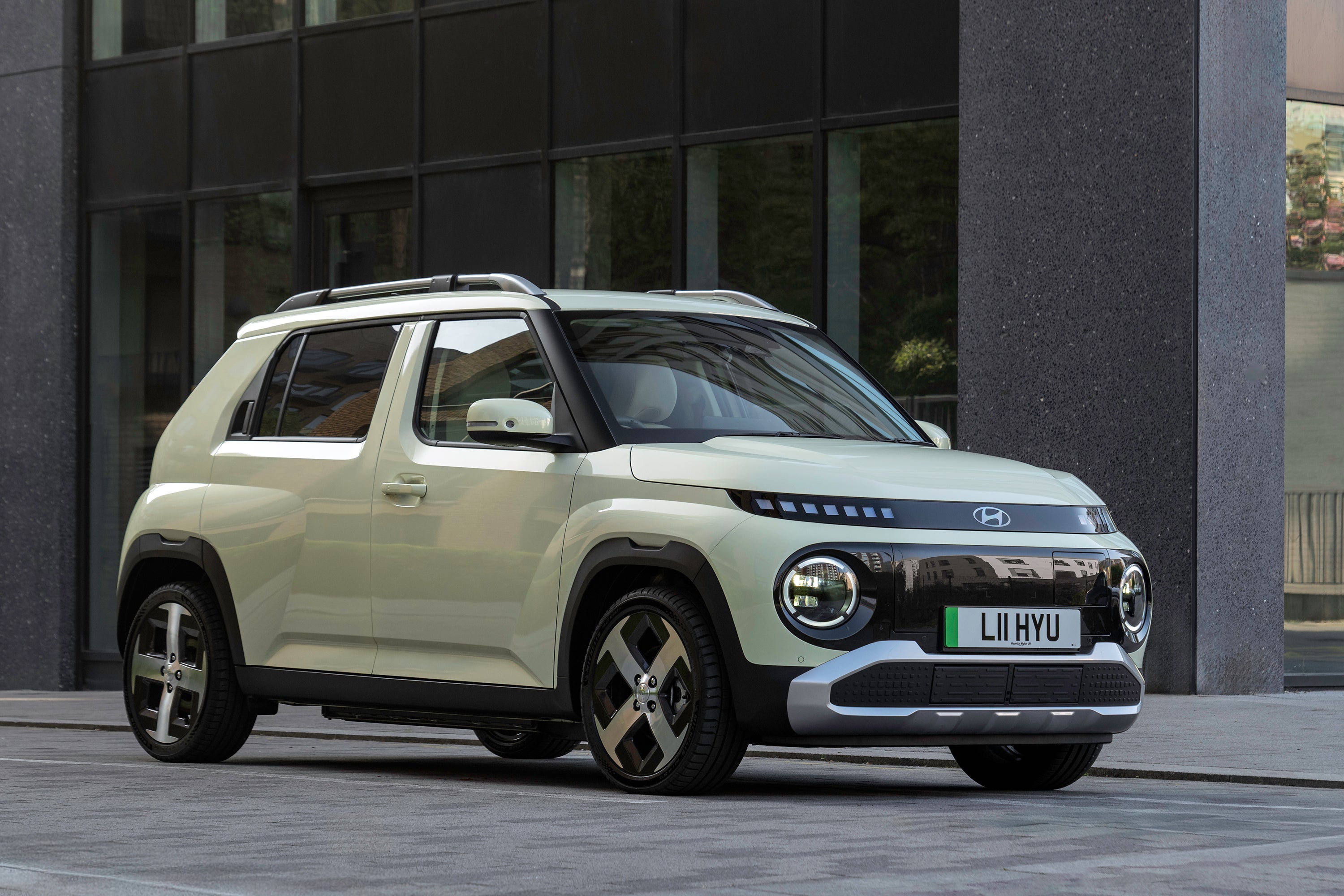
The Hyundai Inster drives comfortably, making it feel like a bigger car, but it's probably at its best as a fun second car that looks like little else on the road.
Its interior is spacious for four adults and is well equipped, with all models featuring a pair of 10.25-inch screens for the driver's display and infotainment, climate control and a heat pump, adding value for money as a string to its bow.
Boot space is capped at 280 litres on the Inster 01, but 02 and Cross versions have a 50:50-split rear seat with both sides independently sliding and reclining, providing either very generous legroom and a tiny 238-litre boot space or less passenger space and 351 litres for luggage.
The Inster 01 has a 97PS electric motor and 42kWh Standard Range battery, giving an official range of 203 miles, which is plenty for a whole host of shopping trips and requiring very little in the way of charging admin. There’s also larger 49kWh Long Range battery giving the Inster 01 up to 229 miles of range.
Both the Inster 02 and SUV-inspired Hyundai Inster Cross exclusively use the larger battery but have 17- rather than 15-inch wheels, which drops the potential range to 223 miles.
The best cheap electric car in the UK depends on your priorities, but we think the Leapmotor T03 represents excellent value for money. It's one of the cheapest cars on our list, but it still comes with reasonable space and practicality, lots of equipment and a half-decent range.
The cheapest brand new electric car in the UK changes quite regularly, depending on manufacturer finance incentives and discounts, which tend to be updated on a monthly or quarterly basis. However, the Dacia Spring is reliably one of the cheapest, with prices currently starting at £15,990, while the Leapmotor T03 is just £5 more, starting at £15,995.
Yes if an EV suits your needs and driving profile. The good news is that EV range is increasing and costs are decreasing, while the charging network continues to expand.
What’s more, in order to encourage drivers to make the switch, there are good incentives available, both from carmakers in the form of competitive finance offers like 0% APR and large deposit contributions, and from the government with its Electric Car Grant.
Yes, electric cars are getting cheaper all the time. That's because manufacturers are now producing electric cars in bigger quantities and the development costs are reduced.
It depends on your circumstances, but generally, yes if you can charge it at home. Most electric car owners have cheap overnight energy tariffs allowing them to charge their electric car at a much cheaper rate than during the day. That's still far cheaper than filling up with fuel, but if you are unable to charge at home and have to use expensive public charging, you may well find that your electric is car is barely any cheaper to run than an equivalent petrol or diesel car.
An EV battery is designed to last the lifetime of the car, but its performance will begin to degrade over time. A mix of home and rapid charging should mean on average that an EV battery will degrade by 2.3% per year.
That means an EV battery designed to last well over a decade and a six-figure mileage is likely to still offer around 75% of its original power after 10 years on the road. EV batteries generally carry an eight years or 100,000 miles warranty for added peace of mind.
More cars are eligible for the government's Electric Car Grant (ECG) every month. Here you can find the most up-to-date list of cars qualifying for the ECG.
This depends on what you perceive as adding value – is it the range of the battery or performance of the motor, or perhaps is the car’s features and spaciousness?
If you’re looking for the best all-rounder, the Renault 5 E-Tech is well worth considering, as it offers a good driving experience and generous range, plus characterful, retro looks. If practicality is more important, the MG 4 EV Urban is a good choice, thanks to its large interior and boot space.
Find an electric car for sale
Volkswagen ID.Buzz250kW Commerce 79kWh Auto 4Motion
20263,051 milesElectric£39,440
inc. VATYO304WWVolkswagen Golf99kW e-Golf 35kWh 5dr Auto
201952,490 milesElectric£9,961
LE111APVolkswagen ID.Buzz250kW GTX Pro 86kWh 5dr 4MOTION LWB Auto [7 Seat]
20269,200 milesElectric£52,990
WR99AUVolkswagen ID.Buzz210kW Commerce 79kWh Auto
20262,989 milesElectric£32,989
inc. VATL249PBVolkswagen ID.Buzz210kW Style Pro 79kWh 5dr Auto
20255,989 milesElectric£49,900
GL24NEVolkswagen ID.Buzz210kW Style Pro 86kWh 5dr LWB Auto [7 Seat]
20261,723 milesElectric£54,991
OL12BBVolkswagen ID.Buzz150kW Style Pro 77kWh 5dr Auto
202317,618 milesElectric£34,700
CW15XNVolkswagen ID.Buzz210kW Commerce Plus 79kWh Auto
20259,750 milesElectric£30,500
BS43QB
You may also like
More expert guides to help you choose your next car.