Dacia Bigster Review

Written By Phill Tromans
- 2025
- SUV
- Mild hybrid petrol, full hybrid
What we love
Huge amount of space for the money
Keen pricing across the range
Distinctive, chunky styling
Things to consider
Cabin materials still feel budget-led in places
Wind noise is more noticeable than in pricier rivals
Safety tech is not as comprehensive as the class best
The DRIVE take on the Dacia Bigster, is it the right car for you?
The Dacia Bigster is one of the clearest examples yet of how far Dacia has come. It takes the straightforward value-led thinking that made the Duster so popular and stretches it into a larger, more family-focused SUV that still undercuts much of the market by a useful margin.
There are still obvious signs of cost saving, particularly in the cabin materials and refinement, but the fundamentals are very well judged. The Dacia Bigster is roomy, comfortable enough, smartly styled and generously equipped. If you want the space and presence of a larger SUV without paying the sort of money most rivals now demand, the Dacia Bigster makes a compelling case.
The Dacia Bigster in more detail
Dacia has built its modern reputation on delivering the sort of cars buyers actually need without overcomplicating the recipe. The Sandero does it in the supermini world, the Jogger does it for seven-seat family transport and the Duster has become one of the most convincing affordable SUVs on sale.
The Dacia Bigster applies the same philosophy to a larger and more lucrative part of the market. On paper, this is a family SUV aimed at cars such as the Nissan Qashqai, Kia Sportage and Skoda Kodiaq. In reality, its blend of size and price gives it a slightly different position. The Dacia Bigster offers the footprint and cabin room of something quite substantial, but it still arrives with a starting figure that looks startlingly low in the current market.
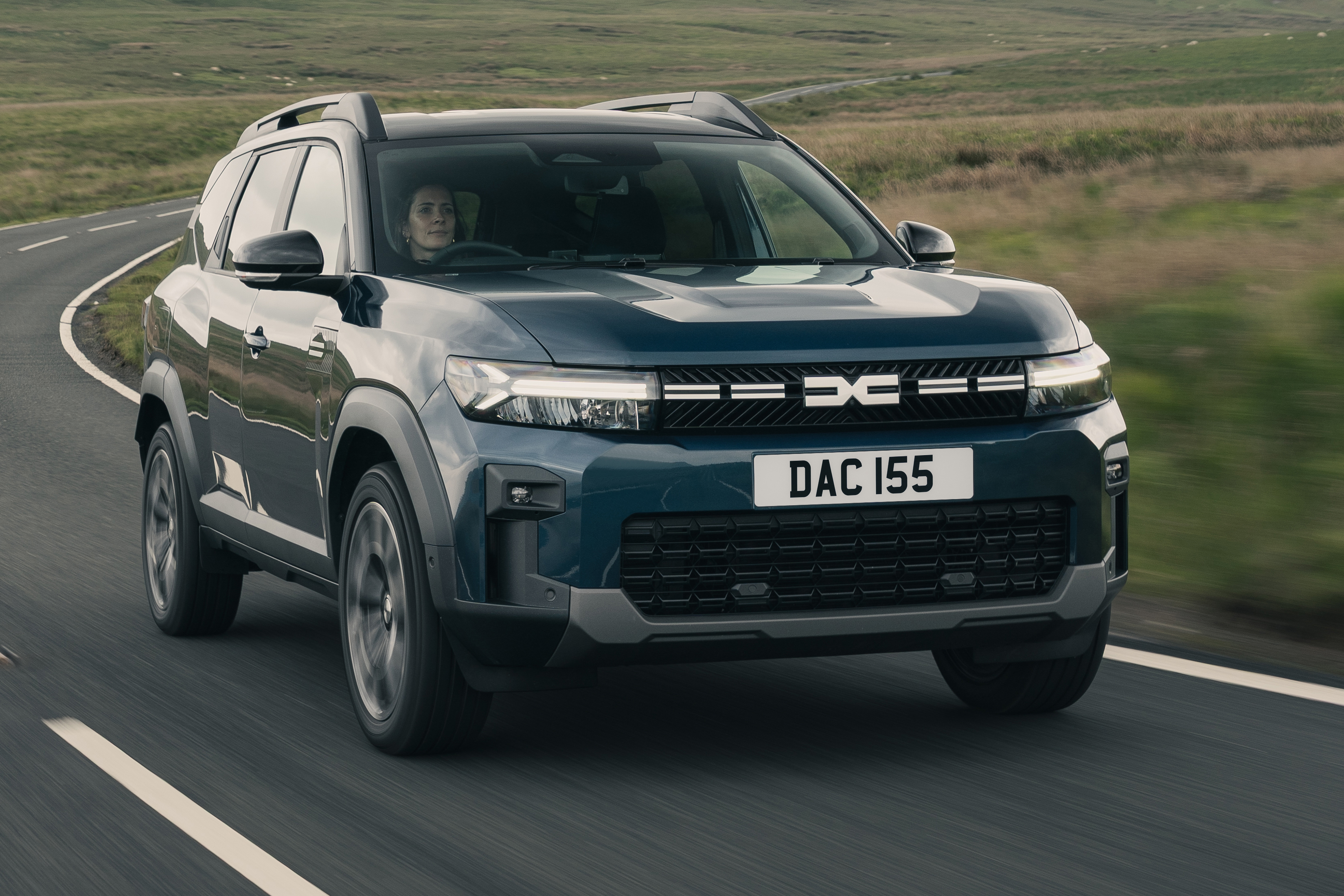
That alone would make it interesting, but the Dacia Bigster is more than just a budget curiosity. It looks good – the chunky styling works well at this size, the proportions are clean and the Dacia design language has enough sharp detailing to stop it looking anonymous. The Dacia Bigster has a lot more visual presence than many buyers might expect from a bargain-led brand.
Underneath, the Dacia Bigster shares a lot with the latest Duster, and that’s no bad thing. The Duster’s blend of comfort, simplicity and rough-road confidence gives the Dacia Bigster a sensible foundation, while the larger body and longer wheelbase help turn it into something much more family-focused.
The engine line-up is also straightforward enough to understand. The current UK range is built around the mild hybrid 140, Hybrid 155 and Hybrid 150 4x4. That gives Dacia Bigster buyers a clear choice between the mainstream front-wheel-drive manual, the efficiency-led automatic full hybrid and an automatic four-wheel-drive model with an electrically driven rear axle.
Dacia hasn’t tried to make the Dacia Bigster feel more premium than it really is. It’s better to think of it as a well-judged large family SUV that happens to offer a lot of equipment and space for the money, rather than as a cut-price rival to something overtly plush. That honesty is part of the appeal.
The places where Dacia has saved money aren’t especially hard to find. Some interior plastics are very plain, there’s more wind noise than you’d get in a pricier rival, and the active safety story isn’t as strong as the market leaders. But those compromises don’t undo the broader point. The Dacia Bigster gives you an awful lot of car for the money, and in the current market that counts for a great deal.
What's the best Dacia Bigster trim and engine option?
For most buyers, the Dacia Bigster Hybrid 155 in Journey trim looks like the sweet spot. The full hybrid’s extra power suits the Dacia Bigster’s size well, and the automatic transmission makes it the easiest version to live with in everyday family use. Around town it can spend a useful amount of time running on electric power alone, and it gives the Dacia Bigster a smoother, more modern feel than the mild-hybrid alternative when used in the sort of stop-start driving many family SUVs spend their lives doing. Dacia says it can spend up to 80% of urban driving time using electric power.
Journey trim adds the extra convenience and comfort features many buyers will want without tipping the Dacia Bigster too far beyond its value-led brief. At £28,265, the Journey Hybrid 155 remains competitively priced.
Extreme has its own appeal if you like the tougher styling and standard panoramic sunroof, while the Hybrid 150 4x4 is the specialist choice for buyers who genuinely need extra traction. Its six-speed dual-clutch automatic also makes it considerably easier to live with than the outgoing manual 4x4.
What’s the price of the Dacia Bigster?
The Dacia Bigster range starts at £25,215 for the mild hybrid 140 in Expression trim. The Hybrid 155 starts at £26,715, while Journey and Extreme versions begin at £26,765 and £27,015 respectively. The Journey Hybrid 155 costs £28,265, with the Extreme version at £28,515. The new Hybrid 150 4x4 is offered in Journey and Extreme trims at £29,265 and £29,515 respectively.
That price span is one of the Dacia Bigster’s biggest selling points. Even the better-equipped versions still sit in territory where many rivals are only just getting started, while the range-topper remains below £30,000 before options. There’s no pretending that the Dacia Bigster is cheap in absolute terms, because nothing much is anymore, but it still feels refreshingly attainable against the backdrop of what similarly sized SUVs now cost.
Alternatives to the Dacia Bigster
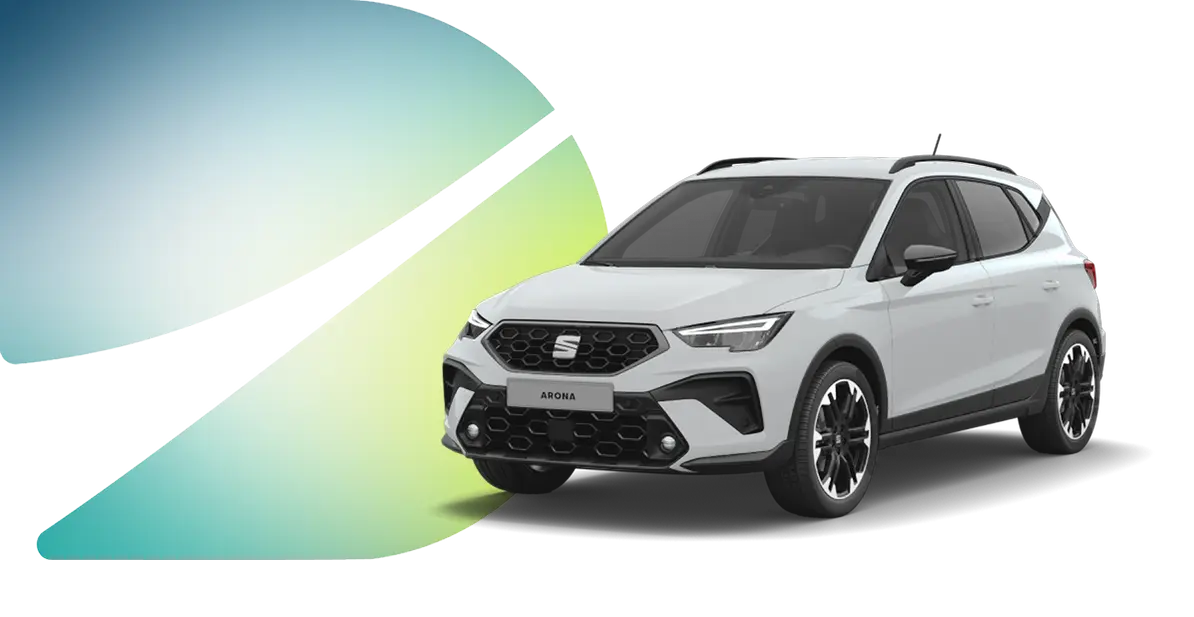
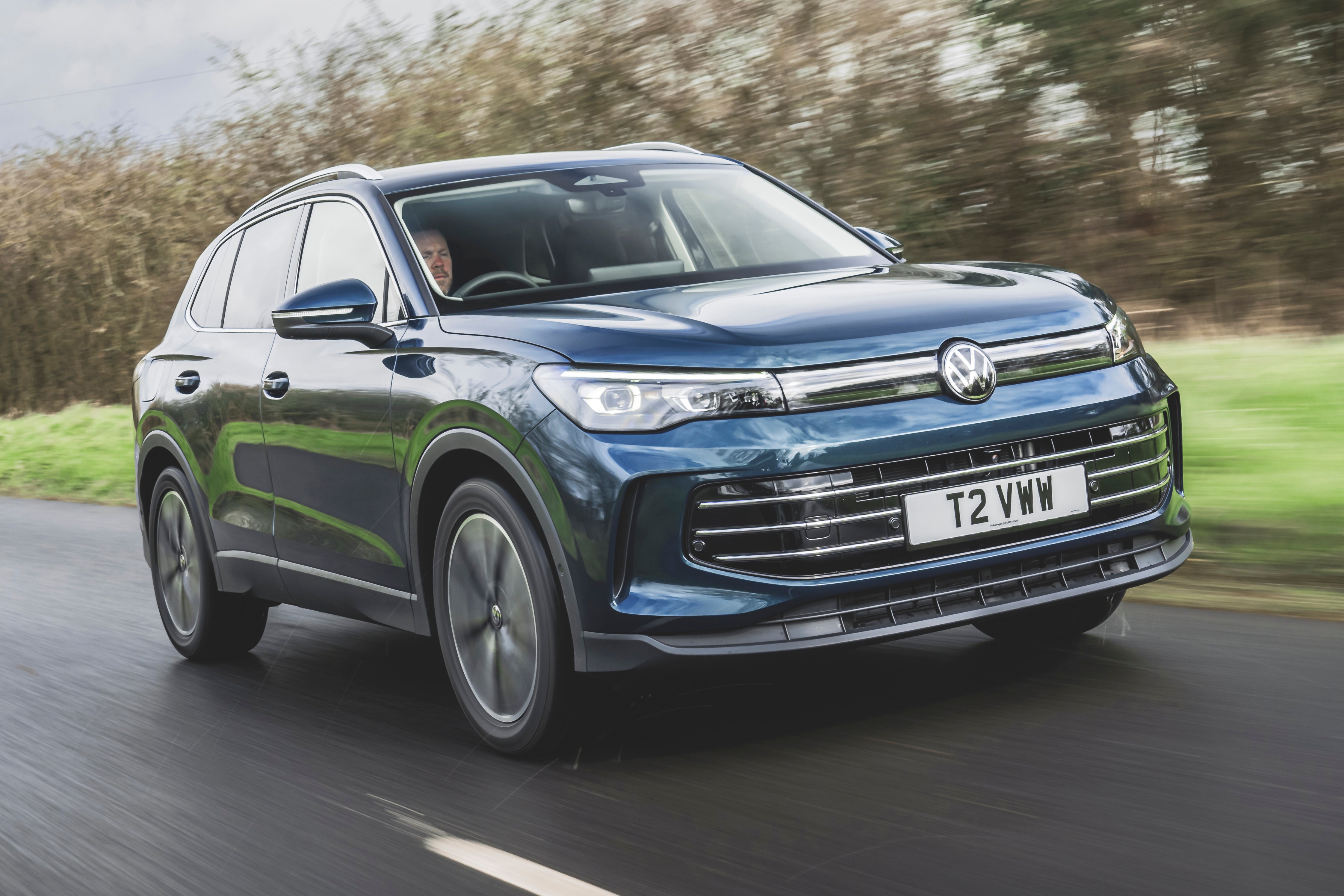
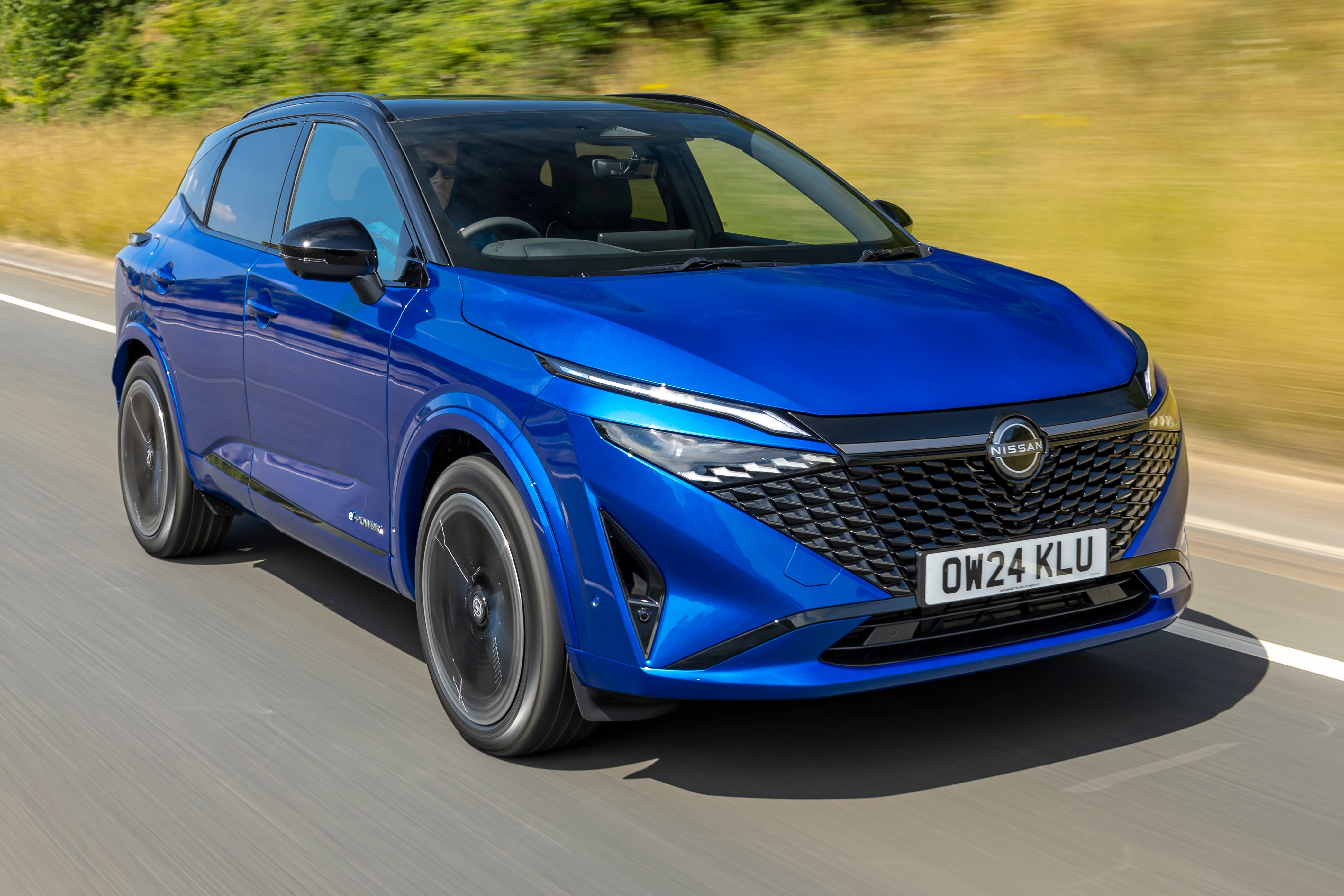
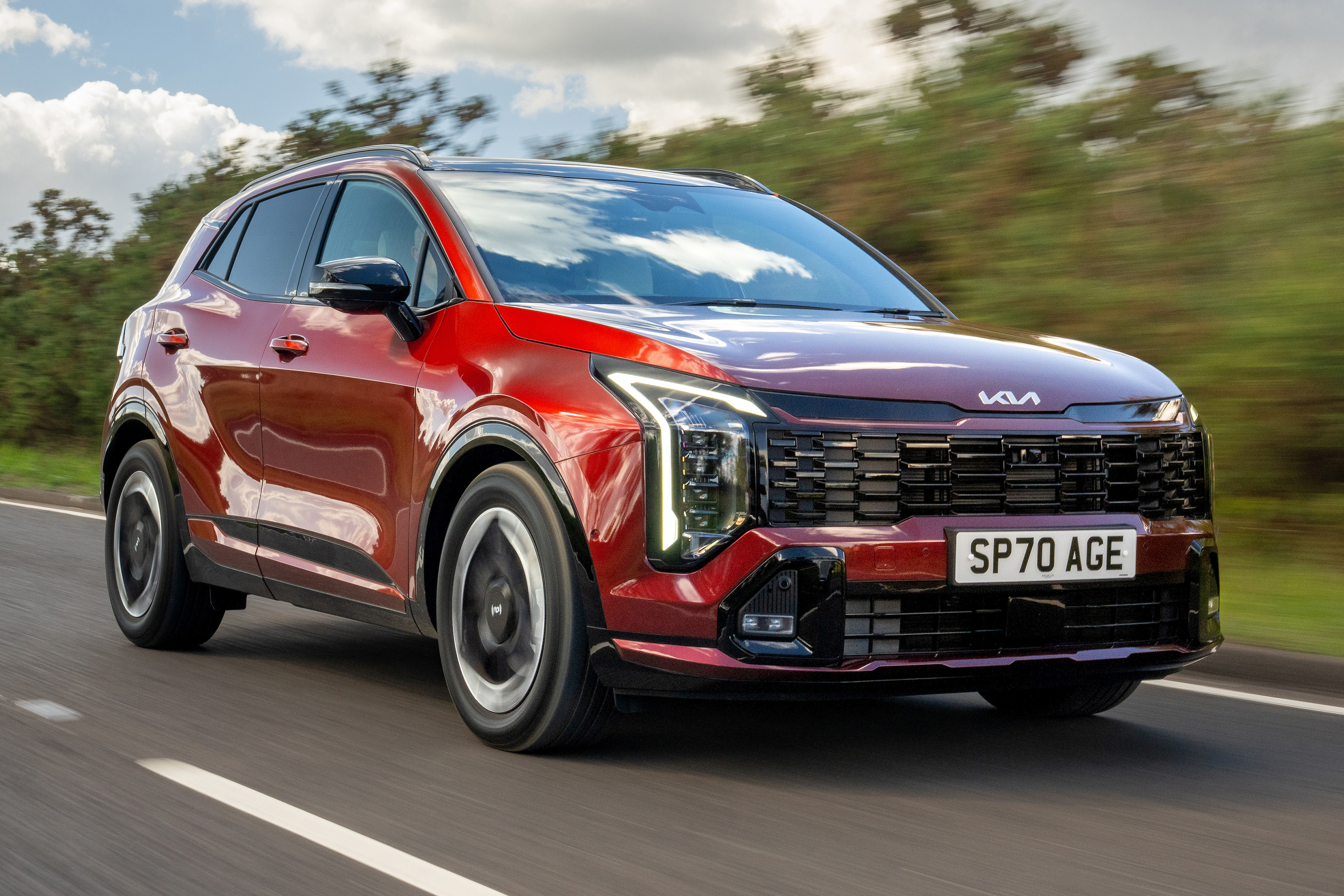
The Nissan Qashqai is one of the clearest alternatives if you want a family SUV with a more polished feel and a stronger active-safety story, though it isn’t as roomy as the Dacia Bigster for the money. The Kia Sportage is another obvious rival if you want lots of family space and a longer standard warranty.
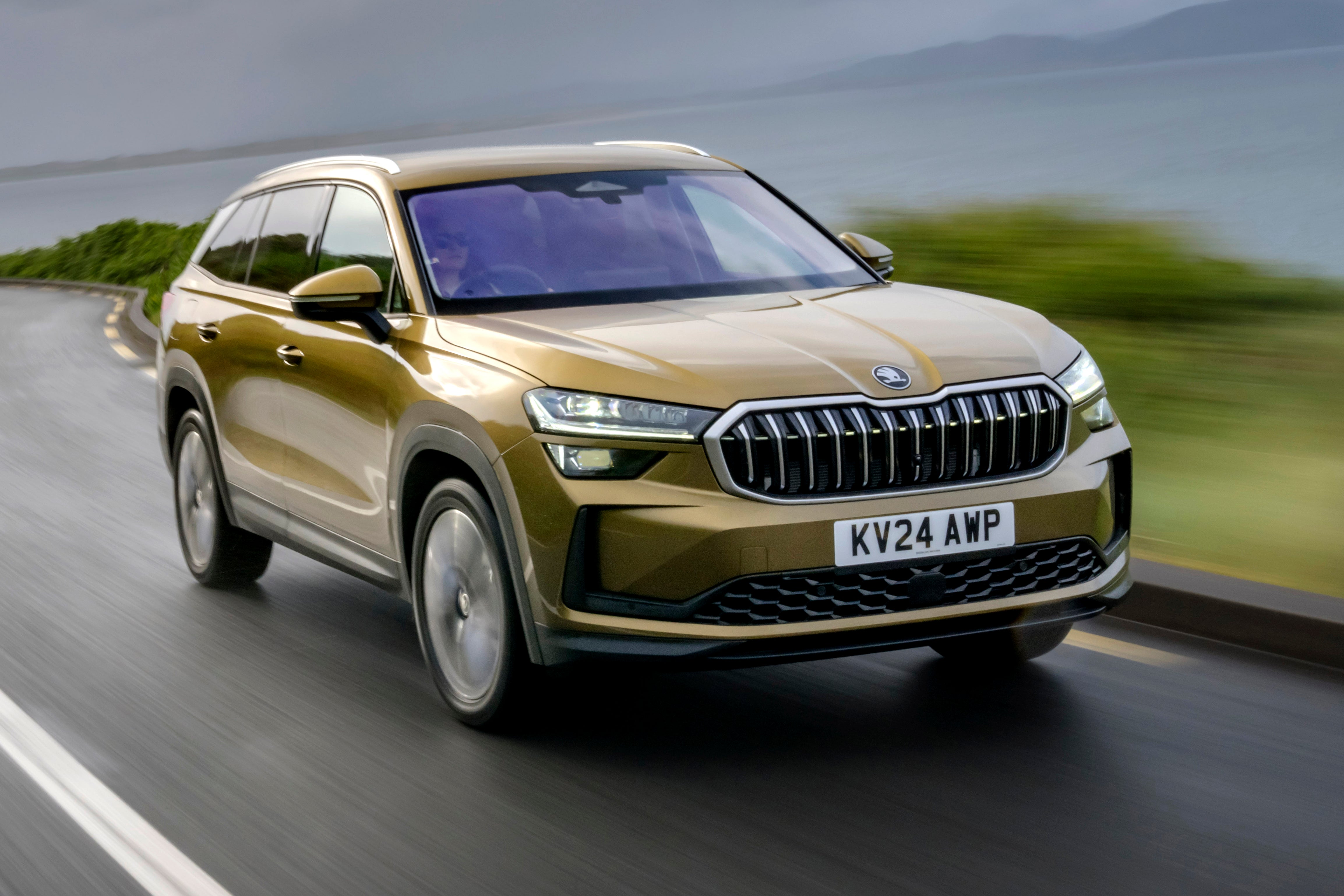
The Skoda Kodiaq is a useful comparison point because it offers similarly generous packaging and a more polished feel, but it’s significantly more expensive. The Citroen C5 Aircross is worth a look if comfort is a priority, while the Renault Austral sits nearby if you want something related in engineering terms but more overtly mainstream and polished.
Within Dacia’s own range, the Duster is the cheaper and more compact alternative, but the Dacia Bigster feels like the better fit for families who want more rear-seat space and a genuinely big boot.
What's the interior like in the Dacia Bigster?
The Dacia Bigster’s cabin is a very clear example of where Dacia has decided to spend money and where it hasn’t. The layout is modern, the equipment is generous and the space is impressive, but the materials still remind you this is a value-focused SUV.
Every version gets a 10.1-inch central touchscreen, while Journey and Extreme upgrade the Expression’s 7.0-inch driver display to a 10-inch digital instrument panel. Dacia has sensibly retained physical climate controls, too.
There are plenty of hard plastics and simple finishes, but the design stops it feeling drab and everything feels sensibly laid out for family use.
Dacia Bigster boot space and practicality
Space is one of the Dacia Bigster’s main strengths. The front seats offer lots of room, the driving position is sensibly upright and there’s enough seat and steering adjustment for most drivers to get comfortable easily.
The sense of room continues in the back. Rear legroom is one of the Dacia Bigster’s biggest selling points, and it feels notably more generous than many family SUVs that cost similar money. There’s enough space for adults to sit comfortably behind tall front-seat occupants, and the high roof helps keep the rear cabin feeling airy, which is important because the Dacia Bigster doesn’t offer a seven-seat option. Instead, Dacia has concentrated on making it a roomy five-seater, and that decision makes a lot of sense once you sit in the back. The Dacia Bigster feels more spacious and less compromised than a lot of nominally larger SUVs trying to cram in an occasional-use third row.
Boot space is a major selling point too. Dacia quotes up to 677 litres depending on powertrain, with the mild hybrid 140 offering the full 677 litres. The Hybrid 155 sacrifices some underfloor space to its hybrid hardware and offers 612 litres, which is still a very strong figure by class standards. That makes the Dacia Bigster’s luggage area one of the key reasons to choose it over smaller and pricier rivals. It has the sort of capacity that should make family holidays, pushchairs, dogs and weekly shopping runs all feel straightforward.
The rear seats split 40:20:40, which gives the Dacia Bigster a more flexible layout than the usual 60:40 arrangement. The mild hybrid 140 offers up to 1,977 litres with them folded, while the Hybrid 155 provides 1,912 litres.
There’s a good amount of storage elsewhere in the cabin too. Higher-trim Dacia Bigster models add a high centre console, while the door bins are generous and Dacia’s YouClip mounting system provides useful attachment points around the cabin.
Dacia Bigster dimensions
The Dacia Bigster measures 4,570mm long and 1,813mm wide excluding its mirrors. Front-wheel-drive versions are 1,712mm high overall, while the Hybrid 150 4x4 is fractionally lower at 1,706mm. The width with the mirrors extended is 2,069mm.
That gives the Dacia Bigster a clear size advantage over cars such as the Nissan Qashqai and helps explain why the interior feels so spacious. It’s also a useful reminder that the Dacia Bigster really is a larger family SUV, not just a puffed-up take on the Duster theme.
Tech and infotainment in the Dacia Bigster
Every Dacia Bigster gets a 10.1-inch central touchscreen, which is a decent starting point at this price. Expression uses the Media Display system without built-in navigation, but wireless smartphone mirroring means that isn’t the hardship it once might have been.
Journey and Extreme bring the Media Nav Live system, with connected navigation, live traffic information, automatic map updates, six speakers and an Arkamys 3D sound system. They also replace Expression’s 7.0-inch driver display with a 10-inch digital instrument panel.
The system itself is functional rather than especially slick. It gets the job done and the menus are easy enough to understand, but it still lacks the crispness and speed of the best systems in the class.
The reassuring part is that Dacia hasn’t gone all-in on screen-only controls. There are still physical buttons for the climate control, which makes the Dacia Bigster easier to use on the move than several supposedly more modern rivals.
Current Expression models also include a Multiview camera, alongside dual-zone climate control and keyless entry, making the cheapest Bigster unusually well equipped for the money.
Materials available on the Dacia Bigster
The Dacia Bigster’s materials are exactly where you’d expect a Dacia to save money. The plastics are hard, some surfaces feel quite plain and you’re never going to mistake the Dacia Bigster for an Audi inside.
Even so, the design does a decent job of elevating the ambience. Expression uses its own fabric upholstery and denim-effect dashboard, while Journey switches to MicroCloud plastic-coated textile upholstery and a grey interior treatment. Extreme uses its own MicroCloud trim together with khaki and Copper Brown detailing.
The overall impression is of a cabin that looks better than it feels, but doesn’t feel badly built. It’s cost-conscious, not shoddy.
What's the Dacia Bigster like to drive?
The Dacia Bigster drives very much as you’d expect from a larger Duster, and that’s mostly a good thing. It majors on comfort, ease and simplicity rather than any attempt at sportiness.
The steering is light and straightforward, while the suspension generally copes well with rough roads. There’s a fair amount of body movement if you start pressing on, but that’s unlikely to trouble many family-SUV buyers.
Dacia Bigster range and performance
The current Dacia Bigster line-up offers three powertrain choices.
The mild hybrid 140 uses a 1.2-litre turbocharged three-cylinder petrol engine with 48V electrical assistance. It produces 140PS, drives the front wheels through a six-speed manual gearbox and gets from 0–62mph in 9.8 seconds. It’s likely to be the default choice for plenty of private buyers as the most affordable route into the Dacia Bigster range and still offers enough performance for normal family use.
The Hybrid 155 uses a 1.8-litre four-cylinder petrol engine together with an electric motor and 1.4kWh battery. Combined output is 155PS and power reaches the front wheels through Dacia’s multimode automatic transmission. It reaches 62mph in 9.7 seconds.
The Hybrid 150 4x4 combines a 1.2-litre three-cylinder petrol engine with an electrically driven rear axle. Combined output is 150PS, with a six-speed dual-clutch automatic gearbox. It also reaches 62mph in 9.8 seconds and offers five drive modes – Auto, Snow, Mud/Sand, Off-road and Eco.
For most buyers, the Hybrid 155 remains the most rounded option. The mild hybrid 140 keeps the price down, while the Hybrid 150 4x4 makes most sense if extra traction or its 1,500kg towing capacity is genuinely useful.
If you’re buying used, you may also come across the earlier mild hybrid 130 4x4. That version used a 1.2-litre mild-hybrid petrol engine with a six-speed manual gearbox and mechanical four-wheel drive, but it has now been replaced in the new-car range by the Hybrid 150 4x4.
Performance data
| Model | Engine/battery size | Power | 0-62mph | Range/MPG |
|---|---|---|---|---|
Mild hybrid 140 | 1.2-litre petrol mild hybrid manual | 140PS | 9.8 seconds | Up to 52.3mpg |
Hybrid 150 4x4 | 1.2-litre petrol full hybrid automatic | 150PS | 9.8 seconds | Up to 51 mpg |
Hybrid 155 | 1.8-litre full hybrid automatic | 155PS | 9.7 seconds | Up to 61.4mpg |
Dacia Bigster driving and refinement
The Dacia Bigster’s suspension is tuned for comfort first and foremost. It rides with a soft, rounded edge that suits a family SUV well, and it deals with broken roads and rough surfaces better than many firmer rivals.
That does mean there’s a fair amount of body movement if you start pressing on. The Dacia Bigster isn’t a car that enjoys being hurried through a series of bends, and it never tries to pretend otherwise. Keep your inputs calm and measured, though, and it feels perfectly secure and easy to trust.
The steering is light and straightforward rather than especially communicative, but that suits the Dacia Bigster. Around town it feels easy enough to place, and the upright shape helps with visibility and confidence.
The Hybrid 155 is the version most likely to divide opinion on refinement. Around town, when it’s leaning on electric drive, it can feel pleasingly smooth and quiet. When the petrol engine cuts in more firmly and the gearbox hangs on to lower ratios, it gets much noisier and more strained.
Wind noise is another weak point. There’s more of it than you’d get in a pricier rival, especially once speeds rise. Road noise is better suppressed, but the Dacia Bigster never quite escapes the sense that refinement was one of the areas Dacia kept a close eye on when balancing the budget.
How safe is the Dacia Bigster?
Independent safety organisation Euro NCAP published its Dacia Bigster assessment in May 2025, awarding the car three stars under its 2024 testing protocol. It scored 69% for adult occupant protection, 85% for child occupant protection, 60% for vulnerable road-user protection and 57% for safety assist.
Standard equipment includes autonomous emergency braking, traffic-sign recognition with speed warning, lane-departure warning, lane-keeping assistance and driver-fatigue monitoring. Blind-spot warning is also fitted.
The Bigster therefore has a useful range of active safety technology, but the three-star result means it trails several mainstream family-SUV alternatives. That's deliberate from Dacia, which says it only fits the mandated safety systems rather than full suite of advanced assistance systems. While these would help it get five stars, the company doesn't believe its customers want to pay extra.
Running costs: What it's like to live with a Dacia Bigster
The Dacia Bigster’s running-cost story is generally positive. The Hybrid 155 can return more than 60mpg officially, while the mild hybrid 140 manages more than 50mpg despite the car’s generous dimensions. The relatively low purchase price helps too, and every current version remains comfortably below the £40,000 threshold for the Expensive Car Supplement.
Dacia Bigster fuel economy
The Hybrid 155 is the economy star, returning 60.1 to 61.4mpg depending on specification. That makes it the most appealing Dacia Bigster for urban and mixed-use drivers who want to keep fuel costs down without plugging in.
The mild hybrid 140 manages 52.3mpg, which is a respectable result for a family SUV of this size and one more reason why it makes sense as the value choice.
The Hybrid 150 4x4 officially returns 50–51mpg. That’s a relatively modest economy penalty considering it combines four-wheel drive with an automatic gearbox.
Dacia Bigster warranty and servicing
Dacia’s standard warranty is three years or 60,000 miles, whichever comes first. That's unremarkable, but once the manufacturer warranty has expired, having an eligible car serviced within the Dacia network can activate another year or 18,000 miles of warranty. The cover can be renewed, subject to the scheme’s conditions, to give up to seven years or 75,000 miles of protection.
The Hybrid 155’s larger traction battery has separate cover for eight years or 100,000 miles. The smaller batteries used by the mild hybrid 140 and Hybrid 150 4x4 are covered in line with the vehicle warranty – three years or 60,000 miles.
Dacia Bigster insurance groups
The established Dacia Bigster range sits in the high 20s for insurance. The mild hybrid 140 is in group 27, while the Hybrid 155 reaches group 28, depending on derivative. We're not yet sure what insurance group the new Hybrid 150 4x4 will fall into – it's too recent at the time if writing – so it’s worth checking the exact derivative before buying.
How much does it cost to tax a Dacia Bigster?
From the second year onwards, the Dacia Bigster pays the standard VED rate for petrol and hybrid cars, which is now £200 a year. The Bigster stays comfortably below the Expensive Car Supplement threshold, so buyers don't need to worry about the extra annual charge that affects pricier SUVs from years two to six.
What trims are available with the Dacia Bigster?
The Dacia Bigster range consists of Expression, Journey and Extreme, with each taking a slightly different approach.
Expression is the value-focused starting point, but it doesn’t feel basic. Standard equipment includes 17-inch alloy wheels, a 10.1-inch touchscreen with wireless smartphone mirroring, a 7.0-inch digital driver display, dual-zone climate control, a multiview camera, keyless entry and electrically folding mirrors. For most buyers trying to keep costs down, it has everything you really need.
Journey is the comfort-focused option and probably the best choice for most people. It upgrades to a 10-inch digital instrument display and Media Nav Live with connected navigation and a six-speaker Arkamys audio system, while also adding an electric tailgate, wireless phone charging and tinted rear windows. Most front-wheel-drive versions get 19-inch Rasan alloy wheels, while the Hybrid 150 4x4 uses a different wheel specification and also brings a panoramic opening sunroof.
Extreme takes a more rugged approach. It gets 18-inch Tagasan alloy wheels, modular roof bars, Copper Brown detailing and a panoramic opening sunroof as standard, along with Media Nav Live, the 10-inch digital driver display and wireless phone charging.
Ask the Drive experts: common questions
How much does the Dacia Bigster cost?
Is the Dacia Bigster a good family SUV?
Which Dacia Bigster is best?
Is the Dacia Bigster bigger than the Duster?
Get our latest advice, news and offers
Keep me updated by email with the latest advice, news and offers from Drive.
.jpg)