Dacia Sandero Stepway Review

Written By Lawrence Allan
- 2021
- Hatchback
- Petrol, petrol/LPG
What we love
Still cheap to buy and run
Roomier than you might expect inside
Comfortable and easy to drive
Things to consider
Less refined and fun to drive than pricier small cars
Not the absolute bargain the regular Sandero is
Styling more about looks than real off-road ability
The DRIVE take on the Dacia Sandero Stepway, is it the right car for you?
The Dacia Sandero Stepway is what happens when you take one of the UK’s cheapest sensible hatchbacks and dress it up to look more adventurous. The result is a small crossover that still offers strong value, lots of space for the money and a more rugged appearance that many buyers will find easier to warm to than the standard Sandero.
The catch is that the Stepway only really makes sense if you actively want the raised ride height and SUV-inspired styling. It is not dramatically more practical than the regular car and it is not remotely a true off-roader. If you like the look and the slightly loftier driving position, it is easy enough to recommend. If not, the plain Sandero remains the cleverer buy.
The Dacia Sandero Stepway in more detail
The Stepway has always traded on a simple idea: if buyers want the chunky, outdoorsy look of an SUV but do not want the extra cost or bulk of a proper one, why not give them something hatchback-based that scratches the same itch?
That remains the whole point of the Sandero Stepway. Underneath, it is still basically a Sandero, but the extra ride height, body cladding, roof bars and more rugged styling mean it looks and feels a little different. For many buyers, that is enough.
That is also why the Stepway is easier to justify emotionally than logically. On paper, the regular Sandero does almost the same job for less money. In practice, plenty of people will happily pay the premium because the Stepway looks more like the kind of car they want sitting on the drive.
Browse used Dacia Sanderos for sale →
It helps that the Stepway is not just styling theatre. The raised suspension does make it more relaxed over broken roads, and the roof bars and more robust exterior trim are useful enough in day-to-day life. It still is not a real SUV in any meaningful mechanical sense, but it feels a bit more versatile and a bit more lifestyle-focused than the standard hatch.
The current shape of the line-up also makes more sense than the old bargain-basement days. Essential, Expression and Journey trims mean even the cheapest Stepway no longer feels as stripped out as the earliest Dacias once did, while the turbocharged engine range avoids saddling buyers with a truly underpowered entry point.
That matters because the Stepway is at its best when treated not as a cheap fake SUV, but as a roomy, comfortable small hatch with a slightly different flavour. Approach it that way and it makes a decent amount of sense.
What's the best Dacia Sandero Stepway trim and engine option?
For most buyers, the best choice is the Sandero Stepway Expression TCe 90.
The 90PS turbo petrol is the sweet spot. It is flexible enough for everyday use, does not feel too strained on faster roads and keeps running costs low. It is not especially exciting, but it suits the Stepway’s easy-going character well.
Expression is the trim we would target because it adds the 8.0-inch touchscreen with smartphone connectivity, rear parking sensors and camera, plus a few extra convenience features that make the Stepway feel much more complete without pushing the price too close to stronger used alternatives.
Journey has genuine appeal if you want the Sandero Stepway with the fullest feature set, while the Bi-Fuel can make sense if you have easy access to LPG. For most people, though, the Expression TCe 90 remains the cleanest recommendation.
What’s the price of the Dacia Sandero Stepway?
The Sandero Stepway range starts at around £15,915 for the Essential TCe 90, with Expression sitting in the middle and Journey topping the range at around £18,115. There are also plenty of used Dacia Sanderos for sale for considerably less.
That still makes it one of the cheapest ways into a crossover-style new car, even if the days of sub-£10,000 Dacias are long gone.
The problem is not that the Stepway is expensive in absolute terms. It is that the regular Sandero remains cheaper still, and once you are already shopping on a budget, that price gap matters. The Stepway only really earns it if you value the tougher look, roof bars and added ride height enough to pay for them.
Alternatives to the Dacia Sandero Stepway
The regular Dacia Sandero is the most obvious alternative because it does most of the same job for less money. If you do not specifically want the raised stance and crossover styling, it is the smarter buy.
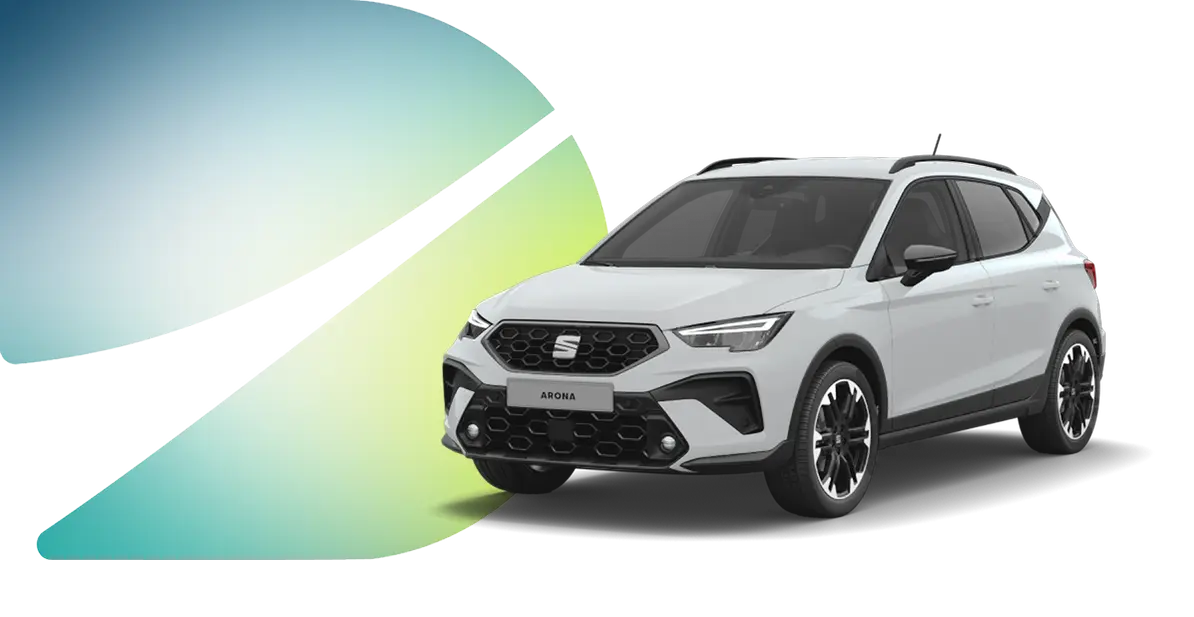
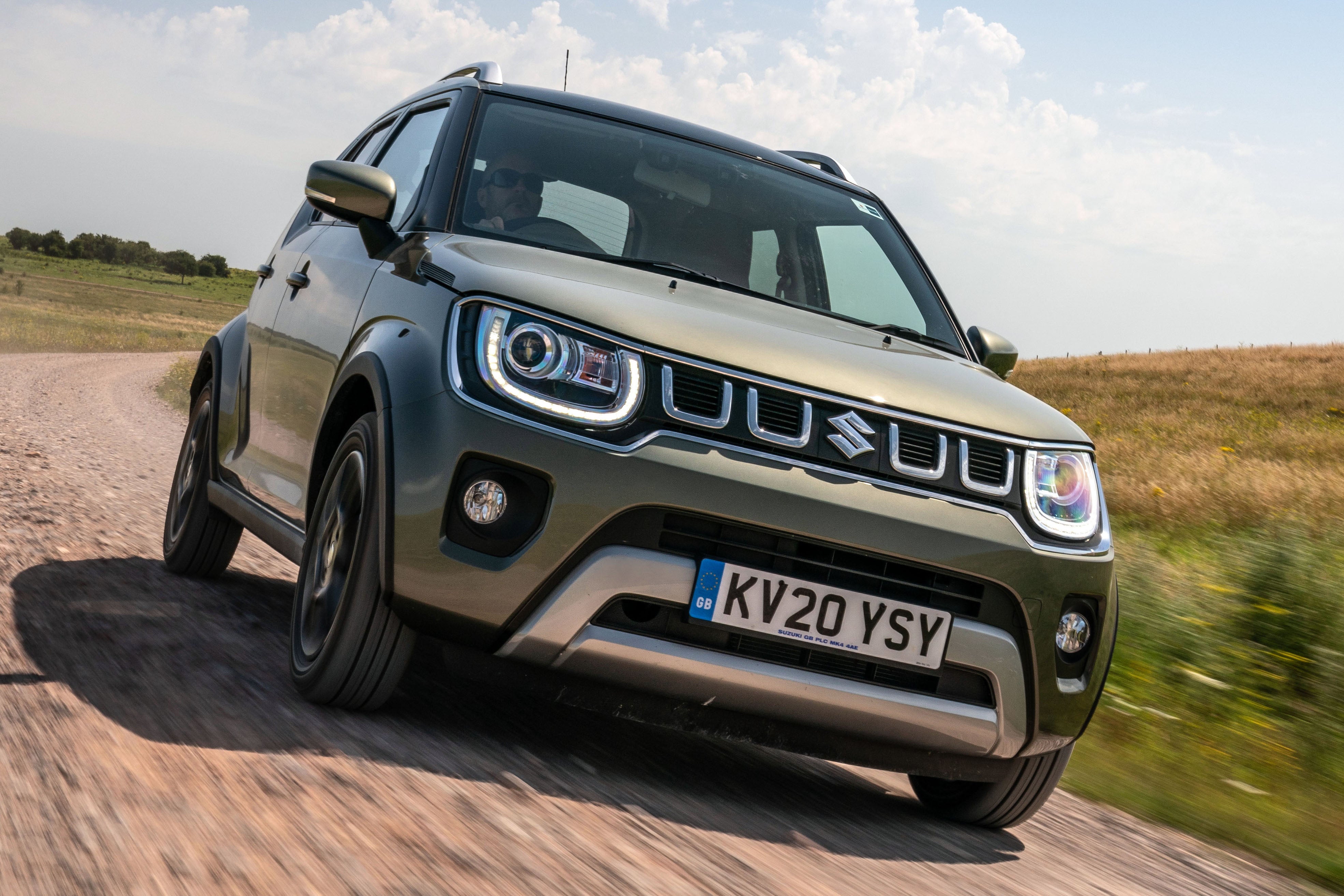
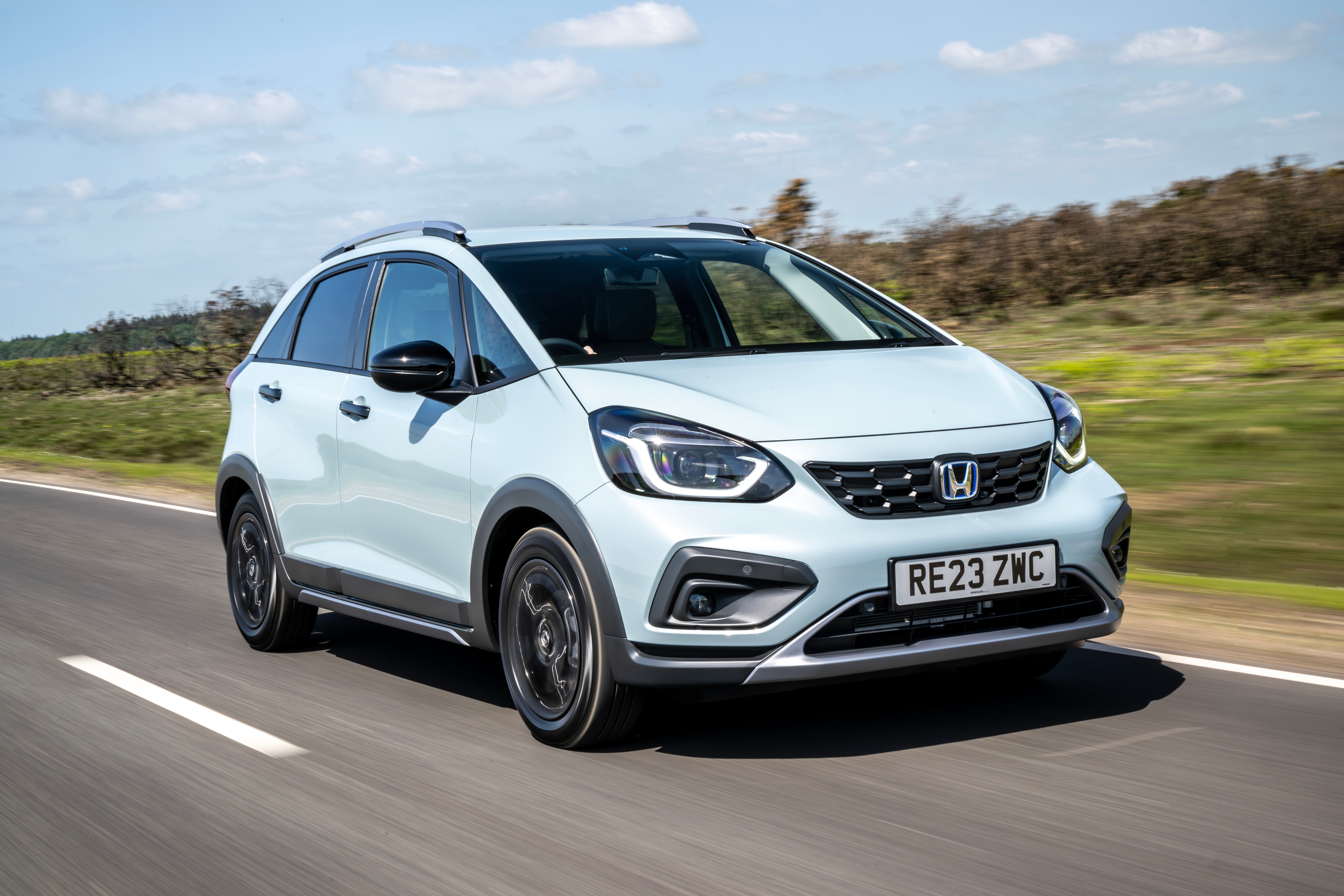
Among more SUV-flavoured small cars, the Suzuki Ignis and Fiat Panda Cross offer a similar spirit, though both are older and smaller. A used Ford Fiesta Active or Honda Jazz Crosstar can also make sense if you are open to buying second-hand.
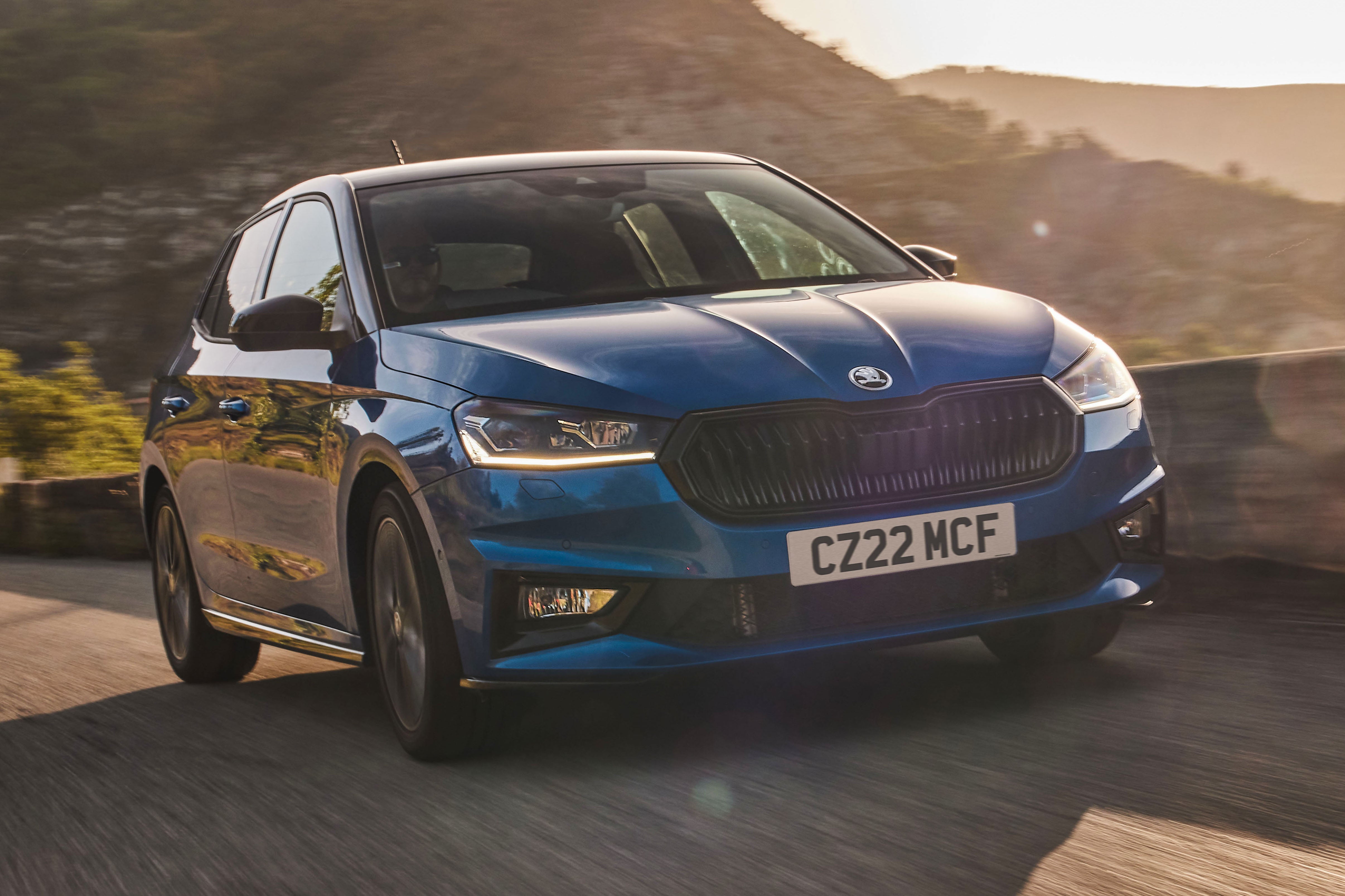
If you are willing to spend more on a more convincing all-rounder, the Renault Clio, Skoda Fabia and Hyundai i20 all feel more polished, even if they do not offer the same rugged visual theme.
What's the interior like in the Dacia Sandero Stepway?
The Stepway’s cabin is better than you might expect for the money. It is not plush, but it is sensibly laid out, more modern-looking than older Dacias and easier to get comfortable in than some bargain cars of the past.
Dacia Sandero Stepway boot space and practicality
The Stepway benefits from the Sandero’s inherently roomy body, so interior space is one of its strongest points. There is plenty of headroom and legroom in the front, and the raised seating position helps it feel more crossover-like than the standard car.
Rear-seat space is also impressive for the size and price. The Stepway remains roomier than many similarly priced city cars and superminis, which helps it feel more like a genuinely useful family hatchback.
Boot space stands at 328 litres, which is strong enough for the class and very useful for a car at this price point. The shape is honest and practical rather than especially plush, while an adjustable boot floor is available and helps make the load area easier to use.
There are also some nice practical touches, including the roof bars and decent cabin space for four adults. It is not a packaging miracle, but it is more spacious than many buyers will expect.
Dacia Sandero Stepway dimensions
The Dacia Sandero Stepway measures 4,099mm long, 1,848mm wide & 1,587mm high. That extra height compared with the regular Sandero is a key part of its appeal because it gives you the slightly raised driving position and more crossover-like stance buyers want.
It is still compact enough to be easy to park and thread through town, though, which means you get the visual flavour of an SUV without the bulk of a larger one.
Tech and infotainment in the Dacia Sandero Stepway
This is one of the areas where the better trims make the strongest case for themselves. Essential keeps things simple and relies more heavily on your phone, while Expression and Journey get the 8.0-inch touchscreen with Apple CarPlay and Android Auto smartphone mirroring.
It is not a class-leading system for speed or sophistication, but it is clear enough and does the job. More importantly, the Stepway keeps simple physical controls for the key functions, which suits its no-nonsense character well.
Journey adds built-in navigation and a few extra touches, but Expression is where the tech offering becomes properly rounded without asking too much more of your budget.
Materials available on the Dacia Sandero Stepway
The Stepway’s interior materials are still very obviously chosen with cost in mind. Hard plastics are everywhere and you will not mistake it for something premium.
That said, there is a useful distinction between feeling cheap and feeling badly made. The Stepway falls into the former camp more than the latter. It does not feel luxurious, but it generally feels honest and solid enough for the price.
Higher trims help because the extra fabric trim, colour details and leather steering wheel make the cabin feel a little less stark, but even in Journey trim the Stepway remains a value-first car.
What's the Dacia Sandero Stepway like to drive?
The Sandero Stepway is easiest to understand as a comfort-led small car with crossover styling. It is not sporty, but it is straightforward, forgiving and easy to get on with.
Dacia Sandero Stepway range and performance
The Sandero Stepway range gives you a small spread of turbocharged three-cylinder petrol engines. The default choice is the TCe 90, which produces 91PS and is available with either a manual or automatic gearbox.
Above that sits the TCe 100 Bi-Fuel, which produces 101PS and can run on petrol or LPG. The strongest version is the TCe 110, which delivers 110PS and trims the 0-62mph time to 10.0 seconds.
The TCe 90 is still the engine most buyers should choose because it offers enough flexibility without undermining the Stepway’s affordability. The Bi-Fuel is clever in theory, but its real-world appeal depends heavily on LPG availability.
Performance data
| Model | Engine/battery size | Power | 0-62mph | Range/MPG |
|---|---|---|---|---|
Sandero Stepway TCe 90 | 1.0-litre | 91PS | 12.0 seconds | Up to 51.4mpg |
Sandero Stepway TCe 90 CVT | 1.0-litre | 91PS | 14.2 seconds | Up to 46.0mpg |
Sandero Stepway TCe 100 Bi-Fuel | 1.0-litre | 101PS | 11.9 seconds | Up to 49.6mpg on petrol |
Sandero Stepway TCe 110 | 1.0-litre | 110PS | 10.0 seconds | Up to 45.6mpg |
Dacia Sandero Stepway driving and refinement
The Stepway’s soft suspension and extra ride height give it a very forgiving character on rough roads. Around town it deals with potholes and poor surfaces well, and on broken country lanes it feels quite relaxed by small-car standards.
That same softness is less welcome if you try to drive it enthusiastically. Body lean is quite pronounced, the steering is vague and the Stepway never feels especially tied down on a twisting road. It is safe enough, but it is not a car you drive for enjoyment.
Refinement is acceptable rather than impressive. Wind and road noise are more noticeable than in more expensive rivals, but judged in the context of the price, the Stepway remains an easy car to live with.
How safe is the Dacia Sandero Stepway?
The Stepway’s two-star Euro NCAP result remains an awkward headline, and it is one of the main areas where the price saving over more mainstream rivals becomes obvious.
Even so, the picture is not quite as bleak as that headline alone suggests. Occupant protection is better than the star count implies, and the Stepway still comes with the core safety kit family buyers will expect, including airbags, ISOFIX points and automatic emergency braking.
It is not a class leader for safety technology, but nor is it a total throwback. The trouble is simply that rivals now offer more advanced systems as standard.
Running costs: What it's like to live with a Dacia Sandero Stepway
Running costs remain one of the Stepway’s biggest strengths. The whole point is affordable, fuss-free motoring with a bit more style than the cheapest hatchbacks.
Dacia Sandero Stepway fuel economy
Official economy for the TCe 90 is up to 51.4mpg, while the CVT automatic version drops to around 46.0mpg. The Bi-Fuel manages up to 49.6mpg on petrol and less when running on LPG, while the TCe 110 comes in at up to 45.6mpg. Those are sensible figures for a small petrol crossover-style car, even if the Stepway is never the last word in efficiency.
In the real world, the Stepway should be affordable to run without feeling exceptionally thrifty by small-car standards. It is simple, light and sensible rather than especially advanced.
Dacia Sandero Stepway warranty and servicing
Dacia covers the Stepway with a three-year or 60,000-mile warranty as standard.
That is not class-leading, but the Stepway’s simple engineering helps keep maintenance straightforward and affordable. The broader attraction is that you are still getting brand-new-car reassurance for used-car money.
Dacia Sandero Stepway insurance groups
Insurance groups run from 10 to 17 depending on trim and engine. That keeps the Stepway firmly in affordable territory by the standards of new crossover-style cars.
That means it remains a sensible option for budget-conscious buyers and younger drivers alike.
How much does it cost to tax a Dacia Sandero Stepway?
After year one, the Dacia Sandero Stepway pays the standard annual VED rate for non-EV cars, currently £200.
Because the Stepway sits comfortably below the £40,000 Expensive Car Supplement threshold for petrol, diesel and hybrid cars, there is no additional annual charge to worry about.
What trims are available with the Dacia Sandero Stepway?
The Dacia Sandero Stepway line-up is built around Essential, Expression and Journey.
Essential covers the basics properly enough, with air conditioning, cruise control, DAB radio, Bluetooth and LED headlamps.
Expression is the sweet spot because it adds the 8.0-inch touchscreen, smartphone mirroring, rear parking sensors, rear camera and a more complete everyday spec.
Journey sits at the top with navigation, climate control, front parking sensors, blind-spot warning, heated seats and a few more touches that make the Stepway feel less bare-bones. It is still inexpensive, but the strongest value case remains in the middle of the range.
Ask the Drive experts: common questions
How much does the Dacia Sandero Stepway cost?
Is the Dacia Sandero Stepway practical?
What engine does the Dacia Sandero Stepway use?
What is the best Dacia Sandero Stepway version?
Get our latest advice, news and offers
Keep me updated by email with the latest advice, news and offers from Drive.
.jpg)
.jpg)