Honda Jazz Crosstar Review

Written By Andrew Brady
- 2020
- Hatchback
- Hybrid
What we love
Looks a bit more interesting than the standard Jazz
Water-repellent upholstery could prove useful
Clever, versatile cabin
Things to consider
Pricier than a normal Jazz
Only one trim
No more comfortable or capable off-road than the standard car
The DRIVE take on the Honda Jazz, is it the right car for you?
The Honda Jazz Crosstar is a standard Jazz with a mild dose of crossover attitude. That means it keeps all the things that make the regular Jazz so good, namely the ingenious interior, strong visibility, low running costs and easy, no-nonsense driving manners.
The trouble is that the Crosstar asks you to pay extra for styling and image rather than any meaningful gain in comfort, practicality or off-road ability. If you really like the look and want the slightly more adventurous vibe, it is still a likeable little car. But the regular Jazz remains the cleverer buy.
The Honda Jazz in more detail
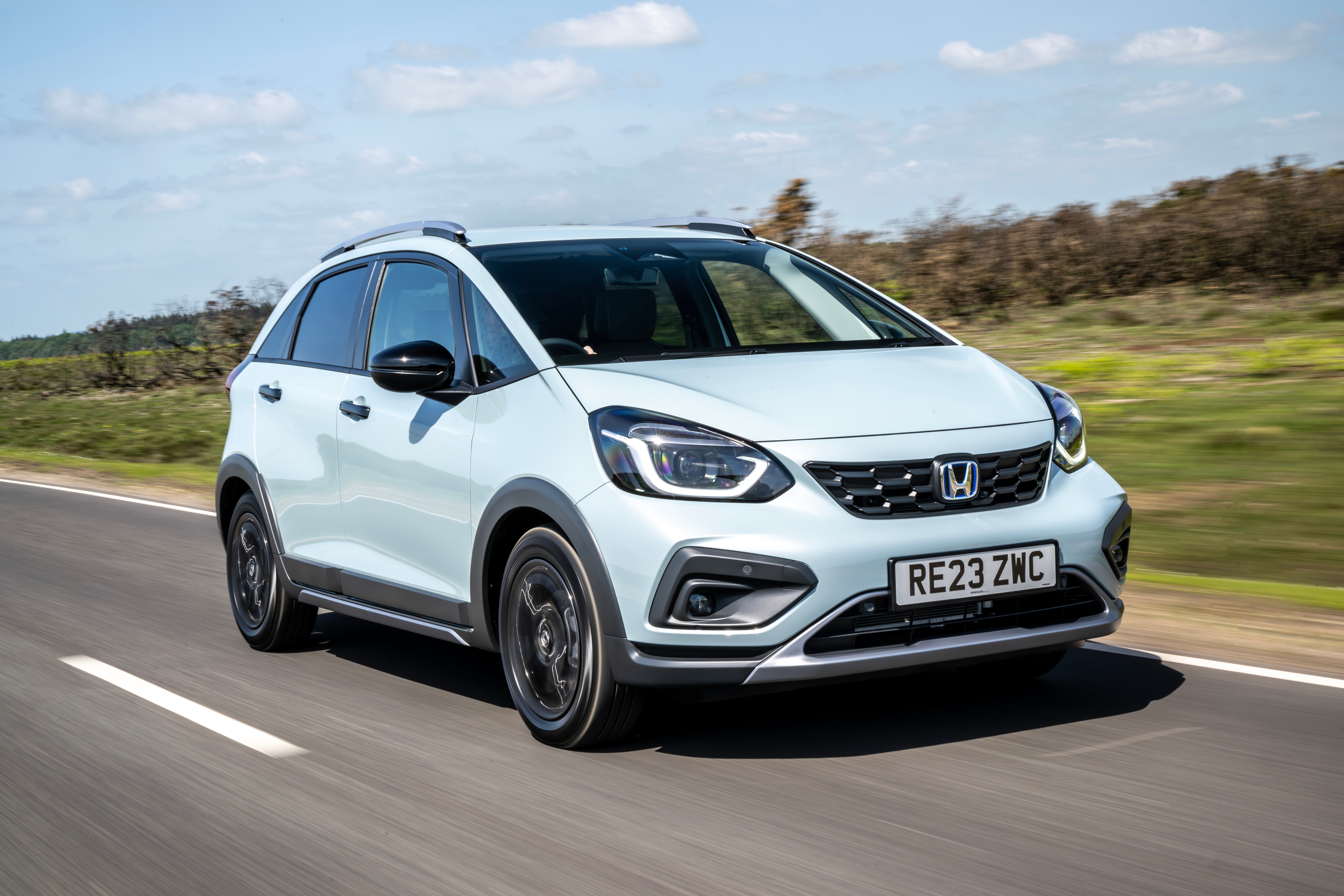
Ever found yourself wishing the Honda Jazz was a little more… rugged? No, us neither, but some people clearly have, and for them – good news! This is the Jazz Crosstar, which is essentially a Jazz Hybrid dressed as an SUV. It gives a vague visual impression of being able to go off-road, but we wouldn't recommend taking it too far away from the tarmac.
Introduced in 2020, and facelifted in 2023, the Honda Jazz Crosstar takes a similar approach to the Dacia Sandero Stepway and the short-lived Hyundai i20 Active, cashing in on the SUV and crossover craze by adapting some of the design traits of those popular cars, although with none of the off-road ability and additional practicality.
Browse used Honda Jazz models for sale →
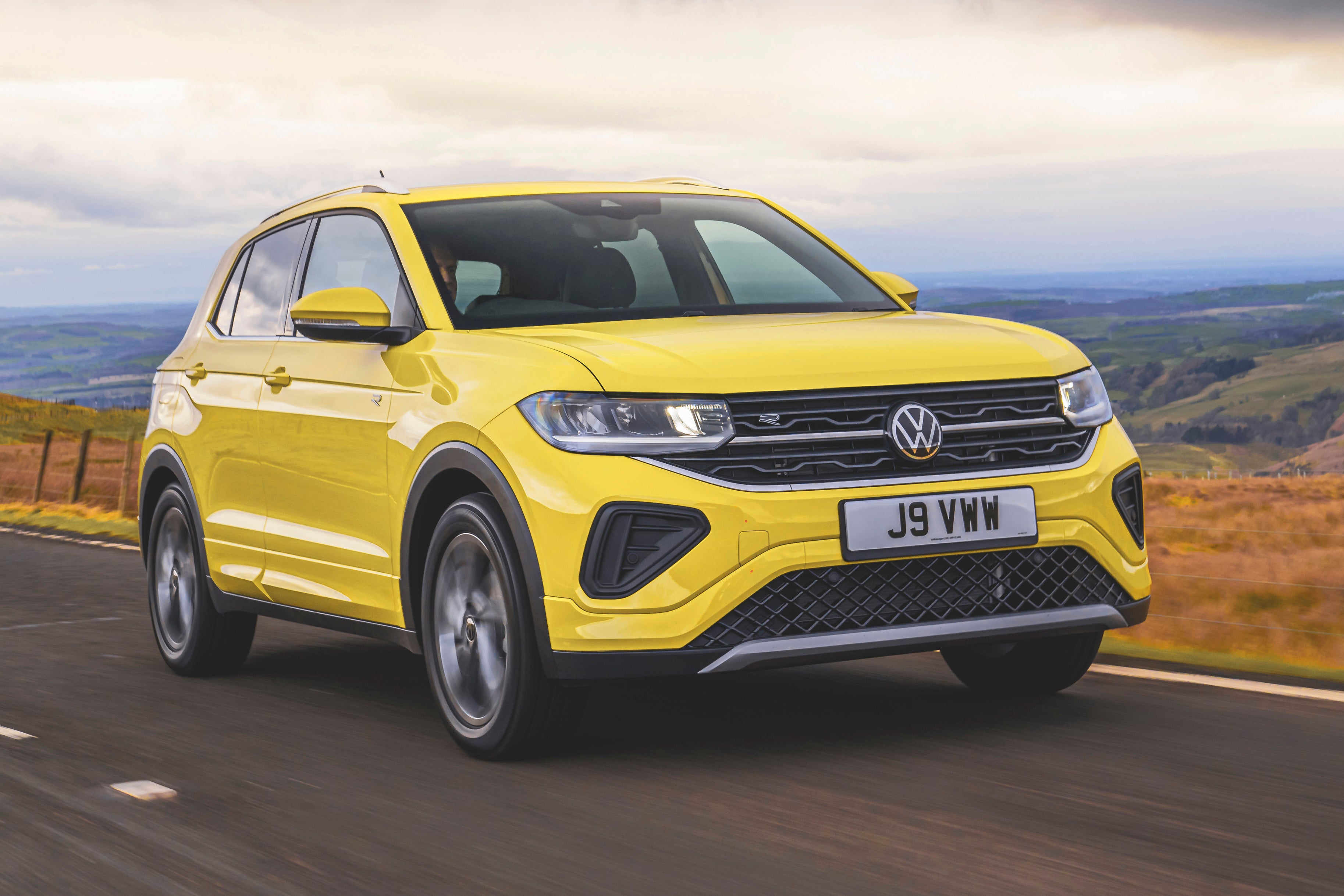
Unlike other jacked-up small cars, however, the Crosstar's impressive versatility – inherited directly from the standard Jazz – means it could also be considered an alternative to crossover SUVs like Honda’s own HR-V, the Citroen C3 Aircross, the Volkswagen T-Cross and the Renault Captur.
It builds on the Jazz Advance model, meaning it’s well equipped as standard, but pricey with it – more than £1000 more than the Advance if you buy new. Upgrades include bespoke front and rear bumpers, a unique grille, black side sills and roof rails. It sits ever-so-slightly higher than the standard car, but don’t be fooled by the chunky appearance. There’s no four-wheel-drive system, and this definitely isn’t an off-roader.
The inside is unsurprisingly similar to the standard Jazz, aside from heated water-repellent fabric seats, and there's a heated steering wheel (although you get that on the post-facelift Jazz, too).
Just like the standard car, we can’t overemphasise how practical the Crosstar is. There’s plenty of room for four tall adults, with comfortable seats and an airy cabin. It's not quite as airy as the Dacia Sandero Stepway but it's not claustrophobic either, and the trick rear "Magic Seats", which fold and flip to create extra cargo capacity, mean there’s loads of luggage space when required. That is, of course, the same as the standard Jazz.
It’s also a hybrid model, just like the standard… well, you get the message. It combines a 1.5-litre petrol engine with a lithium-ion battery pack and two electric motors. The facelift model is slightly more powerful.
The result is hugely impressive efficiency, particularly when compared to the aforementioned soft-roaders. Officially, it’ll return 58.9mpg both pre- and post-facelift, which is only marginally thirstier than the standard Jazz, and our test drives suggest this is actually feasible in the real world.
It’s brilliant around town, helped by the high seating position and huge front windscreen providing a good view of the road ahead. There’s a tiny turning circle, light steering and a standard reversing camera, all of which add up to make the Jazz Crosstar great fun for threading through traffic.
It’s also surprisingly refined at high speeds, although be warned – this isn’t a car that smooths out bumpy road surfaces. You might expect it to be softer than the standard Jazz (which itself is on the firm side), but it isn’t. Hit a big pothole and your passengers will wince.
There’s quite a lot to like about the Jazz Crosstar. It drives well, has a modern interior and does an excellent impression of a much bigger car. But so does a standard Jazz. And that’s cheaper. Just how much do you want water-repellent seats?
What's the best Honda Jazz trim and engine option?
This is refreshingly simple because there is really only one current UK choice: the Jazz Crosstar Advance with the 1.5-litre e:HEV full-hybrid powertrain.
That means the real question is whether you want the Crosstar at all, rather than which version of it to buy. If you like the tougher styling, the water-repellent seat trim and the raised look, then this one-spec approach works in your favour because Honda has already loaded it with equipment.
If you are being ruthlessly rational, though, the standard Jazz Advance is the one that makes more sense. It delivers almost all of the same benefits without asking you to pay the Crosstar premium.
What’s the price of the Honda Jazz?
The current Honda Jazz Crosstar Advance is priced at £30,795 on the road. There are also plenty of used Honda Jazz models for sale for considerably less.
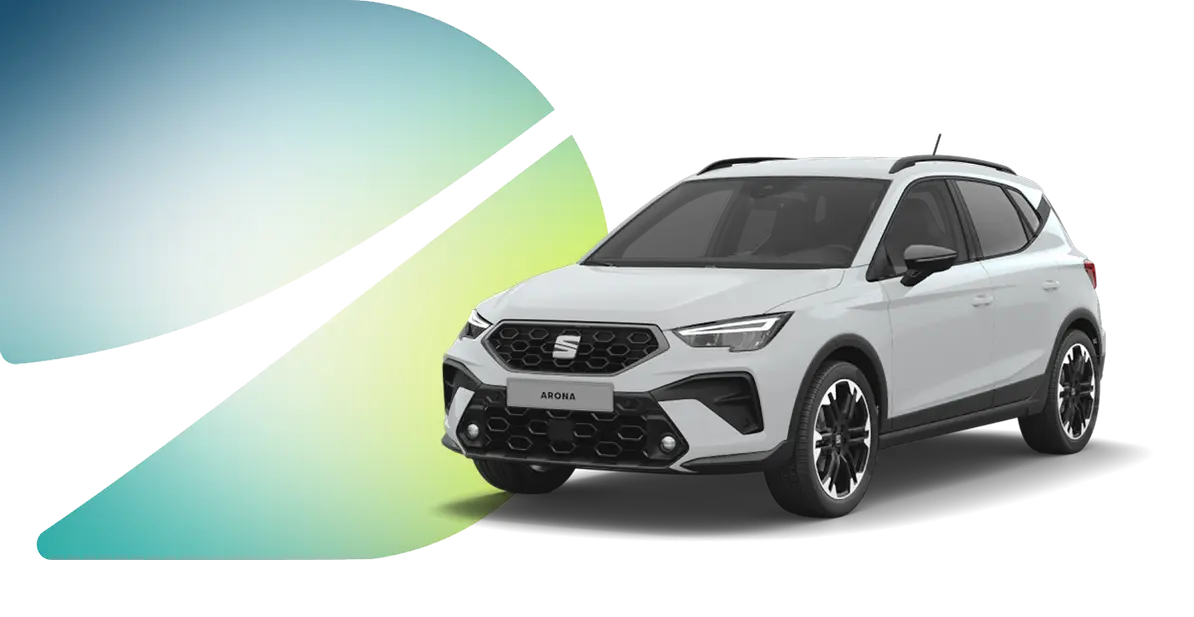
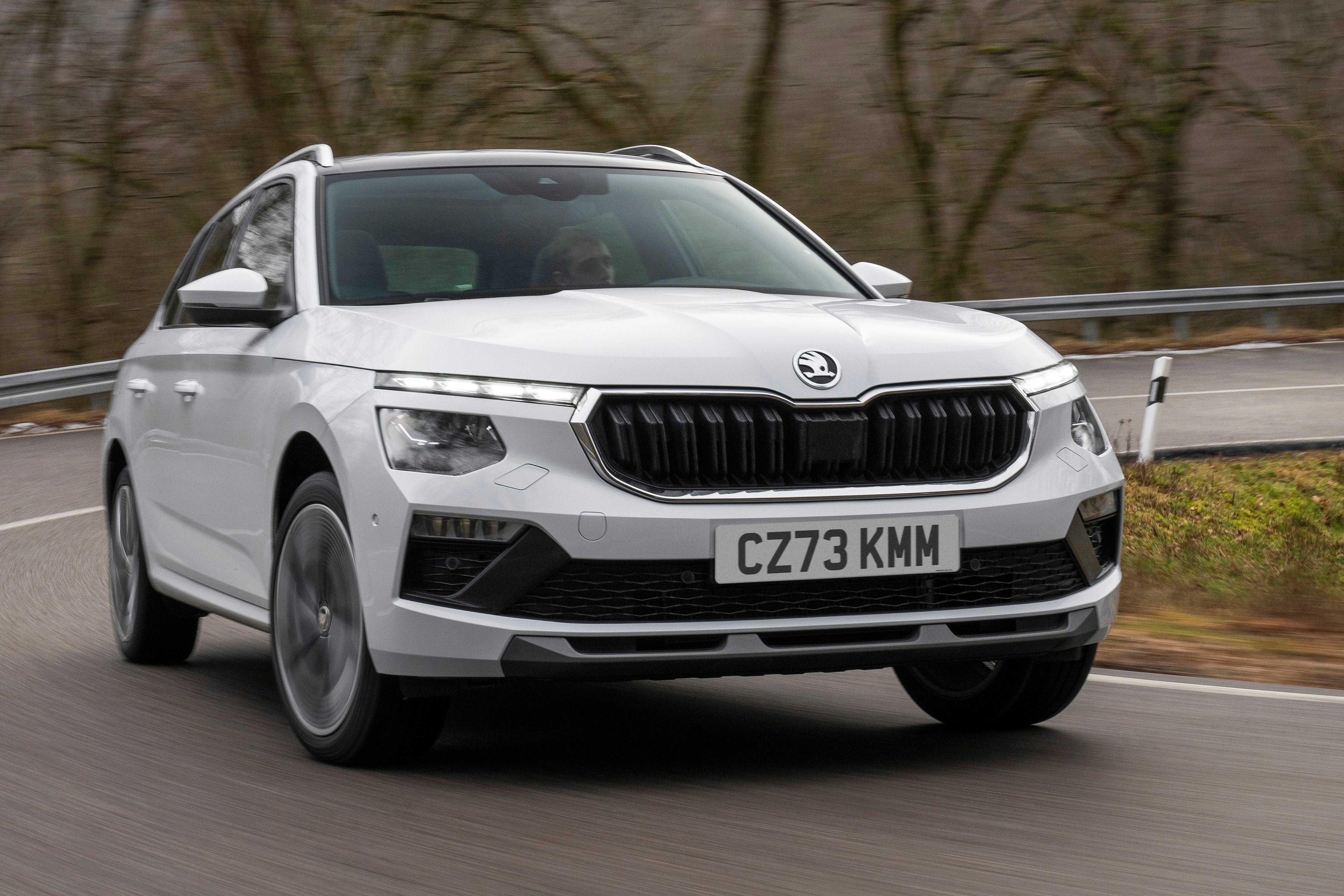
That is strong money for a small hatchback, even one as cleverly packaged as this. It also puts the Crosstar in reach of proper small SUVs such as the Skoda Kamiq, SEAT Arona and even Honda’s own HR-V on the used market.
That price is the main reason the Crosstar is harder to recommend than the standard Jazz. It is not that the car itself is weak. It is that the value argument becomes more strained once the styling add-ons are factored in.
Alternatives to the Honda Jazz
The most obvious alternative is the standard Honda Jazz. It is cheaper, just as practical and, for most buyers, the more sensible choice.
If you want the raised-hatchback look, the Dacia Sandero Stepway is the closest current alternative, while buyers set on a small SUV should also look at the Renault Captur, Volkswagen T-Cross, Skoda Kamiq and Honda HR-V.
The Toyota Yaris Cross is another key rival because it combines hybrid efficiency with crossover styling in a more SUV-like package. It is less clever inside than the Jazz, but it arguably makes more sense if you really want the image of a small crossover.
What's the interior like in the Honda Jazz?
The Crosstar’s interior is essentially the regular Jazz’s cabin with a few trim tweaks, and that is fine because the basic design is one of the car’s strongest points. It is airy, practical and refreshingly easy to use.
Honda Jazz boot space and practicality
The Jazz has long been one of the most cleverly packaged cars in its class, and the Crosstar inherits that wholesale. There is lots of headroom, big windows all round and enough space for four adults to travel in genuine comfort.
One of the key reasons the Jazz still stands out is the Magic Seat system in the back. The rear bench can fold flat or flip upwards to help carry taller items, which gives the Crosstar a level of flexibility many larger crossovers cannot match.
Boot space stands at 298 litres, which is slightly down on the regular Jazz, but the shape is useful and access is easy. Fold the rear seats and you get up to 1,199 litres of space. In pure numbers that is not massive, but the Honda makes excellent use of every litre.
There are useful touches throughout the cabin too, including multiple cupholders, a decent cubby under the armrest and good outward visibility that makes the car feel bigger and airier than most small hatchbacks.
Honda Jazz dimensions
The Honda Jazz Crosstar measures 4,105mm long, 1,725mm wide & 1,556mm high. That makes it slightly larger than the standard Jazz, largely because of the extra cladding and roof rails.
Those tidy dimensions are part of the appeal. The Crosstar is compact enough for tight urban streets and easy parking, but it does not feel cramped or compromised once you are inside.
Tech and infotainment in the Honda Jazz
The Jazz Crosstar gets Honda’s 9.0-inch infotainment touchscreen with navigation, Apple CarPlay and Android Auto. It is not the most glamorous system in the class, but it is clear, quick enough and much better than older Honda setups.
The key point is that Honda has not buried everything in the screen. There are still proper buttons and knobs for major functions, including the climate controls, which makes the Crosstar pleasantly straightforward to use.
The digital instrument display is information-heavy at first glance, but the essentials are clear enough once you get used to it. Sound quality is decent too, even if the Crosstar’s four-speaker setup is not a major selling point in itself.
Materials available on the Honda Jazz
The Crosstar’s cabin materials are durable rather than plush. There is a smart fabric section across the dashboard that helps lift the interior, but further down you will find harder plastics that remind you this is still a small hatchback.
The Crosstar-specific water-repellent upholstery is a talking point, and it may genuinely appeal to buyers with muddy dogs, wet coats or messy children. Even so, the regular Jazz Advance’s trim arguably looks and feels a little richer.
What matters more is that the Jazz feels solidly assembled. Honda’s reputation for durability is part of the appeal here, and the Crosstar gives little reason to doubt that.
What's the Honda Jazz like to drive?
The Crosstar drives very much like a normal Jazz, which is mostly good news. It is easy, efficient and pleasantly grown-up for a small car, but it does not use its slightly raised stance to deliver any meaningful extra comfort or capability.
Honda Jazz range and performance
Every current Jazz Crosstar uses Honda’s 1.5-litre e:HEV full-hybrid system, now producing 122PS in post-facelift form. It combines a petrol engine with two electric motors and an automatic transmission-like setup that works seamlessly in normal use.
Officially, the Jazz Crosstar takes 9.6 seconds to reach 62mph. That is perfectly adequate for a car of this sort, and in day-to-day use it feels responsive enough thanks to the immediate shove from the electric motor.
The key attraction is not performance but smoothness and efficiency. This is a hybrid system that works with very little fuss, particularly in town.
Performance data
| Model | Engine/battery size | Power | 0-62mph | Range/MPG |
|---|---|---|---|---|
Jazz Crosstar Advance | 1.5-litre | 122PS | 9.6 seconds | Up to 58.9mpg |
Honda Jazz driving and refinement
A bonus of beefed-up small cars like the Jazz Crosstar and alternatives like the Dacia Sandero Stepway and Honda HR-V is usually a softer, more compliant ride. However, while the Jazz Crosstar rides slightly higher than the normal Jazz, you’re not going to notice a perceivable improvement in ride quality.
Just like the standard car, it’ll thump a bit over bumps in the road – the Jazz has always been on the firm side for the small car class. If you’re looking for a car that hops (rather than crashes) over broken road surfaces, we’d recommend looking at the Citroen C3 Aircross instead.
On the plus side, the Jazz Crosstar handles just as well as the standard car. It doesn’t lean too much in bends, and it feels like a big, grown-up car on open roads. You’re not going to be intimidated by other traffic on the motorway.
It’s also brilliant around town. The turning circle is impressive; it'll easily turn 90 degrees in a tiny gap. If you plan on doing this regularly, though, we’d recommend the standard Jazz, because wannabe taxi drivers will find it has a slightly tighter turning circle.
Forward visibility is good, thanks to a huge windscreen and ultra-thin pillars. The standard-fit parking sensors are essential for judging the front of the bonnet, while a reversing camera (and usefully large door mirrors) helps when backing into a space.
It's 30mm taller than a standard Jazz but is still front-wheel drive, meaning it's not exactly a bona fide offroader. There aren’t any gimmicky electronic systems to help you get out of a muddy field either.
How safe is the Honda Jazz?
The Honda Jazz Crosstar has a five-star Euro NCAP safety rating from 2020. That remains a strong result for a small car.
Safety kit is generous, too. The Crosstar gets Honda SENSING, including Collision Mitigation Braking, Road Departure Mitigation, adaptive cruise control, Traffic Sign Recognition and an intelligent speed limiter. Facelifted cars also benefit from improved camera hardware for better detection of hazards.
That all adds up to a reassuring safety story, especially for a car likely to be used heavily in town and family duties.
Running costs: What it's like to live with a Honda Jazz
Running costs are one of the Crosstar’s strongest points. The hybrid system is efficient, Honda has a strong reliability record and this kind of full-hybrid setup is generally easy to live with.
Honda Jazz fuel economy
Official combined fuel economy is 58.9mpg, and that is a figure the Crosstar should get reasonably close to in real-world driving. In mixed use, seeing around 55 to 60mpg is entirely realistic if you drive it sensibly.
That makes the Crosstar cheaper to run than most small SUVs and more efficient than many turbo petrol alternatives. It is one of the main reasons the car still makes some sense despite its relatively high list price.
Honda Jazz warranty and servicing
Honda covers the Jazz Crosstar with a three-year or 90,000-mile warranty. That is not class-leading, but it is supported by Honda’s strong reputation for reliability and low-maintenance hybrid engineering.
The Jazz itself has long been one of the brand’s most dependable models, and the broader ownership picture remains reassuring.
Honda Jazz insurance groups
Current post-facelift Jazz Crosstar models sit in insurance group 22. That is a little higher than some ordinary small hatchbacks, but still manageable in the wider scheme of things.
It is not a bargain-basement insurance proposition, yet it should still be easier to justify than many small SUVs.
How much does it cost to tax a Honda Jazz?
After year one, the Honda Jazz Crosstar pays the standard annual VED rate, currently £200.
Because the Crosstar sits comfortably below the £40,000 Expensive Car Supplement threshold for petrol, diesel and hybrid cars, there is no additional annual charge to worry about.
What trims are available with the Honda Jazz?
The post-facelift Honda Jazz Crosstar, from 2023 onwards, is based on the top-spec Jazz Advance, which comes with 16-inch alloy wheels, part-leather seats (heated in the front), a leather steering wheel and shift knob, and a heated steering wheel. There’s a rear-view camera and a nine-inch media system with Garmin navigation.
Besides the rugged Crosstar exterior styling, the Crosstar Advance (to give it its full name) comes with water-repellent fabric seats, a four-speaker sound system and black door mirrors. Roof rails complete the look.
Pre-facelift cars from 2020 were known as Jazz Crosstar EX and had almost identical specs, but with the earlier incarnations of the infotainment system and safety systems.
Ask the Drive experts: common questions
How much does the Honda Jazz Crosstar cost?
Is the Honda Jazz Crosstar a hybrid?
Is the Honda Jazz Crosstar practical?
What is the best Honda Jazz Crosstar version?
Get our latest advice, news and offers
Keep me updated by email with the latest advice, news and offers from Drive.
.jpg)
.jpg)
.jpg)