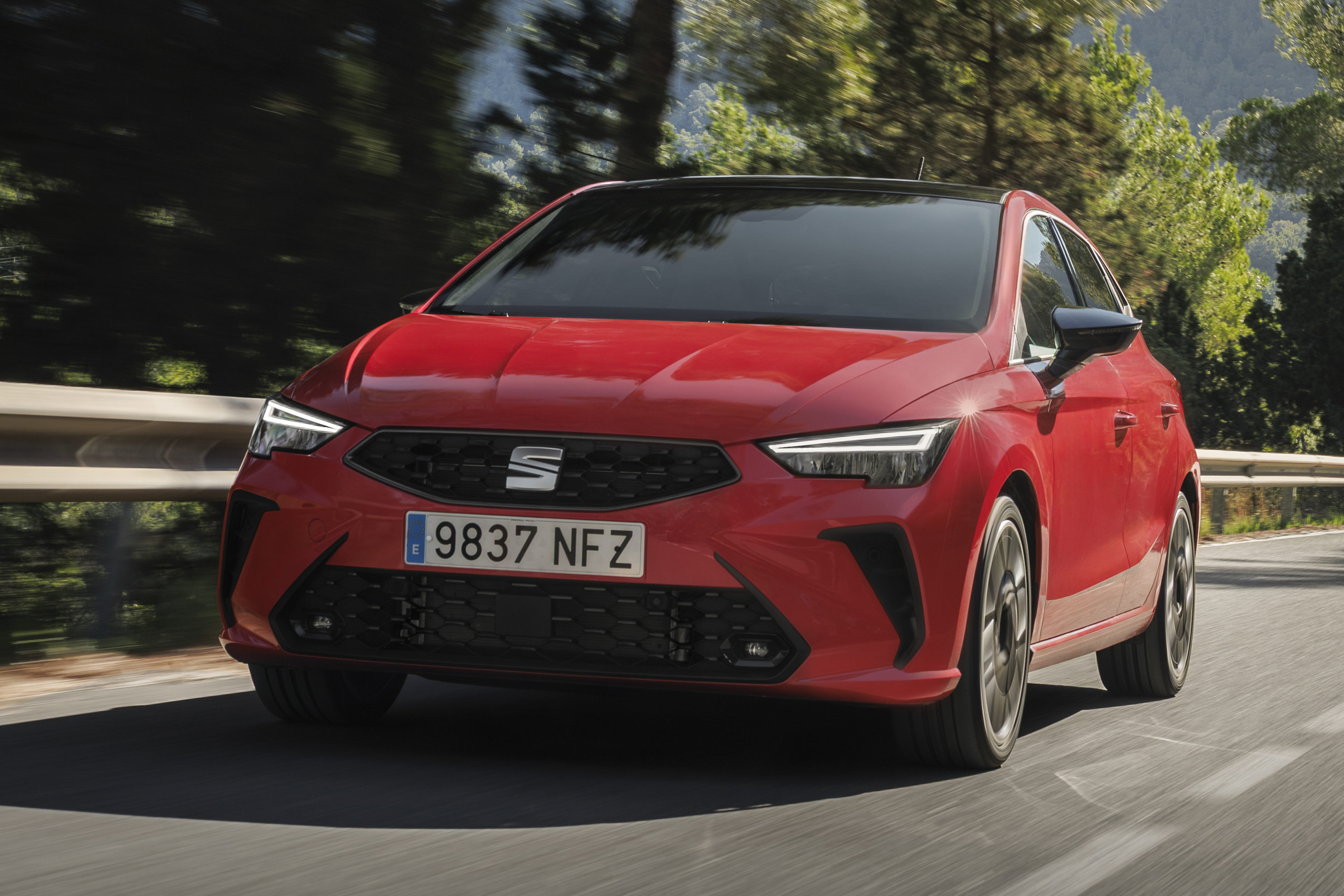
Fiat Grande Panda Review

Written By Matt Robinson
- 2025
- Small hatchback
- Petrol hybrid
What we love
Distinctive design inside and out
Impressive boot space for its size
Competitive price with an automatic gearbox
Things to consider
Ride is firmer than expected
Hybrid assistance is fairly modest
Rear bench is tight for three adults
The DRIVE take on the Fiat Grande Panda, is it the right car for you?
The Fiat Grande Panda is cute, practical for its size, awash with neat details and very cheap. We’re willing, then, to overlook that its low price is abundantly clear in places and that it’s not that great to drive.
The Fiat Grande Panda in more detail
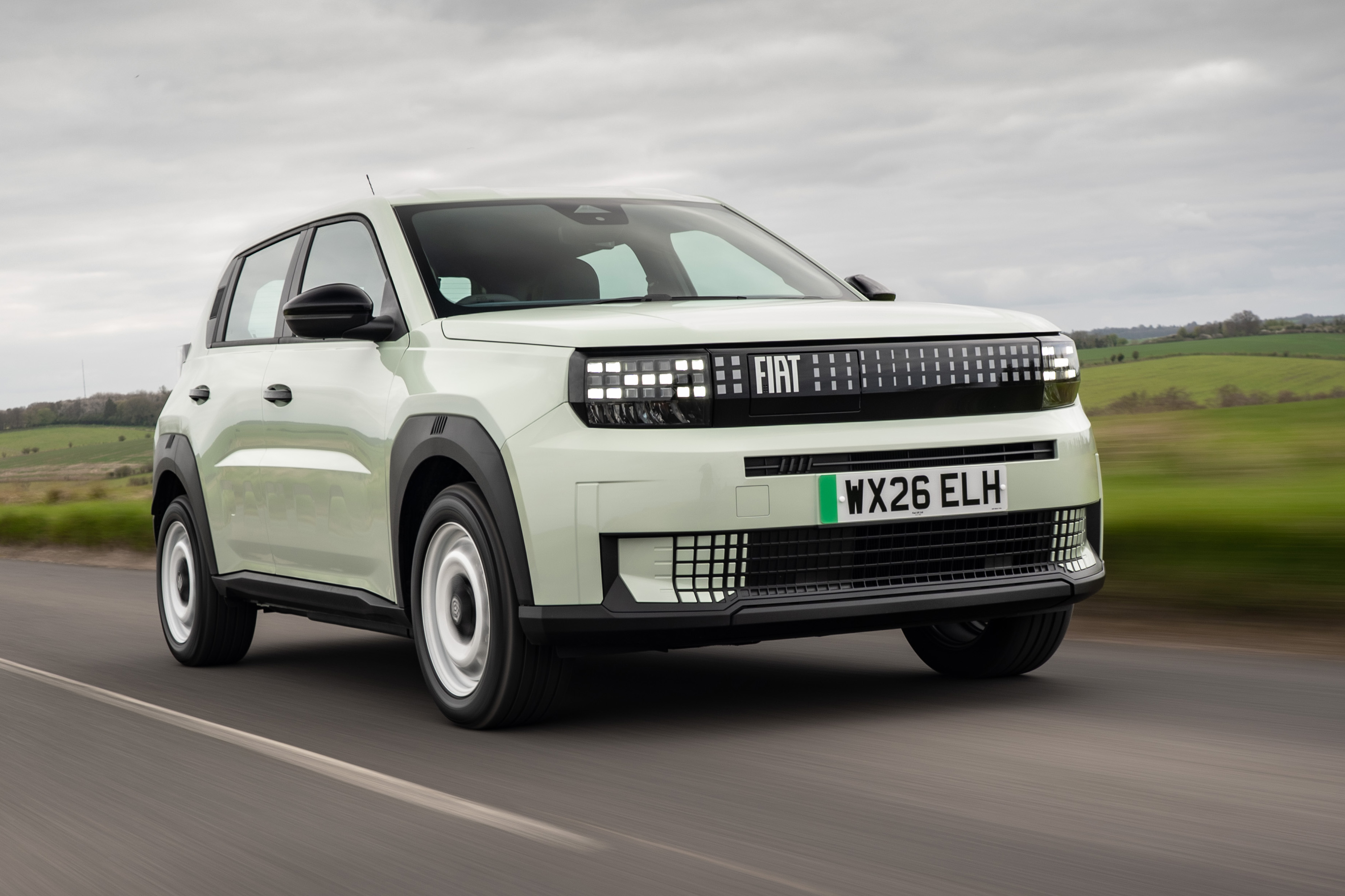
The Fiat Panda is back! Well, sort of. The car we’re talking about here is the Fiat Grande Panda which, much like its predecessor, seems determined to prove that cheap, small cars can be fun. But beyond its cutesey looks and bits of bamboo in the cabin, does it offer substance to go with the lightheartedness?
Before going any further, we should point out that the Grande Panda comes in two distinct flavours. There’s the Fiat Grande Panda Electric, which we’re covering separately, while the subject of this review has a combustion engine and Hybrid badging.
While the Electric version is true to its name, the Hybrid bit slapped on the end of this car’s designation seems disingenuous. As with other cars thusly titled from the Stellantis empire of brands, it’s not a full, self-charging hybrid, allowing for extended electric-only driving. Rather, it’s a mild hybrid with a very small battery and motor assisting the 1.2-litre three-cylinder engine.
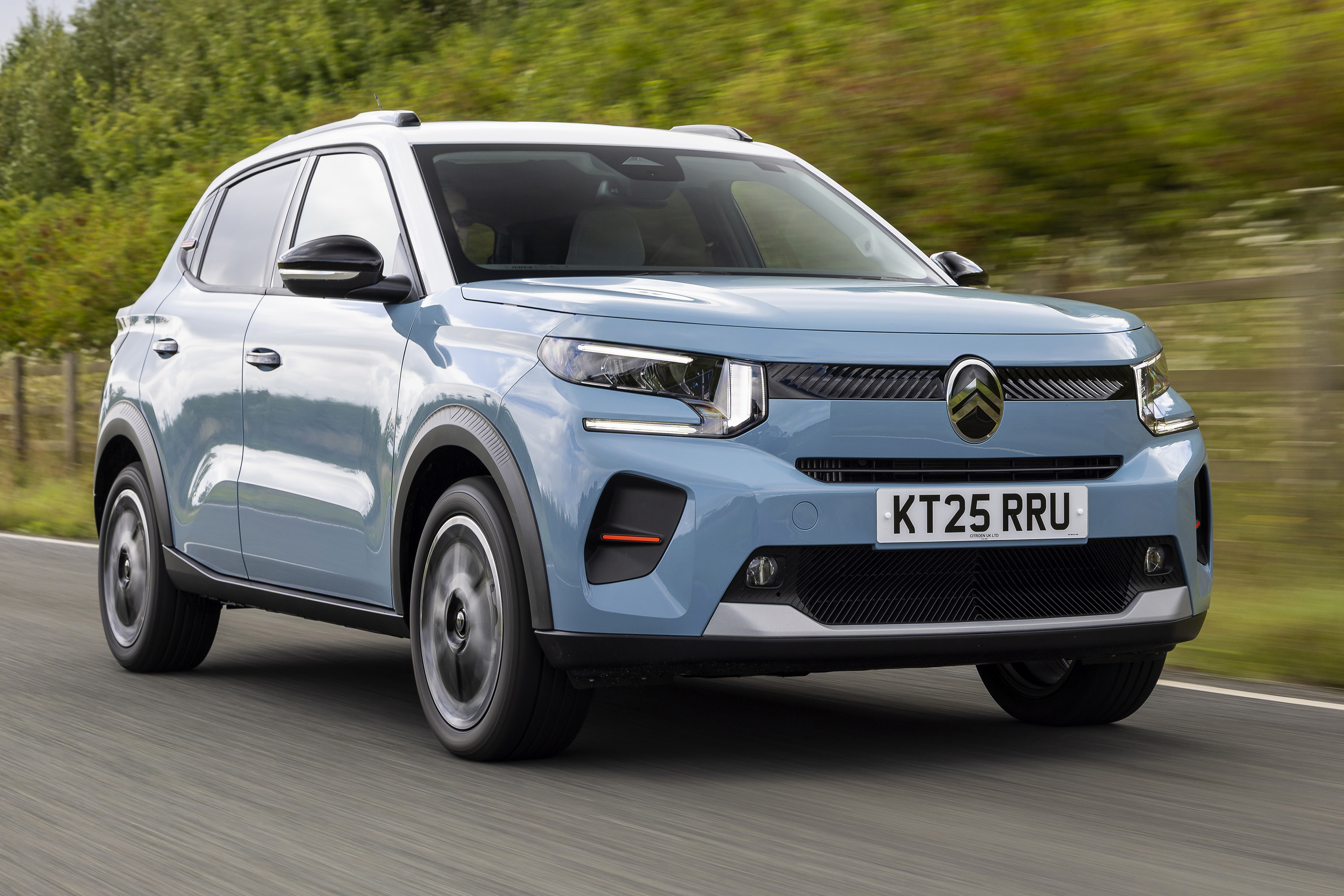
Speaking of those other Stellantis brands, each has an equivalent model in the range using much of the same bits and pieces as the Fiat Grande Panda Hybrid, so if you like the drive system but not the boxy styling, you could instead opt for the mechanically very similar Alfa Romeo Junior Ibrida or Citroen C3. Want more ride height? Then there’s the Citroen C3 Aircross and Vauxhall Frontera which are also made from the same box of components as this Fiat.
Pricing between each is pretty similar but the Fiat is by far the cheapest, coming in at just over £18,000. It’s pleasing to see any car dip under the £20,000 mark these days and the Grande Panda seems determined to show that cheap can also mean cheerful rather than nasty.
The Fiat manages this with loads of quirky details both inside and out, such as the massive, embossed Panda logo spread across the doors, retro video game-inspired pixel-like headlamps and embossed Fiat badges on the interior door panels. Also inside, you’ll also find a material called Bambox which is made from one-third recycled bamboo, although it only features on the top-of-the-range La Prima version.
It’s just as well that the Fiat Grande Panda does all it can aesthetically to brighten your day, as when it comes to actually driving the thing, it’s underwhelming and — at times — frustrating. Mostly, though, the Fiat Grande Panda Hybrid’s a welcome injection of fun into an area of the car market many manufacturers are moving away from and where the remaining alternatives are pretty dreary.
What's the best Fiat Grande Panda trim and engine option?
With only one engine option, it simply comes down to trim and Icon is the version we would choose. The price increase is relatively modest and it adds 16-inch black alloy wheels, privacy glass, roof rails, different bumper trim and a central armrest. None of those additions fundamentally changes the car, but they make the Grande Panda feel less obviously built down to a price.
What’s the price of the Fiat Grande Panda?
Current prices start at £19,995 for the Grande Panda Hybrid Pop, rising to £20,995 for Icon and £22,995 for La Prima. That keeps it among the more affordable automatic small cars, with only a £3,000 spread across the range.
The Grande Panda Electric also starts from £20,995, so it is worth comparing if you can charge at home. The Hybrid suits longer journeys and drivers without easy charging, while the Electric could be cheaper to run for mainly local use.
Alternatives to the Fiat Grande Panda
The Citroen C3 is the Grande Panda’s closest relative, sharing much of its platform and hybrid hardware but with a stronger focus on comfort.
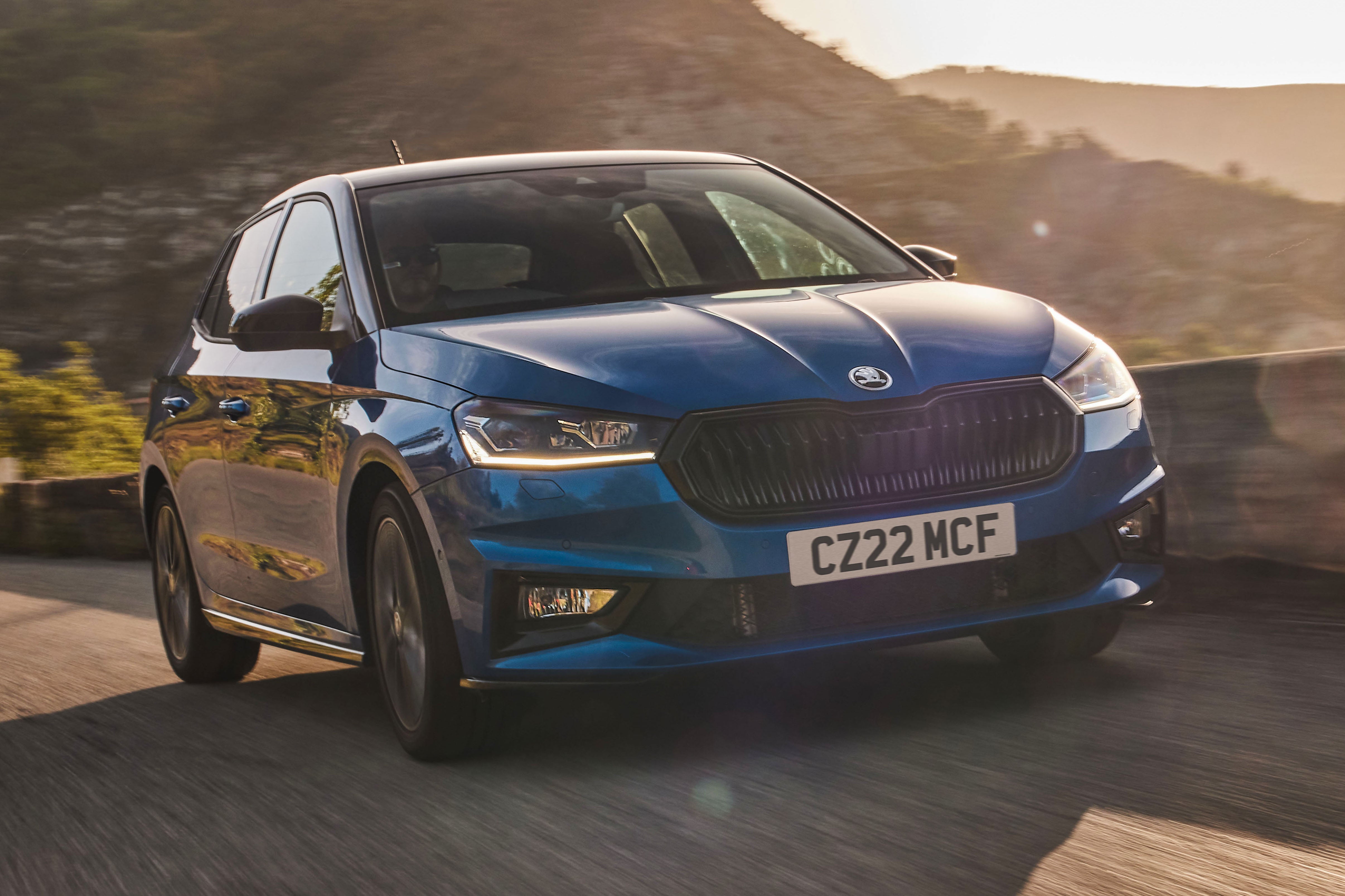
The Skoda Fabia is more conventional, but roomier and more polished on faster roads, while the cheaper Dacia Sandero majors on space and value.
If you want a more sophisticated hybrid, the Renault Clio E-Tech and Toyota Yaris both use fuller hybrid systems and can be very efficient around town. The Suzuki Swift is another affordable electrified option, with a lighter, more agile feel.
The Grande Panda stands out for its distinctive design, useful practicality and standard automatic hybrid drivetrain.
What's the interior like in the Fiat Grande Panda?
Rivals take note — the Fiat Grande Panda belies its low price tag with a funky interior that looks better than cabins in cars costing thousands more. Look closer and you’ll see where the money has been saved but it’s all forgivable. Practicality is also decent.
Fiat Grande Panda boot space and practicality
The Grande Panda makes clever use of its compact footprint. The upright driving position gives a good view out, while the tall body and generous width create plenty of space up front. Storage is also strong, with around 13 litres dotted across the dashboard and gloveboxes.
Rear space is less impressive. Two adults fit comfortably enough, but legroom is only average and three across the back will feel tight. Families should find it more accommodating, helped by Isofix points and wide-opening rear doors.
The boot is a highlight. The Grande Panda Hybrid offers 412 litres of space, which is excellent for a car measuring just 3,999mm long and 51 litres more than the Electric. Fold the 60:40 split rear seats and capacity rises to 1,366 litres.
If you regularly carry three adults in the back, a larger car will suit you better. For shopping, luggage, pushchairs and everyday family clutter, though, the Grande Panda is impressively practical.
Fiat Grande Panda dimensions
The Fiat Grande Panda is 3,999mm long, 1,763mm wide and 1,586mm tall, with a 2,540mm wheelbase. Its compact footprint makes it easy to manage in town, while the tall, boxy body helps free up useful cabin and boot space. The trade-off is a little more wind noise at motorway speeds.
Tech and infotainment in the Fiat Grande Panda
The Fiat Grande Panda uses a 10.25-inch infotainment touchscreen, sitting in the same housing as the 10.0-inch digital instrument cluster — you get this setup on all three trim levels. It’s okay in terms of responsiveness and the menu system is easy to navigate. Pleasingly, you don’t have to use it for the climate control settings, with proper physical controls found below the display.
All Grande Pandas get a wireless charging pad which holds phones more securely than some we’ve tried recently, even when you exit a roundabout in an exuberant fashion. There’s also a pair of USB-C ports in the front and a further two in the rear.
The sound system is nothing to write home about but it’ll be fine for anyone who’s not an audiophile.
Materials available on the Fiat Grande Panda
If the vibrant, quirky nature of the cabin makes you forget about the Fiat Grande Panda’s rock-bottom price tag, the feel of the materials used will bring it right back to the forefront of your mind.
The coloured plastic stretching across much of the dashboard and along the interior door panels feels cheap and scratchy, interrupted on the latter only by some thin strips of fabric for the armrests. The Bambox had an inconsistent finish in our test car and we get the sense it might look worn over time, particularly as it’s cladding the upper glovebox which will be a frequent touchpoint in the car.
Speaking of which, the sea of shiny black plastic cladding the centre console was already covered in scratches in a car that must have only been a few weeks old. When will manufacturers learn that this is a rubbish material to use for car interiors?
The seat upholstery is nicer than everything else in the cabin, while the bold use of colour means the Grande Panda’s interior generally looks more expensive than it feels. Everything is put together just fine, as well.
What's the Fiat Grande Panda like to drive?
Whether you’re just pootling around or trying to drive in a more spirited manner, the Fiat Grande Panda never quite hits the mark. It feels happier being driven more sedately but isn’t comfortable enough when you’re doing so. Refinement isn’t brilliant, either.
Fiat Grande Panda range and performance
In the UK, there’s a clear choice to make for the Fiat Grande Panda — you either go electric or petrol with mild hybrid assistance. Some countries are getting a petrol-only model with a manual gearbox, but Britain isn’t one of them (for now at least).
Under the bonnet of the Grande Panda Hybrid is 1.2-litre three-cylinder engine combined with a small, 29PS electric motor and a 48-volt battery. Total power output is for a total of 110PS.
You won’t be going great distances under electric power alone here. Fiat says the battery allows up to 0.6 miles of operation with the engine switched off and only at speeds of under 18mph. It’s only really when you’re parking, coming to a stop, or just setting off that you’ll notice the little electric motor propelling the Grande Panda.
The engine side of the equation sounds strained when at full throttle and although the Grande Panda feels quick enough getting up to speed, it makes quite a racket doing so. At least the vibrations passed into the cabin are more subtle than we’ve found in three-cylinder Renaults and Dacias.
The six-speed dual-clutch automatic gearbox is never in a hurry to shift ratios and it feels like it takes an eternity to kick down a gear when acceleration is demanded. The whole package might leave you yearning for the times when a car of this type had an underpowered but revvy engine with a manual gearbox. Then again, the ease of city driving with an automatic will be preferable for many.
Performance data
| Model | Engine/battery size | Power | 0-62mph | Range/MPG |
|---|---|---|---|---|
Fiat Grande Panda Hybrid | 1.2-litre turbo 48V hybrid | 110PS | 11.2 seconds | Up to 56.5mpg |
Fiat Grande Panda driving and refinement
Often you’ll find a car is compromised in one area to make it better in another. For instance, it might be set up softly so it leans quite a bit in the corners with a payoff in terms of comfort when you’re just cruising along. This isn’t the case with the Fiat Grande Panda.
It feels firmer than it needs to be, jostling its occupants around over imperfections in the road surface and speed bumps, yet when you are on a smooth surface and fancy driving a little quicker, darting in and out of traffic in urban environments, the Grande Panda never really feels that happy.
Body roll isn’t so bad, at least, but the Goodyear Efficient Grip tyres our test car was fitted with, aimed at lowering the rolling resistance, could do with offering more traction in the wet. The steering, meanwhile, is numb.
More than anything it’s just not a fun thing to drive, which is a shame, when cars aimed at urban use usually are.
The ride does mostly settle at cruising speeds but it’s still not a particularly comfortable car to be in, with a decent helping of wind and road noise present. The soundproofing is clearly lacking in this family of cars, as we’ve found the same in related vehicles from the Stellantis group of brands, including the latest Citroen C3.
How safe is the Fiat Grande Panda?
Neither the Fiat Grande Panda nor the closely related Citroen C3 have so far been crash-tested by Euro NCAP. Infamously, the safety body rated the previous-generation Fiat Panda zero out of five stars when it was retested in 2018, but by that point it was a already very outdated car, arguably long overdue for retirement. The Grande Panda is a completely unrelated car using different underpinnings, so there's no worry about a similarly low score this time.
Standard-fit safety equipment includes autonomous emergency braking, lane-keeping assistance and a driver attention monitor.
Running costs: What it's like to live with a Fiat Grande Panda
The Grande Panda Hybrid should be affordable to run, with up to 56.5mpg and insurance groups 19 to 20. Its three-year/60,000-mile warranty is less generous than some rivals, although the hybrid battery gets longer cover. The 48V system should be most useful in urban driving.
Fiat Grande Panda fuel economy
Fiat quotes 55.4 to 56.5mpg, depending on specification, with CO2 emissions of 115 to 117g/km.
The 48V mild hybrid system recovers energy when slowing and can assist the car at low speeds, so it is most effective in town. Around 50mpg is a realistic target in mixed driving, although a full hybrid such as the Toyota Yaris or Renault Clio E Tech should be more efficient in heavy urban use.
Fiat Grande Panda warranty and servicing
The Grande Panda comes with a three year or 60,000 mile warranty, with unlimited mileage during the first two years. Fiat also provides three years of paint cover and eight years of protection against body perforation.
The hybrid battery is covered for eight years, giving useful extra reassurance, although the overall warranty is less generous than those offered by Kia and Toyota.
Fiat Grande Panda insurance groups
The Grande Panda Hybrid sits in insurance groups 19 to 20. Pop is group 19, while Icon and La Prima are group 20.
Those ratings are not especially low for an affordable small car, so it is worth getting a quote before buying, particularly for younger drivers. The Grande Panda Electric sits slightly higher in groups 23 to 24.
How much does it cost to tax a Fiat Grande Panda?
The Fiat Grande Panda Hybrid costs £200 a year to tax at the current standard VED rate.
There is no Expensive Car Supplement to pay because every version sits comfortably below the £40,000 list price threshold.
What trims are available with the Fiat Grande Panda?
The Grande Panda Hybrid comes in Pop, Icon and La Prima trims, all using the same 110PS 1.2 litre 48V hybrid engine and six speed automatic gearbox.
Pop starts at £19,995 and covers the essentials well. It gets 16-inch steel wheels, LED lights, air conditioning, a 10.25-inch touchscreen with wireless Apple CarPlay and Android Auto, a 10-inch digital driver display, cruise control, rear parking sensors and a 60:40 split folding rear seat.
Icon costs £20,995 and is our pick of the range. It adds 16-inch black alloy wheels, privacy glass, roof rails, extra exterior trim, a central armrest and additional cabin storage. The extra £1,000 is reasonable and gives the Grande Panda a more finished feel.
La Prima tops the range at £22,995, adding 17-inch alloy wheels, heated and electrically folding mirrors, heated front seats, a heated steering wheel, automatic climate control and distinctive blue and white upholstery with BAMBOX dashboard trim. Navigation, wireless phone charging, front parking sensors, a reversing camera, keyless entry and rain sensing wipers are also standard.
Ask the Drive experts: common questions
Is there an electric Fiat Grande Panda?
Is the Fiat Grande Panda a proper hybrid?
Does the Fiat Grande Panda replace the old Fiat Panda?
Get our latest advice, news and offers
Keep me updated by email with the latest advice, news and offers from Drive.
.jpg)