Vauxhall Mokka Electric Review

Written By Andrew Brady
- 2021
- SUV
- Electric
What we love
Easy introduction to electric motoring
Good standard equipment
Comfortable and unintimidating to drive
Things to consider
Cramped rear seats and small boot
Cabin does not feel as special as the styling suggests
Some rivals offer more range and space
The DRIVE take on the Vauxhall Mokka, is it the right car for you?
The Vauxhall Mokka Electric makes a lot of sense if you want a small EV that feels familiar rather than futuristic. It looks smart, drives easily and does not ask much of you in day-to-day use, which is exactly what many first-time EV buyers want.
The problem is that the Mokka Electric is not especially roomy for a small SUV, and its boot is modest. If you need a true family car, there are better options. But if you want a stylish, compact electric crossover for commuting, town work and the occasional longer trip, the Mokka Electric remains easy to understand.
The Vauxhall Mokka in more detail
The Mokka Electric has always been one of those EVs that makes the switch away from petrol feel less daunting. It does not look wildly experimental, it does not bury everything in gimmicky software and it does not force you to relearn how a car should work.
That is a bigger strength than it might sound. A lot of buyers in this part of the market do not want their first electric car to feel like a science project. They want something compact, stylish and easy to live with. The Mokka Electric delivers that rather well.
Browse used Vauxhall Mokkas for sale →
It also looks good. Vauxhall got the proportions and detailing right with the Mokka, and the electric version benefits from that same crisp, upright design. It is one of the more distinctive small crossovers on sale without trying too hard.
The current UK line-up is simpler than the older review suggests. The 50kWh battery and 136PS motor have gone from the new-car line-up, replaced by the newer 54kWh battery and 156PS motor. That means today’s Mokka Electric gets the longer-range drivetrain as standard, while trims now centre on Griffin, GS and Ultimate, with the much more powerful GSE sitting separately above them.
That helps make the Mokka Electric easier to recommend than before. You no longer have to steer buyers away from the weaker old battery setup if they are shopping new. The remaining question is more about whether this is enough EV for the money, because the market has become more competitive.
What's the best Vauxhall Mokka trim and battery option?
The current Mokka Electric range uses a single battery and motor combination in its mainstream forms, so the choice is now mostly about trim rather than range or performance.
GS is the version we would target because it adds the nicer digital display setup, keyless entry, heated front seats, heated steering wheel and the extra convenience kit that make the Mokka Electric feel much more complete day to day. Griffin is decent enough, but GS feels like the point where the car becomes properly desirable rather than merely acceptable.
Ultimate has appeal if you want the fullest spec and nicer safety and lighting kit, but the value case is strongest in the middle of the range.
What’s the price of the Vauxhall Mokka?
The current Vauxhall Mokka Electric range starts at £31,005 for the Griffin Electric after the Electric Car Grant. GS is £33,605 and Ultimate is £36,605. Above those sits the separate Mokka GSE at £35,495 after the grant. That pricing puts the Mokka Electric in the thick of the small EV market, where there is no shortage of talented alternatives. It is not the bargain-basement route into EV ownership, but it is competitive enough given the equipment on offer. There are also plenty of used Vauxhall Mokkas for sale for considerably less.
The key point is that the Mokka Electric sells more on style and ease of use than on outright space or value per pound.
Alternatives to the Vauxhall Mokka
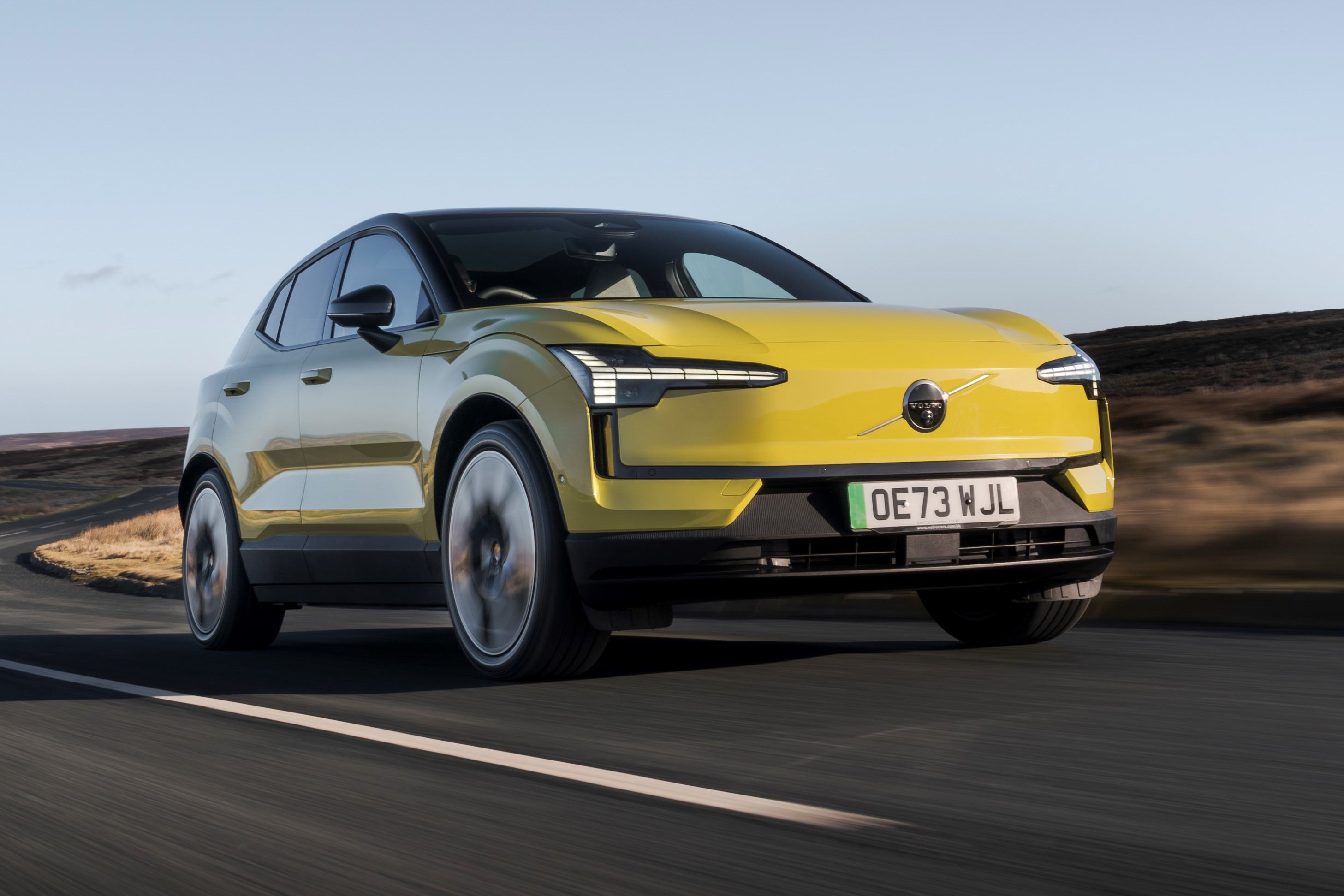
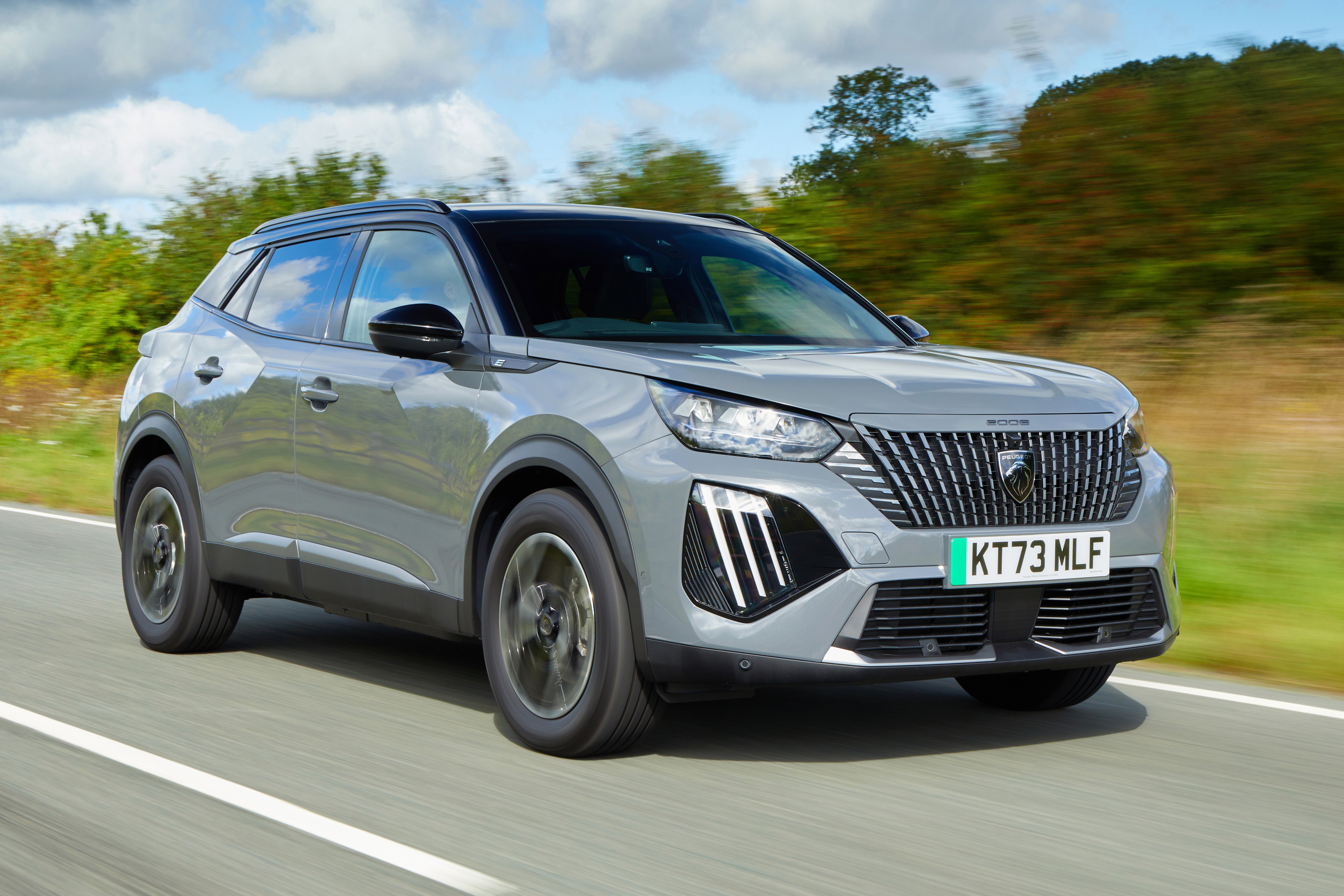
The Peugeot e-2008 and Citroen e-C4 are the obvious alternatives because they share much of the same underlying Stellantis hardware. The Jeep Avenger Electric is another very close relation, though with a different character and image.
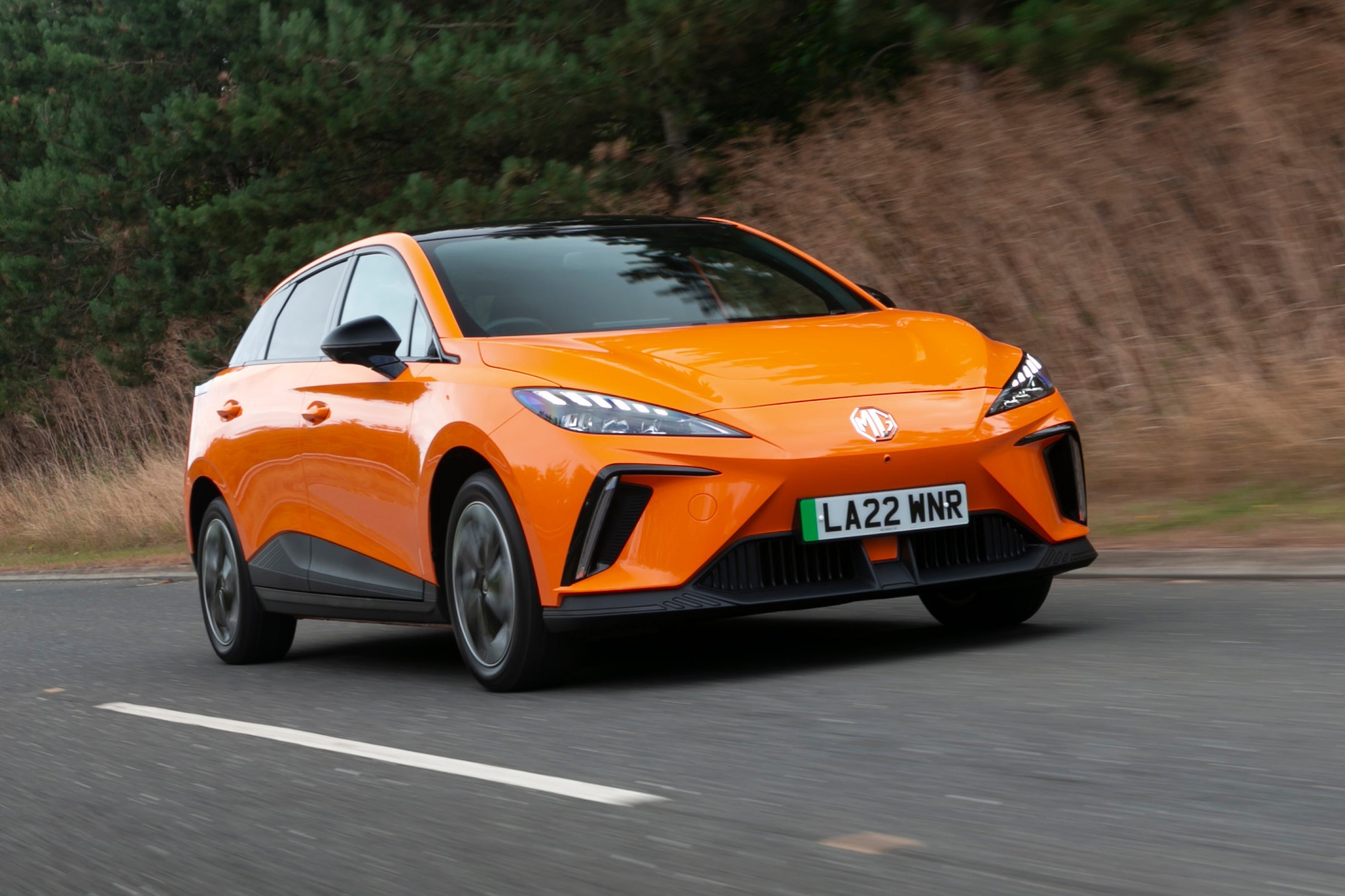
The Hyundai Kona Electric and Kia Niro EV are stronger all-rounders if space and range matter more than styling, while the MG4 remains one of the smartest EV buys full stop if you are happy to trade the SUV look for a hatchback body.
You could also consider the Renault Megane E-Tech or Volvo EX30 if your budget stretches, while the Fiat 600e sits near the Mokka Electric in both size and purpose.
What's the interior like in the Vauxhall Mokka?
The Mokka Electric’s cabin is tidy and easy to get on with, but it does not have quite the same visual drama as the exterior.
Vauxhall Mokka boot space and practicality
Practicality is the Mokka Electric’s weak point. Up front, things are fine. There is enough room for two adults, the seating position is pleasantly raised and visibility is decent enough for urban driving.
In the back, though, the Mokka Electric feels noticeably tighter than some rivals. Legroom is limited and taller passengers will not thank you for a long journey. Headroom is acceptable, but this is not a spacious rear cabin by small SUV standards.
The boot is also on the small side. At 310 litres, it trails a lot of rival small SUVs and even some superminis. Fold the rear seats and capacity rises to 1,060 litres, which is more useful, but the Mokka Electric is still not the car you choose if cabin and luggage space are top priorities.
For singles, couples and small households it is likely to be fine. As a primary family car, it looks less convincing.
Vauxhall Mokka dimensions
The Vauxhall Mokka Electric measures 4,150mm long, 1,987mm wide & 1,534mm high.
Those are tidy dimensions, and they help explain why the Mokka Electric feels so easy to place in town. It is compact enough to slot into tight spaces without stress, which suits its easy-going character well.
Tech and infotainment in the Vauxhall Mokka
Vauxhall’s infotainment offering is straightforward rather than flashy, which is no bad thing. The system is easy enough to understand and includes smartphone connectivity as standard.
The lower trims make do with simpler screen arrangements, while GS and above feel more convincing because of the upgraded digital display and better overall equipment count. Apple CarPlay and Android Auto are standard, which matters because they help sidestep any weaknesses in the native software.
This is not the slickest system in the class, but it covers the important bases and fits the Mokka Electric’s no-fuss brief well.
Materials available on the Vauxhall Mokka
The Mokka Electric’s cabin feels durable enough, but it is not especially plush. There are plenty of hard plastics, and while the design is neat and modern enough, it does not have the tactile richness some buyers might expect given the car’s sharp exterior styling.
That said, it does not feel badly made. The impression is more of sensible cost control than outright cheapness, and that is fairly typical for this part of the market.
What's the Vauxhall Mokka like to drive?
The Mokka Electric is easy, calm and predictable to drive. That is one of its main strengths.
Vauxhall Mokka range and performance
The current mainstream Mokka Electric uses a 54kWh battery and a front-mounted electric motor producing 156PS and 260Nm of torque. Vauxhall quotes 0-62mph in around 9.0 seconds and a top speed of 93mph.
Official WLTP range is up to 250 miles, which is a useful improvement on the older 50kWh version and enough to make the Mokka Electric a credible everyday EV.
That does not make it excitingly fast, but it is brisk enough for daily use and feels lively enough around town.
Performance data
| Model | Engine/battery size | Power | 0-62mph | Range/MPG |
|---|---|---|---|---|
Mokka Electric | 54kWh | 156PS | 9.0 seconds | Up to 250 miles |
Vauxhall Mokka driving and refinement
The Mokka Electric rides well by the standards of small electric SUVs. Around town it deals with rougher surfaces better than many alternatives, which helps make it a relaxing commuter.
The steering is light, visibility is decent and the whole car feels unintimidating. That makes it particularly easy to recommend to drivers making their first move into an EV.
It is less impressive if you drive it hard. Body lean is noticeable, and it never feels especially agile or playful on a twisty road. But that is not really the point of the Mokka Electric.
Refinement is good too. There is little motor noise, wind noise is well contained and road noise stays largely in the background. That all contributes to the sense that the Mokka Electric is at its best when driven gently and smoothly.
How safe is the Vauxhall Mokka?
The Mokka’s active safety equipment is strong enough for this class, with automatic emergency braking, lane assistance, speed-sign recognition and driver-attention monitoring all part of the picture.
Higher trims add more, including blind-spot warning and Vauxhall’s Intelli-Lux Matrix headlights on the best-equipped versions. That gives the Mokka Electric a healthy amount of safety and convenience technology for a small crossover.
Running costs: What it's like to live with a Vauxhall Mokka
The Mokka Electric’s running costs are one of its main attractions. It is compact, simple to charge and should be far cheaper to run than an equivalent petrol SUV if you can charge at home.
Vauxhall Mokka charging times and costs
The current Mokka Electric can charge from 20 to 80 per cent in about 27 minutes on a DC fast charger. That makes motorway top-ups reasonably painless, even if some newer EVs are now quicker.
At home, overnight charging remains the natural fit. Vauxhall supplies an 11kW onboard charger as standard, and charging on a home wallbox is easy enough to fit around normal use.
So while the Mokka Electric is not a charging benchmark, it is quick enough to work well as a home-charged everyday EV.
Vauxhall Mokka warranty and servicing
Vauxhall’s new vehicle warranty includes 12 months of general manufacturer cover without a mileage limit. The electric vehicle battery is then covered separately for eight years or 100,000 miles, whichever comes first.
Servicing is based on Vauxhall’s maintenance schedule, with the company advising owners to refer to the handbook for mileage intervals. Vauxhall’s EV servicing programme uses interim, main and major services depending on age and mileage.
Vauxhall Mokka insurance groups
Insurance groups for the current Mokka Electric sit in the low-to-mid 20s. Griffin is group 25, GS is group 23 and Ultimate is group 24. That is competitive enough for a small EV and helps strengthen the ownership case.
How much does it cost to tax a Vauxhall Mokka?
After year one, the Vauxhall Mokka Electric pays the standard annual VED rate, currently £200. Because the Mokka Electric sits below the current £50,000 Expensive Car Supplement threshold for EVs, there is no additional annual charge to worry about.
What trims are available with the Vauxhall Mokka?
The current mainstream Mokka Electric line-up is built around Griffin, GS and Ultimate, with the separate GSE sitting above them as a more overtly performance-focused flagship.
Griffin keeps the price down and still gets a decent amount of kit. GS feels like the sweet spot because it adds the convenience features and cabin upgrades most buyers will actually appreciate. Ultimate piles on more safety, lighting and comfort kit, while GSE turns the Mokka into something much faster and more niche.
Ask the Drive experts: common questions
How much does the Vauxhall Mokka Electric cost?
What’s the maximum range of the Vauxhall Mokka Electric?
Is the Vauxhall Mokka Electric practical?
What is the best Vauxhall Mokka Electric version?
Get our latest advice, news and offers
Keep me updated by email with the latest advice, news and offers from Drive.
.jpg)
.jpg)
.jpg)