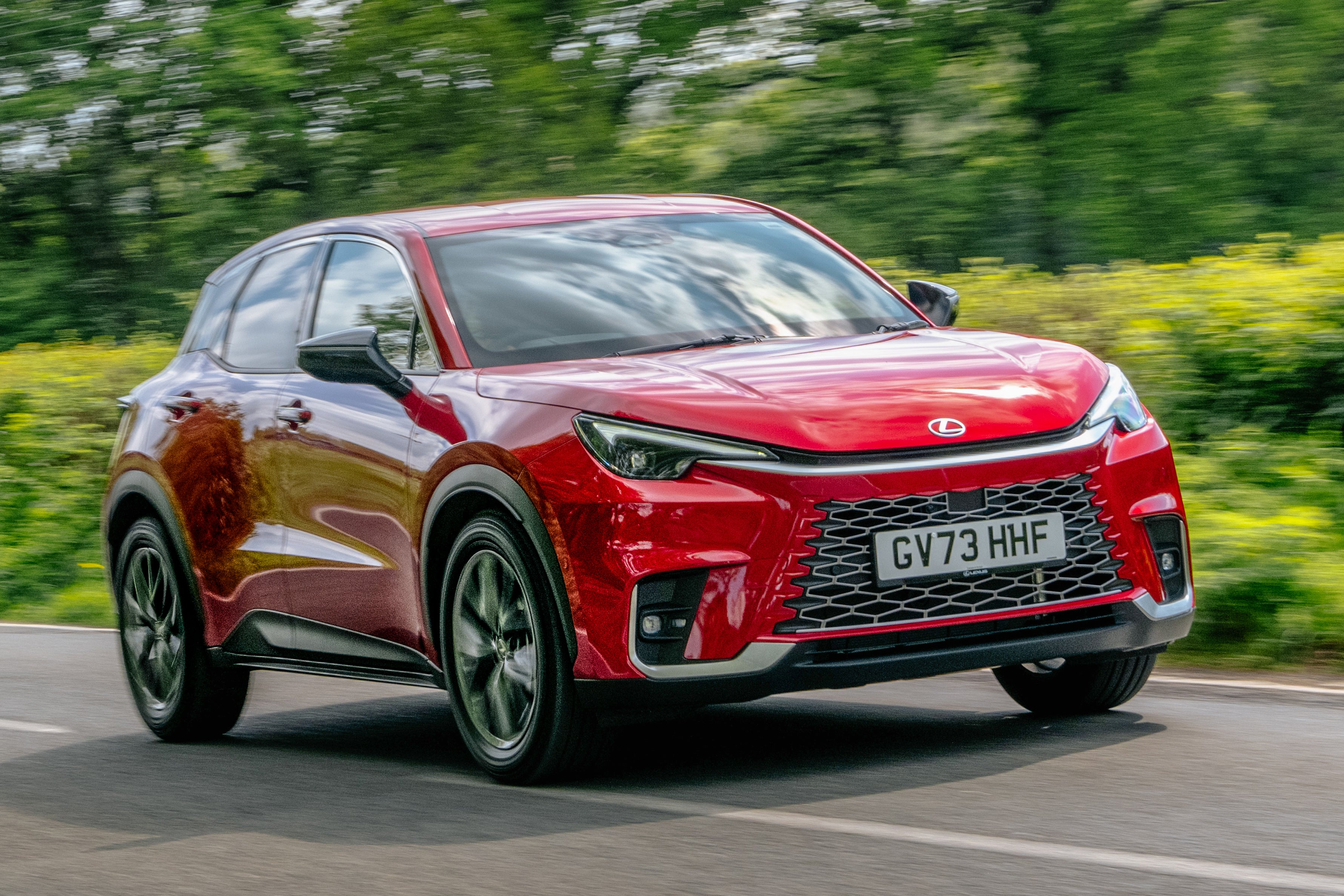
MG ZS Review

Written By Ivan Aistrop
- 2024
- Small SUV
- Petrol, hybrid
What we love
A lot of space and kit for the money
Hybrid model is brisk and economical enough
Excellent seven-year warranty
Things to consider
Petrol engine feels quite slow
Road noise can be intrusive
Some rivals ride more comfortably
The DRIVE take on the Mg Zs, is it the right car for you?
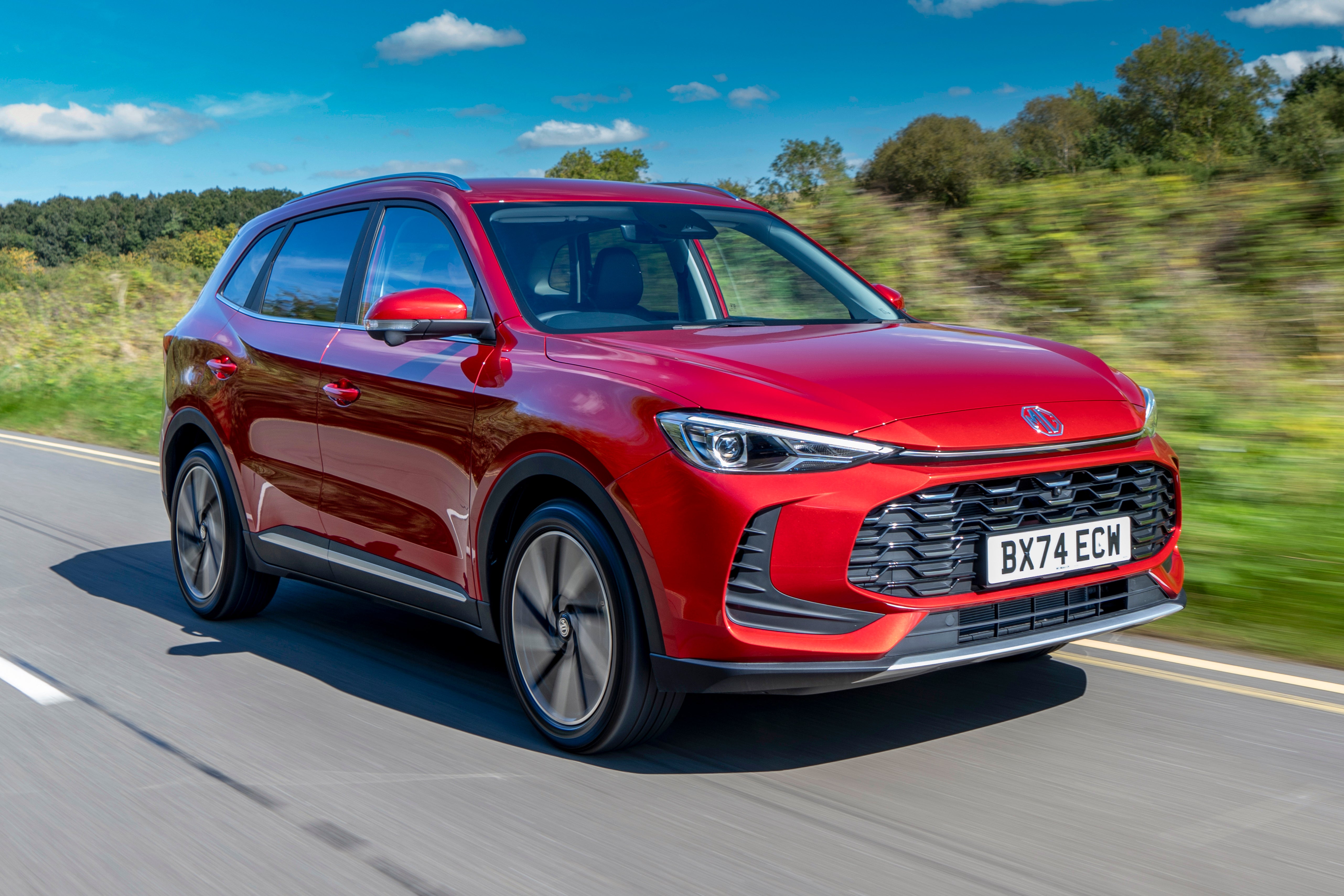
The MG ZS leans heavily on value, with lots of equipment, useful space and very aggressive pricing. But it has more going for it than that. It looks smart, the interior is appealing and the Hybrid+ version is punchy enough to make it feel far less bargain-basement than the price might suggest.
There’s plenty of room for a family, the 443-litre boot is a useful size and even the cheaper versions come with a strong equipment list.
It isn’t the quietest or most polished small SUV, while the ride can feel firmer than some rivals. But if value matters most, the MG ZS is very easy to shortlist.
The Mg Zs in more detail
The MG ZS makes immediate sense once you look at what you get for the money. MG’s formula is simple enough: give buyers a roomy family SUV with plenty of standard equipment, then price it well below many obvious alternatives.
That remains the core appeal of the current ZS, but it isn’t a car that relies on price alone. The styling is clean and modern, while the cabin looks smart enough to feel competitive with more expensive rivals. A 12.3-inch central touchscreen and 7.0-inch digital driver display are standard, helping even the entry-level car feel reasonably up to date.
The line-up is straightforward. The cheapest version uses a 1.5-litre petrol engine producing 115PS and a five-speed manual gearbox. Above that sits the Hybrid+, which combines a 1.5-litre petrol engine with an electric motor for a maximum combined output of 196PS.
The hybrid is the more convincing powertrain and the one most buyers should start with. It gives the ZS useful performance, with 0–62mph taking 8.7 seconds, while official fuel economy of 55.4mpg is comfortably better than the petrol car’s 43.5mpg.
Practicality is another major strength. There’s plenty of space in the rear seats, while the 443-litre boot is bigger than you’ll find in several obvious rivals. Fold the rear seats and capacity increases to 1,457 litres.
Standard equipment is strong, too, and MG backs the ZS with a seven-year/80,000-mile warranty.
There are compromises, however. The suspension has a firmer edge than some family-focused rivals and road noise becomes quite noticeable at motorway speeds. But the ZS gives you a lot of space, equipment and performance for the money, particularly in Hybrid+ form.
What's the best Mg Zs trim and engine option?
The Hybrid+ is the MG ZS most people should buy. It uses a 1.5-litre petrol engine and an electric motor for a combined 196PS, giving it much stronger performance than the modest price suggests. With 0–62mph taking 8.7 seconds, it feels brisk enough for a family SUV and considerably livelier than the cheaper petrol version. It’s also more economical, with an official 55.4mpg compared with 43.5mpg for the 115PS petrol.
The petrol model still makes sense if keeping the purchase price as low as possible is the priority. At £20,495, it gives you a lot of car and equipment for the money, but its 12.5-second 0–62mph time means performance is fairly leisurely.
Trim-wise, Hybrid+ SE is already generously equipped and is the sensible choice. Trophy is the one to choose if you want more comfort and a richer cabin, adding features such as heated front seats, a heated steering wheel, artificial leather upholstery and a 360-degree camera.
What’s the price of the Mg Zs?
The MG ZS range starts at £20,495 for the 1.5-litre petrol SE. The Hybrid+ line-up begins at £22,995 for the SE, while the range-topping Hybrid+ Trophy costs £25,495. There are also plenty of used MG ZSs for sale for considerably less.
That leaves the ZS undercutting most obvious rivals, in some cases by thousands rather than hundreds. The Hybrid+ in particular looks very strong value when you compare its price, 196PS output and standard equipment with alternatives such as the Renault Captur E-Tech, Toyota Yaris Cross and Dacia Duster Hybrid.
There isn’t much complexity to the range, either. There are just two powertrains and two main trims, with very few options beyond paint. That simplicity suits the ZS – the main decision is whether to save money with the petrol or spend the extra on the much more convincing Hybrid+.
Alternatives to the Mg Zs
If you’re looking at the MG ZS Hybrid+, the Renault Captur E-Tech is one of the closest alternatives. It feels more polished on the road and has a more flexible interior thanks to its sliding rear bench, but it doesn’t offer the same combination of power, space and value.
The Toyota Yaris Cross is another obvious hybrid rival. It’s efficient and easy to drive, but it’s noticeably smaller inside and can get expensive once you start matching the MG’s equipment.
The Dacia Duster Hybrid is worth considering if value matters most. It has a more rugged feel and plenty of character, while the Hyundai Kona Hybrid is a stronger all-rounder if you’re prepared to spend more.
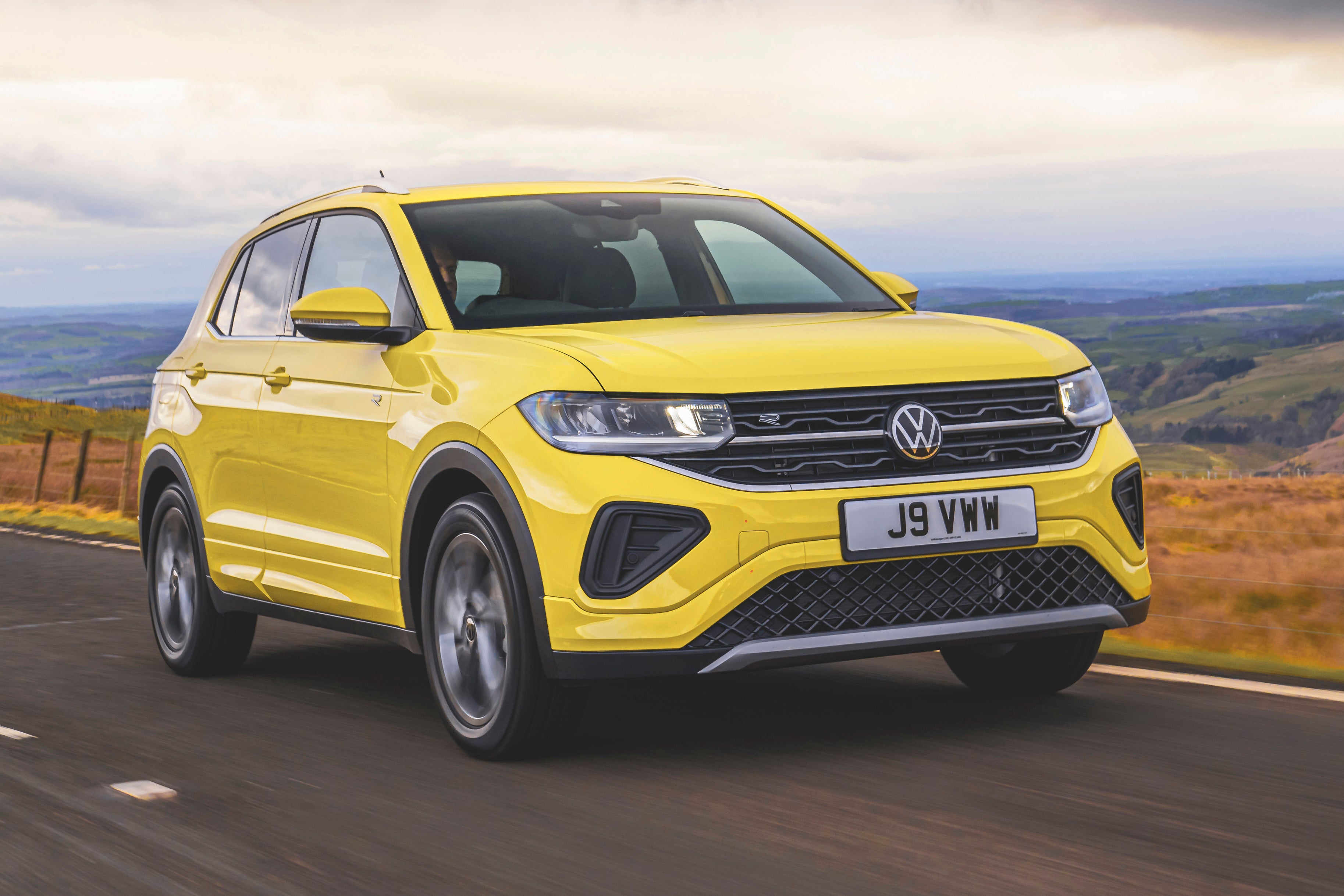
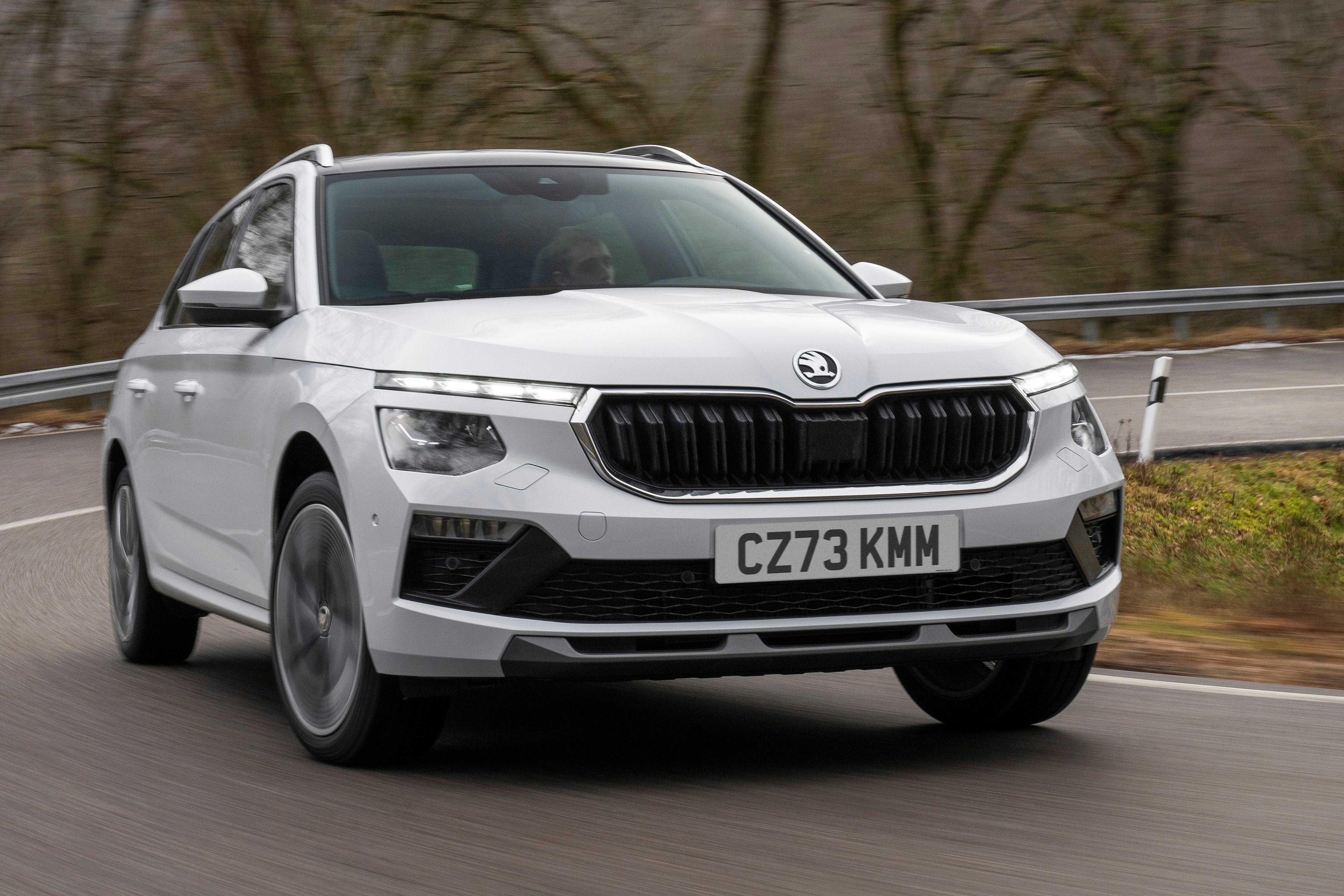
If you don’t need hybrid power, the Skoda Kamiq and Volkswagen T-Cross remain among the best small SUVs for usability, comfort and polish.
The MG ZS’s big advantage is value. It gives you a lot of interior space, a big boot and generous standard equipment for significantly less than many of these rivals.
What's the interior like in the Mg Zs?
The MG ZS has a smart, straightforward cabin that feels perfectly respectable given the price. The dashboard design is clean, the standard twin-screen layout looks contemporary and the controls are generally easy to understand.
Every version gets a 12.3-inch central touchscreen and a 7.0-inch digital driver display, while material choice varies by trim. Hybrid+ SE uses cloth upholstery, with Trophy switching to artificial leather.
There are harder plastics lower down, but the areas you see and touch most are neatly finished. It doesn’t have the richness of the best rivals, but neither does it feel conspicuously cheap.
Mg Zs boot space and practicality
Practicality is one of the strongest reasons to buy an MG ZS. At 4.43 metres long, it’s bigger than many cars traditionally considered small SUVs, and the extra size pays off inside. There’s plenty of front-seat room and useful storage around the centre console, doors and dashboard. Current cars also have both reach and height adjustment for the steering wheel, so the criticism applied to some earlier cars about having rake adjustment only no longer applies.
Rear-seat space is particularly generous. Adults have good headroom and legroom, and the relatively flat rear floor makes the centre position more usable than it is in many rivals. Three adults will still find things fairly cosy across the width, but four adults should have little to complain about.
Boot capacity is 443 litres with the rear seats upright. That’s a useful figure for this class and enough for a pushchair, several suitcases or a large weekly shop. The 60:40 split rear seats increase maximum capacity to 1,457 litres. There’s an adjustable boot floor too, although folding the seats doesn’t leave you with a completely flat load area.
A Renault Captur gives you more flexibility thanks to its sliding rear bench, while the Skoda Kamiq is particularly well packaged. But the MG counters with sheer space and a much lower price.
Mg Zs dimensions
The MG ZS measures 4,430mm long, 1,818mm wide and 1,635mm high, with a 2,610mm wheelbase. Width increases to around 2,087mm when you include the door mirrors. That makes it noticeably larger than many traditional B-segment SUVs, which helps explain the generous interior and 443-litre boot.
The downside is that it takes up a bit more road and parking space than the smallest alternatives, but it still isn’t an unwieldy car around town. The relatively compact 10.5-metre-ish turning circle helps here too.
Tech and infotainment in the Mg Zs
Every MG ZS gets the same 12.3-inch infotainment touchscreen and a 7.0-inch digital driver display. The central screen looks sharp and includes DAB radio, Bluetooth, satellite navigation, Apple CarPlay and Android Auto. The layout is reasonably easy to understand, although some functions are buried further into the menus than they should be and the screen can occasionally require a fairly deliberate prod before it responds.
The smaller driver display is less impressive.Yes, it provides the essential information clearly enough, but customisation is limited and some information is smaller than we’d like.
There’s a six-speaker audio system across the range, while Hybrid+ models also get four USB connections, including one positioned near the rear-view mirror for a dashcam. Petrol versions have three USB ports. Trophy adds a 360-degree parking camera, while the current petrol SE also gets this feature as part of its unusually generous specification.
The infotainment system doesn’t set new standards for slickness, but the amount of technology supplied as standard is another reason the ZS looks strong value.
Materials available on the Mg Zs
MG uses a mixture of harder moulded plastics and more decorative finishes throughout the ZS cabin. The surfaces lower down are clearly built to a price, but the dashboard and upper door areas use more interesting textures and trim to stop the interior feeling excessively basic.
Hybrid+ SE uses two-tone dark grey cloth upholstery, while Hybrid+ Trophy replaces that with black leather-style upholstery. Trophy also gains additional comfort features including heated front seats, which gives the cabin a noticeably more upmarket feel.
The petrol SE has an unusual specification of its own and currently gets black leather-style upholstery despite sitting at the bottom of the overall ZS price range.
You won’t mistake the MG for a premium SUV if you inspect every surface closely, but the materials and design are perfectly respectable given what the car costs.
What's the Mg Zs like to drive?
The MG ZS is better to drive than its budget pricing might suggest, but it isn’t the most polished small SUV in the class. The hybrid is punchy and easy to use, while the car feels secure and tidy enough through corners. Its suspension is relatively firm, so rough urban roads can make themselves felt more than they do in softer rivals. The steering is extremely light around town before gaining considerably more weight at speed.
Refinement is the bigger weakness. The Hybrid+ is generally quiet when driven gently, but road noise can become intrusive on the motorway.
Mg Zs range and performance
There are two powertrains in the current UK MG ZS range, and both use a 1.5-litre four-cylinder petrol engine.
The entry-level ZS is the simplest. Its naturally aspirated petrol engine produces 115PS and 148Nm, driving the front wheels through a five-speed manual gearbox. It takes 12.5 seconds to reach 62mph and has a top speed of 111mph. It’s not quick, but that isn’t really its purpose. This version exists to give buyers a big, well-equipped family SUV for just over £20,000.
The ZS Hybrid+ is a very different proposition. Its 1.5-litre petrol engine produces 102PS, while a 136PS electric drive motor supplies 250Nm. Together, the system produces a maximum 196PS and sends its power through a three-speed automatic transmission.
The hybrid reaches 62mph in 8.7 seconds, which makes it almost four seconds quicker than the regular petrol car. It also uses a 1.83kWh high-voltage battery, recharged automatically while you drive, so there’s no external charging cable. That extra performance is useful both around town and at motorway speeds, and the Hybrid+ feels much better suited to carrying passengers and luggage.
Performance data
| Model | Engine/battery size | Power | 0-62mph | Range/MPG |
|---|---|---|---|---|
MG ZS SE petrol | 1.5-litre petrol manual | 115PS | 12.5 seconds | 43.5mpg |
MG ZS hybrid SE / Trophy | 1.5-litre hybrid auto | 196PS | 8.7 seconds | 55.4mpg |
Mg Zs driving and refinement
The MG ZS doesn’t follow the usual small-SUV formula of prioritising softness above everything else. Its suspension has a relatively firm edge, which keeps body movement reasonably well controlled and gives the car a tidy enough feel through bends.
The trade-off is comfort. Sharp-edged potholes and rough urban roads can make themselves felt more than they do in something such as a Skoda Kamiq, so it’s worth trying the car on familiar roads before buying. The steering is very light at parking speeds, which makes manoeuvring easy, but it gains weight quite noticeably as speed rises. It’s accurate enough but doesn’t provide much sense of connection.
The Hybrid+ is the powertrain that best suits the ZS. At low speeds, electric assistance gives it a much more immediate response than the petrol car. Under gentle acceleration the transition between electric and petrol power is generally unobtrusive, although the engine becomes much more vocal when you ask for full performance.
The 115PS petrol needs considerably more patience. Its 12.5-second 0–62mph time tells you most of what you need to know – it’s fine around town but can feel laboured when the car is heavily loaded.
Motorway refinement is one of the areas where the ZS falls behind the best rivals. Wind noise is reasonably controlled, but tyre noise can become intrusive over coarse surfaces and tiring on a long run.
There’s nothing fundamentally unpleasant about the way the MG drives, but its strengths are value, performance and practicality rather than chassis sophistication.
How safe is the Mg Zs?
Independent safety organisation Euro NCAP tested the MG ZS Hybrid in 2024 and awarded it four stars. It scored 75% for adult occupant protection, 82% for child occupant protection, 73% for vulnerable road-user protection and 76% for safety assist. Euro NCAP also assessed the ZS’s MG Pilot assisted-driving system separately in 2025 and gave it a Moderate rating.
MG Pilot is standard across the range and includes features such as autonomous emergency braking, adaptive cruise control, lane-keeping assistance, blind-spot detection, rear cross-traffic alert and traffic-jam assistance. It’s therefore well equipped for the price, although the four-star crash-test result means it doesn’t set the class benchmark.
Running costs: What it's like to live with a Mg Zs
Running costs are another area where the Hybrid+ strengthens the ZS’s case. Its official 55.4mpg figure is comfortably better than the regular petrol car’s 43.5mpg. Insurance groups are reasonable at 16 for the petrol and 22 for the hybrid.
MG’s seven-year/80,000-mile warranty is particularly reassuring and substantially longer than the cover offered by many mainstream rivals. Servicing is required every 12 months or 15,000 miles on both petrol and Hybrid+ versions.
Mg Zs fuel economy
The Hybrid+ is officially rated at 55.4mpg combined, which is respectable rather than class-leading for a full hybrid, but it gives it a substantial advantage over the regular ZS. The 115PS petrol manages 43.5mpg. The difference should be particularly noticeable in town, where the Hybrid+ can make greater use of its electric motor and regenerative braking. On longer motorway runs, the gap is likely to narrow because there are fewer opportunities for electric-only running.
Mg Zs warranty and servicing
The MG ZS comes with a seven-year/80,000-mile manufacturer warranty. During the first 12 months there’s no mileage limit; after that, cover continues until the car reaches either seven years old or 80,000 miles. That’s one of the longest standard warranties offered by a mainstream manufacturer and adds considerably to the ZS’s value proposition. The warranty also transfers to subsequent owners while it remains valid.
Both the regular petrol ZS and the Hybrid+ have a 12-month/15,000-mile service interval, whichever comes first. MG publishes separate maintenance schedules for the two powertrains, but the basic visit frequency is the same.
MG also provides a year of roadside assistance with a new car, with further 12-month renewals available when the vehicle is serviced through the MG dealer network.
Mg Zs insurance groups
The 115PS petrol MG ZS sits in insurance group 16 of 50, which is fairly low for a family SUV of this size. Both versions of the ZS Hybrid+ sit in group 22, reflecting their much greater performance and more complex hybrid drivetrain. That’s a noticeable jump, but group 22 is still perfectly reasonable for a 196PS SUV. The cheaper petrol could therefore make sense for younger drivers or anyone for whom insurance costs matter more than performance.
How much does it cost to tax a Mg Zs?
The standard VED (Vehicle Excise Duty) rate from the second year onwards is £200 a year for petrol and hybrid cars registered on or after 1 April 2017. None of the current MG ZS range crosses the £40,000 list-price threshold, so there is no Expensive Car Supplement to worry about.
In practice, that means every current MG ZS costs £200 a year in VED from year two onwards.
What trims are available with the Mg Zs?
The petrol MG ZS SE is well equipped, with 17-inch alloy wheels, a 12.3-inch touchscreen, 7.0-inch digital driver display, Apple CarPlay and Android Auto, navigation and MG iSMART. Heated front seats, black leather-style upholstery, an electrically adjustable driver’s seat and a 360-degree camera are also standard, along with MG Pilot safety systems.
The MG ZS Hybrid+ SE has a slightly different specification. It keeps the same 17-inch wheels, touchscreen and digital display, but swaps to two-tone cloth upholstery and adds automatic climate control, keyless entry and rain-sensing wipers. Parking assistance is simpler, with a reversing camera and rear sensors rather than a 360-degree system.
Hybrid+ Trophy is the more luxurious choice. It adds 18-inch alloy wheels, leather-style upholstery, heated front seats and steering wheel, a six-way electrically adjustable driver’s seat, rear privacy glass and a 360-degree camera.
If you are choosing purely on equipment, the petrol SE is surprisingly generous. For Hybrid+ buyers, Trophy is the better choice if comfort and convenience matter more than keeping the price down.
Ask the Drive experts: common questions
How much does the MG ZS cost?
Is the MG ZS a good family SUV?
Is the MG ZS hybrid worth it over the petrol?
Is the MG ZS available as an EV?
Get our latest advice, news and offers
Keep me updated by email with the latest advice, news and offers from Drive.
.jpg)
.jpg)