12/10/2026
Best small SUVs in the UK: Top picks for 2026

Written By Mark Nichol

Fifteen years ago you'd have been forgiven for thinking the explosion of the small SUV market would be just a passing design trend, but the reality is far more permanent. These small SUVs have have effectively replaced traditional, more compact hatchbacks. If you need proof, Ford may no longer sell the Fiesta, yet the Puma continues to be the best selling car in the UK.
The appeal is easy to see. Small SUVs offer much more cabin room and boot space than the average small hatchback, owing to their taller, chunkier bodies. Yet they’re just as easy to park and move around crowded towns, thanks to their small footprint. Easier, even, because they sit you higher up so you can see out better.
The trouble for buyers is that with every manufacturer desperate for a slice of the action there's an overwhelming amount of choice. And we now have proper EV options sitting next to mild hybrids and plug-in hybrids.
In order to help save you time picking between them, we've sifted out the 10 best small SUVs as rated by our expert team of road testers.
1. Volkswagen T-Cross
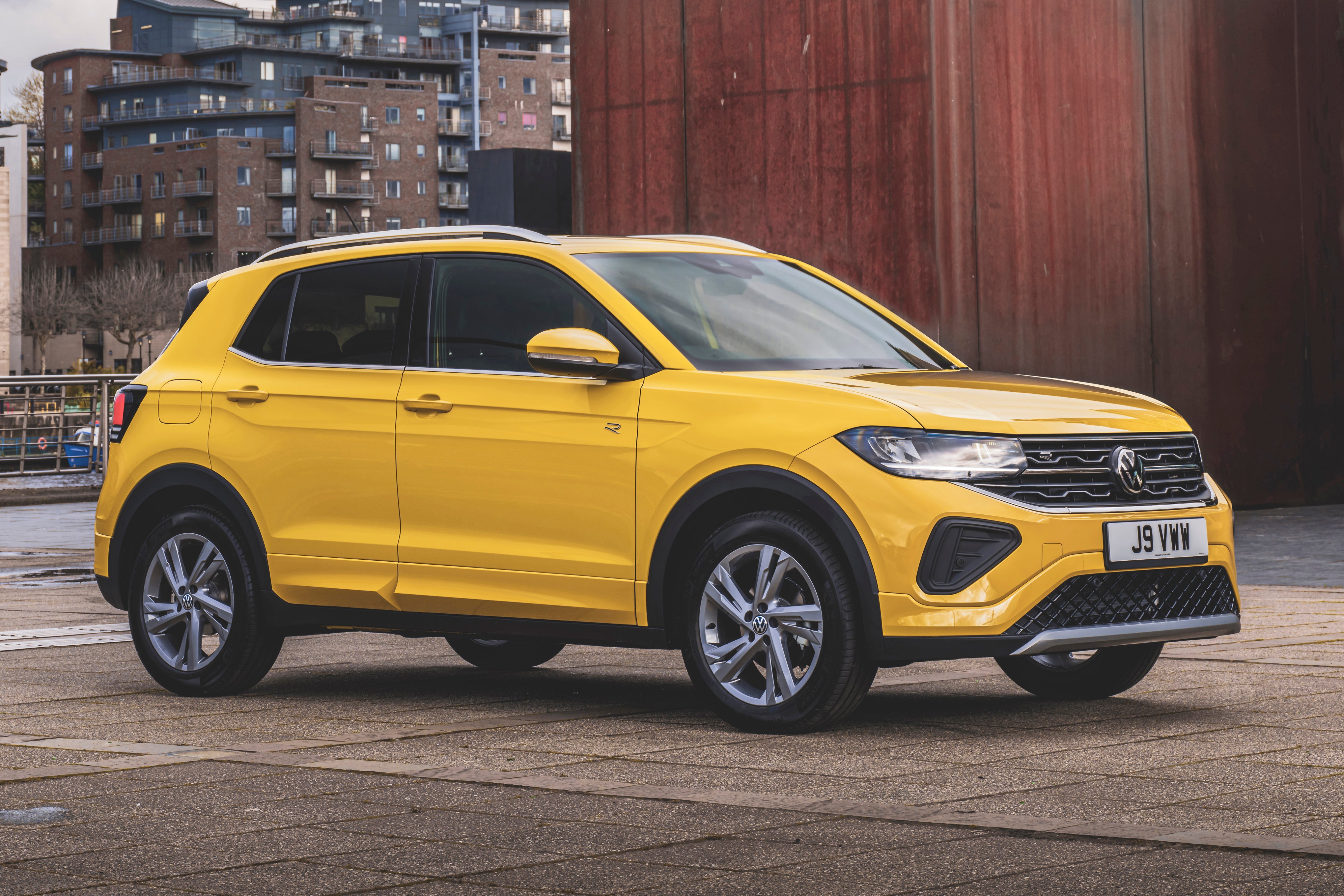
The definition of 'quietly competent', the Volkswagen T-Cross isn’t especially entertaining to drive but it rarely puts a foot wrong. Prices start around £26,000, but the versions to go for are in Match specification from the middle of the range – that’s where you get extra kit including a reversing camera, keyless locking and starting and dark-tinted rear windows to keep those sat in the back sun glare-free.
It’s only available with petrol engines, with the smaller 1.0 TSI 115PS option making the most sense: less thirsty, cheaper to run and perfectly adequate performance unless you’re constantly fully loaded with people and their luggage. Real-world economy tends to sit in the 44-46mpg range.
While the VW T-Cross isn’t the newest-feeling small SUV on the market, that plays in its favour: it has fewer gimmicks, fewer things to irritate you and a general sense that everything will still be working perfectly well in five years’ time. Volkswagen’s last generation infotainment system, which the T-Cross has, is still one of the best around. Its buttons and basic tile graphics are highly intuitive.
2. Toyota Yaris Cross
.jpg)
The Toyota Yaris Cross is an excellent all-rounder that's very easy to recommend. Easy to drive, comfortable and supremely reliable. Priced from £27,295 every version comes with Toyota's excellent self-charging hybrid system, which means fuel economy can comfortably top 60mpg if most of your driving is urban-centric.
It's also brilliantly easy to live with. The driving position is spot on, visibility is excellent and its turning circle is tiny, making it feel more like a small hatch than an SUV when you're squeezing into parking spaces. You can even have it with all-wheel drive, which is unusual for a car of this type, but not something we'd necessarily recommend the required £2400 extra on.
The Toyota's e-CVT gearbox is also easy to use, but it tends to make a whining sound when getting up to higher speeds – nothing's broken, that's just how those transmissions are. Rear-seat space is acceptable rather than outstanding and the driving experience in general is unexciting.
The Ford Puma is more interesting and the Citroen C3 Aircross is more comfortable, but the Toyota Yaris Cross wins when it comes to reliability and warranty.
3. Hyundai Kona
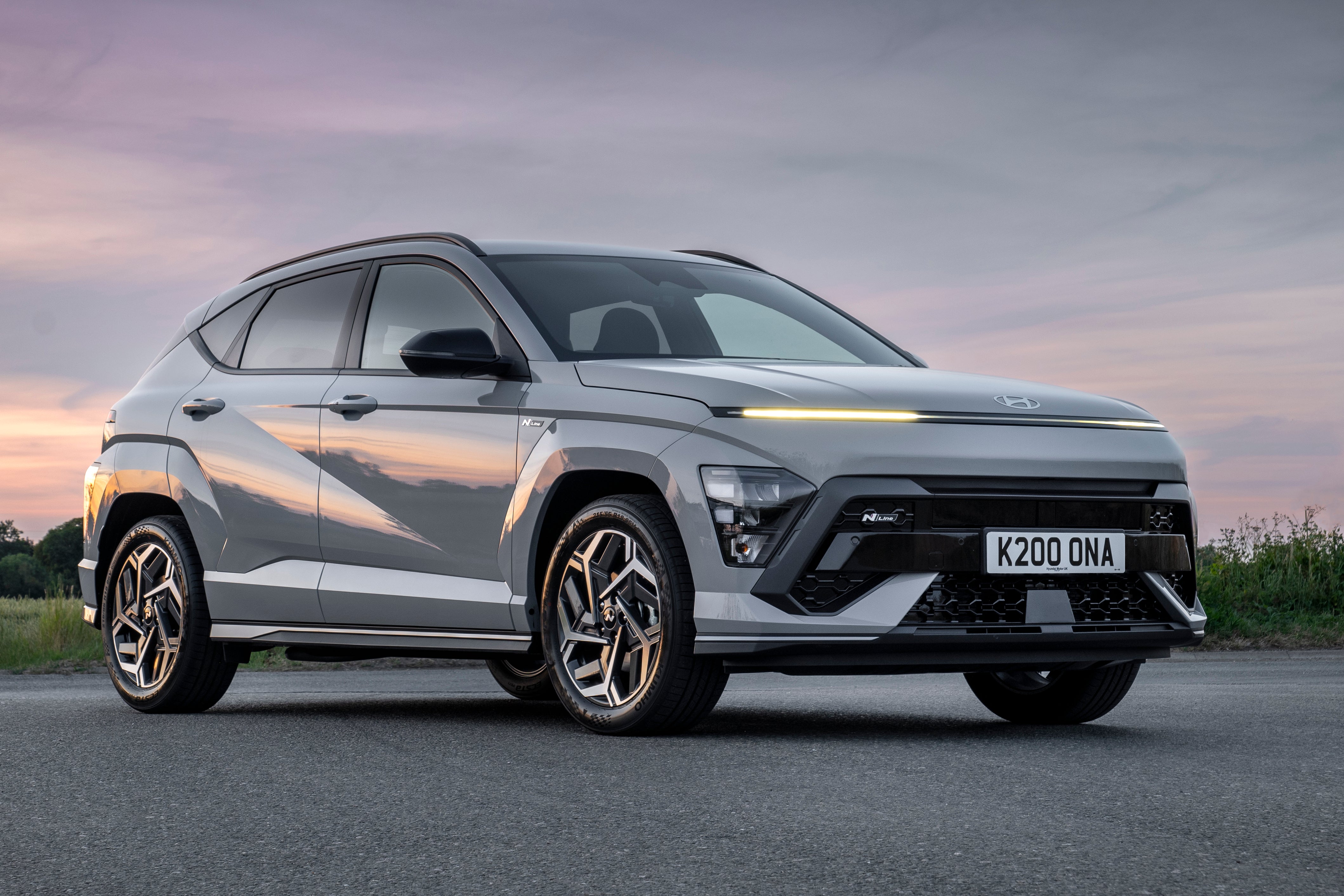
The Hyundai Kona is one of few small SUVs that's available with a choice of propulsion types – petrol, self-charging hybrid and the battery-powered Hyundai Kona Electric – giving buyers plenty of choice depending on their driving habits and circumstances. It's significantly bigger than its predecessor which means the latest Hyundai Kona has masses of rear space for a small(ish) SUV, and its boot is huge: 466 litres, compared to the 318 of the Volvo EX30, for example.
The twin 12.3-inch screens look impressive, but Hyundai has wisely kept physical controls for important functions such as the climate control. Revolutionary? No. But very sensible. On the road, it's more comfortable than sporty, riding well, cruising quietly and rarely does anything annoying. Some drivers may find it a little forgettable compared with the Alfa Romeo Junior, but that's also part of the Hyundai's appeal. If you want a small SUV with virtually no obvious weaknesses, the Kona is a very safe bet.
Being a Hyundai means it's also reliable. It helps that every version comes backed by the firm's standard five-year, unlimited-mileage warranty, giving you a level of long-term reassurance that many rivals can't match.
4. Ford Puma
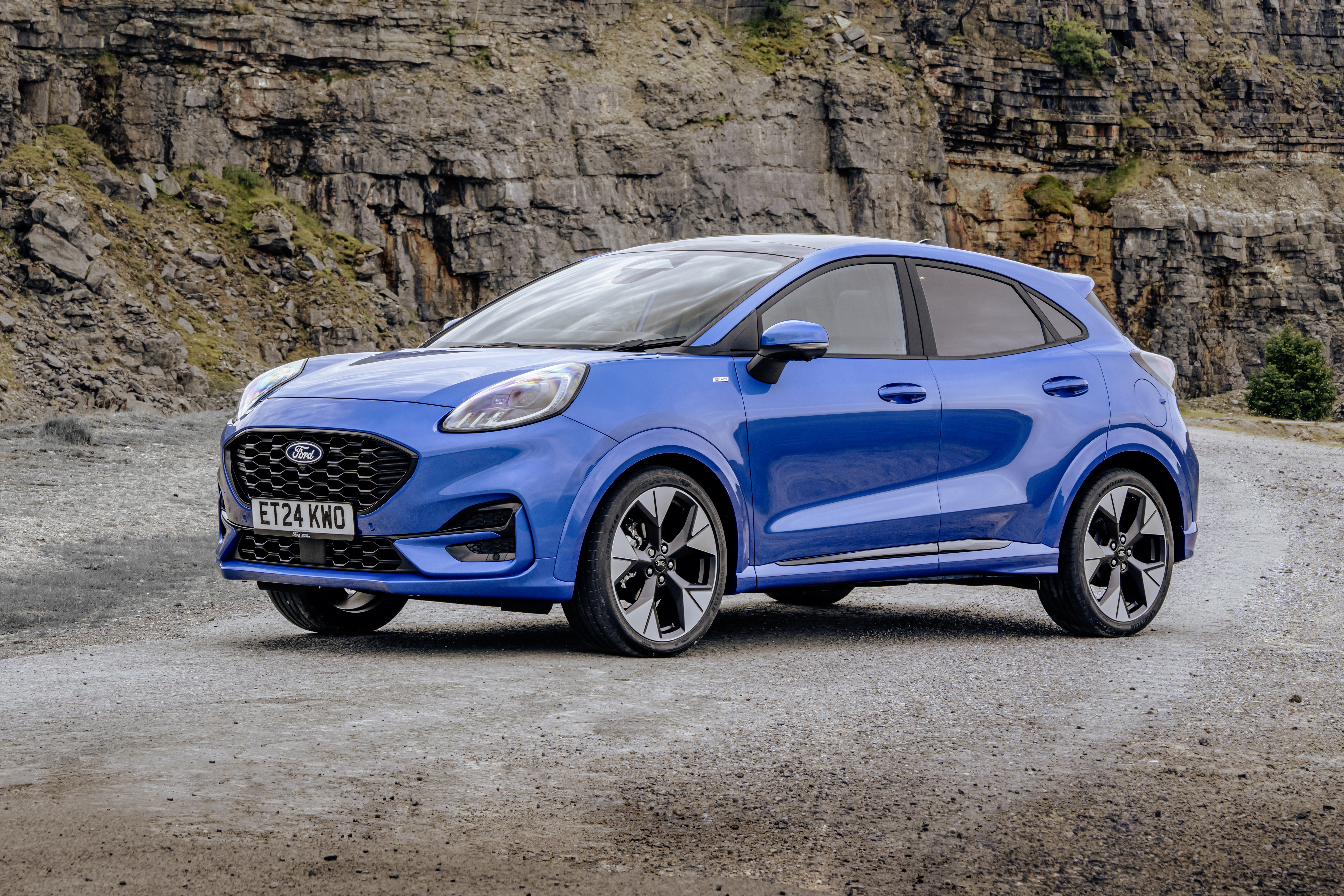
The Ford Puma is the answer to a question most small SUVs don't even attempt to answer: what if it could actually be fun to drive? It’s the unique balance of general comfort but genuine road feel and sharp steering that make the Puma so enjoyable to drive. Whether you're a passive buyer looking for A to B transport, or someone who likes to take your car to a B-road for fun, the Puma will work for you. That’s rare.
The cabin is starting to show its age, but It’s reasonably priced, starting from just over £27k and you’ll get a solid 40mpg-plus from most versions. Ford’s MegaBox storage compartment beneath the floor is a real highlight, too. It’s basically a box for wet stuff and includes a drain plug, so it’s perfect for muddy boots or anything else you don't particularly want rolling around the 376-litre boot above.
The Ford Puma Gen-E electric version loses something in the transition – it’s not as much fun and somehow feels more dated than other electric cars. But with a basis this good, it’s still worth considering if you want a small electric SUV.
5. CUPRA Formentor
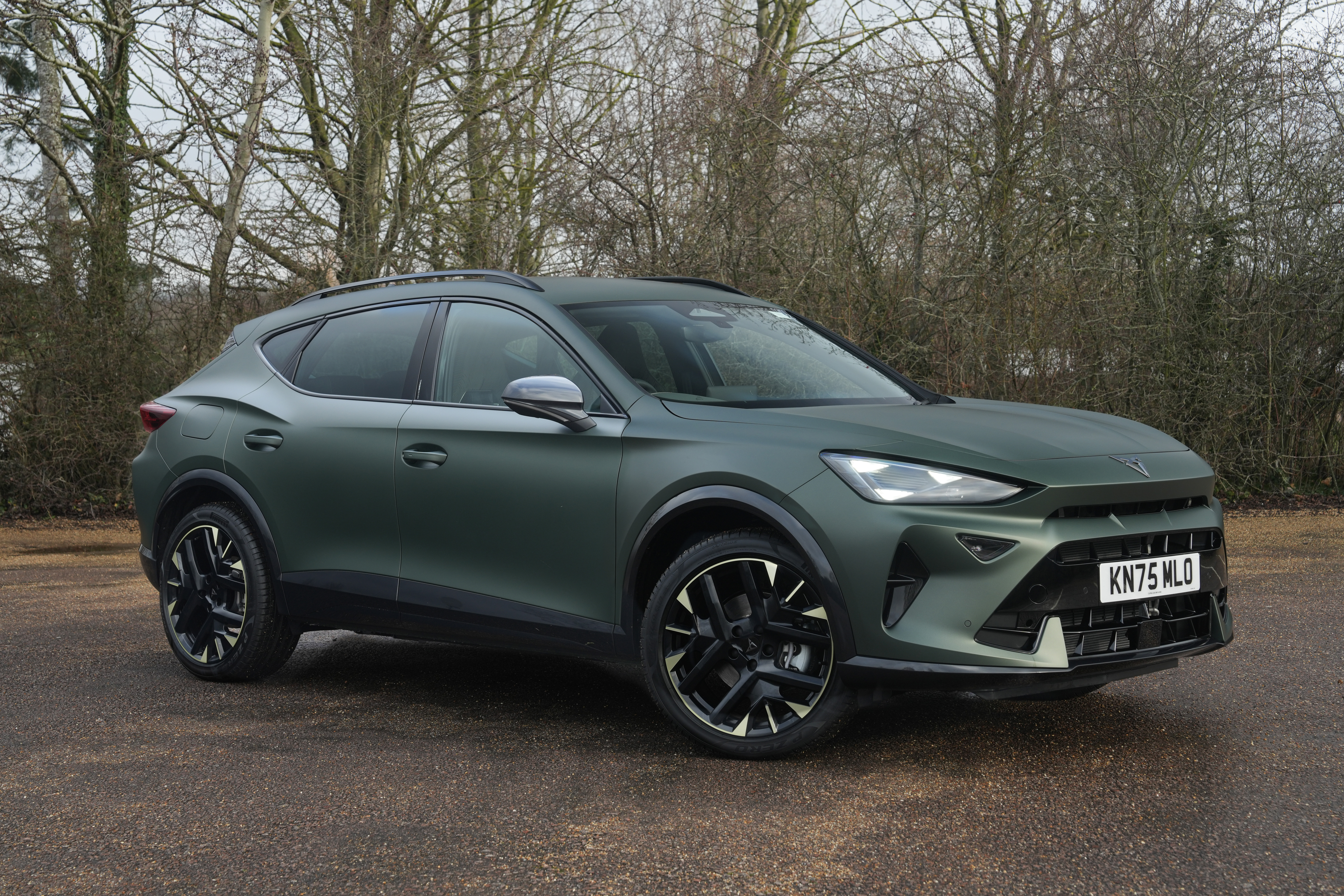
Even several years after launch, the CUPRA Formentor is still a head-turning small SUV. While prices now start a little higher at roughly £35,300 for the entry-level trim, it feels like a more premium-priced product than most of its rivals, offering plenty of passenger legroom and a decent 450-litre boot on non-PHEV models. Under the bodywork is the same tried-and-tested platform that underpins the VW Golf, meaning the fundamentals are incredibly solid.
There's a wide choice of engines, ranging from an affordable 1.5-litre 150PS up to a blisteringly quick 390PS four-wheel-drive performance model. However, the standout choice is the plug-in e-Hybrids. Thanks to a recent upgrade featuring a 19.7kWh battery, it delivers an electric-only range of up to 77 miles – more than enough to cover the weekly commute on battery power alone, while retaining 50kW DC rapid-charging capabilities to top up at motorway services in under 26 minutes.
Inside, the cabin features eye-catching copper detailing and sporty, supportive bucket seats. The main frustration lies with the CUPRA Formentor's upgraded 12.9-inch infotainment touchscreen. While the display itself looks crisp and the touch-sliders for the temperature are finally illuminated at night, too many basic functions remain buried deep within complex sub-menus, making them frustrating to adjust on the move.
6. Alfa Romeo Junior
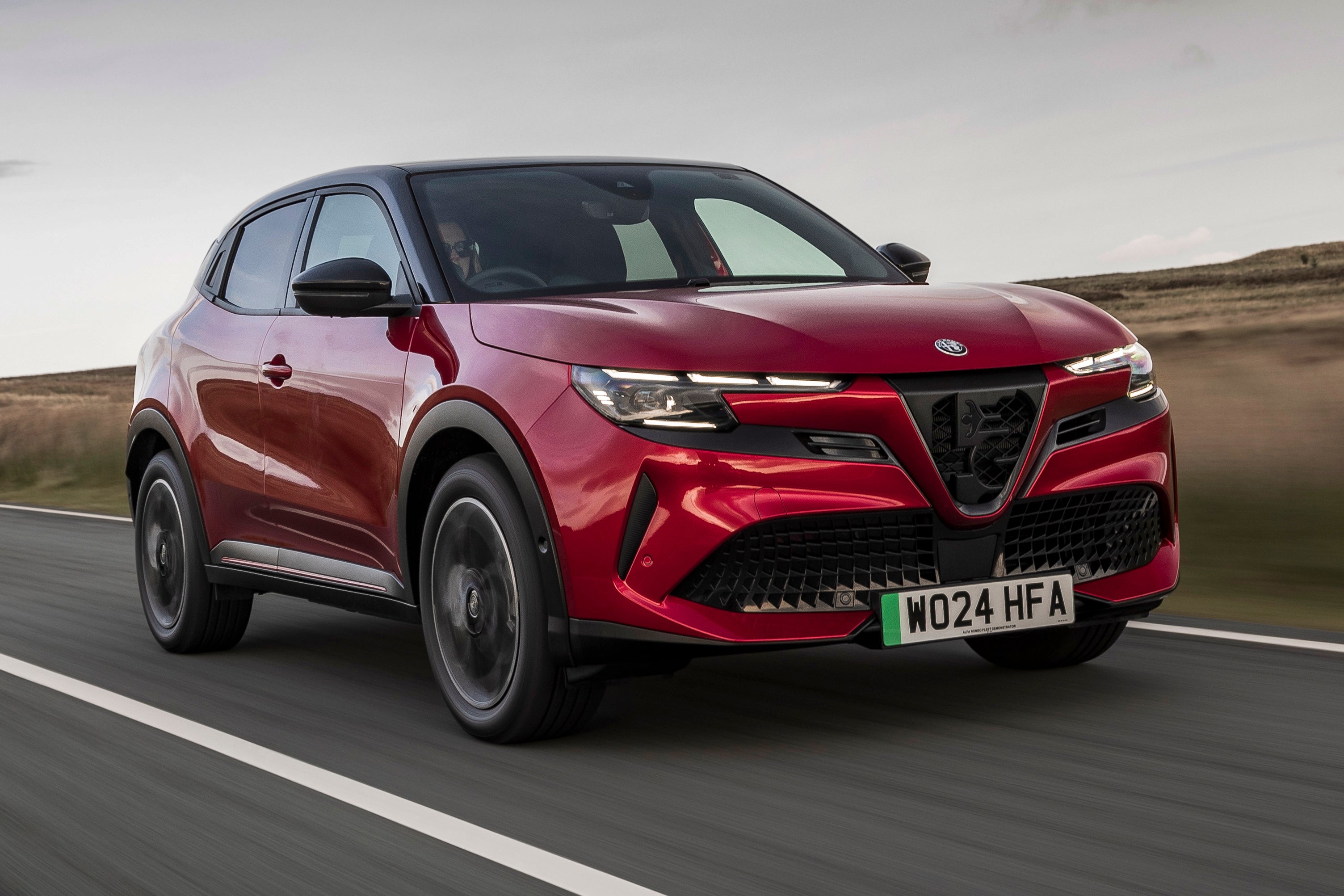
The Alfa Romeo Junior immediately stands out thanks to its striking, aggressively sculpted styling that looks suitably Italian. Inside and out, it does a masterful job of hiding the fact that it is built on the same Stellantis Group platform as the Fiat 600, Jeep Avenger and Vauxhall Mokka.
The major benefit of sharing that DNA is that buyers are spoiled for choice. The range kicks off with an affordable 145PS mildhybrid petrol Junior Ibrida models starting at just over £29,000, but the line-up stretches to include the range of fully electric Junior Elettrica versions. It's the flagship, 280PS Veloce variant that steals the show – engineered by the same team behind the Alfa Romeo Giulia Quadrifoglio, it features a uniquely tuned suspension, wider tracks and a limited-slip differential to make it a genuinely entertaining car to drive.
Step away from the driver-focused Veloce and the standard models are simply very good, conventional small SUVs. Rear-seat legroom is a bit tight for taller passengers, the 10.25-inch touchscreen infotainment can feel slightly clunky to navigate and a few scratchy cabin plastics on the dashboard don't quite match Alfa's premium pricing aspirations.
On paper, a more sensible rival such as the Škoda Kamiq or even the Alfa's Jeep cousin offers far better value for money. But as has been the case with almost every Alfa Romeo across the decades, if you fall in love with the look and character of the Junior, you will happily forgive a bit of everyday nonsense.
7. Citroen C3 Aircross
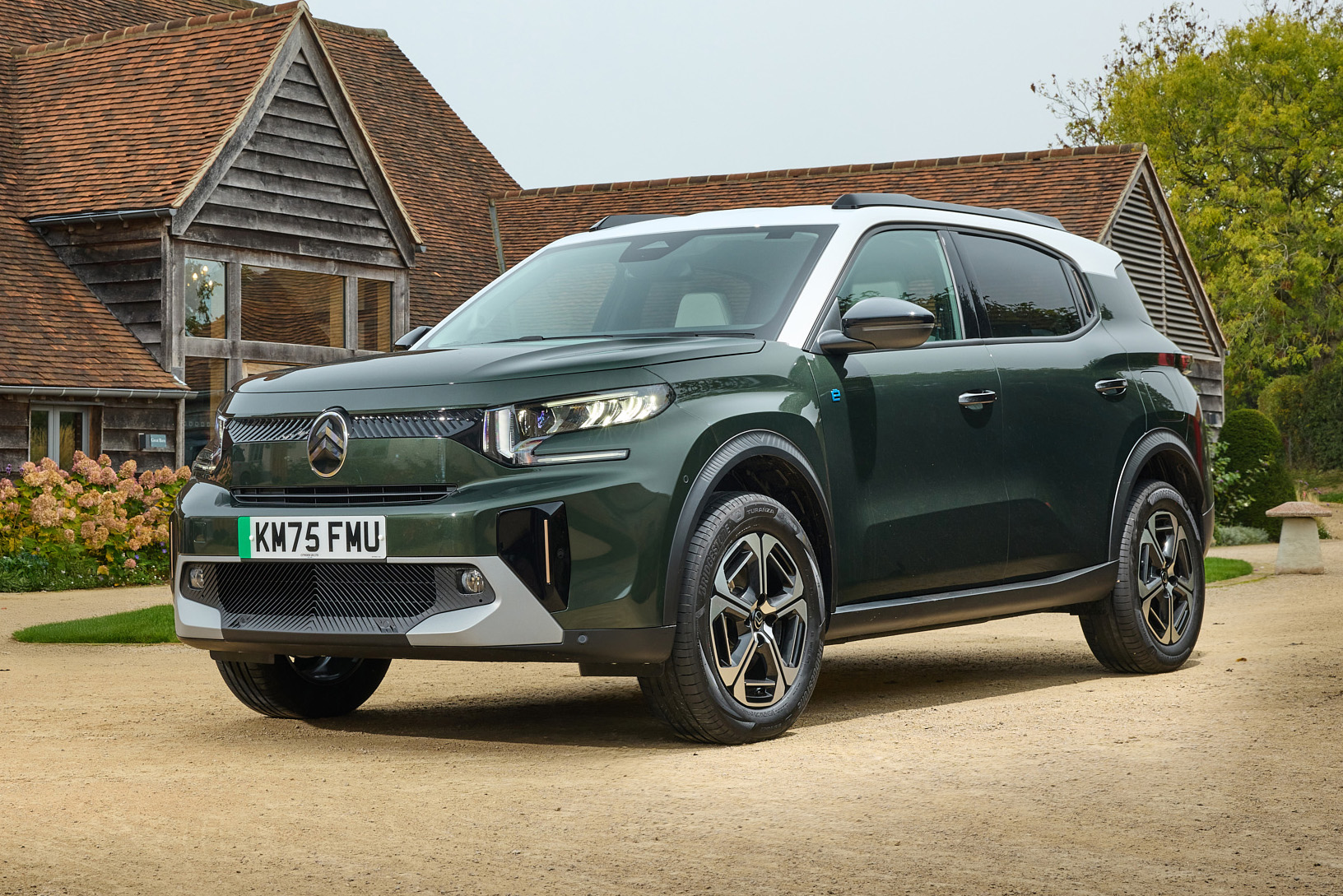
The Citroen C3 Aircross is about as practical as small SUVs get. It is essentially the opposite of the Alfa Romeo Junior, completely ditching any sporty pretensions to focus entirely on family-friendly space and outright comfort. Built with soft, absorbant suspension to deal with poor surfaces, it is light to steer, incredibly spacious and highly economical.
Starting from just under £22,000, it is one of the cheapest new small SUVs on the market, yet it is so cleverly packaged that there's a seven-seat version – a massive novelty among small SUVs. Even if you stick with the standard five-seat model, the boxy silhouette creates a huge 500-litre boot and has a usefully wide rear bench seat, meaning you can carry three passengers in the back without anyone feeling squashed.
The inevitable trade-off is that it is dull to drive and you don’t have to look very hard to see where the factory pinched pennies to keep the price down. The dashboard plasticky, but its more interesting to look at than the Citroen's Vauxhall Frontera twin thanks to different coloured mouldings and a slender digital instrument panel at the base of the windscreen, but it doesn't feel remotely upmarket.
You will quickly forgive that once you remember how little the Citroen C3 Aircross costs to run. There's also the fully electric e-C3 Aircross, which manages up to 249 miles of claimed driving range with the larger Extended Range battery for £24,315. The smaller Standard Range pack claims 190 miles of range costs £700 less.
8. Volvo EX30
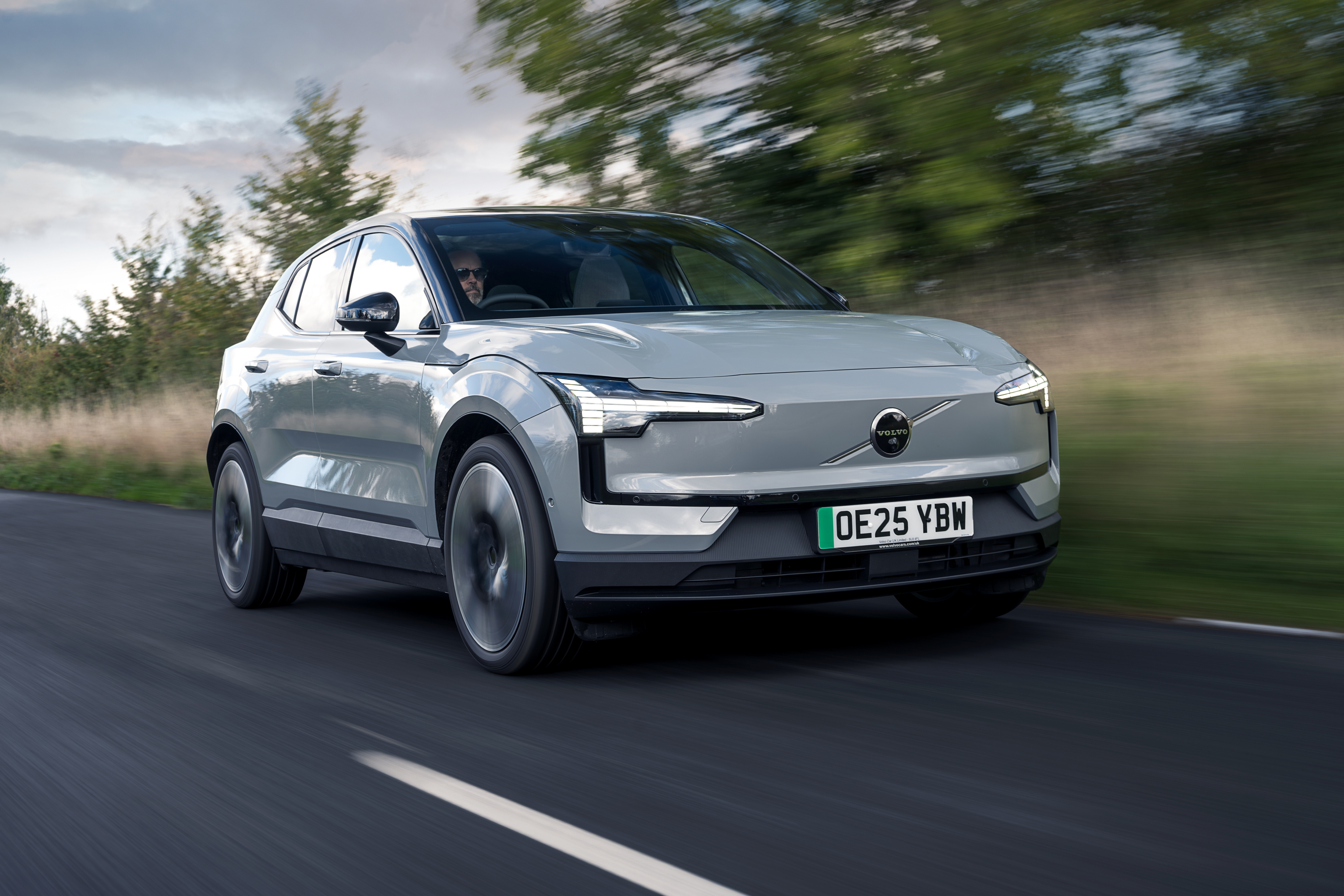
Despite being Volvo's smallest SUV, the Volvo EX30 is arguably its most ambitious – for better and for worse. The big headline is that at the start of the range it looks surprisingly cheap for an upmarket EV, while at the top end it becomes a blisteringly fast performance car. Prices kick off at just over £33,000 for the entry-level P5 version, which pairs a 51kWh battery with a healthy 272PS output.
However, opt for the flagship £46k EX30 P8 AWD variant and its dual electric motors unleash 428PS, getting you from 0-62mph in just 3.6 seconds. That's Ferrari quick. The cabin exudes a high-end, Scandinavian minimalist vibe with a clever use of textured, upcycled materials and muted denim or flax tones. The battery range is competitive, stretching from an official 209 miles for the cheaper models, up to 300 miles for P5 Long Range versions.
Our main criticism is that the Volvo EX30 is too minimalist inside, with everything shoved into the multimedia touchscreen, which is quite vexing to use anyway. This means simple functions, such as opening the glovebox or adjusting the air con, require dabs of the screen, often in buried menus. It’s distracting and especially disappointing from a company whose very essence is safety.
9. Škoda Kamiq
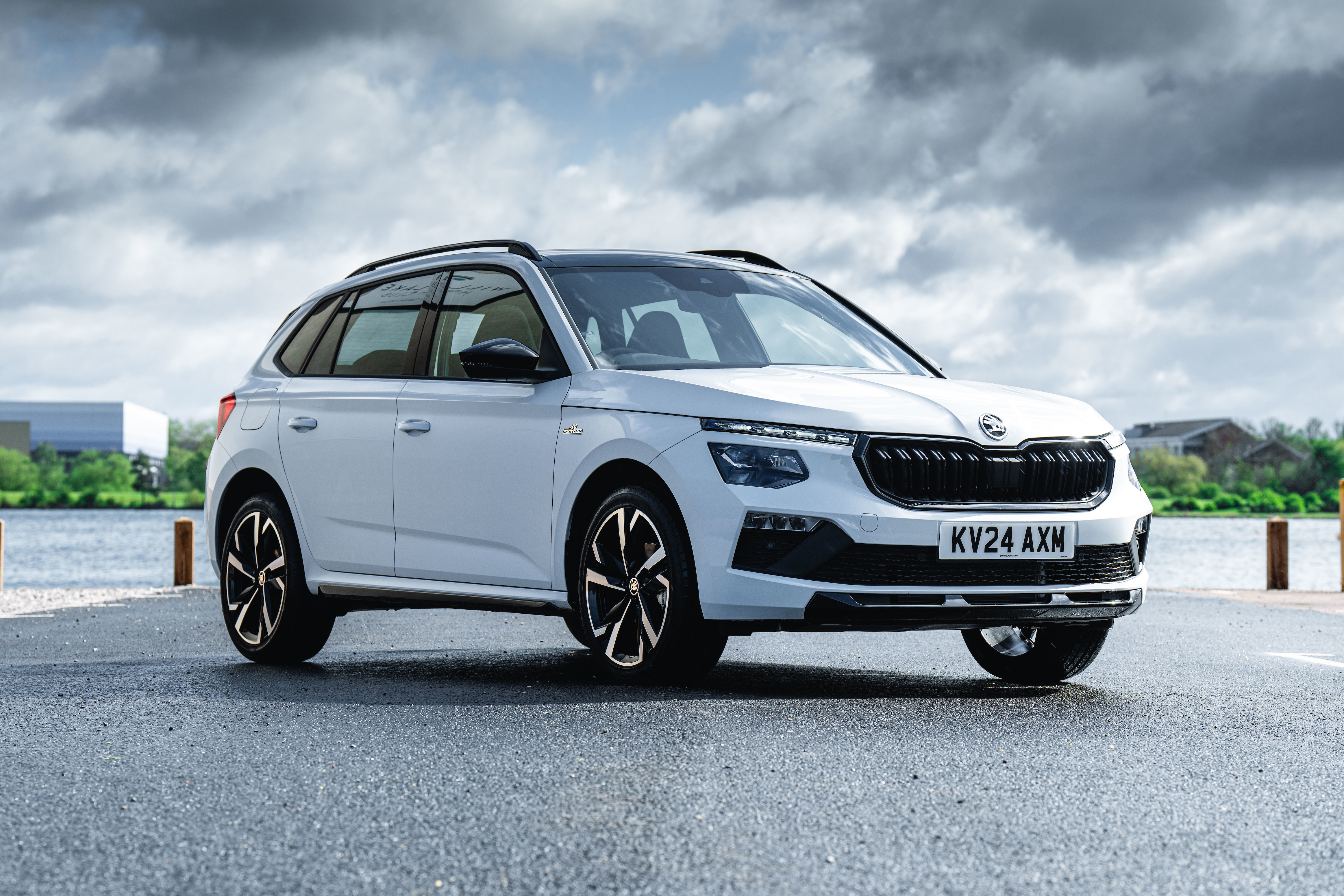
The easiest way to describe the Škoda Kamiq is as a better-value, more sensible alternative to the Volkswagen T-Cross. It is slightly larger, a bit more modern inside, and — somewhat surprisingly for the historically 'budget' brand — features a higher-quality interior finish. It's one of the few small SUVs that you could genuinely rely on as the main transport for a family of four. The boot is impressive, at 400 litres large, featuring a nice square shape, and touches like side pockets and bag hooks.
Just like with its Volkswagen sibling, the 1.0-litre TSI three-cylinder petrol engine is the one to go for. While its 116PS output means it doesn’t feel fast, it never feels strained either, and it will comfortably return mid-to-high 40s mpg in mixed driving. The ride is slightly softer than the T-Cross, which makes it better at dealing with broken UK roads. It really does feel like a big car in the refinement sense, if not dimensionally.
While the entry-level SE Edition comes decently equipped with a rear-view camera and dual-zone climate control, your money is best spent stepping up to the SE L Edition. This trim swaps the basic cloth seats for plush microsuede upholstery and adds large 18-inch alloy wheels, keyless entry, and heated front seats – extras that elevate the cabin and make the Kamiq feel like a premium car.
10. Dacia Duster
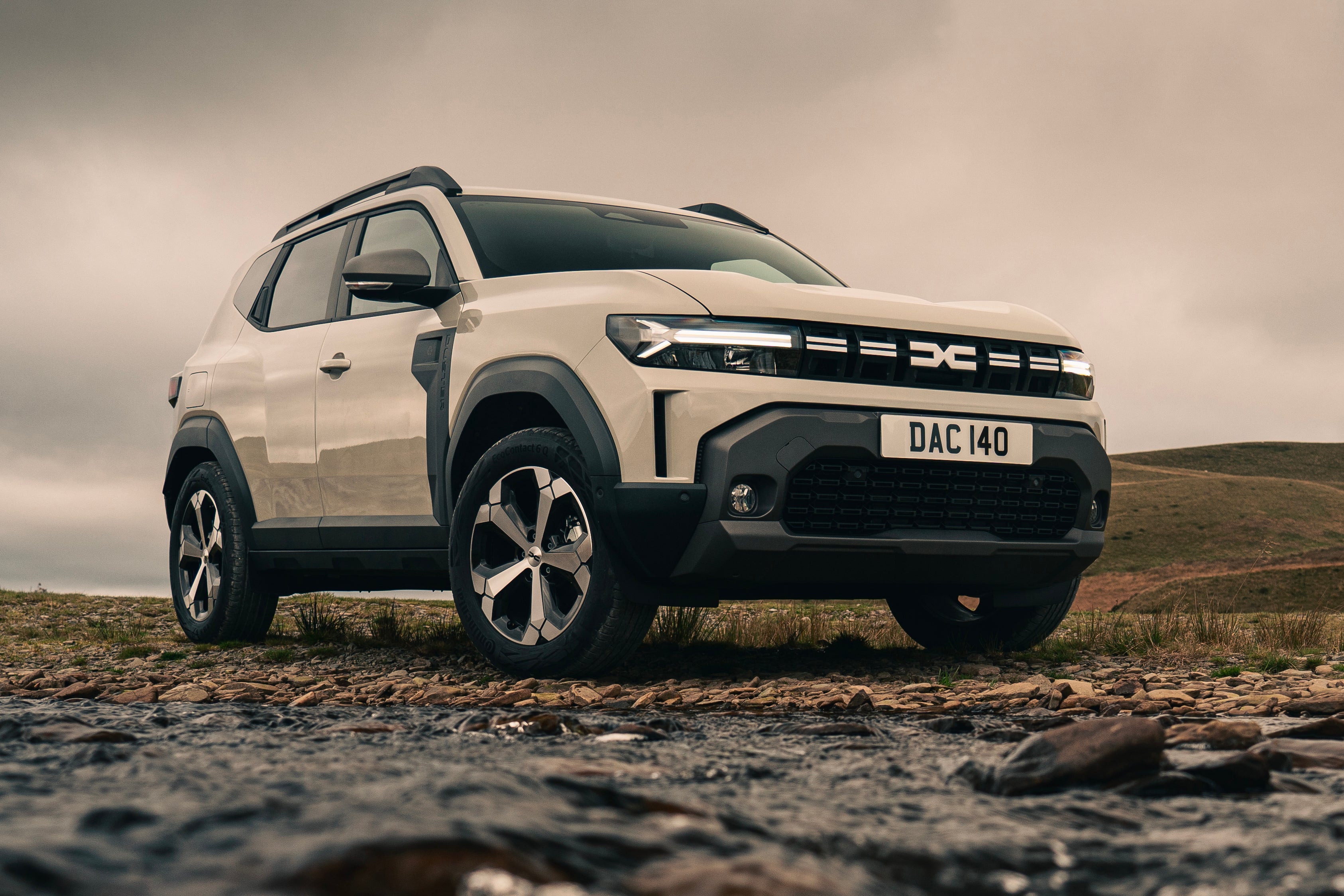
Your first thoughts may be that the Dacia Duster is a budget car in the same vein as the Dacia Sandero. If that's the case then the Duster’s entry-point of just under £22,000 starts to look less budget. Especially as lots of other small SUVs are now close to that.
But the latest Dacia Duster still offers brilliant value and it no longer feels downmarket. Not only is the quality impressive it has equipment levels that would've been unimaginable on older models. Mild and self-charging Hybrid power is now solely available, helping to keep fuel bills sensible – you’ll push past 50-mpg in the Hybrid 155 if you drive carefully. And proper ground clearance means it's more capable off-road than most SUVs.
There are clever touches all around the Dacia Duster, such as the modular roof bars can be repositioned without needing expensive accessories and many of the interior materials are designed to be hardwearing and easy to clean. Exactly the sort of thing owners appreciate after a muddy weekend. Motorway refinement isn't great, though and that the priciest versions are nudging £26k doesn't feel as appealing.
'Best' really depends on whether you value fun, efficiency or ease of living more than badge appeal. There isn’t a single winner, but the Ford Puma is arguably the best all-rounder if you still enjoy driving, the Volvo EX30 is the coolest (and quickest), while the Citroen C3 Aircross the most flexible and comfy. Closely followed by the Skoda Kamiq, which feels more upmarket inside than the Citroen.
In many cases, yes. Especially around town. Cars including the Volvo EX30 and Citroen e-C3 Aircross are smoother, cheaper to run and quicker off the line. But petrol and hybrid models such as the Toyota Yaris Cross still make sense if you do long motorway trips or don’t want to rely on charging. EVs win on refinement, hybrids win on convenience.
That rather depends on what you define as an SUV (Sports Utility Vehicle). The Toyota Aygo X is a city car with plenty of SUV design cues and raised seating positions, but whether or not it's really an SUVs is a matter of opinion.
No longer available new, both the Suzuki Jimny and Fiat Panda Cross are less Sport and more Utility Vehicles, but they certainly fit the bill as tiny off-roaders.
The Ford Puma feels more like a hot hatch than a traditional SUV, with sharp steering and good body control. The Alfa Romeo Junior is excellent too but there’s a big difference between the top Veloce model, which has extra parts and engineering and cheaper models in the range. The Cupra Formentor is also fun to drive, but the Puma is the one that genuinely makes every day driving feel engaging rather than just functional.
The Dacia Duster is still the standout value pick, starting around £22,000. It isn’t fancy, but it feels solid and does the basics extremely well. The Citroen C3 Aircross is also good value, especially in entry-level trim levels. Cheap doesn’t mean bad, it just means less tech, fewer soft-touch materials and more focus on real-world usability.
If you can charge at home and mostly drive locally, a full EV such as the Volvo EX30 makes a lot of sense. If your driving is mixed or unpredictable, hybrids including the the Toyota Yaris Cross or Hyundai Kona Hybrid, give you flexibility without range anxiety. It’s true that home charging is still a barrier to a lot of people – those in apartments, for example – but range anxiety is much overstated now. Most people can easily live with a regularly charged EV as their day to day car.