Honda CR-V Review

Written By Richard Aucock
- 2023
- SUV
- Hybrid, plug-in hybrid
What we love
Good fuel economy as standard
Spacious interior and strong boot capacity
Long list of standard equipment
Things to consider
List prices look expensive
No seven-seat option
Neither powertrain feels especially quick
The DRIVE take on the Honda Cr V, is it the right car for you?
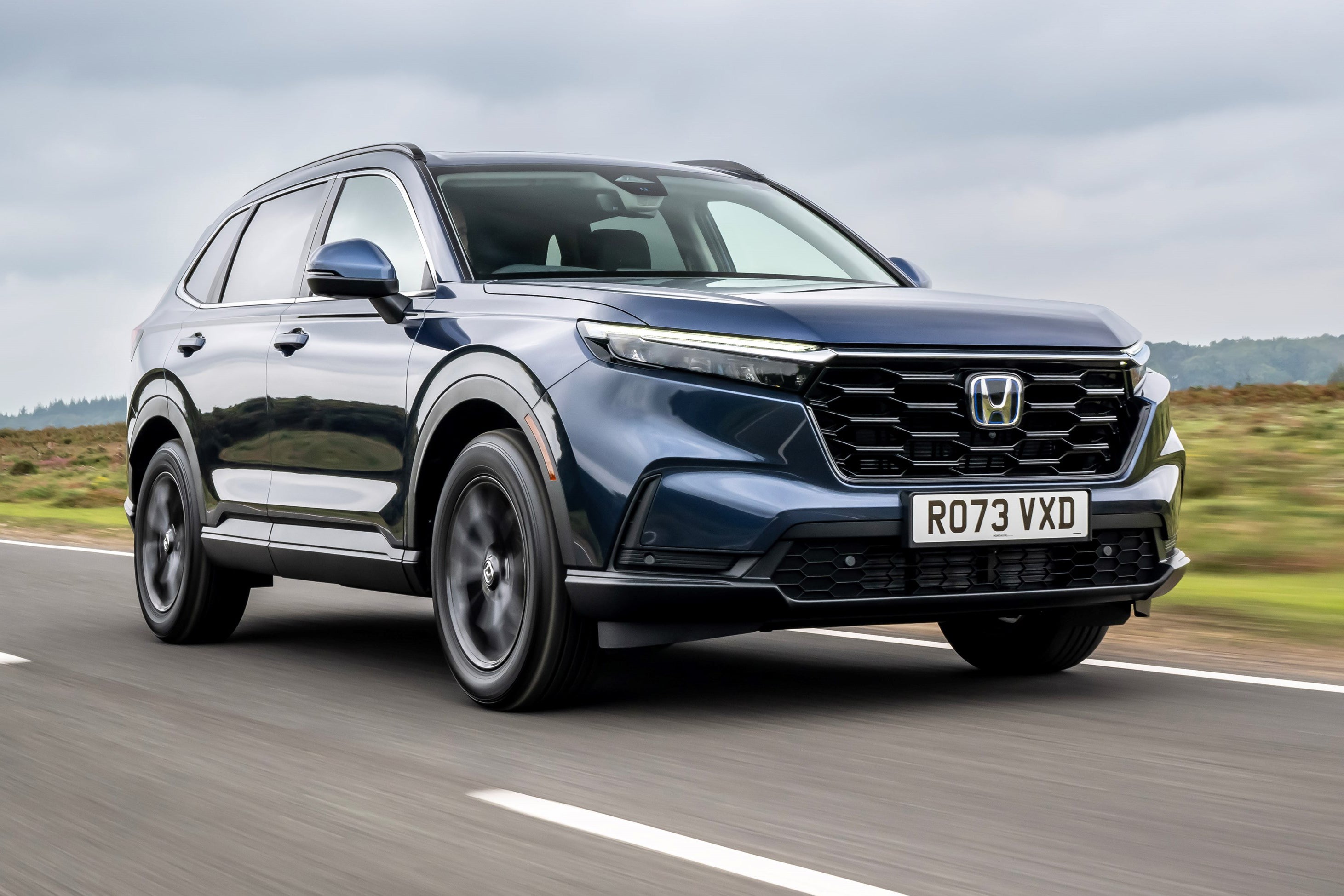
The Honda CR-V is a very rounded large family SUV. It is spacious, comfortable, efficient and thoughtfully designed, with enough standard equipment to make even the entry-level car feel properly generous.
The sticking point is the price. The CR-V sits in a part of the market where buyers expect a premium badge or a third row of seats, and it offers neither. But if you want a five-seat SUV that majors on ease of use, refinement and low-stress ownership, the Honda makes a strong case for itself.
The Honda Cr V in more detail
The CR-V has been a core Honda model for decades, and the current car sticks closely to the formula that made its predecessors so successful. It is not trying to reinvent the family SUV. Instead, Honda has focused on making it bigger, more refined and more efficient, while borrowing heavily from the latest Civic in areas such as cabin design and hybrid technology.
That is no bad thing. The current Civic is one of the most polished mainstream cars on sale, and the CR-V benefits from that same sense of clarity and cohesion. The interior is modern without being over-styled, the controls are easy to understand and the electrified powertrains suit the car’s easy-going character well.
Browse used Honda CR-Vs for sale →
The current UK range is very simple. Buyers can choose the full-hybrid e:HEV in Elegance or Advance trim, or the plug-in hybrid e:PHEV in range-topping Advance Tech form. All versions use a 2.0-litre petrol engine with electric assistance, but the plug-in hybrid gets a much larger battery and a useful electric-only range of up to 50 miles.
What the Honda CR-V does especially well is make family life easy. It is roomy in both rows, the boot is big, visibility is strong and Honda has not sacrificed usability for fashion. It is not a seven-seater, which will rule it out for some, but as a large five-seat SUV it is very well judged.
The main challenge is that it is expensive. Even the entry-level hybrid costs more than many close rivals, and once you start looking at the plug-in hybrid the CR-V moves firmly into premium-price territory. That means it has to be judged on more than simple value, and thankfully there is enough substance here to make the argument.
What's the best Honda Cr V trim and engine option?
For most buyers, the best choice is the full-hybrid e:HEV in Elegance trim. It already comes with leather upholstery, a panoramic roof, heated seats, power adjustment, front and rear parking sensors, a rear-view camera and the full Honda SENSING 360 safety suite, so there is little sense that you are settling for a stripped-out base model.
The plug-in hybrid e:PHEV makes most sense if you can charge at home and regularly do shorter trips that let you exploit its electric-only range. It is also the version to go for if you want the most comfort-focused drive, because it gets adaptive dampers and feels especially well suited to quiet, easy-going use.
Advance and Advance Tech add some worthwhile luxuries, but the CR-V’s strongest case is made lower down the range, where the generous equipment count helps soften the blow of the high list price.
What’s the price of the Honda Cr V?
The current Honda CR-V range starts at £48,075 for the e:HEV Elegance. The e:HEV Advance is £52,335, while the e:PHEV Advance Tech starts at £57,335. There are also plenty of used Honda CR-Vs for sale for considerably less.
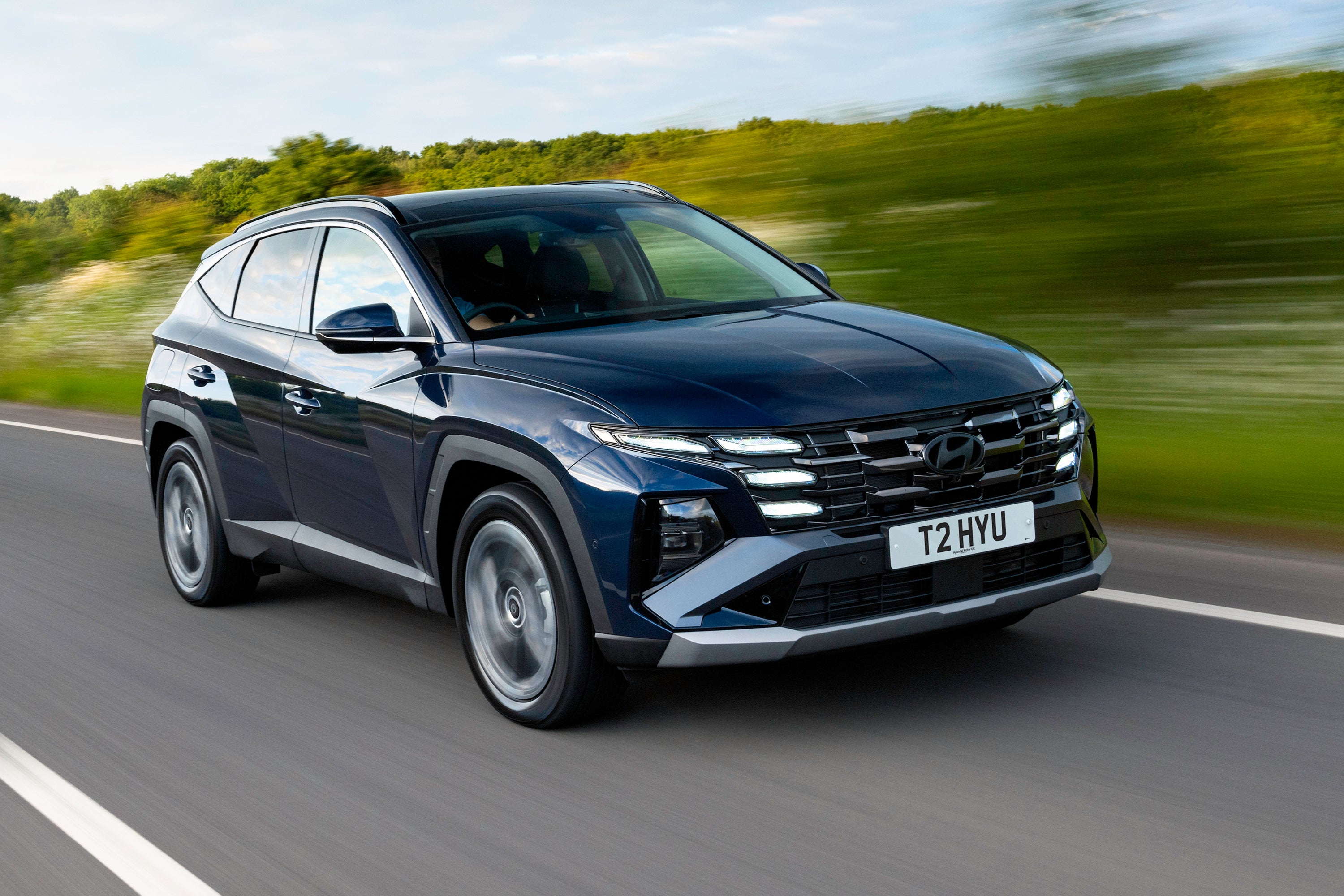
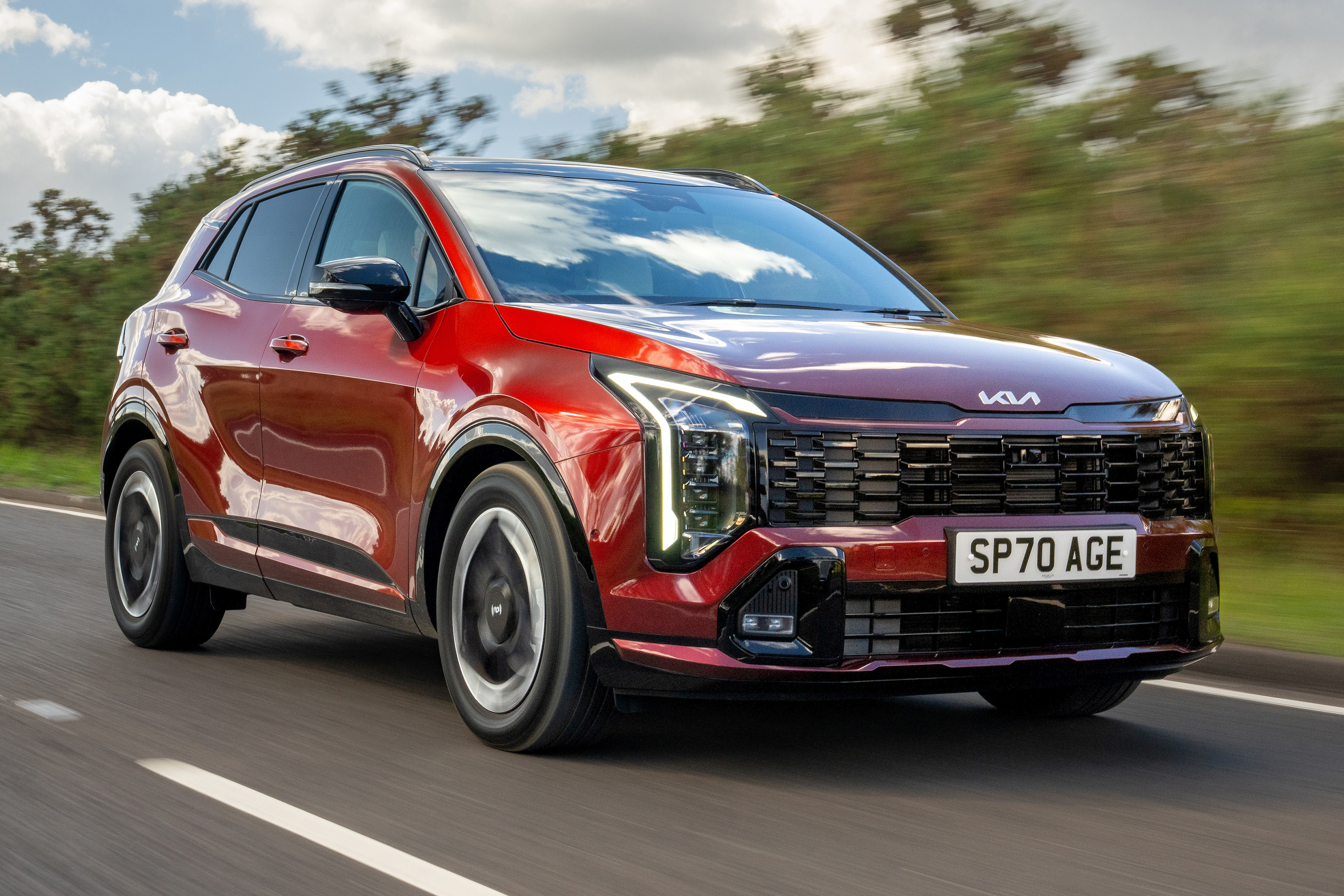
That makes the CR-V expensive against many obvious rivals. A Kia Sportage, Hyundai Tucson or Skoda Kodiaq all look more affordable from the off, and even some more premium alternatives are not impossibly far away once you reach plug-in hybrid money.
Honda’s defence is that the standard equipment list is strong and the CR-V feels unusually polished overall. It is not poor value in isolation, but the high starting price means it has to work harder than most to justify itself.
Alternatives to the Honda Cr V
The Toyota RAV4 is one of the clearest rivals because it offers a similar blend of family-SUV practicality and hybrid efficiency. It is not as plush-feeling inside as the Honda, but it has a strong reputation and a more familiar foothold in this part of the market.
The Hyundai Tucson and Kia Sportage are the mainstream alternatives if you want plenty of equipment for less money, while the Mazda CX-60 is worth a look if you like the CR-V’s pricing position but want something that feels more overtly premium. The Audi Q5 is another rival for those open to paying more for badge appeal and a richer cabin.
If you want a seven-seat SUV, though, the CR-V is not the answer. In that case, look at a Hyundai Santa Fe, Kia Sorento or Skoda Kodiaq instead.
What's the interior like in the Honda Cr V?
The CR-V’s interior is a strong point. It is cleanly designed, feels robust and sensibly uses physical controls rather than burying everything in touchscreen menus. In a family SUV, that matters.
Honda Cr V boot space and practicality
Space is one of the CR-V’s biggest strengths. The front seats offer loads of room and a commanding view out, with plenty of electric adjustment as standard. Even though the seats can feel firm at first, they are supportive over longer journeys.
Rear-seat space is generous too. The CR-V is wide enough to take three across the back if necessary, and legroom and headroom are more than sufficient for adults. The rear bench also reclines, which is a useful comfort feature on longer journeys.
Boot space is very competitive. The e:HEV offers 596 litres with the rear seats in place and up to 1,651 litres with them folded, while the e:PHEV actually improves on that with 635 litres and up to 1,728 litres. That makes the plug-in hybrid the more versatile luggage carrier, which is not always the case with electrified SUVs.
The only real practicality omission is the lack of a third row. The CR-V is a large SUV, and some buyers will understandably expect seven seats at this size and price. Honda has resisted that route, so you need to view it as a roomy five-seater rather than a people carrier in disguise.
Honda Cr V dimensions
The Honda CR-V measures 4,706mm long, 1,866mm wide & 1,673mm high. That places it at the larger end of the family-SUV class and helps explain the generous cabin and boot space.
It is still easy enough to place on the road, though, and the high seating position helps make it feel less cumbersome than the numbers suggest.
Tech and infotainment in the Honda Cr V
The CR-V uses Honda’s 9.0-inch Honda CONNECT infotainment system, which may not dazzle with graphics in the way some rivals do, but it is clear, quick enough and very easy to understand. Honda has wisely kept physical shortcut buttons and a proper volume knob, which makes it much easier to use on the move.
A digital instrument display is standard across the range, along with satellite navigation, Apple CarPlay, Android Auto and wireless charging. The Advance and Advance Tech upgrades add the 12-speaker Bose audio system, which is worth having if sound quality matters to you.
Overall, the CR-V’s tech feels well judged rather than flashy. It gives you the features most buyers actually want without turning everyday use into a lesson in menu-hunting.
Materials available on the Honda Cr V
The CR-V feels sturdy and well made inside, with enough soft-touch materials and solid switchgear to create a convincingly upmarket atmosphere. It does not quite feel luxurious in the premium-badge sense, but it is certainly a cut above many mainstream rivals.
Leather upholstery is standard across the range, which immediately helps the CR-V feel more expensive than some similarly priced alternatives. There is still a fair bit of gloss black trim and a few harder plastics lower down, but overall it feels durable and thoughtfully put together.
So while the CR-V may not wow you with styling flair, it does a good job of feeling expensive in the areas that matter most.
What's the Honda Cr V like to drive?
The CR-V is not trying to be sporty, and that is no criticism. Its strength is that it covers ground in a calm, competent and undemanding way, which is exactly what many buyers want from a big family SUV.
Honda Cr V range and performance
Both current CR-V powertrains use Honda’s 2.0-litre petrol-electric setup. The regular e:HEV produces a total of 184PS and sends power to all four wheels, with 0-62mph taking 9.4 seconds.
The e:PHEV plug-in hybrid also produces 184PS overall, but uses a larger 17.7kWh battery and front-wheel drive. It matches the hybrid for 0-62mph at 9.4 seconds, but can also cover up to 50 miles on electric power alone.
Neither version feels especially fast in the absolute sense, but both deliver enough low-speed shove from their electric motors to feel usefully responsive in everyday driving.
Performance data
| Model | Engine/battery size | Power | 0-62mph | Range/MPG |
|---|---|---|---|---|
CR-V e:HEV | 2.0-litre | 184PS | 9.4 seconds | Up to 42.8mpg |
CR-V e:PHEV | 2.0-litre | 184PS | 9.4 seconds | Up to 50 miles EV range |
Honda Cr V driving and refinement
The CR-V feels easy and confidence-inspiring on the road. The steering is direct enough, body control is tidy and it feels more agile than some rivals, even if there is still a bit of lean if you push into a corner.
At lower speeds, the ride can feel slightly firm, but once you are up to speed the CR-V settles into a more relaxed rhythm and does a good job of smoothing out broken surfaces. The e:PHEV’s adaptive dampers help here, giving it a slightly more rounded feel than the standard hybrid.
Refinement is another strong point. Around town, the CR-V can move quietly on electric power alone, and even when the petrol engine cuts in it avoids the strained, droning feel that some hybrid rivals suffer from. Wind and road noise are also well contained, which makes the CR-V a relaxed motorway companion.
How safe is the Honda Cr V?
The Honda CR-V has a five-star Euro NCAP safety rating in UK-spec form, thanks in part to the standard-fit Honda SENSING 360 suite. The same car without that package scored lower elsewhere, but UK cars get the more comprehensive setup as standard.
That means every CR-V gets a very broad spread of safety tech, including collision mitigation braking, lane-change collision mitigation, active lane-change assist, lane-keeping assist and adaptive cruise control. It is one of the CR-V’s stronger selling points, especially for family buyers.
Running costs: What it's like to live with a Honda Cr V
Running costs should be reasonable rather than remarkable. The CR-V is efficient for its size, the hybrid system is well proven and Honda’s reliability reputation remains strong, but the high list price still looms large in the overall ownership picture.
Honda Cr V fuel economy
The e:HEV hybrid officially returns up to 42.8mpg, and that is a figure you should be able to get reasonably close to in the real world. In urban or stop-start driving, the hybrid system plays particularly well to its strengths.
The e:PHEV can cover up to 50 miles on electric power alone and can look extremely efficient on paper, but as ever with a plug-in hybrid, that depends heavily on charging discipline. If you use it properly and keep it topped up, it should be very cost-effective. If you do not, the advantage over the regular hybrid shrinks quickly.
Honda Cr V warranty and servicing
Honda covers the CR-V with a three-year or 90,000-mile warranty, although Honda frequently promotes extended-warranty offers that stretch this further. The hybrid system itself is covered for five years or 90,000 miles.
Honda’s reliability reputation is one of the CR-V’s biggest ownership strengths. The brand continues to perform very well in owner surveys, and previous CR-Vs have a strong track record, which should reassure buyers looking for a dependable long-term family SUV.
Honda Cr V insurance groups
The e:HEV sits in insurance group 34, while the e:PHEV is group 37. That is not especially cheap, but it is in line with what you would expect for a high-value, high-spec family SUV with electrified power.
So while the CR-V should not be ruinous to insure, it is also not a budget choice in this area.
How much does it cost to tax a Honda Cr V?
After year one, the Honda CR-V pays the standard annual VED rate, currently £200.
Because every current CR-V sits above the £40,000 Expensive Car Supplement threshold for petrol, diesel and hybrid cars, all versions also attract the additional annual charge from years two to six. At current rates, that adds £440 a year, taking the total annual bill to £640 during that period.
What trims are available with the Honda Cr V?
The current Honda CR-V line-up consists of e:HEV Elegance, e:HEV Advance and e:PHEV Advance Tech.
Elegance already comes with 18-inch alloy wheels, LED lights, privacy glass, a panoramic sunroof, a power tailgate, front and rear parking sensors, a rear-view camera, black leather trim, heated front seats, keyless entry and the Honda SENSING 360 safety suite. It is a generous entry point and the version we would start with.
Advance builds on that with adaptive driving beam headlights, a multi-view parking camera, heated outer rear seats, the Bose audio system, a heated steering wheel and driver’s-seat memory. Those extras make it a more plush-feeling version of the same basic car.
The plug-in hybrid e:PHEV is sold only in Advance Tech form. It adds trim-specific styling details, the Bose system, Parking Pilot and a few further convenience touches, but the powertrain itself remains the main attraction here.
Ask the Drive experts: common questions
How much does the Honda CR-V cost?
Is the Honda CR-V available as a seven-seater?
Is the Honda CR-V practical?
What is the best Honda CR-V version?
Get our latest advice, news and offers
Keep me updated by email with the latest advice, news and offers from Drive.
.jpg)