Vauxhall Crossland (2017-2024) Review

Written By Andy Brady
- 2017
- Small SUV
- Petrol, diesel
What we love
Good value for money – especially on the used market
Generous amount of space
All models come with Apple CarPlay and Android Auto
Things to consider
Anonymous styling
Out of its depth on the motorway (especially the 83PS petrol engine)
Feels pretty mediocre in a very competitive sector
The DRIVE take on the Vauxhall Crossland, is it the right car for you?
The Vauxhall Crossland is a sensible used small SUV for buyers who want plenty of interior space, a raised driving position and straightforward technology at an affordable price.
It is compact enough for town, yet the rear seats can accommodate adults and the 410-litre boot is larger than those in many small hatchbacks. Versions fitted with the sliding rear bench provide even greater flexibility by allowing owners to trade passenger space for luggage capacity.
The Crossland is less convincing on the road, where its bouncy ride, light steering and noticeable motorway noise leave it behind a Ford Puma, Skoda Kamiq or SEAT Arona. Choose the 110PS turbo petrol in a well-equipped trim, however, and it remains a practical used buy.
The Vauxhall Crossland in more detail
The Vauxhall Crossland arrived in 2017 as the Crossland X, sitting alongside the Mokka X and beneath the larger Grandland X in Vauxhall’s SUV range.
It was developed during Vauxhall’s transition into the PSA Group and shares much of its underlying engineering with models including the Citroen C3 Aircross and first-generation Peugeot 2008.
Unlike the Mokka X, the Crossland was designed primarily for urban and family use rather than suggesting any meaningful off-road ability. Every version is front-wheel drive, and its priorities are interior space, a high seating position and affordable running costs.
Vauxhall revised the car in 2021, dropping the X from its name and introducing the brand’s Vizor front end. The facelift brought a gloss-black panel between the headlights, standard LED lighting and revised bumpers, giving the previously anonymous Crossland a more modern appearance.
The suspension and steering were also retuned, although the changes did not transform the way the car drove. Later versions remain easy to manoeuvre but still feel less settled and precise than the best small SUVs.
The interior changed less dramatically. The Crossland retained analogue instruments, physical heating controls and either a seven or eight-inch touchscreen, making it simple to operate even if it looked dated beside newer rivals.
Petrol engines dominated the range. All used a 1.2-litre three-cylinder unit, offered without a turbo in 81PS or 83PS form and with turbocharging in 110PS or 130PS versions.
Early diesel buyers could choose a 1.6-litre engine, which was later replaced by a 1.5-litre Turbo D. Diesel production ended before the Crossland was discontinued, leaving only the 110PS and 130PS turbo petrols in the final new-car range.
Trim names changed frequently. Early cars included SE, Tech Line Nav, Elite and Ultimate, while later ranges used combinations including Griffin, Business Edition Nav, SRi Nav, Elite Nav and Ultimate.
Vauxhall simplified the final range to a single highly equipped Ultimate trim before production ended in 2024.
The Crossland was effectively replaced by the larger Vauxhall Frontera, which is available with petrol-hybrid or electric power. The Crossland is now a used-only option and undercuts most newer small SUVs by a substantial margin.
What's the best Vauxhall Crossland trim and engine option?
The turbocharged 110PS engine provides a useful improvement in performance over the non-turbo petrol without the higher insurance costs of the 130PS model. Its six-speed manual gearbox also makes motorway driving quieter and more relaxed than it is in the basic five-speed car.
SRi Nav combines the equipment most buyers need with the useful Versatility Pack. Depending on model year, this includes the sliding rear bench, adjustable rear backrests, navigation, dual-zone climate control, rear parking sensors and supportive ergonomic front seats.
Its 17-inch wheels make the ride slightly firmer than it is on smaller rims, but the additional equipment and flexible rear seating make it a stronger family choice than the basic SE.
Elite Nav is also worth considering, particularly when it includes heated front seats, a heated steering wheel and a reversing camera. Late Ultimate models have the broadest specification but can command a higher price despite being mechanically similar.
The 130PS petrol suits drivers who regularly use faster roads or carry a full load. It provides stronger overtaking performance but is noisier when worked hard and generally costs more to insure.
Diesel versions make sense only for buyers covering regular longer journeys. They are economical but less refined than the turbo petrol, while repeated short trips can create problems for the diesel particulate filter.
The non-turbo 81PS or 83PS petrol should be avoided unless the car will be used almost entirely in town. It is slow, has only five gears and needs to be worked hard on faster roads.
What’s the price of the Vauxhall Crossland?
Early Crossland X models start from around £3,500, although cars at this price are likely to have high mileage, a basic specification or a limited service history.
Approximately £5,000 to £7,000 buys a broader choice of 2017 to 2020 cars, including many SE, Elite and Griffin models with the 1.2-litre petrol engine.
Facelifted Crosslands from 2021 generally begin at around £6,500. Between £7,500 and £10,000 buys a wide selection of SRi Nav, Elite and Ultimate cars with reasonable mileages.
Late 2023 and 2024 examples typically cost between £9,000 and £13,000, depending on mileage, gearbox and specification.
Automatic versions usually command a premium of around £1,000 to £2,000 over comparable manuals, while diesel prices vary more widely because supply is limited.
The Crossland is plentiful on the used market, so there is little reason to compromise on condition or maintenance history. Cars with incomplete servicing, mismatched tyres, dashboard warning lights or signs of timing-belt deterioration should be avoided.
The Crossland X and facelifted Crossland overlap heavily in price. A well-kept late Crossland X can therefore be a better buy than a newer facelifted car with a poorer history.
Alternatives to the Vauxhall Crossland
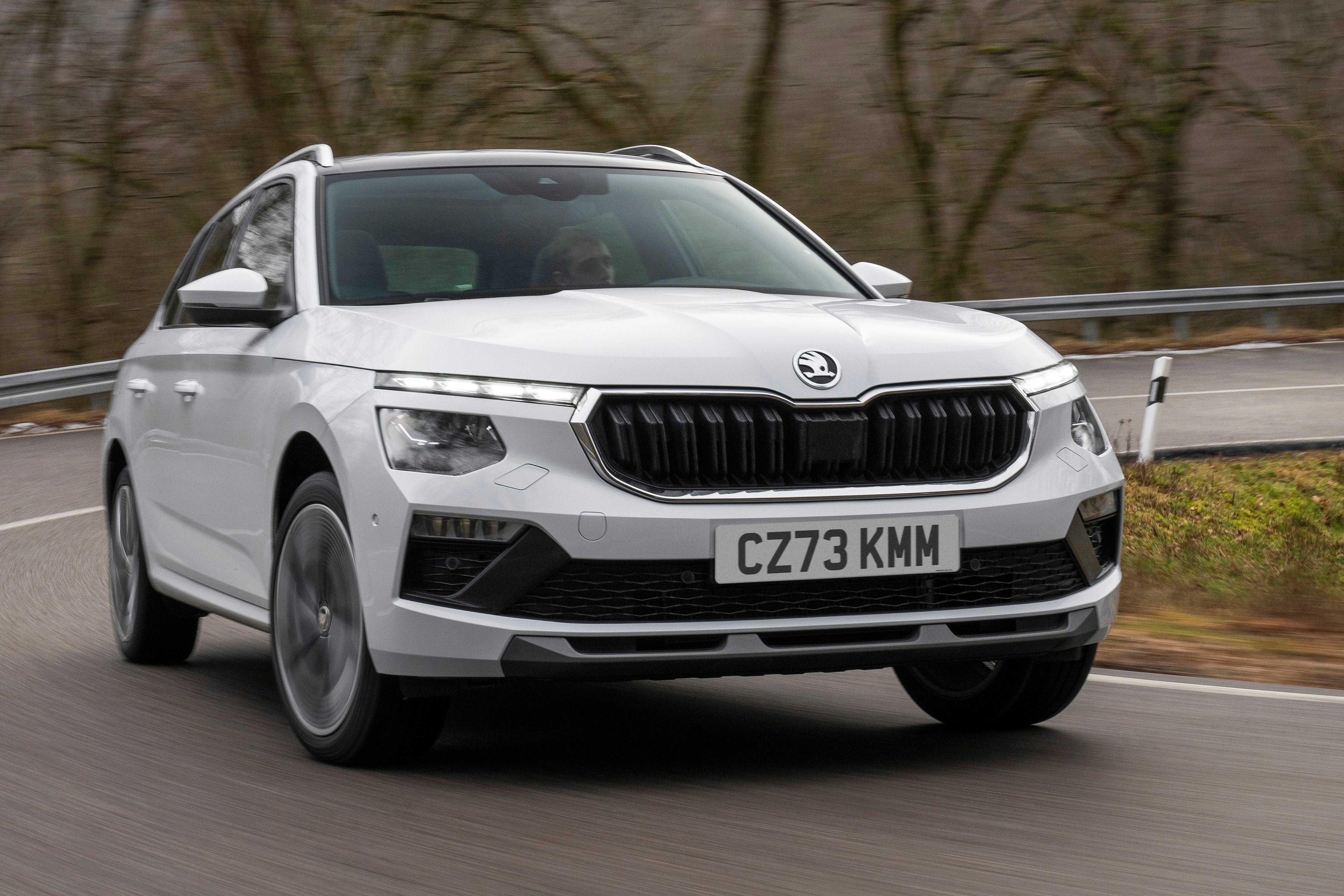
The Skoda Kamiq has a higher-quality cabin, a more composed ride and better refinement. It usually costs more but is the stronger all-round family car.
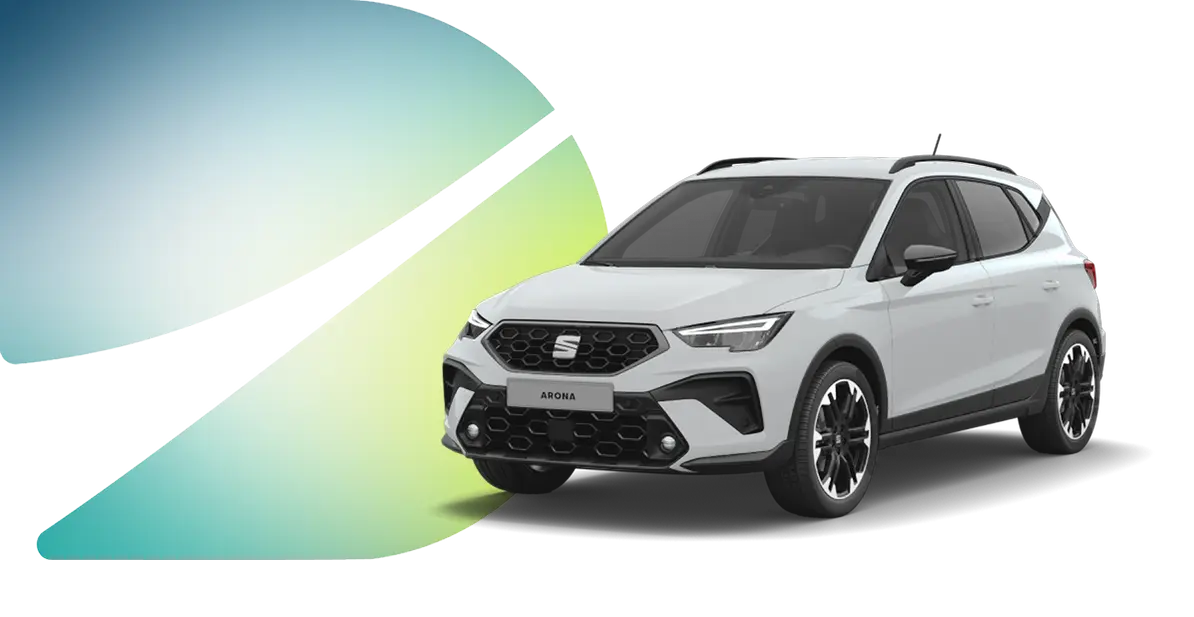
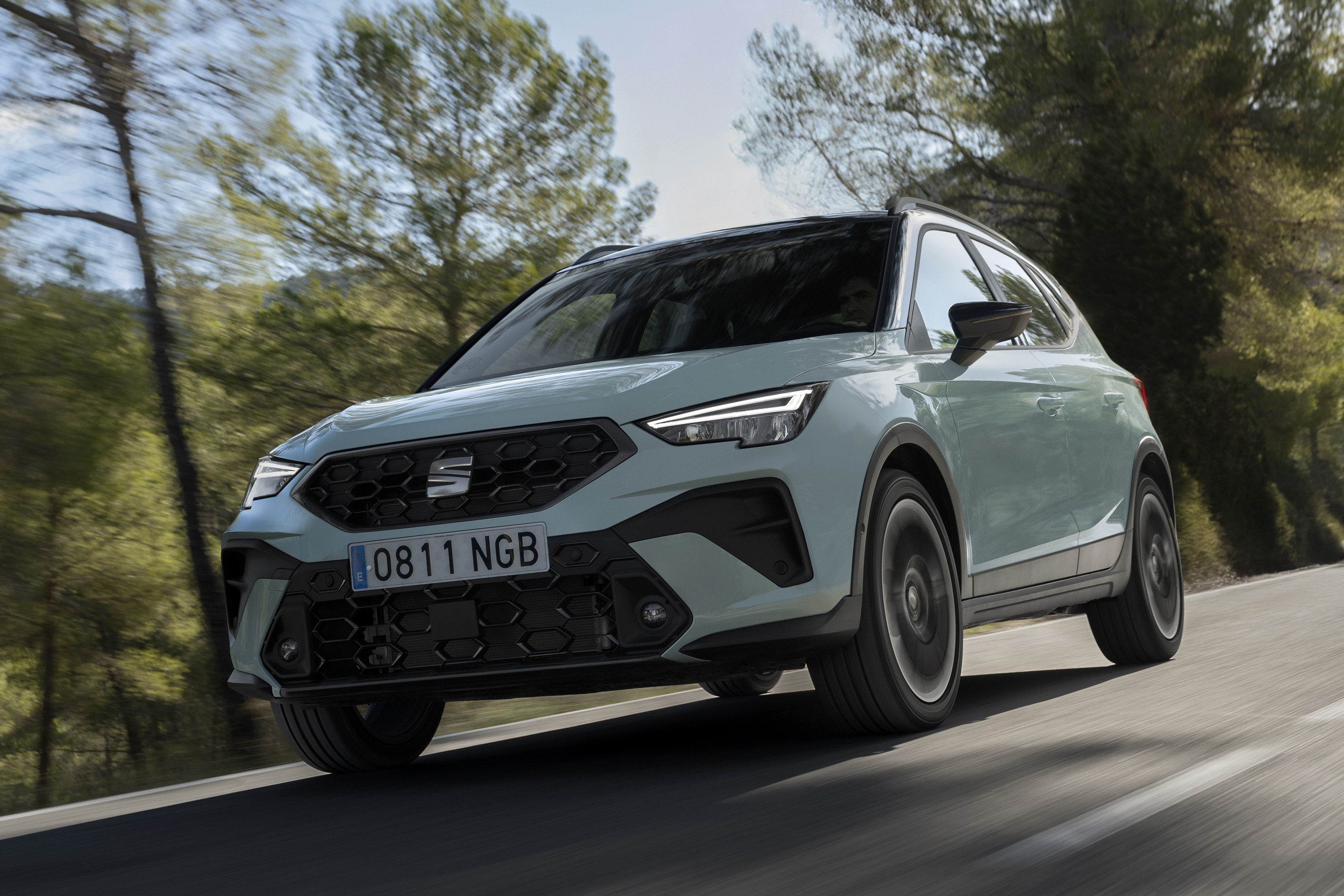
The SEAT Arona is more enjoyable to drive and feels more stable at motorway speeds. Its boot is slightly smaller, while rear flexibility is less impressive.
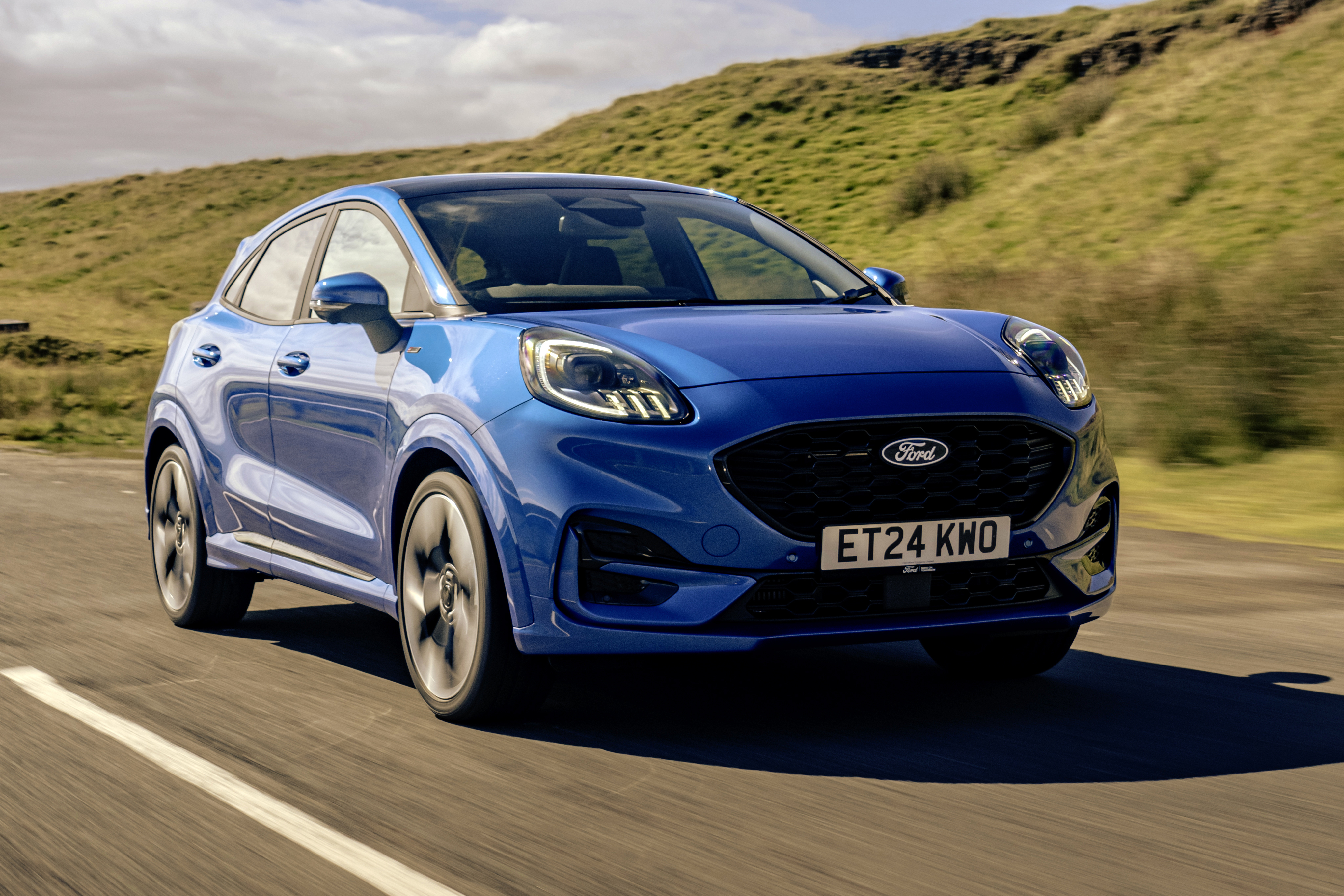
The Ford Puma has sharp handling, efficient engines and an excellent boot with a deep lower storage compartment. Used prices are higher and rear passenger space is tighter.
The Renault Captur offers a sliding rear bench and a more modern interior, particularly in second-generation form. Its controls can be more complicated than the Vauxhall’s.
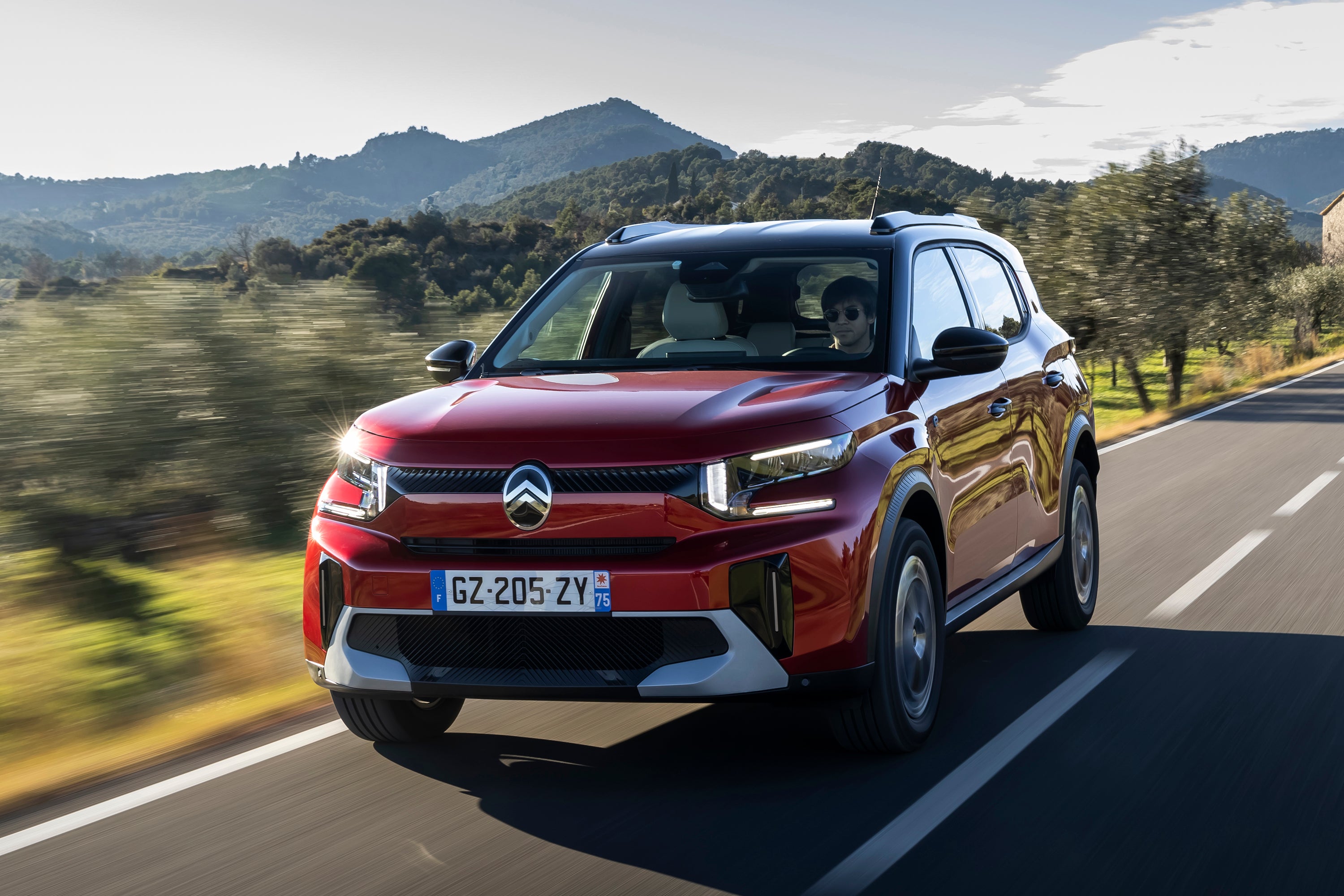
The Citroen C3 Aircross shares much of its engineering with the Crossland but has softer suspension and a more distinctive design. Its body control is even looser through bends.
The Peugeot 2008 has a smarter cabin and more eye-catching styling. Its small steering wheel and elevated instrument display do not suit every driver.
What's the interior like in the Vauxhall Crossland?
The Crossland has a plain but practical cabin, with simple controls, a comfortable driving position and better passenger space than its compact exterior suggests.
Vauxhall Crossland boot space and practicality
The Vauxhall Crossland's driver’s seat has loads of adjustment, so you’ll easily get comfortable. If you want a height-adjustable passenger seat then you’ll need to purchase the optional ergonomic front seats which are 16-way adjustable, including electrical tilt and lumbar support. This option also adds a 12V socket behind the front seats and a covered storage compartment in the centre console.
There are worthwhile upgrades available for the back seat, too. The Versatility Pack (standard on SRi Nav, Elite Nav, and Ultimate models) adds back seats that move forwards and backwards on runners and also have adjustable backrests so your passengers can stretch out a bit on a long journey. It’s handy to have but not necessary because the seat is spacious with enough head and knee room for tall passengers so long as there’s no one tall sitting up front.
Getting a kid’s seat into place is a problem, though. The Vauxhall Crossland’s rear doors are small and they don’t open to 90-degrees for unrestricted access to the back seat, plus the ISOFIX points aren’t neatly hidden under plastic covers.
There’s better news on the Vauxhall Crossland's interior storage. Up front, you get large door pockets, a tray for your phone, two closable cubbies on the centre console, and two cupholders. That said, the glove box is small and so are the rear door pockets.
The Vauxhall Crossland's 410-litre boot is big, though, and larger than you’ll find in rivals such as the Renault Captur. You can increase this to 520 litres with the Versatility Pack that lets you slide the back seats forward. Loading is easy because the boot lid leaves a large opening, although there’s a load lip you’ll have to lift heavy luggage over.
The back seats fold 60:40 (or 40:20:40 with the Versatility Pack fitted) leaving you maximum boot space of 1255 litres, or enough to get an adult’s bicycle packed away without having to take the wheels off.
If you want to squeeze your Vauxhall Crossland into a garage, you'll be pleased to know that its dimensions are barely any bigger than the Corsa hatchback. It measures 4212mm long and 1976mm wide (including door mirrors), while it's 1605mm high (inclusive of roof rails).
Vauxhall Crossland dimensions
The Vauxhall Crossland measures 4,212mm long, 1,825mm wide & 1,605mm high.
It is only slightly longer than a conventional supermini, making it straightforward to use on narrow streets and in smaller parking spaces.
Tech and infotainment in the Vauxhall Crossland
Even the most basic Vauxhall Crossland models feature a 7.0-inch infotainment system, with Apple CarPlay and Android Auto as standard. Higher spec models have a larger 8.0-inch touchscreen. Although sat-nav isn't standard, it's easy enough to link up your phone and use third-party apps like Google Maps or Waze instead. SRi Nav and Ultimate Nav models come with a slightly bigger eight-inch display, as well as navigation with European mapping.
Both systems are good to use, with fast responses to inputs and logical menu layouts. There's little to dislike about the Crossland's infotainment, really – it does the job with little fuss. Some drivers might prefer systems that aren't reliant on the touchscreen, though – the Mazda CX-3 has a rotary controller, for example, which is less distracting to use on the move.
Materials available on the Vauxhall Crossland
The Crossland cabin is solid and functional rather than stylish, with soft-touch material on parts of the dashboard and harder plastics lower down.
Some switches and centre-console panels feel lightweight, while the shiny decorative trim can look dated.
Higher trims add contrasting dashboard inserts, upgraded upholstery and a leather-covered steering wheel. The overall finish trails a Skoda Kamiq or SEAT Arona but is acceptable at current used prices.
What's the Vauxhall Crossland like to drive?
The Crossland is easy to drive in town but feels less settled and refined than the best small SUVs on faster roads.
Vauxhall Crossland range and performance
The basic non-turbo petrol is noticeably underpowered. It is adequate for short urban trips but struggles with hills, faster traffic and a full passenger load.
Its five-speed gearbox also leaves the engine working hard at motorway speeds, increasing noise and reducing the likelihood of achieving its official economy.
The 110PS turbo petrol is the best engine in the range. It feels much stronger at low and medium revs, reaches motorway speeds without excessive effort and is paired with a six-speed gearbox.
It is also smoother and quieter than the diesels, while real-world economy in the low to mid-40s is achievable with restrained driving.
The 130PS petrol provides stronger acceleration and is useful for drivers carrying passengers regularly. It is less common and generally more expensive to insure, while the additional performance is not essential in normal use.
The six-speed manual gearbox has a loose and imprecise action. It is easy enough to use but lacks the clean shift quality found in a SEAT Arona or Skoda Kamiq.
The six-speed automatic removes the need to change gear in traffic but can hesitate before responding and is not especially smooth during low-speed manoeuvres.
Early 1.6-litre diesels and later 1.5-litre Turbo D versions provide strong economy during longer journeys. They are noisy around town and make little financial sense for low-mileage drivers.
Performance data
| Model | Engine/battery size | Power | 0-62mph | Range/MPG |
|---|---|---|---|---|
1.2 petrol | 1.2-litre | 81PS or 83PS | 14 seconds | Up to 48mpg |
1.2 Turbo petrol | 1.2-litre | 110PS | 10.5 seconds | Up to 50mpg |
1.2 Turbo petrol | 1.2-litre | 130PS | 9.5 seconds | Up to 49mpg |
1.6 diesel | 1.6-litre | 99PS or 120PS | 10 to 12 seconds | Up to 70mpg under older tests |
1.5 Turbo D diesel | 1.5-litre | 102PS, 110PS or 120PS | 10 to 12 seconds | Up to 61mpg |
Vauxhall Crossland driving and refinement
The Vauxhall Crossland’s small dimensions make it relatively easy to park and higher spec models like the Elite and Business versions come with rear parking sensors as standard, which make it that bit easier to squeeze into really tight spaces. All Nav models are available with the optional Rear View Camera Pack Plus which gets you front and rear parking sensors as well as a reversing camera. This is standard on the Ultimate model.
One thing that’s not great in town is the car’s bouncy ride, and it doesn’t improve as you get up to higher speeds on the motorway. The way the Crossland pogoes from one bump to the next can make it feel a touch unstable.
Unsurprisingly, it’s not a lot better when you get onto a country road where you’ll pay the price for the car’s light steering. It makes it hard to place the Vauxhall going into corners and tricky to detect when the limits of grip are running out. Factor in significant body lean and a baggy-feeling manual gearbox and, it’s fair to say, this isn’t a car you’re going to hustle about for fun.
It’s also not a car you can use as a proper SUV. The Vauxhall only comes with front-wheel drive and you can’t even get a version of the clever grip-finding traction control system fitted to the Peugeot 2008. Meanwhile, it’s 870kg maximum towing weight, which drops as low as 650kg for the non-turbo 1.2-powered models, is some way off the 1100kgs a basic SEAT Arona can manage.
How safe is the Vauxhall Crossland?
The Crossland X received five stars from Euro NCAP when tested in 2017.
It scored 85 per cent for adult occupant protection, 84 per cent for child occupant protection, 62 per cent for pedestrian protection and 57 per cent for safety assistance. The passenger compartment remained stable in the frontal-offset test, although protection of the rear passenger’s chest was rated marginal and the rear head restraints provided poor whiplash protection.
Autonomous emergency braking was optional and was not included in the rating because it was not fitted to enough cars as standard.
The five-star result was awarded under 2017 criteria and has expired, so it should not be compared directly with a modern small SUV tested under current protocols.
Standard safety equipment includes six airbags, stability control, lane-departure warning, traffic-sign recognition and cruise control with a speed limiter.
Autonomous emergency braking and driver-attention monitoring were optional on many early versions but became standard on the final Ultimate models.
Buyers should check the individual car’s equipment because two outwardly similar Crosslands may have different collision-avoidance technology.
Running costs: What it's like to live with a Vauxhall Crossland
The Crossland is affordable to fuel, insure and service, although maintenance history is particularly important on the 1.2-litre petrol engines.
Vauxhall Crossland fuel economy
The 110PS turbo petrol officially returns up to 50mpg, with real-world results in the low to mid-40s achievable during mixed driving. The 130PS version is only slightly less economical, while the non-turbo petrol can perform worse in practice because it needs to be worked harder.
Later 1.5-litre diesels officially return up to 61mpg and can exceed 50mpg during sustained motorway driving.
Early 1.6-litre diesels recorded higher figures under the older NEDC test, but these are not directly comparable with later WLTP results.
Petrol is the better choice for short journeys and lower annual mileages. Diesel is most appropriate for drivers who regularly complete longer trips at higher speeds.
Vauxhall Crossland warranty and servicing
The original Vauxhall warranty covered three years or 60,000 miles from first registration. The first year had no mileage limit, with the 60,000-mile cap applying during years two and three.
Every Crossland is now likely to be outside its original warranty unless it has separate approved-used or aftermarket cover.
Vauxhall Crossland insurance groups
Crossland insurance groups run from 8 to 20. The non-turbo petrol is the cheapest to insure, while 110PS turbo models generally sit in the low to mid-teens.
The 130PS petrol and higher-spec automatic versions occupy the upper groups, with some late Ultimate models reaching group 20. Diesels generally sit between groups 15 and 18, depending on engine, trim and gearbox.
Drivers should obtain a quotation for the exact registration because equipment and model-year changes can affect the rating.
How much does it cost to tax a Vauxhall Crossland?
Every Crossland was registered after 1 April 2017 and pays the standard £200 annual Vehicle Excise Duty rate from the second licence. No version originally cost enough to exceed the £40,000 Expensive Car Supplement threshold, so the additional five-year charge does not apply.
What trims are available with the Vauxhall Crossland?
SE provides the essentials, including air conditioning, a seven-inch touchscreen, Apple CarPlay, Android Auto, LED lighting and 16-inch alloy wheels.
It represents good value but lacks the sliding rear bench and some of the parking equipment fitted to higher trims.
Tech Line Nav and Business Edition Nav were aimed partly at fleet buyers and add navigation and useful convenience equipment. Their specification varies by year, so each car should be checked individually.
SRi Nav has sportier exterior details, 17-inch alloy wheels, dual-zone climate control, an eight-inch navigation system and ergonomic front seats.
It also commonly includes the Versatility Pack with the sliding 40:20:40 rear bench, making it the most practical trim for family use.
Elite and Elite Nav add comfort features including heated front seats, a heated steering wheel and upgraded upholstery. Many also have a reversing camera.
Griffin combines distinctive exterior details with a generous specification and can offer good value, although equipment changed between model years.
Ultimate and Ultimate Nav sit at the top of the range with Alcantara-style upholstery, keyless entry, wireless phone charging and a panoramic reversing camera.
Late Ultimate cars also include autonomous emergency braking as standard.
SRi Nav offers the strongest balance of equipment, practicality and used price, while Elite Nav is worthwhile when comfort features matter more than sportier styling.
Ask the Drive experts: common questions
Is the Vauxhall Crossland still available new?
Is the Crossland the same as the Crossland X?
How big is the Vauxhall Crossland’s boot?
Which used Vauxhall Crossland is best?
Get our latest advice, news and offers
Keep me updated by email with the latest advice, news and offers from Drive.
.jpg)
.jpg)
.jpg)