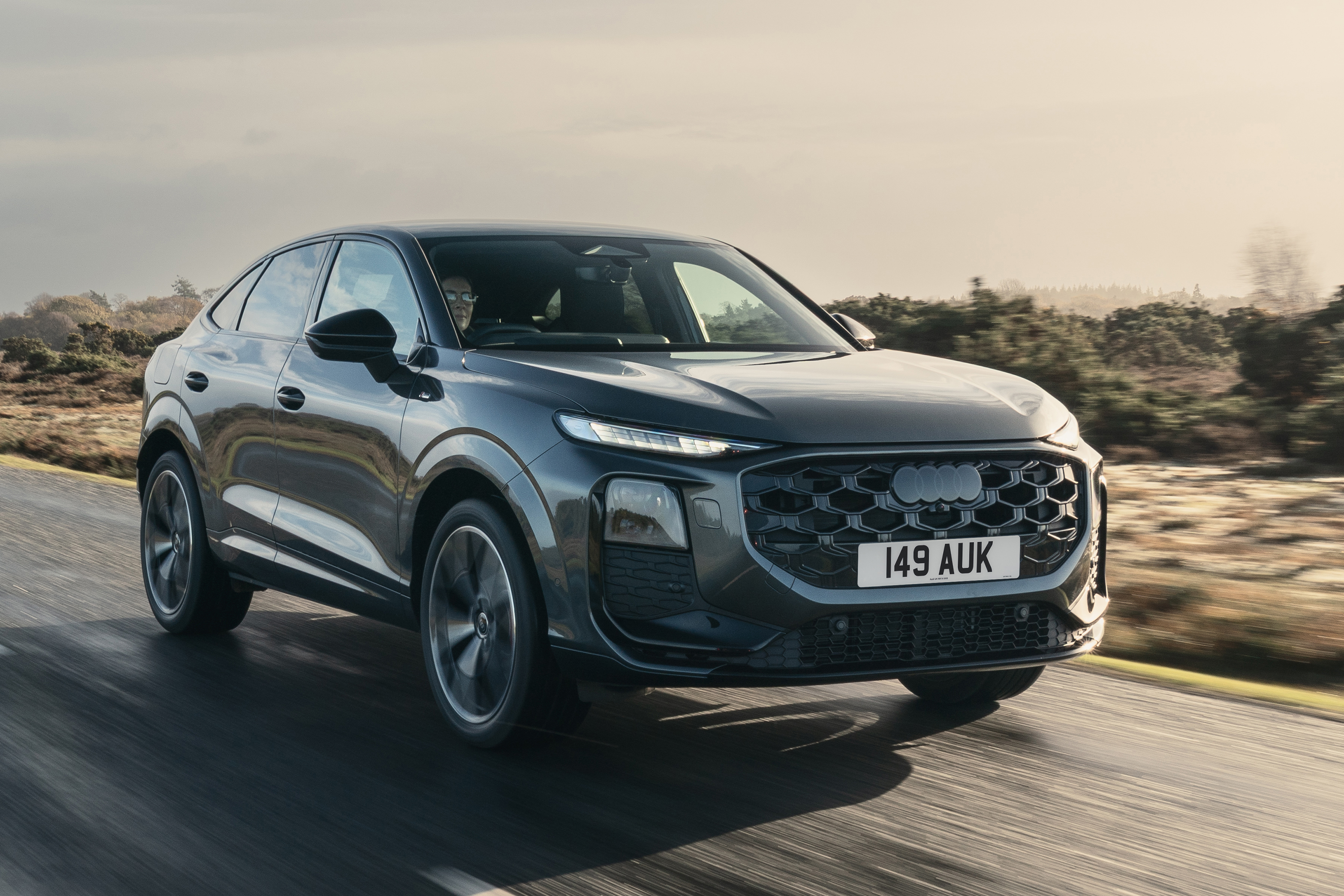
Volkswagen Taigo Review

Written By Phil Hall
- 2022
- Small SUV
- Petrol
What we love
Coupe-SUV style without a major practicality penalty
Frugal petrol engines and sensible running costs
Comfortable and easy-going to drive
Things to consider
The sloping roof slightly limits rear visibility
1.0 TSI works better with the manual gearbox
Larger wheels can make the ride feel a little busier
The DRIVE take on the Volkswagen Taigo, is it the right car for you?
The Volkswagen Taigo is a stylish small SUV that makes more sense than it first appears. It gives you a sleeker look than boxier SUVs, but without any major compromises on practicality. There’s still a useful boot, enough interior space for everyday family life, and the sort of easy, fuss-free driving experience that suits cars like this well.
It is not the obvious class leader, mind. The Ford Puma is more fun to drive, the Nissan Juke has more distinctive styling, and the T-Cross is the more straightforwardly practical Volkswagen alternative. But if you want a small SUV that looks a little sleeker, but without becoming too much harder to live with, the VW Taigo is a decent choice.
The Volkswagen Taigo in more detail
For years, coupe-SUVs were largely the preserve of premium brands that could charge handsomely for niche models that buyers never knew they wanted. Then mainstream makers decided they wanted a slice of the action, too. Some of those efforts felt like solutions in search of a problem. The Taigo, by contrast, feels rather more convincing than that.
Part of the reason is that it starts from a good place. Underneath, the Taigo is closely related to the T-Cross and Polo, which means it benefits from familiar Volkswagen Group mechanicals, well-proven engines and the kind of compact, city-friendly dimensions that suit British roads very well.
By stretching the Taigo’s body and giving it a lower, more tapered roofline at the rear, the Taigo manages to look more distinctive than the T-Cross without giving away much in the way of practicality. It also helps that the rest of the package is sensible. The engines are small, efficient petrols, giving decent performance and low running costs, while the level of quality and standard equipment on show is competitive for the class.
It’s not as playful to drive as a Ford Puma, not as funky to look at as a Nissan Juke and not as premium-feeling as an Audi Q3 Sportback, but it does a pretty good job in all those respects. It is recognisably a Volkswagen, meaning that it’s restrained, sensible and easy to live with.
What's the best Volkswagen Taigo trim and engine option?
For most buyers, the best Volkswagen Taigo is the Match with the 1.0 TSI 115PS manual.
The 115PS engine is the pick of the range, offering enough flexibility and punch to make the Taigo feel brisk enough, but without undermining its fuel efficiency. It’s the engine that best suits the car’s easy-going character.
The manual gearbox is the better choice out of the two on offer with this engine. Volkswagen’s seven-speed DSG automatic sounds like an obvious upgrade, but when paired with this small petrol engine, it can feel hesitant at low speeds, making it feel slightly clumsier than the slick-shifting six-speed manual.
As for trim level, Match is the point where the Taigo starts to feel really complete. It adds useful items such as a rear-view camera, keyless access and rear tinted glass for only a modest premium over Life, making it the best-value version in the range.
Style trim has its appeal if you want navigation, a larger digital instrument display and dual-zone climate control rather than manual air-conditioning, while Black Edition adds more eye-catching styling tweaks. But Match is the trim level that offers the best balance of kit and affordability.
What’s the price of the Volkswagen Taigo?
The current Volkswagen Taigo range starts at £24,985 for the Taigo Life. From there, starting prices rise to £25,160 for the Match, £30,205 for the Black Edition, and £30,355 for the Style, with final pricing depending on engine and gearbox choice. The most expensive car in the range is the Black Edition with the 150PS 1.5-litre petrol engine, coming in at £33,350.
That level of pricing places the Taigo roughly in the middle of the small-SUV market. It’s not a bargain-basement option, but neither is it outlandishly expensive in most forms. However, it should be noted that prices can start to feel a little hefty towards the upper end of the range, particularly because the interior does not become dramatically more upmarket as the list price rises. That’s another reason why Match is the one that makes the most sense.
Alternatives to the Volkswagen Taigo
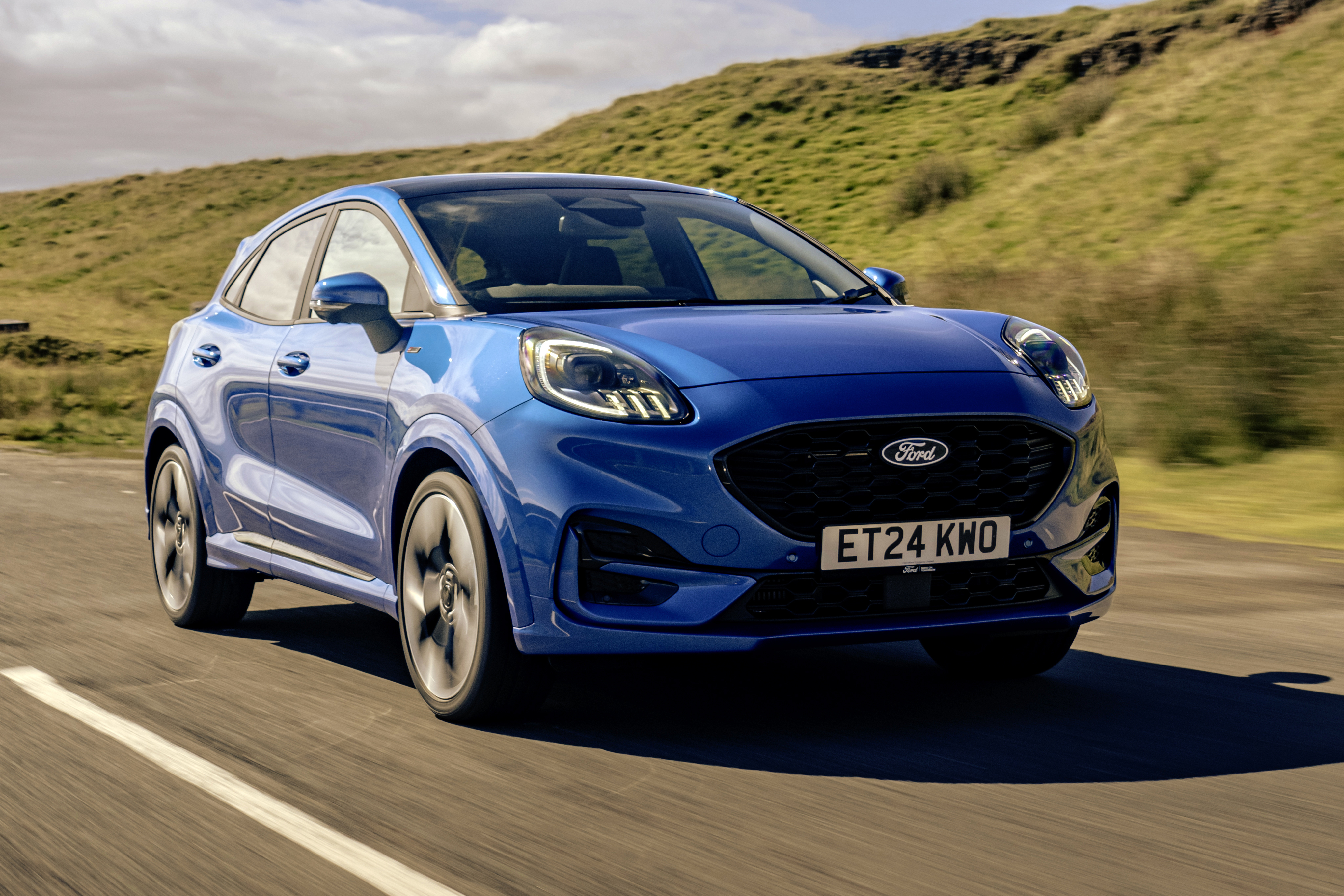
The Ford Puma remains one of the Taigo’s biggest rivals because it blends strong practicality with sharper driving manners and a more engaging feel on the road. It’s arguably less stylish, but it is one of the best small crossovers on sale.
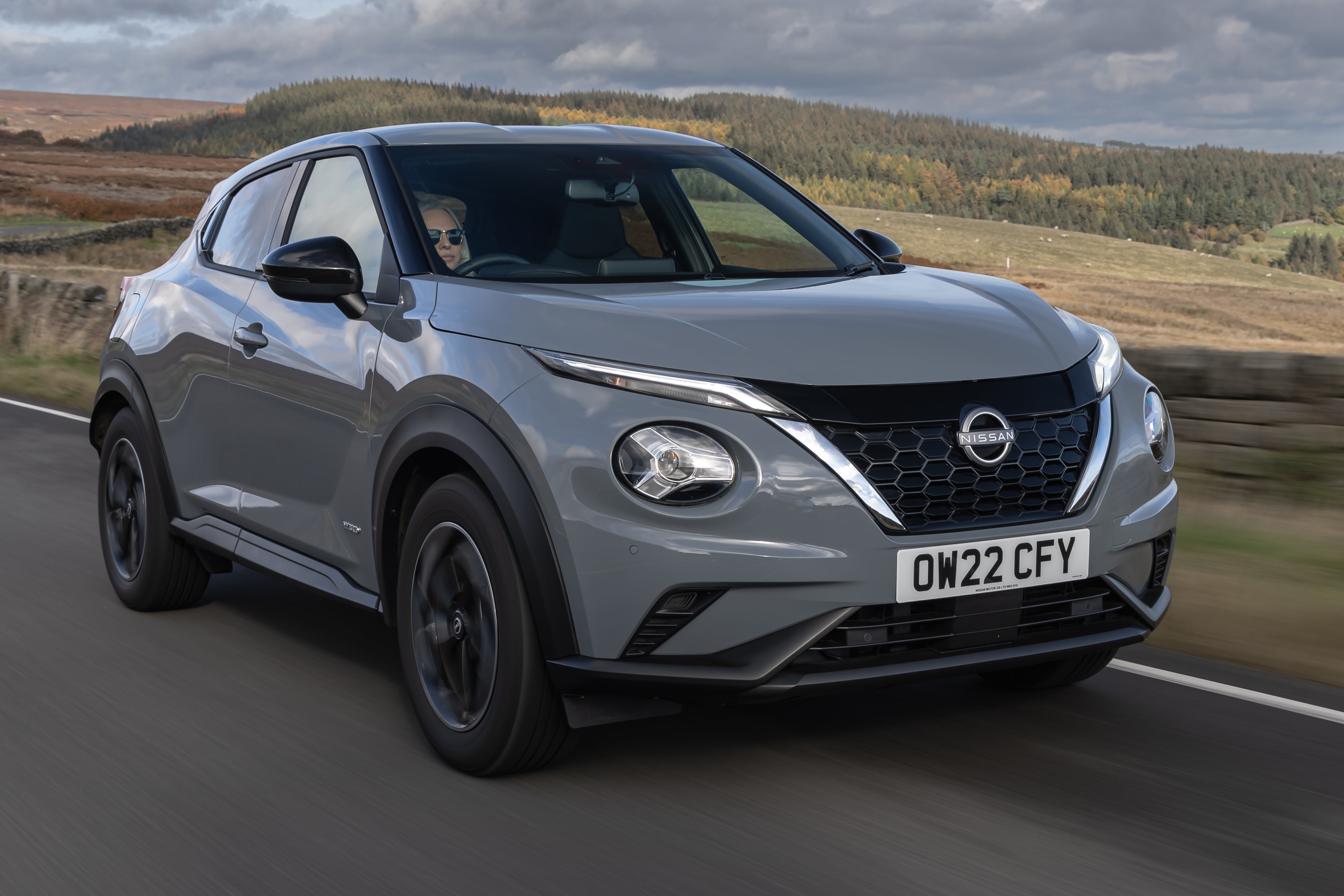
The Nissan Juke is another obvious alternative if appearance matters to you. It looks more dramatic than the Volkswagen despite its more conventional shape, and it also offers the option of a full hybrid powertrain if you want it, but the Taigo counters with a bigger boot and a simpler, more mature cabin.
The Renault Captur is also worth serious consideration because it combines generous interior space with sliding rear seats for impressive family practicality, and like the Nissan, it also offers the option of a full hybrid powertrain.
Of course, the closely related Volkswagen T-Cross cannot be ignored. It is the more conventional choice, and it is a bit more practical still, while the Taigo trades a little of that for a more distinctive look, and which you prefer will come down to personal taste. Otherwise, the two cars are extremely similar.
Beyond those four, the Mazda CX-30, Toyota Yaris Cross and Peugeot 2008 all deserve a look depending on whether you prioritise quality, hybrid efficiency or design.
What's the interior like in the Volkswagen Taigo?
The Taigo’s cabin is easy to get comfortable in and sensibly laid out, although the general ambience leans more towards functional and pragmatic than premium. The main appeal is practicality, with the car comparing well to rivals in terms of boot space.
Volkswagen Taigo boot space and practicality
One of the Taigo’s biggest strengths is that it gives away less practicality than you might expect for a small SUV with a sloping rear roofline. Boot space stands at 440 litres, which is reasonably generous for the class: it’s more luggage space than in a Nissan Juke, and only a fraction down on the boxier T-Cross.
The rear seats fold in a conventional 60/40 split to create a large, usable load area. The Taigo’s standard equipment list includes a false boot floor that, when set to its higher position, levels off both the lip at the boot entrance and the step up to the folded rear seats. The backrests of those seats do lie at a slight angle, though, so half your extended load area has a distinct slope in it.
Passenger space is respectable, too. Up front, there's plenty of room and loads of adjustment. The driving position feels natural, although you sit slightly lower down than you do in some other small SUVs.
In the back, headroom is better than you might expect given the car’s roofline, although knee room is merely adequate. Children will be perfectly happy, while adults and taller teenagers can fit without major complaint on shorter journeys, but if you plan to carry taller passengers on a regular basis, then a larger SUV might suit you better.
The rear seats also have two sets of ISOFIX child seat mounting points, and there’s another set on the front passenger seat, too.
Volkswagen Taigo dimensions
The Volkswagen Taigo measures 4,266mm long, 1,757mm wide (without door mirrors) and 1,518mm tall, with a 2,554mm wheelbase. Those figures help explain why it feels like such an easy car to use day to day. It is compact enough to feel at home on tight city streets, yet large enough to provide a decent amount of cabin- and boot space.
Tech and infotainment in the Volkswagen Taigo
All versions of the Taigo get an 8.0-inch central touchscreen to handle infotainment functionality. The system includes DAB radio, Bluetooth, wireless phone charging, and wireless operation of Apple CarPlay and Android Auto as standard. It’s not especially flashy, but it is reasonably easy to use, with reasonably logical menus, touch-sensitive shortcut icons down either side of the screen, and even a physical rotary knob for making selections, a welcome rarity in this day and age.
Higher-spec Style and Black Edition models get native navigation on top of that, along with a larger 10.25-inch digital instrument panel behind the steering wheel, while Life and Match cars make do with a smaller 8.0-inch version. The larger unit is a little cleverer and more customisable, but the difference isn’t transformative.
The two higher-spec trims also get dual-zone climate control that allows the driver and the front passenger to set their own temperature preference. However, this system is controlled by irritating touch-sensitive slider controls, which are needlessly fiddly and distracting. The lower-spec cars have single-zone manual air-conditioning, which means you’ll need to reach a consensus on temperature, but the payoff is that the more basic system is controlled by physical dials and buttons, which is much easier and more intuitive.
Materials available on the Volkswagen Taigo
The Taigo uses a fairly straightforward mix of cabin materials, with hard-wearing moulded plastics across much of the dashboard, centre console and door panels. Softer finishes are more limited, so the emphasis is on durable, easy-clean surfaces rather than a heavily padded or layered look.
Trim inserts and upholstery do a fair bit of the visual work. Depending on the version, you’ll find fabric seat finishes, contrast stitching, gloss black detailing and decorative dashboard panels that help give the cabin a bit more variety. Higher-spec cars also bring a smarter steering wheel and more distinctive trim combinations, which help lift the look without changing the basic material mix too dramatically.
What's the Volkswagen Taigo like to drive?
The Taigo is calm, relaxed and pleasantly grown-up on the road. You won’t have as much fun as you will in a Ford Puma, but you will be more comfortable. It majors on easy-going manners, a settled ride and the sort of light, undemanding controls that make everyday driving feel straightforward.
Volkswagen Taigo range and performance
The Taigo line-up is pretty simple. There is an entry-level 1.0-litre three-cylinder petrol with 95PS and a five-speed manual gearbox, and there’s also a stronger 1.0-litre with 115PS (it previously had 110PS, but it was uprated slightly in 2024), which is offered with either a six-speed manual gearbox or a seven-speed DSG dual-clutch automatic. At the top of the range sits a 1.5-litre four-cylinder petrol with 150PS and the seven-speed DSG.
The 95PS engine is fine for pottering around town, but once the road opens up, or you put lots of people and stuff on board, then it starts to feel a little out of its depth. It has to work a little too hard to maintain even adequate pace, making it feel strained and noisy.
The 115PS engine is much more like it. It’s certainly not what you’d call quick, but it has an extra slug of low- and mid-range urgency that makes it a lot more flexible than the entry-level engine, so it feels a lot more relaxed for a lot more of the time. It gives away very little in the way of fuel economy, too, and that, combined with its affordable price, further helps make it the sweet spot in the range. That said, we’d urge you to stick with the standard six-speed manual gearbox: if you specify the seven-speed automatic with this engine, gear changes are a little hesitant and jerky.
The range-topping 1.5-litre engine works more smoothly with the automatic transmission, and it also delivers a useful hike in performance. However, its advantage isn’t worth the extra amount it costs on top of the mid-range engine, especially when it’s only offered in top-end Black Edition cars.
Performance data
| Model | Engine/battery size | Power | 0-62mph | Range/MPG |
|---|---|---|---|---|
1.0 TSI 95 5MT | 1.0-litre petrol manual | 95PS | 11.1 seconds | 53.2mpg |
1.0 TSI 115 6MT | 1.0-litre petrol manual | 115PS | 9.9 seconds | 52.0mpg |
1.0 TSI DSG | 1.0-litre petrol automatic | 115PS | 10.2 seconds | 50.4mpg |
1.5 TSI DSG | 1.5-litre petrol automatic | 150PS | 8.2 seconds | 48.3mpg |
Volkswagen Taigo driving and refinement
If you're expecting the Taigo’s coupe-like looks to translate into a sporty driving experience, you may come away feeling a little underwhelmed. The Taigo is not especially exciting, but in our book, that’s not necessarily a bad thing in what is still a small family SUV.
Yes, you will have more fun in a Ford Puma, but the Taigo has a fair amount of dynamic polish itself. There's lots of grip, body lean is pretty well controlled in corners, and the steering reacts quickly and faithfully to your inputs.
Where it has a distinct advantage over the Ford, and indeed most small-SUV rivals, meanwhile, is in ride comfort. The suspension is forgiving enough that it mops up the vast majority of lumps and bumps in the road really effectively, but it’s not so soft that the body is sent bouncing around on an undulating road. Cars of this type don’t come much more comfortable than the Taigo.
It’s impressively composed and stable on the motorway, too, making it a capable cruiser despite its diminutive size. Wind- and road noise are well isolated, too, and so long as you video the entry-level engine, the powertrains are also pretty hushed at the national limit. These attributes all combine to make the Taigo a comfortable, competent and relaxed car on the road, which is what most family SUV buyers will be looking for.
How safe is the Volkswagen Taigo?
The Volkswagen Taigo earned a full five-star Euro NCAP rating in 2022, which is reassuring for buyers using it as a family car, which most buyers will be.
Standard safety equipment is reasonably generous. All versions come with autonomous emergency braking, adaptive cruise control, driver monitoring, LED headlights with automatic high-beam assist, dynamic road sign display, and various types of lane assistance.
Running costs: What it's like to live with a Volkswagen Taigo
The Taigo’s running costs are one of its biggest strengths. The small petrol engines give very decent fuel economy without the extra cost and complexity of hybrid tech. The insurance groupings are perfectly acceptable for a car of this type.
Volkswagen Taigo fuel economy
Official economy figures are pretty darned good for a petrol-only small SUV. The best figure in the line-up comes from the entry-level 95PS 1.0-litre engine at up to 52.3mpg, while the 115PS version is only just behind with a figure of 52.0mpg when fitted with a manual gearbox. However, we can see this engine actually being more efficient than the entry-level one in the real world, purely because it doesn’t have to work quite so hard for adequate performance.
Adding the automatic gearbox to the 115PS engine brings the official fuel economy figure down to 50.4mpg, while the worst figure in the range is the 48.3mpg of the 150PS 1.5 petrol, although that’s still not half bad.
Volkswagen Taigo warranty and servicing
Volkswagen covers the Taigo with a three-year or 60,000-mile warranty, with most petrol-powered Volkswagens having a service interval of every year or 9,300 miles, whichever elapses first.
Volkswagen Taigo insurance groups
Opt for one of the 1.0-litre three-cylinder engines and whatever trim you choose, you're looking at insurance groups 13-18. This is pretty similar to the competition like the Nissan Juke, while the more powerful 1.5-litre engine increases this to insurance group 22-24. Considering insurance groups run up to 50, you should find a Taigo pretty affordable to insure.
How much does it cost to tax a Volkswagen Taigo?
As of April 2025, all cars are liable for the same flat rate of VED road tax regardless of their fuel type, so you'll pay the same £200 per year on your Taigo as everyone else.
The 'luxury car surcharge' on cars that cost more than £40,000 when brand new is still a thing, though, and cars that bust this barrier will be liable for hundreds of pounds more per year in VED bills for a five-year period. Technically, it is possible to spec a Taigo to above this level, but that involves choosing the highest-spec version there is, and then adding pretty much every optional extra available. Avoid doing that, and you should be good.
If buying a high-spec car on the used market, though, there's no harm in Googling the car's reg just to make sure, as that liability will be handed down to subsequent owners.
What trims are available with the Volkswagen Taigo?
Sitting at the bottom rung of the range is the Taigo Life, and it comes equipped with a decent range of standard kit. You'll find Lane Change Assist, Adaptive Cruise Control and Park Assist make up the foundations of the Taigo's suite of driver assistance systems, as well as both front- and rear parking sensors.
In Life trim, the Taigo sits on 16-inch 'Everett' alloy wheels, sports black roof rails, and gets logo projection from the car's door mirrors (which also electrically fold and have heating). You also get LED headlights with separate daylight running lights. There's no built-in sat nav, but there's smartphone connectivity for both Apple CarPlay and Android Auto, as well as a multifunctional steering wheel.
Not available when the Taigo was initially launched, Match trim was a later addition. Building the Life, the Taigo Match gets larger 17-inch 'Clayton' alloy wheels, a rear-view camera, keyless access and rear tinted glass, among other things. For the minimal extra outlay over the Life model, it's great value.
The Taigo Match is followed by the Taigo Style, building on the standard equipment with a few more niceties. It costs a few grand more, though, so it depends on how much these luxuries are dealbreakers to you. You benefit from the addition of VW's navigation system, a larger 10.25-inch digital instrument display, dual-zone climate control, interior ambient lighting and sports comfort seats upfront. It sits on 17-inch 'Aberdeen' alloy wheels, has silver roof rails and LED matrix lights (with cornering lights).
At the top of the regular range is the Volkswagen Taigo R-Line. It's around £1000 more than the Taigo Style, and the Taigo R-Line is a sportier alternative. While it shares many of the same standard features as the Style, there are some styling differences. These are most notable on the outside, with 17-inch ‘Valencia’ alloy wheels, sportier bespoke bumpers and black roof rails. Inside, the front seat inserts and the rear outer rear seats are in R-Line Karoso Art Velours.
Upgrade to the Black Edition, and you’ll get 18-inch alloys, enhanced exterior styling with added illumination, and heated front seats.
Ask the Drive experts: common questions
Is the Volkswagen Taigo a good small SUV?
Which Volkswagen Taigo is best?
What's the boot space of the Volkswagen Taigo?
Does the Volkswagen Taigo get the Expensive Car Supplement?
Get our latest advice, news and offers
Keep me updated by email with the latest advice, news and offers from Drive.
.jpg)
.jpg)