12/10/2026
Best vegan cars in 2026: The top leather-free cars you can buy

Written By David Ross
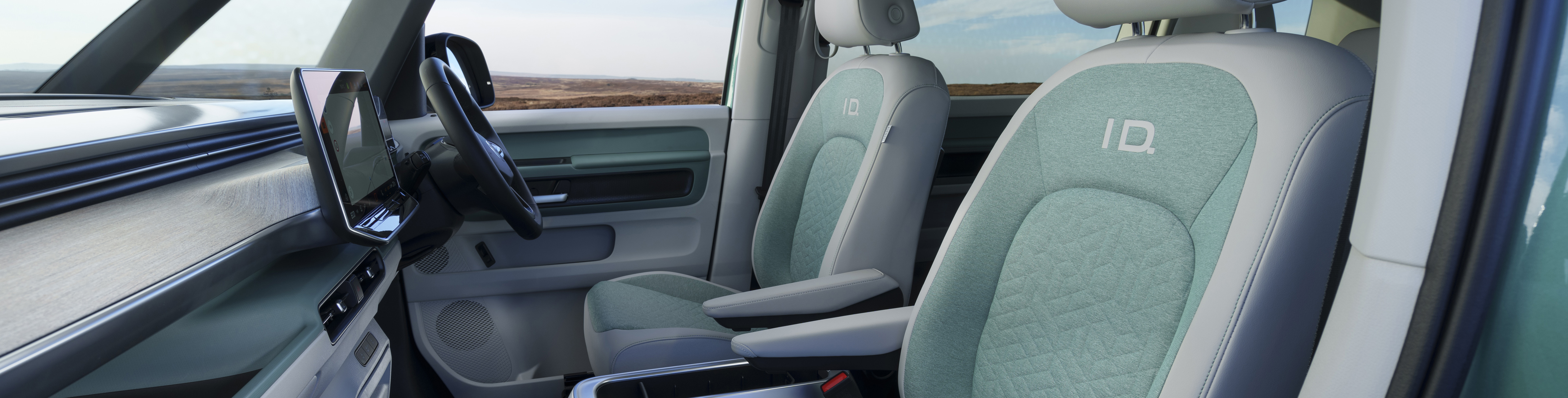
Choosing a vegan-friendly car used to mean compromising on quality. Not anymore. While leather was once considered the ultimate sign of a premium interior, many manufacturers have now replaced it with high-quality synthetic materials, recycled fabrics and innovative textiles that look just as good and are often more durable.
The shift isn't just about animal welfare, either. Carmakers are increasingly using recycled plastics, ocean waste, bio-based materials and low-impact manufacturing techniques as they look to reduce the environmental impact of their vehicles.
Producing a completely vegan car remains difficult. Animal-derived products can still appear in everything from tyres to adhesives and lubricants. However, many manufacturers now offer interiors that are entirely free from leather and other obvious animal products, making it much easier for buyers to choose a vegan-friendly car.
What makes a car vegan-friendly?
For most buyers, a vegan-friendly car is one that avoids animal-derived materials throughout the cabin. That usually means replacing traditional leather with synthetic alternatives, recycled textiles or plant-based materials on the seats, steering wheel, dashboard and other surfaces you regularly touch.
It's worth remembering that a truly 100% vegan car remains almost impossible. Tyres can contain animal-derived stearic acid, some adhesives may use animal products and various manufacturing processes still rely on materials that aren't completely vegan.
Instead, most manufacturers focus on eliminating leather and other obvious animal products while making the rest of the production process progressively more sustainable.
Volkswagen ID.4 and ID. Buzz
.jpg)
The Volkswagen ID.4 and Volkswagen ID. Buzz were both designed from the outset with sustainability in mind. And it shows throughout the cabin. Rather than simply replacing leather with cheaper plastics, Volkswagen has developed interiors that feel genuinely premium while relying heavily on recycled and animal-free materials. The steering wheel is trimmed in high-quality polyurethane instead of leather, while many seat fabrics use Seaqual yarn made from recycled marine plastic or ArtVelours Eco, which incorporates recycled PET bottles.
The result is an interior that feels every bit as smart as a traditional Volkswagen cabin, with excellent build quality and impressive durability. Combined with the cars' quiet electric power and family-friendly practicality, the ID.4 and retro-inspired ID. Buzz show that choosing a vegan-friendly car doesn't mean having to do without comfort or quality.
Škoda Enyaq
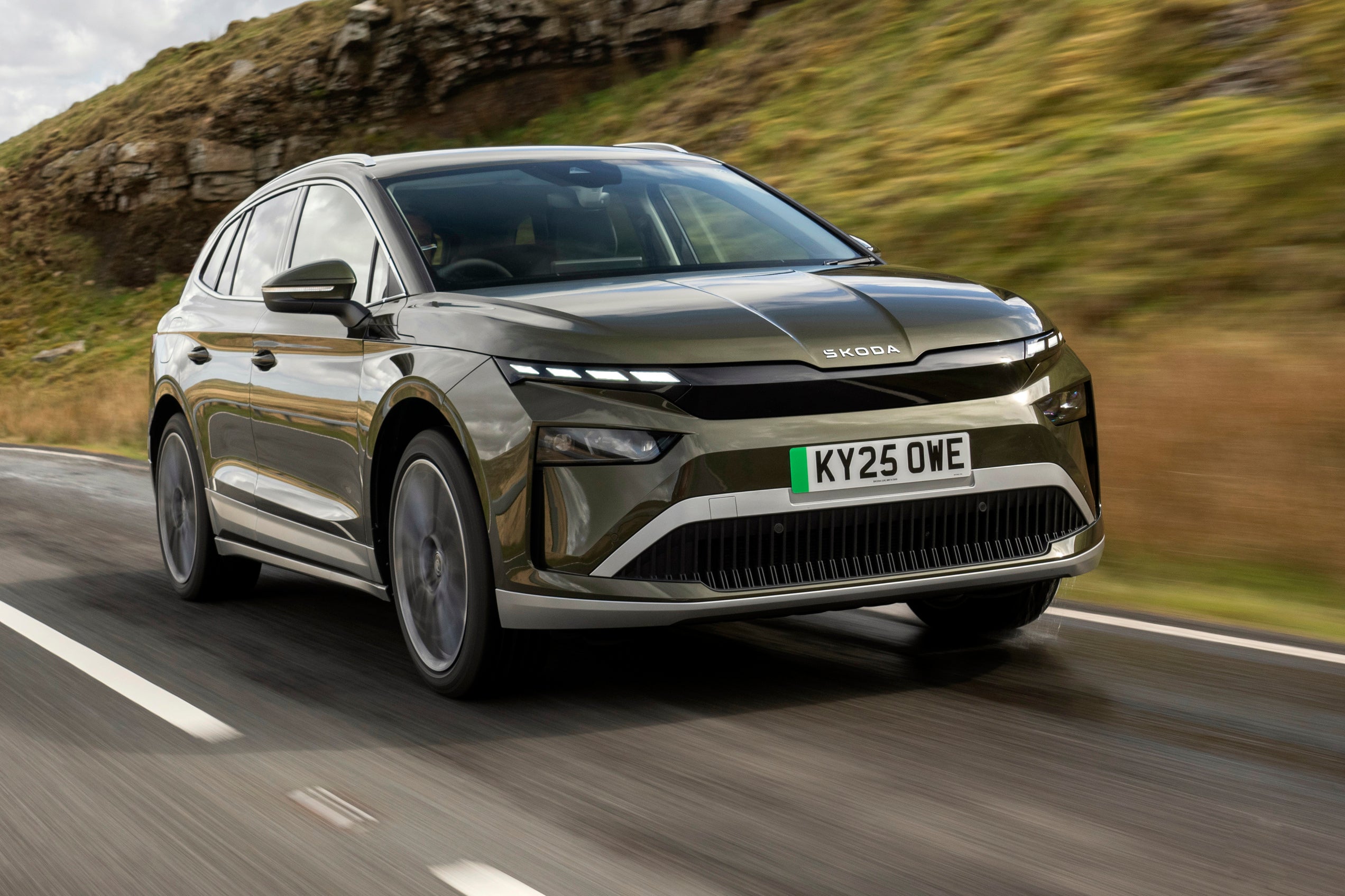
The Škoda Enyaq is available with sustainable interior options so rather than treating eco-friendly materials as an afterthought, Skoda has created entire interior themes called Design Selections, inspired by modern home furnishings.
For vegan buyers, the Lodge interior is the best pick, using recycled fabrics and sustainable materials while avoiding leather entirely. The cabin feels warm, modern and surprisingly luxurious, with soft-touch surfaces and subtle detailing that make it feel far more expensive than many rivals. Combined with the Enyaq's spacious interior, excellent refinement and impressive electric range, it's one of the easiest family EVs to recommend for environmentally conscious buyers.
Audi Q4 e-tron
.jpg)
Audi has become one of the leaders in premium vegan interiors. The Audi Q4 e-tron can be specified without any leather, instead using high-quality Dinamica microfibre upholstery and recycled polyester materials that feel every bit as plush as traditional hide.
The cabin retains everything buyers expect from an Audi, with superb build quality, digital displays and an understated design, while proving that luxury doesn't have to rely on animal products. The Q4 e-tron is also a particularly easy car to live with thanks to its comfortable ride, intuitive technology and excellent refinement. If you're looking for a premium electric SUV that combines sustainability with genuine quality, it's one of the strongest choices available.
Polestar 2
.jpg)
Few manufacturers have embraced vegan materials as enthusiastically as Polestar. From launch, the Polestar 2 was designed around the idea that premium interiors could be both sustainable and desirable, rather than simply replacing leather with cheaper alternatives.
Its standard WeaveTech upholstery is PVC-free, water-based and hard wearing, while optional recycled textiles and responsibly sourced materials further reduce the car's environmental footprint. The minimalist Scandinavian interior feels contemporary and well finished, complementing the car's sharp driving dynamics and impressive electric performance. It's an excellent example of how sustainability and premium design can work hand in hand.
Mercedes-Benz C-Class and GLC
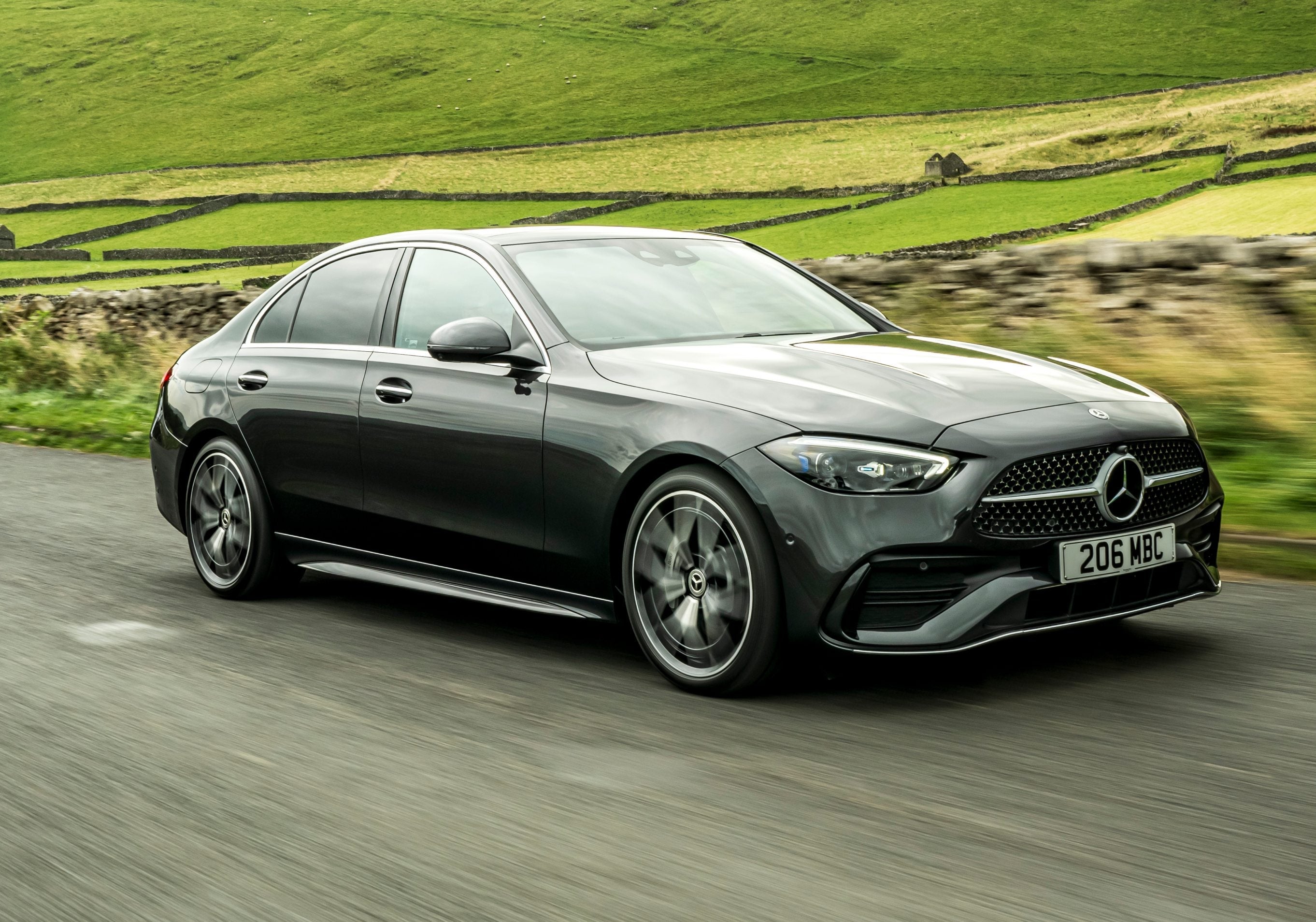
Mercedes-Benz has made significant progress in recent years, with both the Mercedes-Benz GLC and, more recently, the Mercedes-Benz C-Class receiving official Vegan Society certification. That independent accreditation gives the reassurance that the interior has been assessed rather than simply marketed as leather free.
Synthetic Artico upholstery has long been one of Mercedes' strengths, giving the appearance and feel of leather while being easier to clean and more resistant to wear. Combined with the C-Class' refined ride and luxurious cabin, it's a good example of a premium brand embracing ethical materials without compromising on the luxury buyers expect.
BMW i5
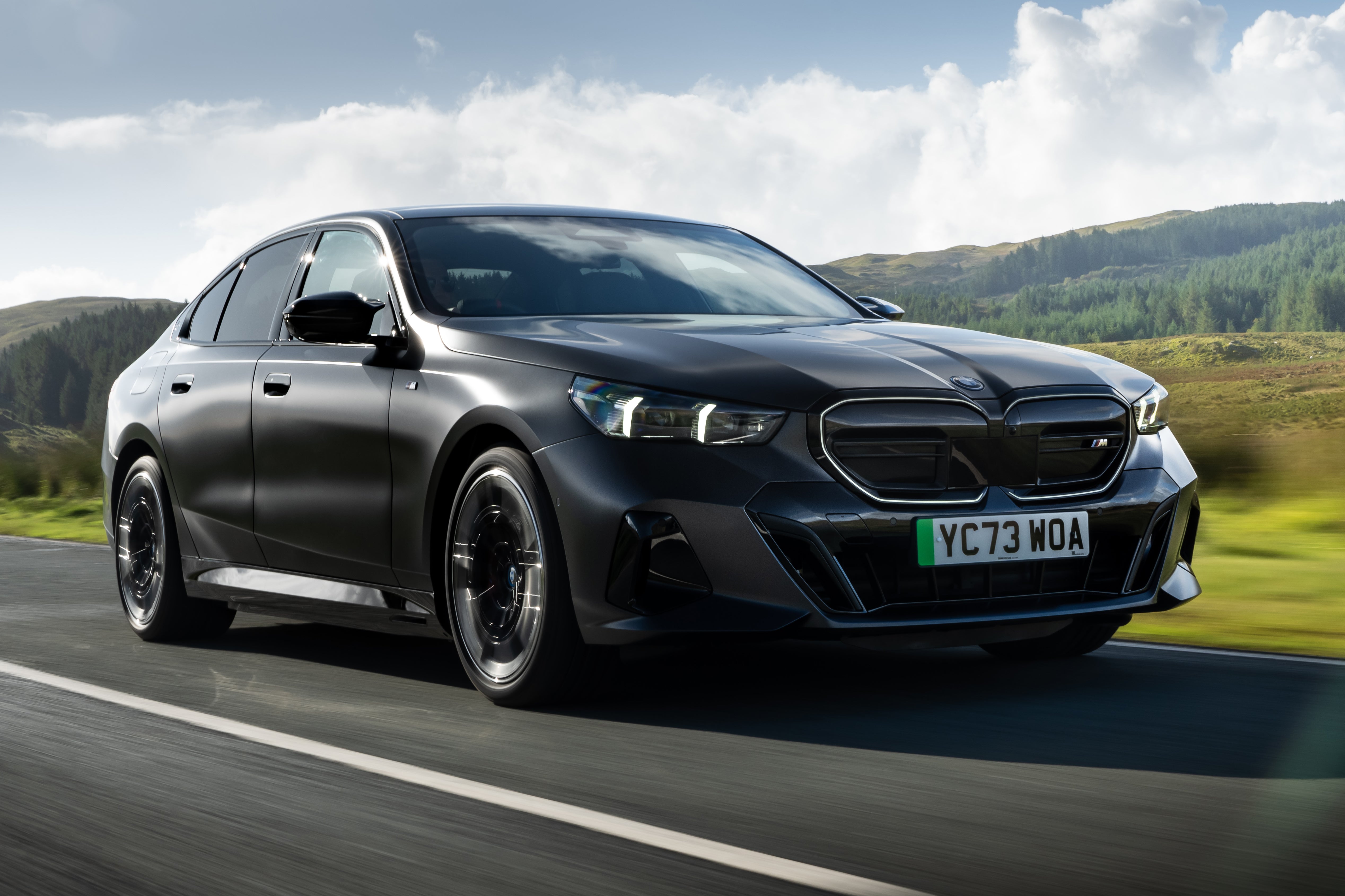
BMW has taken perhaps its boldest sustainability step yet by making Veganza upholstery standard across almost every version of the latest BMW 5 Series and all-electric BMW i5. Rather than asking buyers to pay extra for an alternative interior, the vegan option has effectively become the default.
Veganza feels remarkably convincing, with a soft texture and premium finish that many drivers would struggle to distinguish from real leather. Combined with the beautifully engineered cabin, curved digital display and superb long-distance comfort, the 5 Series is modern premium model that combines traditional luxury with sustainability.
Kia EV3
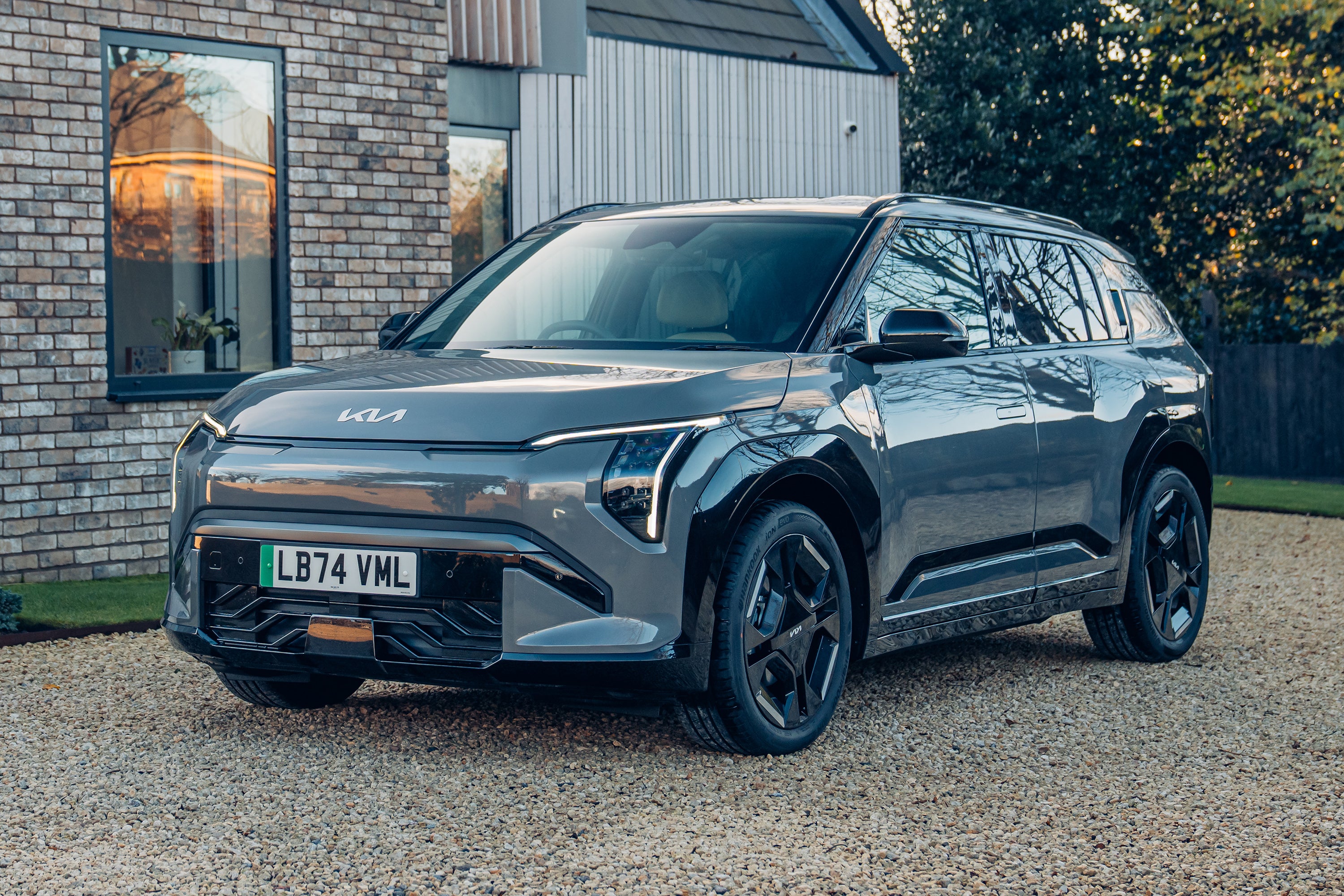
The Kia EV3 brings an unusual level of transparency to sustainable manufacturing. QR codes dotted around the cabin allow owners to discover exactly where many of the recycled plastics, fabrics and bio-based materials originate, highlighting Kia's commitment to sustainability.
The cabin itself feels fresh and contemporary, with clever storage solutions, comfortable seating and a minimalist dashboard that maximises usable space. Rather than simply claiming to be environmentally friendly, the EV3 allows owners to discover how the car has been built, making it one of the most informative and genuinely sustainable interiors currently available.
Tesla Model 3 and Model Y
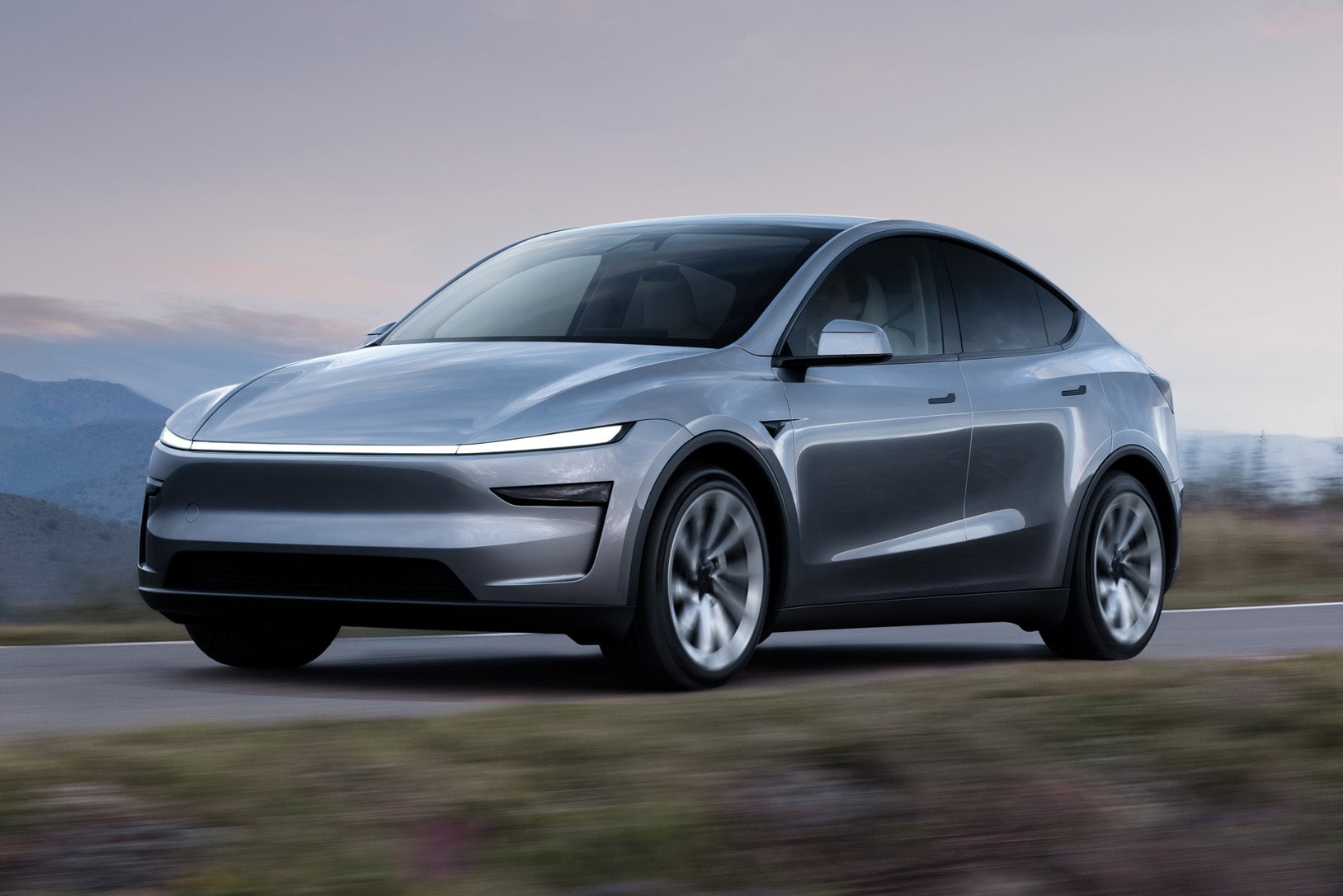
Tesla deserves credit for making vegan interiors standard long before most rivals followed suit. Every new Tesla Model 3 and Tesla Model Y leaves the factory with synthetic upholstery throughout the cabin, while more recent updates have also replaced the last remaining leather components, including the steering wheel.
The materials are hard wearing, easy to clean and particularly well suited to family use, standing up better to everyday wear than many traditional leather interiors. Combined with Tesla's minimalist design, advanced software and extensive Supercharger network, the cars remain among the easiest EVs to own while also appealing to buyers looking for a genuinely leather-free interior.
Sustainable materials explained
Modern vegan interiors use a surprising variety of materials.
ARTICO and Veganza are premium synthetic leathers developed by Mercedes-Benz and BMW.
Dinamica is a recycled microfibre material that has a suede-like finish without using animal products.
Seaqual yarn is produced using plastic recovered from oceans and waterways.
Econyl is a regenerated nylon created from discarded fishing nets and industrial waste.
WeaveTech, developed by Polestar, is a durable, PVC-based upholstery designed as an alternative to leather.
Are electric cars automatically vegan?
No. Many people assume electric cars automatically have vegan interiors, but that's not always true.
Several premium EVs still offer leather as standard or as an optional upgrade. Cars such as the Porsche Taycan, Mercedes EQS and some luxury SUVs can all be specified with traditional leather upholstery.
Why choose a vegan-friendly car?
Choosing a leather-free interior isn't just an ethical decision.
Modern synthetic materials are often:
more resistant to wear and staining
easier to clean
less susceptible to cracking over time
produced with a lower environmental impact than traditional leather.
For many buyers, they make more sense for everyday family life. As manufacturers continue investing in recycled materials and sustainable production, vegan-friendly interiors are quickly becoming the new normal rather than a niche option.
No. Many electric cars still offer leather upholstery, particularly premium models. Always check the interior specification before ordering.
Volkswagen, Škoda, Audi, Tesla, Polestar, BMW, Mercedes-Benz, Kia and Volvo all offer leather-free interiors on selected models.
Usually not. Many manufacturers now fit synthetic upholstery as standard, while others include vegan materials within specific trim levels rather than charging extra.
Yes. Modern synthetic materials are designed to withstand everyday wear and are often easier to clean and more resistant to cracking than traditional leather.