Mazda CX-5 Review

Written By Phill Tromans
- 2026
- SUV
- Petrol mild hybrid
What we love
Spacious cabin and large boot
Composed and enjoyable on flowing roads
Strong safety rating and standard equipment
Things to consider
Engine is noisy and short on performance
Firm ride on poorer surfaces
Too many functions have moved into the touchscreen
The DRIVE take on the Mazda Cx 5, is it the right car for you?
The Mazda CX-5 certainly isn't a bad car, and if you really want a family SUV that also has some driving spark to it, it's a pretty good option. However, there are a LOT of family SUVs to choose from, and in general terms, this isn't one of the best ones. It's not particularly powerful or efficient, the interior isn't that premium feeling, and it somehow feels a bit out of date despite being brand new. Rivals such as the VW Tiguan, the Hyundai Tucson and the Nissan Qashqai are better equipped, more comfortable and feel classier. If you get a CX-5, we don't think you'll be unhappy. But you probably could have got something better.
The Mazda Cx 5 in more detail
The previous Mazda CX-5 was one of the firm's biggest-selling cars it's ever made, and its best-selling car in the UK, so in making a new one, the Japanese manufacturer really needs to get things right. Except, it's not quite as new as you might think.
As we've seen with a few cars in recent years – for instance, the BMW 1 Series – this latest CX-5 uses the same underpinnings as the outgoing one, so it's more of a heavy evolution. But enough has changed to consider it an all-new generation overall.
Browse used Mazda CX-5s for sale →
So, what is actually new? Well, it's now 115mm longer than before, with most of that increase coming by virtue of a stretched wheelbase, which is good news for anyone sitting in the back. Less significant is the width increase of 15mm.
Along with more interior space for occupants, there's also more room for their luggage, with the boot capacity growing by 61 litres. That's enough to put the Mazda CX-5 amongst the most capacious of this type of SUV.
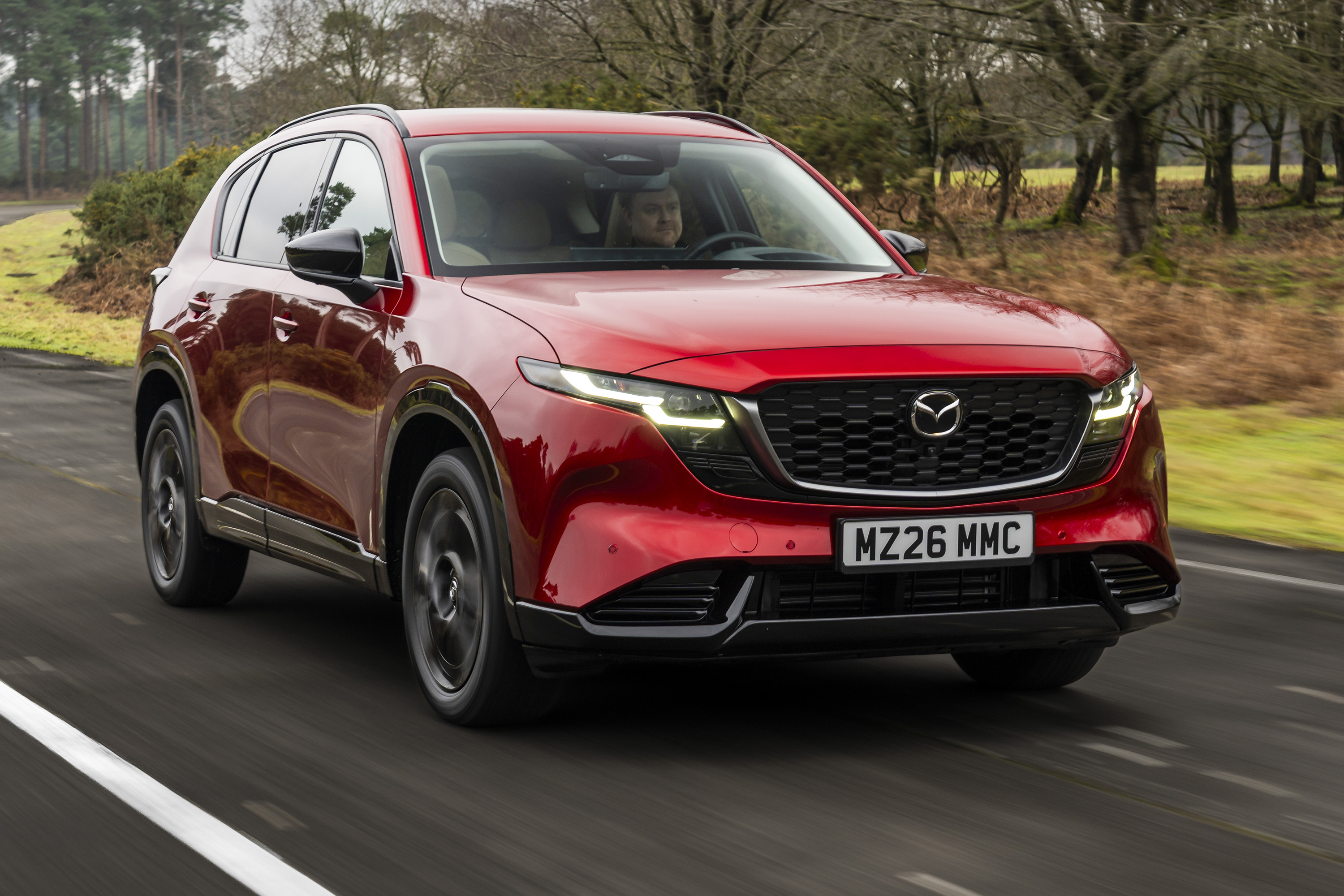
It doesn't look drastically different from the outgoing version, but there's enough going on here to easily tell the two apart. There's also now a stronger familial link between the CX-5 and the larger Mazda CX-60 and CX-80, yet it remains unfussily styled, making it stand out against the general trend of its angular, crease-ridden competitors.
So far, so good, but moving inside, there are some changes that aren't as successful. We have long loved Mazda's insistence on sticking with proper buttons for its interiors while its rivals become ever-obsessed with using massive touchscreens for everything. But the CX-5 cabin features... a massive touchscreen and a noticeable reduction in physical controls.
It's a pity to see Mazda running with the herd on that front, but it's still resolutely itself when it comes to the CX-5's engines. Well, engine singular, because there is only one, at least for now. It's a 2.5-litre, naturally aspirated unit with a mild-hybrid system – very different to the smaller turbocharged engines favoured by rivals. It's not especially powerful, but a hybrid option, which is expected to join the range at a later date, should hopefully be punchier.
Competitors generally have a broader range of more powerful engines, which could be a problem for the Mazda CX-5, because there isn't exactly a shortage of alternatives. As one of the most popular types of cars, most major brands are present in this realm.
Among the wealth of rivals, the CX-5 needs to tempt people away from the three most popular sellers in the UK in 2025 – the Kia Sportage, the Nissan Qashqai and the Volkswagen Tiguan. Then there are still-fresh alternatives in the firms of the Citroen C5 Aircross and the Peugeot 3008.
If you're after a sporty drive from your mid-size SUV, then, at this price point, the CX-5 is about as good as you can get right now, although that's not saying a huge amount, and it's not as engaging behind the wheel as we'd hoped. It's too noisy, it doesn't have enough buttons inside, and the interior isn't as convincing as some of its rivals when it comes to quality.
Still, it's still stylish, more spacious than it was before, and more practical with it. The Mazda CX-5 is far from a bad car, but it still feels a bit like a missed opportunity.
What's the best Mazda Cx 5 trim and engine option?
The front-wheel-drive Centre-Line provides the best balance of price, equipment and running costs.
There is only one engine, so the main mechanical decision is whether to add all-wheel drive. The front-wheel-drive version is slightly quicker, more economical and less expensive, and should provide enough traction for most UK drivers.
All-wheel drive may be useful for buyers living in remote areas, regularly towing on slippery surfaces or dealing with poor winter roads. It does not transform the CX-5 into a serious off-roader, however, and brings a small performance and economy penalty.
Centre-Line adds most of the comfort features missing from Prime-Line, including heated front seats, a heated steering wheel, electric adjustment for the driver’s seat, a powered tailgate, wireless smartphone connectivity, keyless entry and a head-up display.
It also brings 19-inch wheels. These improve the car’s stance but do the ride no favours, so buyers placing comfort above appearance may still prefer the 17-inch wheels fitted to Prime-Line.
Exclusive-Line adds a panoramic sunroof, 360-degree camera, electric front passenger seat, heated rear seats and Bose audio. It is well equipped, but the price moves into territory occupied by more powerful and efficient hybrid rivals.
Homura adds leather upholstery, ventilated front seats, darker exterior detailing and the larger 15.6-inch touchscreen. It looks richer on paper, but the additional equipment does not fully disguise the harder cabin materials.
Prime-Line is the value choice, particularly for buyers who want the most compliant ride. Centre-Line is the stronger all-round recommendation if its additional comfort and convenience equipment will be used regularly.
What’s the price of the Mazda Cx 5?
The Mazda CX-5 starts at £31,550 for the front-wheel-drive Prime-Line.
Centre-Line costs £34,050, while Exclusive-Line is £36,550 and Homura is £38,950. Adding all-wheel drive takes Exclusive-Line to £38,550 and Homura to £40,950. There are also plenty of used Mazda CX-5s for sale for considerably less.
Those prices place the CX-5 alongside the Nissan Qashqai, Kia Sportage, Hyundai Tucson and lower versions of the Volkswagen Tiguan.
The Mazda looks reasonably competitive at the bottom of the range. Prime-Line has an automatic gearbox, adaptive cruise control, front and rear parking sensors, a reversing camera, dual-zone climate control and a broad collection of safety systems as standard.
The value argument weakens higher up the range. A £40,950 Homura AWD has more equipment, but still uses the same 141PS engine and six-speed automatic gearbox as the entry model.
For similar money, buyers can find full-hybrid SUVs with stronger acceleration, quieter urban running and better fuel economy. Some alternatives also offer plug-in hybrid power for drivers able to charge at home.
The CX-5 therefore makes most sense in Prime-Line or Centre-Line form. Higher trims add desirable convenience features, but they do not address the car’s main weaknesses.
Alternatives to the Mazda Cx 5
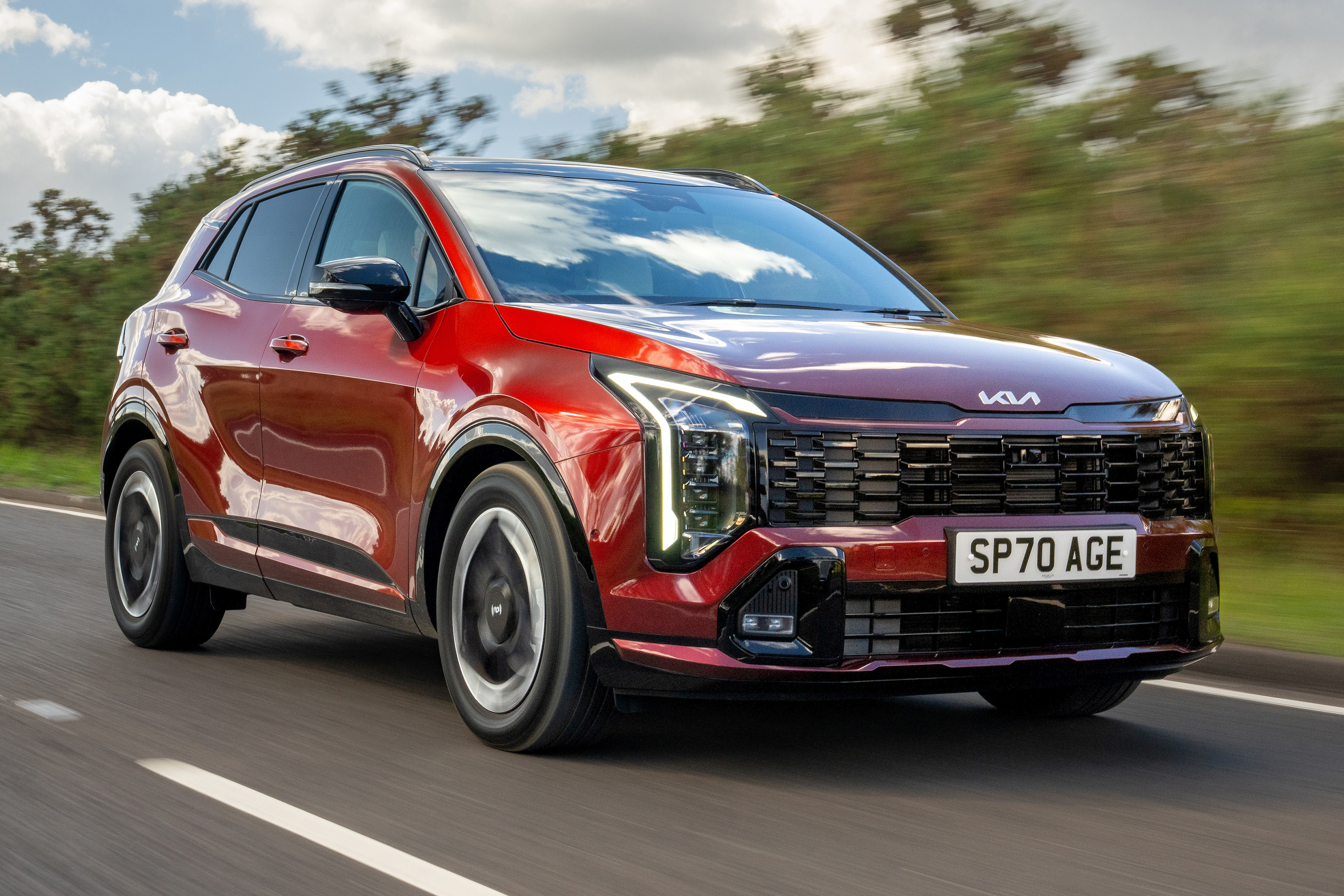
The Kia Sportage is one of the strongest alternatives. It has a similarly large boot, a more modern-feeling cabin and a much broader engine range covering petrol, full hybrid and plug-in hybrid power. Kia’s seven-year warranty is also longer than Mazda’s cover.
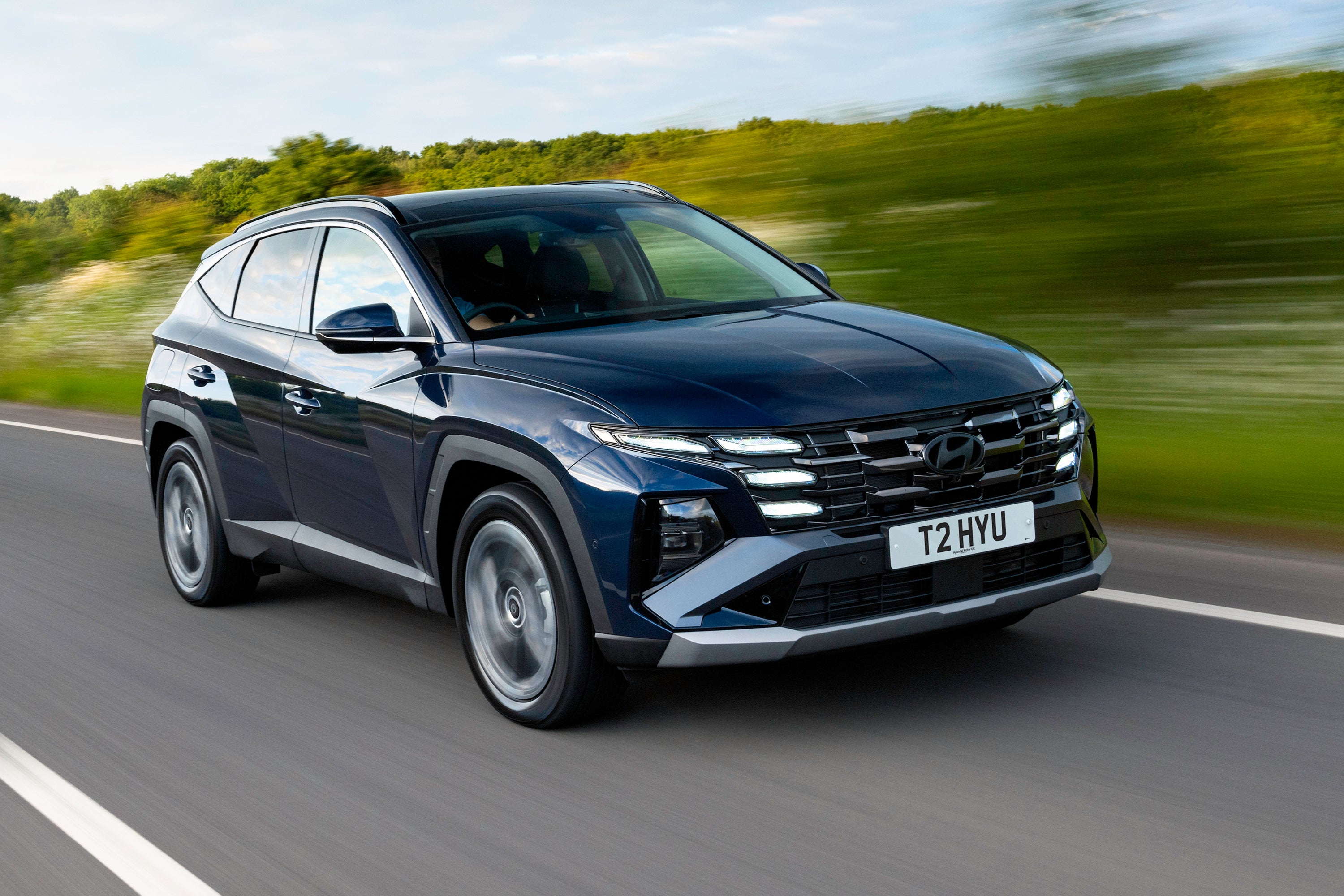
The Hyundai Tucson shares much of the Sportage’s engineering. It offers bold styling, strong practicality and a high-quality interior, while its hybrid options provide a better balance of performance and economy than the CX-5’s mild-hybrid petrol engine.
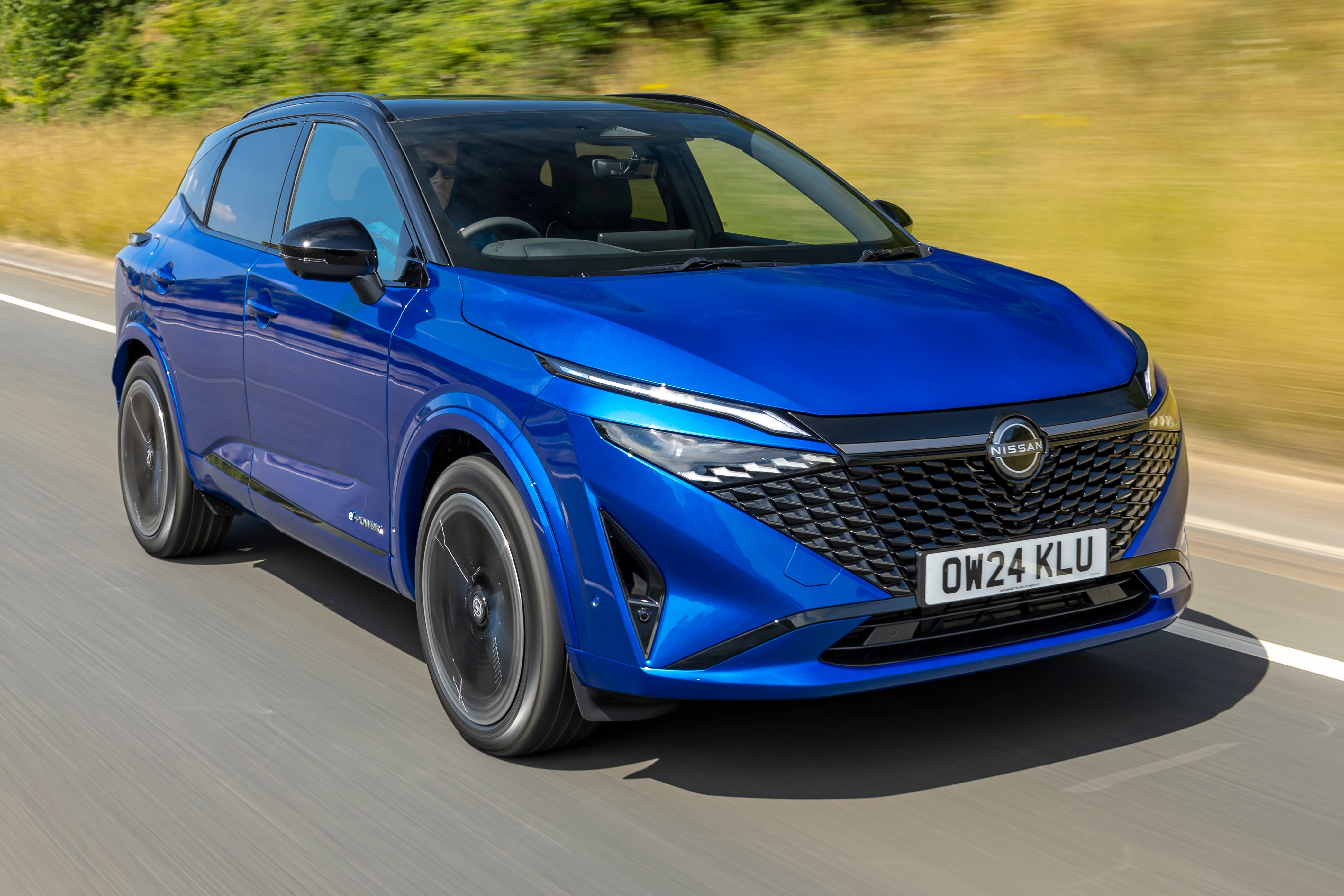
The Nissan Qashqai is smaller and has a less generous boot, but it is easier to manage in town and offers more efficient powertrains. The e-Power version is particularly smooth in urban driving, although it can become noisy under sustained acceleration.
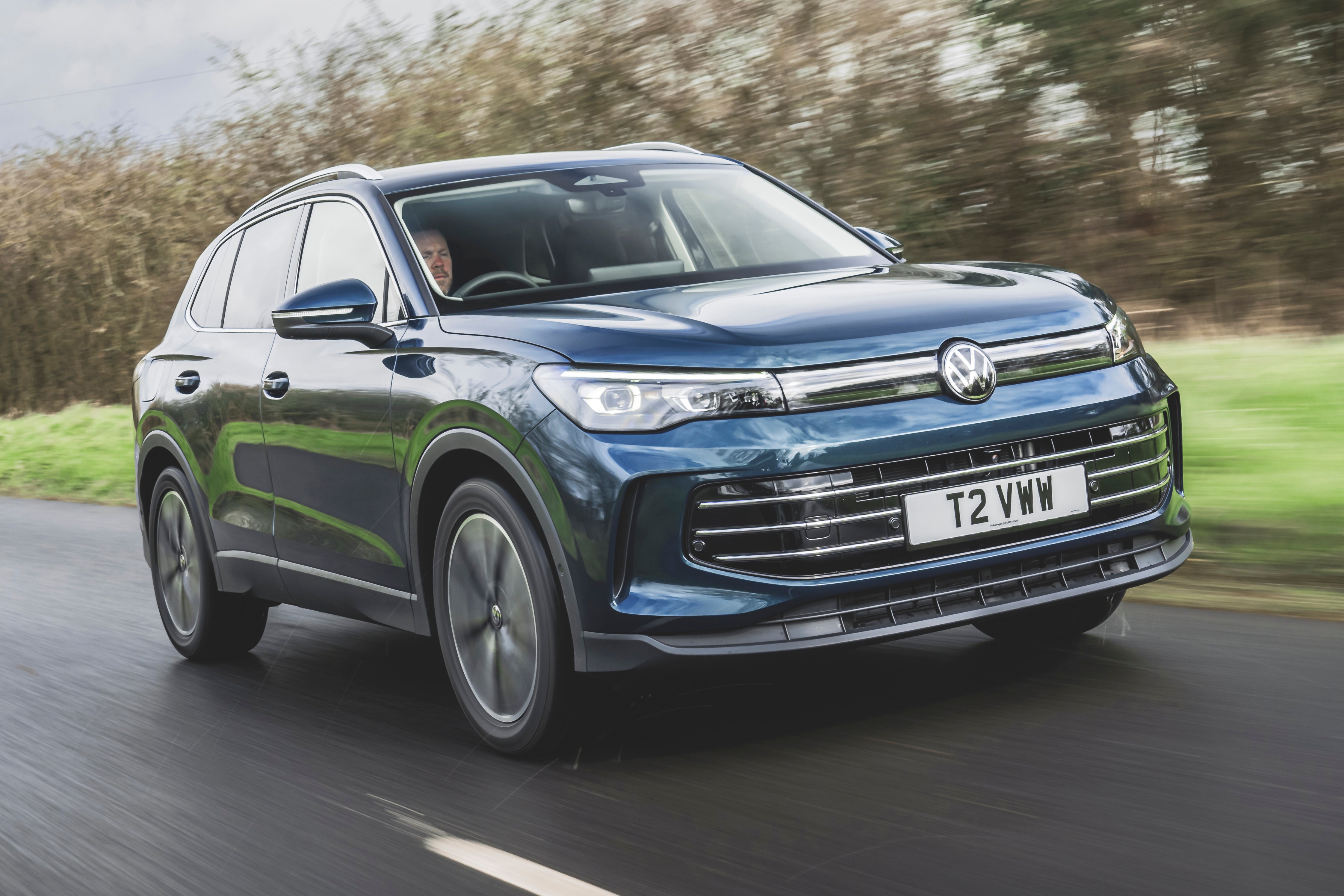
The Volkswagen Tiguan feels more polished and upmarket inside. It offers a broad engine range and an especially spacious cabin, although its touchscreen-heavy interface has usability frustrations of its own.
The Peugeot 3008 has a more distinctive interior and offers electric and hybrid power. Its dramatic dashboard will appeal to some buyers and frustrate others, while rear visibility is poorer than it is in the Mazda.
The Citroen C5 Aircross places a stronger emphasis on comfort. It is softer and less engaging than the CX-5, but will suit buyers who prioritise ride quality over cornering composure.
What's the interior like in the Mazda Cx 5?
The Mazda CX-5 has a cleanly designed and spacious cabin, but the quality of some materials and the reduction in physical controls prevent it from feeling as polished as the best alternatives.
Mazda Cx 5 boot space and practicality
The latest Mazda CX-5's bigger body means a bigger boot. There's a 61-litre increase in boot capacity with the rear seats in place, providing a generous 583 litres. That makes the specification-dependent 455-504 litres offered by the Nissan Qashqai quite miserly, although it's not quite enough to outrank others. The Kia Sportage does slightly better at 587-591 litres. It's a very usable space, the boot floor sitting flat to the boot opening as standard. Some versions have a limited amount of space under the boot floor, too, although cars with the upgraded sound system will find most of that cavity taken up by a subwoofer.
The rear seats fold in a 40:20:40 split, and if you fold them down, you'll have a cavernous 2019 litres to play with.
Interior space is considerably improved on the outgoing model. At the back, the doors open wider – almost to 90 degrees from the car – to allow easier access, and a longer wheelbase means lots of legroom for those in the back, too. Headroom is excellent, even in cars with the panoramic sunroof fitted and even in the middle seat.
There's a storage area under the central armrest, and just in front of that, you will find two small storage trays and a pair of cupholders. A tray for your phone by the armrest also serves as a wireless charger in higher-spec models. In the back, you'll find door storage and pockets in the back of the front seats in higher-spec models.
Mazda Cx 5 dimensions
The Mazda CX-5 measures 4,690mm long, 1,860mm wide and 1,690mm high.
Its overall width rises to 2,077mm when the door mirrors are included. That figure is worth remembering when entering narrow garages, width restrictions or older multi-storey car parks.
The CX-5 is 115mm longer than its predecessor, with most of the increase used to stretch the wheelbase. It is also 15mm wider.
The extra size is noticeable in the cabin but does not make the car especially difficult to manoeuvre. The steering is light at lower speeds and every version includes parking sensors and a reversing camera.
Higher trims add a 360-degree camera, which is useful when positioning the car close to kerbs or in tighter parking bays.
Ground clearance is 205mm when unladen. That is enough for rough tracks, deep road edges and poor weather, although the CX-5 remains a road-focused family SUV rather than a dedicated off-roader.
Tech and infotainment in the Mazda Cx 5
Having been a bastion of common sense for some time with its use of proper buttons, Mazda has jumped on the bandwagon by binning a lot of the physical controls in the latest CX-5 and using a massive touchscreen instead. It's a disappointing move, especially when other brands are starting to go the other way, citing negative customer feedback to touchscreen-overreliance.
It means that now you need to use the touchscreen for climate functions, although these are at least displayed permanently along the bottom, so you won't need to faff about just to change the temperature. The rotary controller for the infotainment system has also gone. This is also a shame; we always found that far easier to use on the move than a touchscreen.
There are two touchscreen sizes to pick from – a 12.9-inch unit or a 15.6-inch alternative on the top-spec Homura – while all versions use a 10.25-inch digital instrument cluster. The infotainment runs on Google's Android operating system, which means there's no need to link up your phone to access your favourite apps like Spotify and Google Maps. Instead, you can simply download compatible apps straight onto the system.
Apple CarPlay and Android Auto are still included on every model, although disappointingly, the entry-level Prime-Line model makes do with a basic wired version.
All models except the entry-level Prime-Line get a head-up display, which projects key driving information onto the windscreen in front of the driver. Lower trim levels have an eight-speaker sound system, while Exclusive-Line and Homura CX-5s get a 12-speaker Bose surround sound system, which sounds pretty good.
Materials available on the Mazda Cx 5
At first glance, the Mazda CX-5's interior looks like a quality environment, and in fairness the main touch points, such as the steering wheel, feel solid and well-made.
But there are a few more hard plastics than we'd expect for a car at this price point, especially in the top-spec Homura car, which tops £40,000 when new. The top of the dash is free from soft-touch materials, and the top of the doors are pretty hard and brittle-feeling, too, as is the surface of the centre console. Compared to its rivals, it lacks the premium edge you might hope for.
What's the Mazda Cx 5 like to drive?
The Mazda CX-5 is more composed and engaging than many mainstream family SUVs on a flowing road, but its engine, gearbox and ride quality stop it from feeling genuinely sporty.
Mazda Cx 5 range and performance
From the latest Mazda CX-5's launch there's just one engine available. The firm is still dogmatically sticking with non-turbocharged petrol engines, which are borderline extinct everywhere else now, albeit with limited mild hybrid assistance in the form of a 24-volt system, rather than the more common 48V systems seen in rival cars.
Replacing the outgoing CX-5's 2.0-litre engine, the four-cylinder 2.5-litre e-Skyactiv G unit is less powerful despite the capacity increase. Its output has dropped from 165PS to 140PS, while torque is up by 28Nm to 241Nm.
For a supposedly sporty car, performance is both leisurely (with a 10.5-second 0-62mph time in the front-wheel drive version) and noisy, with a cacophony of wheezing when you put your foot down to try and eke out some progress. It's better in the mid-range when you're flowing around fun roads, but we found ourselves wanting more power. The front-wheel drive model feels slightly perkier than the all-wheel drive model, and is 0.4 seconds quicker to 62mph.
The six-speed automatic gearbox doesn't help. It's competent enough around town or at a cruise, but even with the paddle shifters on higher-spec cars, it's too slow to react and again feels outdated compared to a lot of rivals. There's no manual option, which is a shame, because Mazda's manual gearboxes are brilliant.
Performance data
| Model | Engine/battery size | Power | 0-62mph | Range/MPG |
|---|---|---|---|---|
CX-5 front-wheel drive | 2.5-litre petrol mild hybrid, automatic, front-wheel drive | 141PS | 10.5 seconds | Up to 40.4mpg |
CX-5 all-wheel drive | 2.5-litre petrol mild hybrid, automatic, four-wheel drive | 141PS | 10.9 seconds | Up to 38.2mpg |
Mazda Cx 5 driving and refinement
For a car (and, indeed, a brand) that markets itself as the driver's choice, a car with a sporty vibe, the Mazda CX-5 is rather underwhelming when you first set off. Thoughts of direct steering and a feeling of a direct connection with the road are quickly abandoned for a rather run-of-the-mill experience around town and a rather firm ride.
However, once the road opens up and starts flowing, the CX-5 comes into its own rather well, with impressive composure and agility when changing direction. The steering weights up well through the corners to give you good precision, and it's probably the most engaging SUV of this type when the going gets fun. The brakes are solid and progressive, and on twisting roads, the CX-5 can be quite fun.
It's reasonably competent around town, too. The steering is light enough for easy manoeuvring, and visibility is good, too, aided by a camera system on all models. It feels confident on the motorway, although there's rather too much road noise, not to mention the engine noise that we'll discuss below.
Refinement is also mixed. Wind noise is controlled reasonably well, but tyre noise becomes noticeable on coarse motorway surfaces.
The engine is the main source of disturbance. Gentle cruising is acceptable, but acceleration brings a pronounced and not especially pleasant engine note into the cabin.
How safe is the Mazda Cx 5?
Euro NCAP awarded the Mazda CX-5 five stars in 2025.
It scored 90 per cent for adult-occupant protection, 89 per cent for child-occupant protection, 93 per cent for vulnerable-road-user protection and 83 per cent for safety assistance.
The passenger compartment remained stable during the frontal-offset test. Protection of the driver’s chest was rated marginal, but protection of the other main body areas was good or adequate.
The CX-5 scored maximum points in the side-barrier test and performed strongly in the more severe side-pole assessment. Its centre airbag also provided good protection against occupants striking one another in a side impact.
Child protection was especially strong. The CX-5 scored maximum points for the six and ten-year-old dummies in the frontal-offset and side-barrier tests, and Euro NCAP confirmed that the recommended child restraints could be installed correctly.
The autonomous emergency braking system performed very well when responding to pedestrians, cyclists, motorcyclists and other vehicles. The car also includes technology designed to warn occupants before opening a door into the path of a cyclist.
Standard i-Activesense safety equipment includes autonomous emergency braking, blind-spot monitoring, rear cross-traffic alert, adaptive cruise control, lane support, driver monitoring, traffic-sign recognition and emergency assistance.
The system can bring the CX-5 to a controlled stop if it detects that the driver has become unresponsive.
Running costs: What it's like to live with a Mazda Cx 5
The CX-5’s six-year warranty is reassuring, but its petrol engine is less efficient than the hybrid systems available in many rivals.
Mazda Cx 5 fuel economy
Mazda quotes up to 40.4mpg for front-wheel-drive versions of the CX-5.
All-wheel-drive cars manage up to 38.2mpg. The difference is not enormous, but it reinforces the case for choosing front-wheel drive unless the extra traction is genuinely needed.
During testing, both versions struggled to move much beyond 35mpg. Driving style and conditions will affect the result, but that figure illustrates the limitations of the mild-hybrid system.
The 24-volt assistance can recover energy during deceleration and support the engine under certain conditions, but it cannot move the car on electric power in the way a full hybrid can.
A petrol Kia Sportage achieves broadly similar official figures, but that car is also available as a much more efficient full hybrid or plug-in hybrid.
The Nissan Qashqai mild hybrid can approach 45mpg officially, while its e-Power system offers stronger urban efficiency and electric-like response.
Drivers covering high mileages or spending significant time in towns may therefore find the Mazda expensive to fuel compared with a full-hybrid alternative.
Mazda Cx 5 warranty and servicing
Mazda covers the CX-5 with a six-year or 100,000-mile manufacturer warranty.
That is substantially more generous than the three-year cover traditionally offered by several Japanese and European rivals, although Kia still goes one year further with the Sportage.
The longer warranty should provide useful reassurance for private buyers planning to keep the car beyond a typical three or four-year finance agreement.
Mazda also provides roadside assistance initially, with ongoing cover depending on the servicing and assistance terms applicable at the time.
The naturally aspirated petrol engine is relatively straightforward in mechanical terms, and Mazda has a generally respectable reputation for dependability. The new CX-5’s electronics and infotainment system are less proven, however.
Service intervals and current maintenance pricing should be confirmed with a Mazda retailer when ordering. Buyers can also compare the cost of a Mazda service plan with paying separately for scheduled work.
Mazda Cx 5 insurance groups
Insurance groups for the latest Mazda CX-5 had not been confirmed at the time of writing.
The rating is likely to vary by trim and drivetrain, with the more expensive all-wheel-drive Homura expected to cost more to insure than a front-wheel-drive Prime-Line.
The CX-5’s standard safety equipment and moderate performance may help keep premiums reasonable, but its value, parts prices and repair complexity will also influence quotations.
Buyers should obtain an insurance quote for the exact version before ordering rather than relying on the rating of the previous-generation car.
How much does it cost to tax a Mazda Cx 5?
For 2026 to 2027, the standard annual VED rate after the first year is £200.
Cars with an original list price above £40,000 attract the £440 Expensive Car Supplement for five years from the start of the second licence.
The Homura AWD has a standard price of £40,950, so it exceeds the threshold before any options are added. Other versions may also cross the line once factory-fitted extras are included.
The original official list price is used rather than any dealer discount, finance contribution or negotiated transaction price.
During the supplement period, an affected CX-5 will therefore cost £640 a year in VED. Once the five-year supplement period ends, the car returns to the standard annual rate.
What trims are available with the Mazda Cx 5?
The Mazda CX-5 range consists of Prime-Line, Centre-Line, Exclusive-Line and Homura.
Prime-Line includes 17-inch alloy wheels, LED headlights, black cloth upholstery, manually adjusted front seats, the 12.9-inch touchscreen, a 10.25-inch digital driver display, dual-zone climate control, wired Apple CarPlay and Android Auto, a reversing camera, front and rear parking sensors, adaptive cruise control and blind-spot monitoring.
It is the least expensive version and should also provide the best ride quality thanks to its smaller wheels. The equipment list is generous enough to prevent it feeling like a stripped-out entry model.
Centre-Line adds 19-inch black alloy wheels, a powered tailgate, tinted rear windows, gloss-black roof rails, heated door mirrors, synthetic-leather and suede upholstery, an electrically adjustable driver’s seat, heated front seats, a heated steering wheel, a head-up display, wireless smartphone connectivity and keyless entry.
Exclusive-Line adds a 360-degree camera, panoramic sunroof, electrically adjustable front passenger seat, heated rear seats, rear USB-C sockets and a 12-speaker Bose sound system. It is also the first trim available with optional all-wheel drive.
Homura tops the range with darker lower-body trim, signature daytime running lights, leather upholstery, ventilated front seats, seven-colour ambient lighting, the 15.6-inch infotainment display, shift paddles and a hands-free powered tailgate.
Prime-Line provides the strongest value and the most comfortable wheel choice. Centre-Line is the better all-round specification for buyers who want heated seats, a powered boot and wireless smartphone integration.
Exclusive-Line and Homura add plenty of equipment, but their higher prices make the CX-5’s performance and material-quality weaknesses more difficult to overlook.
Ask the Drive experts: common questions
Is the Mazda CX-5 a good family SUV?
Is the Mazda CX-5 available as a hybrid?
Is the Is the Mazda CX-5 a seven-seater?
Can the Mazda CX-5 tow?
Get our latest advice, news and offers
Keep me updated by email with the latest advice, news and offers from Drive.