Suzuki Vitara Review

Written By Andrew Brady
- 2015
- SUV
- Petrol mild hybrid
What we love
Comfortable and easy to drive
Generous equipment for the money
Optional ALLGRIP four-wheel drive
Things to consider
Cabin looks and feels dated
Boot is smaller than those of several rivals
Motorway refinement could be better
The DRIVE take on the Suzuki Vitara, is it the right car for you?
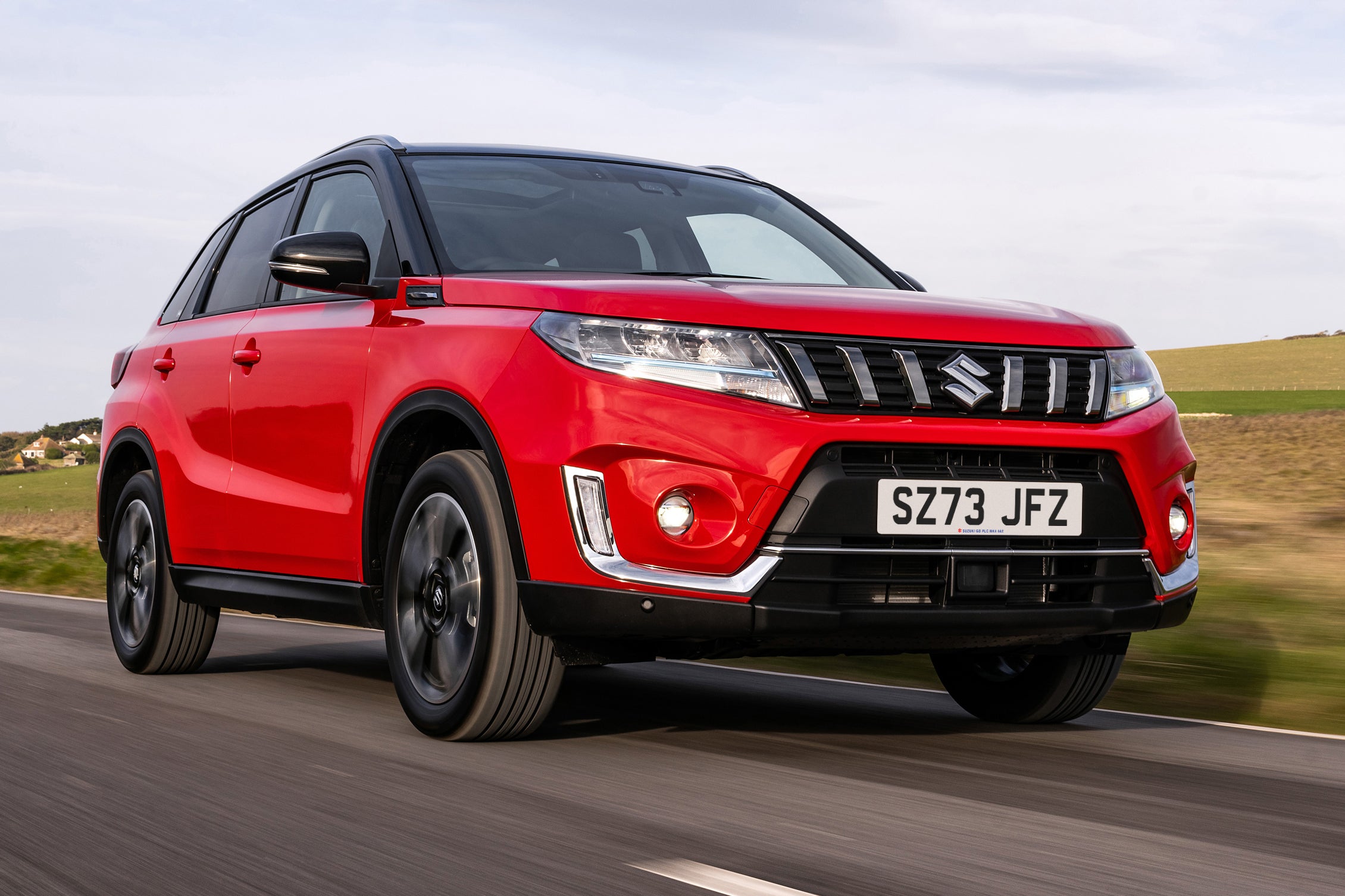
The Suzuki Vitara is a sensible small SUV for buyers who value straightforward controls, generous equipment and compact dimensions. It’s comfortable around town, easy to manoeuvre and more capable in poor weather than most rivals when fitted with ALLGRIP four-wheel drive. The 1.4-litre mild-hybrid petrol engine is reasonably economical, while the lightweight body helps the Vitara feel responsive enough for everyday driving.
The interior looks dated next to a Renault Captur or a Skoda Kamiq, and the 362-litre boot is relatively small. Nevertheless, the Vitara is refreshingly uncomplicated, well equipped from entry level and particularly attractive when Suzuki’s substantial customer discounts are taken into account.
The Suzuki Vitara in more detail
The Suzuki Vitara is one of the longest-serving small SUVs currently on sale. This generation arrived in 2015, although it has received several updates to keep it competitive. A 2019 facelift brought revised styling, improved interior materials and updated engines. Mild-hybrid technology followed in 2020, while a 1.5-litre full hybrid joined the range in 2022. The most recent facelift, introduced for the 2025 model year, brought a redesigned front end, improved infotainment and more comprehensive safety technology.
Despite those changes, the Vitara’s age remains apparent inside. The dashboard is straightforward, the instrument panel still uses analogue dials and some of the plastics feel basic compared with those in newer rivals.
There are advantages to that simplicity, though. The major controls are logically positioned, visibility is good and the compact dimensions make the car easy to manoeuvre.
The current UK range is relatively straightforward. Every new Vitara uses a 1.4-litre Boosterjet mild-hybrid petrol engine producing 109PS, paired with either a six-speed manual or six-speed automatic gearbox. This replaces the earlier 129PS version of the 1.4 Boosterjet mild hybrid, which was fitted to cars sold before the latest powertrain update, including 2025 models. Used buyers will therefore encounter two different power outputs in otherwise similar-looking Vitaras.
Front-wheel drive is standard, with Suzuki’s ALLGRIP Select four-wheel-drive system available on selected Ultra models and the Kuro special edition. ALLGRIP can direct power to the rear wheels when additional traction is required, making it particularly useful on slippery rural roads, muddy tracks and snow-covered surfaces.
Unlike the full-hybrid system previously offered, the current mild hybrid can’t propel the Vitara on electricity alone. Its electric motor instead assists the petrol engine during acceleration and recovers energy when slowing down.
This review covers the petrol-powered Vitara. The all-electric Suzuki e Vitara is a completely different model and is reviewed separately.
What's the best Suzuki Vitara trim and engine option?
The Suzuki Vitara 1.4 Boosterjet Mild Hybrid Motion manual is the best choice for most buyers. Motion isn’t a stripped-out entry model – it includes a nine-inch touchscreen with navigation and wireless Apple CarPlay and Android Auto, adaptive cruise control, blind-spot monitoring, keyless entry and start, a reversing camera, rear parking sensors and automatic climate control.
The manual also makes the strongest case for economy, returning up to 53.2mpg. Its light gearshift suits the Vitara’s straightforward character, and the 109PS engine provides adequate performance for everyday use.
Ultra adds a panoramic sunroof, suede upholstery, polished alloy wheels, front parking sensors and electrically folding mirrors. Those features make the car feel more inviting but aren’t essential.
ALLGRIP is worth considering if you regularly drive on slippery rural roads, use muddy tracks or want the reassurance of four-wheel drive in winter.
Used buyers should also look out for the earlier 129PS mild-hybrid manual. It offers noticeably stronger performance and can represent excellent value compared with a brand-new car.
What’s the price of the Suzuki Vitara?
The Suzuki Vitara starts at £27,299 for the Motion manual, rising to £28,899 with the automatic gearbox. Ultra manual models cost £28,999, or £30,599 with the automatic. Adding ALLGRIP takes the Ultra manual to £30,799, while the automatic ALLGRIP costs £32,399. The Kuro special edition costs £31,499 with a manual gearbox or £33,099 as an automatic.
At the time of writing in late 2026, Suzuki is currently offering a £5,300 customer saving across the range, reducing prices to between £21,999 and £27,799. That makes the Vitara much more competitive against newer small SUVs.
There are also plenty of used examples available for considerably less, including the more powerful 129PS mild-hybrid models and earlier full hybrids.
Alternatives to the Suzuki Vitara
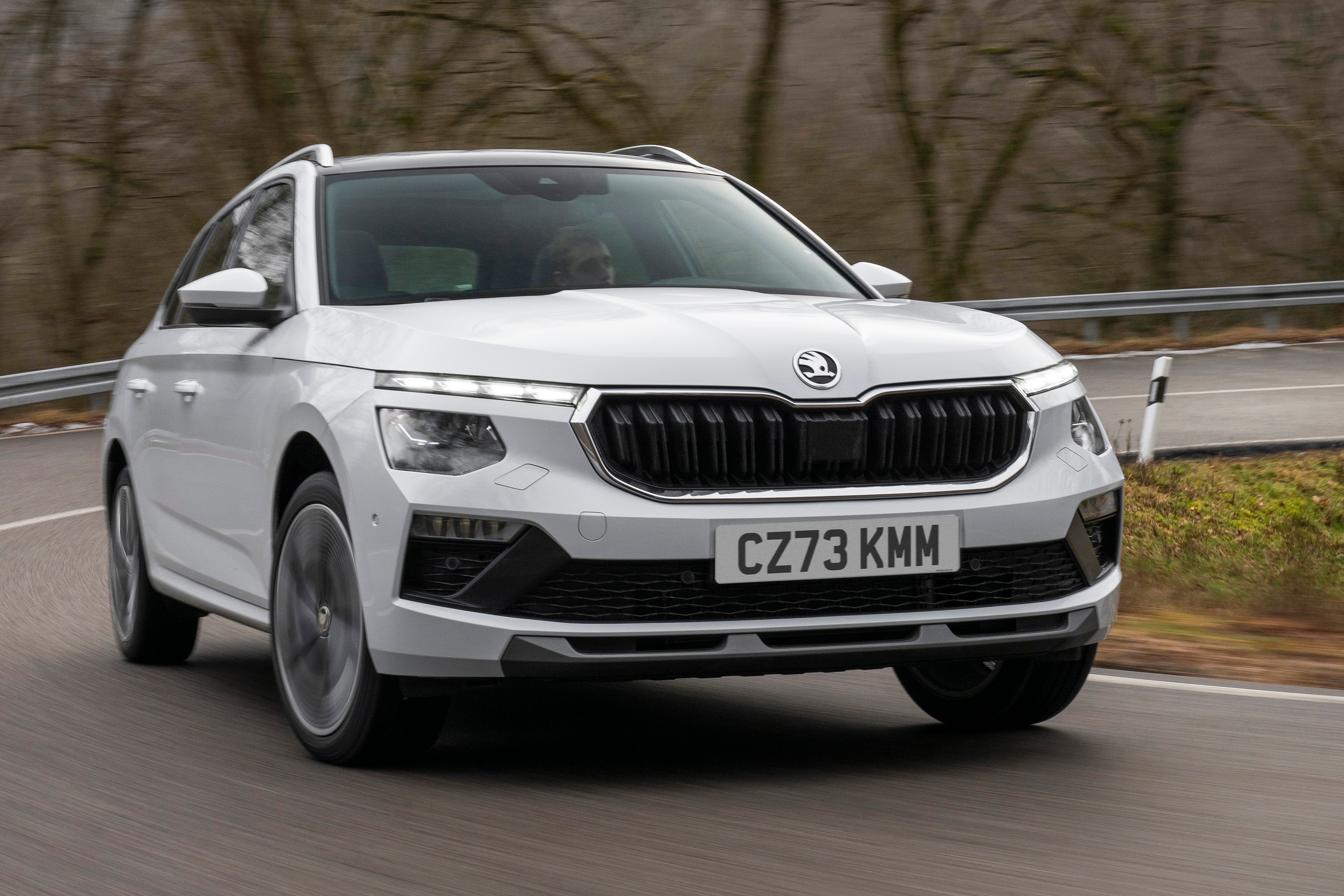
The Skoda Kamiq has a more sophisticated cabin, a larger boot and better motorway refinement. It’s one of the strongest all-round alternatives, although four-wheel drive isn’t available.
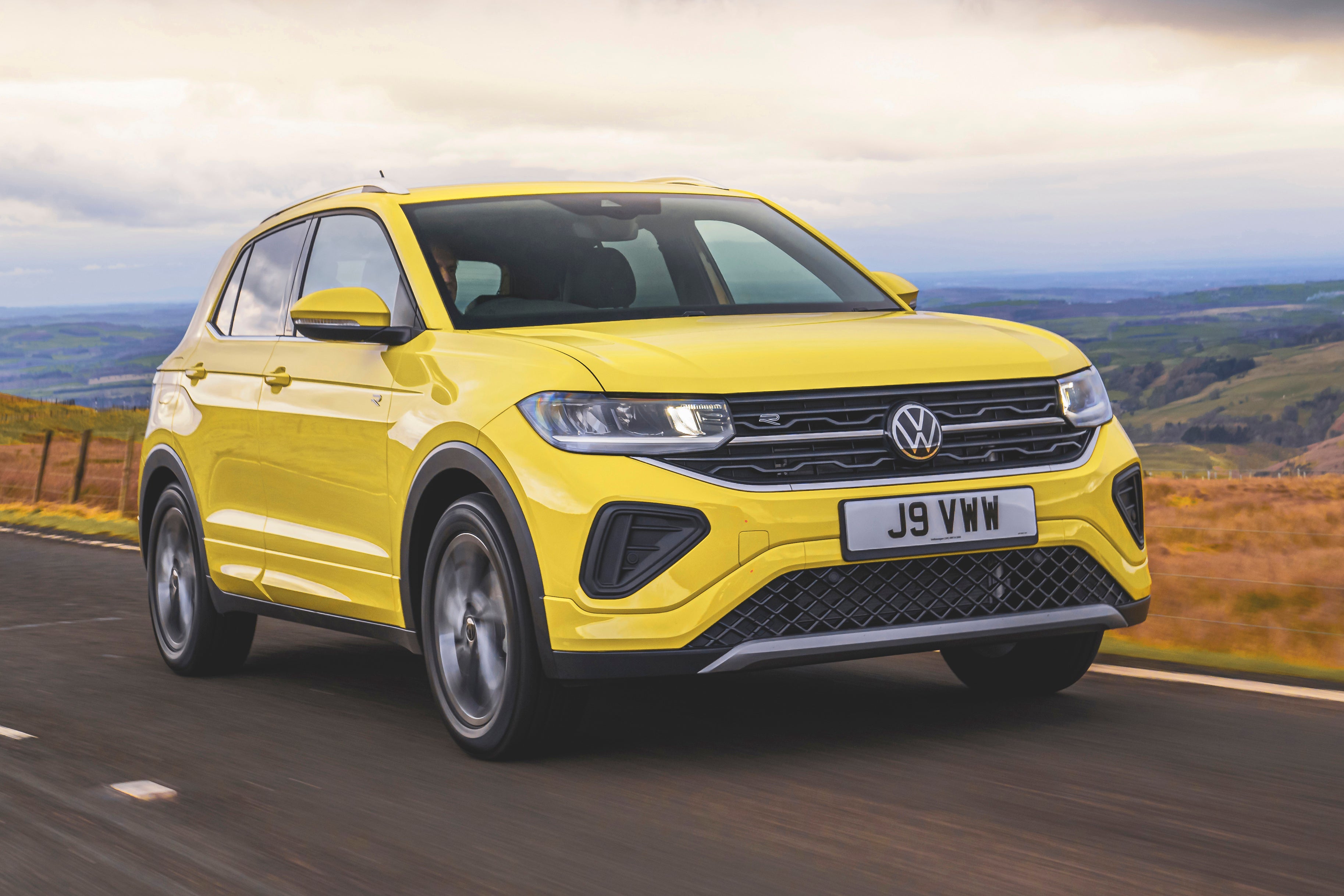
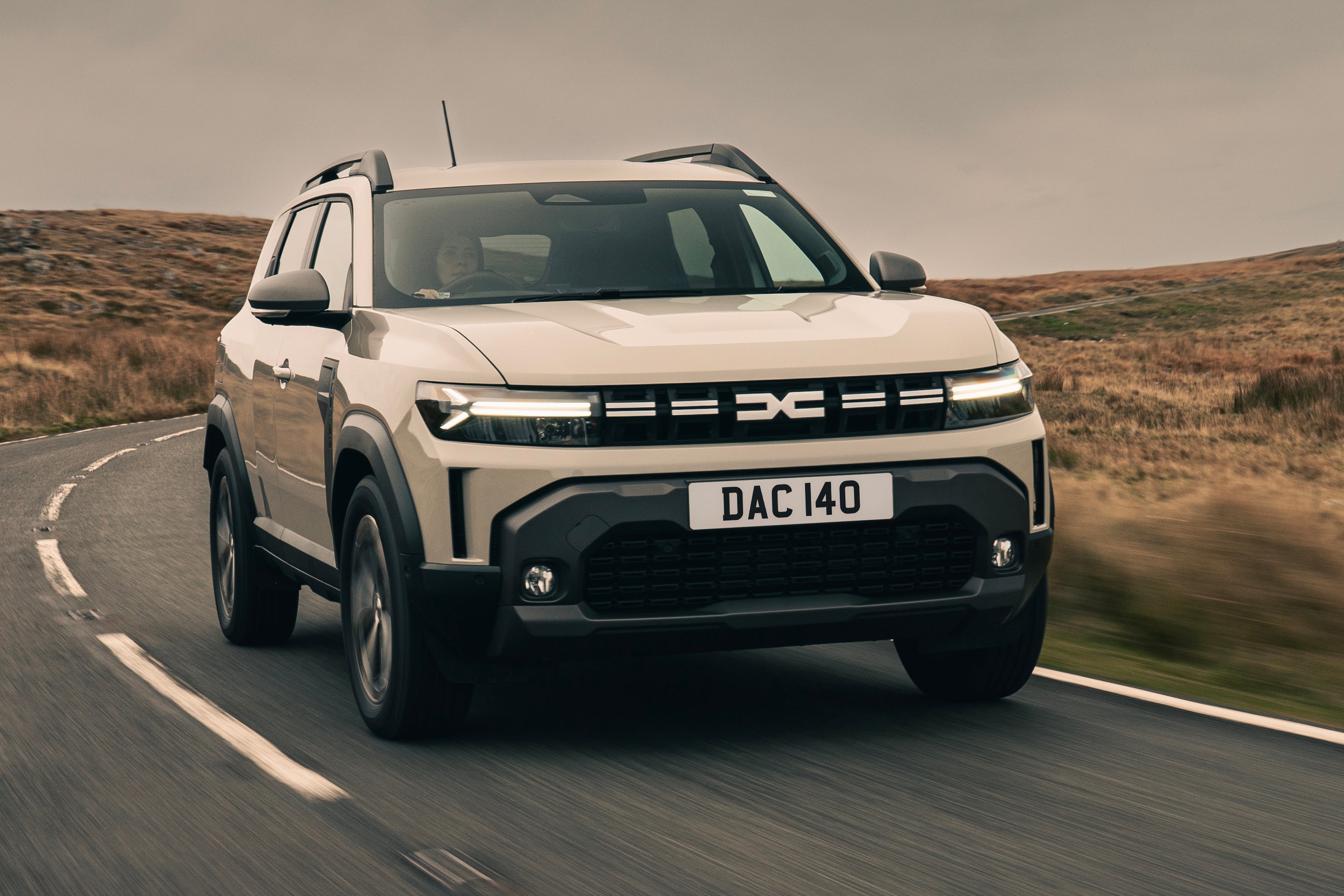
The Volkswagen T-Cross is similarly easy to drive and adds a sliding rear bench for greater practicality, while the Dacia Duster offers more space, stronger off-road capability and excellent value. Four-wheel drive is also available, making it a natural alternative to an ALLGRIP Vitara.
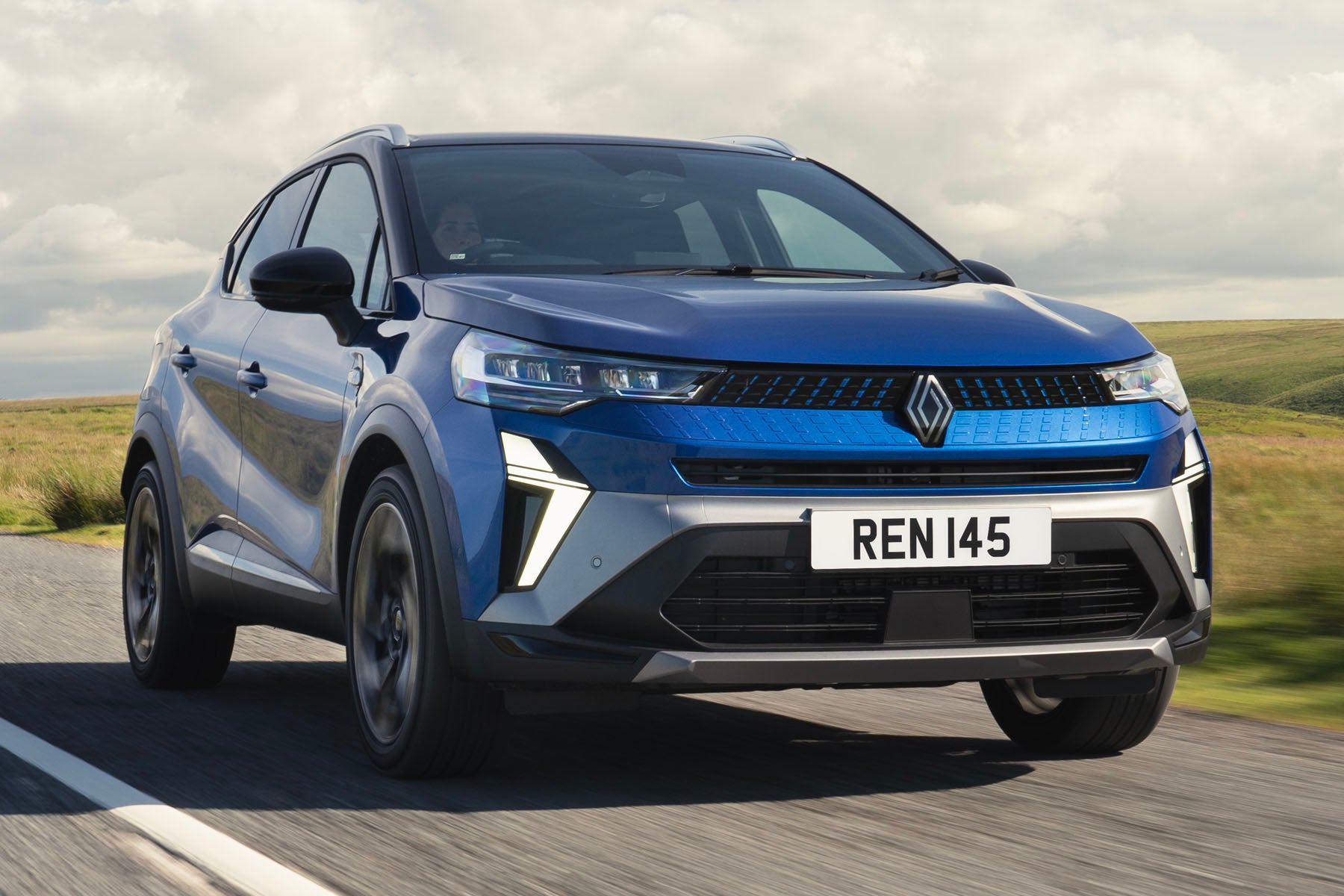
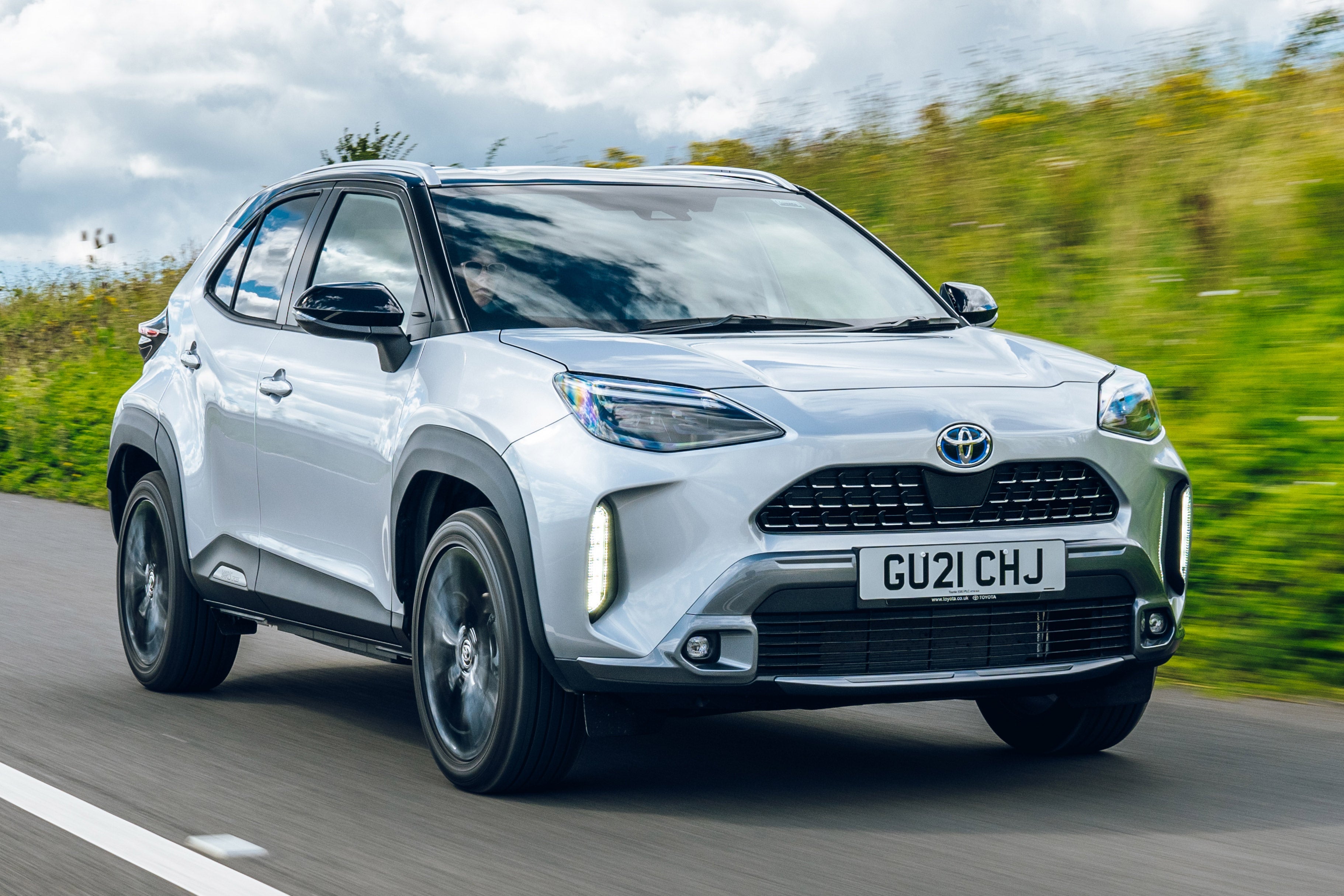
The Renault Captur feels more modern inside and has an adaptable rear bench, while its full-hybrid drivetrain is particularly economical in urban driving. The Toyota Yaris Cross also benefits from efficient full-hybrid power, although its engine can become noisy under acceleration.
The Ford Puma offers sharper handling and a larger, more versatile boot, making it a better choice for buyers who enjoy driving.
The Vitara counters with simpler controls, a lightweight feel, generous equipment and the unusual availability of four-wheel drive.
What's the interior like in the Suzuki Vitara?
The Vitara has a spacious, straightforward cabin that’s easy to use, although its design and materials feel dated beside newer small SUVs. There’s a nine-inch touchscreen with wireless Apple CarPlay and Android Auto, but conventional analogue instruments and physical controls remain.
Suzuki Vitara boot space and practicality
The Vitara makes good use of its compact dimensions, particularly when it comes to passenger space. There’s plenty of adjustment in the driver’s seat and steering wheel, while the raised seating position provides a good view of the road. The square body and large windows also make it easier to judge the car’s extremities than in many more heavily styled SUVs. Front occupants get useful door pockets, cupholders and centre-console storage, although none of it is particularly elaborate.
Rear-seat space is good for a car measuring comfortably under 4.2 metres long. Two adults can sit in the back without feeling particularly squeezed, with a useful amount of headroom and legroom. Ultra’s panoramic sunroof makes the cabin feel brighter but slightly reduces headroom. There are ISOFIX mounting points on the two outer rear seats.
The current mild-hybrid Vitara has a 362-litre boot with the rear seats upright. That’s usable enough for weekly shopping or a family weekend away, but smaller than those in a Skoda Kamiq, a Renault Captur or a Ford Puma. The boot itself is usefully square, with a double-height floor that provides some additional storage underneath. Fold the 60:40 split rear seats and luggage space increases to 642 litres. The backrests don’t fold entirely flat, but the boxy body provides a useful amount of space for taller items. Useful touches including a luggage-area light, bag storage and a 12V socket.
Used buyers should note that the previous 1.5-litre full hybrid has a smaller 289-litre boot, because its hybrid hardware takes up additional space.
Overall, the Vitara provides good passenger accommodation for its size, but buyers who regularly carry large amounts of luggage will find stronger alternatives.
Suzuki Vitara dimensions
The current Suzuki Vitara measures 4,185mm long and 1,775mm wide, with a wheelbase of 2,500mm. Motion is 1,600mm tall, while Ultra measures 1,595mm. Those dimensions make the Vitara noticeably more compact than many modern small SUVs, which is particularly useful on narrow roads and in tight parking spaces.
The turning circle is a manageable 10.4 metres, while ground clearance is 175mm.
Tech and infotainment in the Suzuki Vitara
Every current Vitara gets a nine-inch central touchscreen, so there’s no need to choose a higher trim just to get the better infotainment system. The setup includes built-in satellite navigation, DAB radio, Bluetooth and wireless Apple CarPlay and Android Auto.
The interface is relatively simple rather than cutting edge. Its graphics and response times don’t match the best newer systems, but the menus are straightforward and smartphone connectivity means you can use familiar navigation and entertainment apps. Importantly, the Vitara retains conventional controls for its climate system and other frequently used functions. Changing the temperature or adjusting basic settings is therefore less distracting than in rivals that put everything on the touchscreen.
The instrument panel is more old-fashioned, with conventional analogue speedometer and rev-counter dials flanking a 4.2-inch colour information display.
Suzuki Connect is included with three years of connected services, allowing owners to check vehicle information, receive maintenance notifications and access certain remote functions through a smartphone app.
A reversing camera and rear parking sensors are standard on Motion, while Ultra adds front parking sensors. Automatic models also get adaptive cruise control with stop-and-go functionality.
Used buyers will find simpler infotainment systems in older models. Earlier SZ4 versions had basic audio equipment, while SZ-T and SZ5 introduced touchscreen navigation and smartphone connectivity.
It’s not the flashiest technology package in the class, but the current Vitara provides almost everything most drivers need.
Materials available on the Suzuki Vitara
The Vitara’s interior prioritises durability and simplicity rather than a premium feel. There’s some softer trim around the upper dashboard, but harder plastics cover much of the doors, centre console and lower dashboard. They feel robust enough, although the overall effect is less sophisticated than in a Skoda Kamiq or Renault Captur.
Motion comes with cloth upholstery featuring contrasting stitching, along with conventional dashboard trim. Ultra upgrades the cabin with suede seat fabric, additional decorative detailing and the extra light provided by its panoramic sunroof. The Kuro special edition takes a darker approach, adding piano-black dashboard and console finishes alongside other black interior accents.
Everything feels logically put together, but the cabin’s basic architecture reveals the Vitara’s age more clearly than its exterior styling does.
What's the Suzuki Vitara like to drive?
The Vitara is light, composed and easy to drive, with responsive steering and a comfortable ride over most surfaces. Every current version uses the same 109PS mild-hybrid engine. The manual feels adequate rather than quick, while the automatic is faster to 62mph but less economical.
Front-wheel-drive versions feel light and agile, while ALLGRIP adds reassuring traction in poor conditions. There’s some body lean through bends, but the Vitara feels secure and predictable rather than cumbersome. Road and wind noise are more noticeable than in newer rivals at motorway speeds.
Suzuki Vitara range and performance
The current UK Suzuki Vitara uses a 1.4-litre Boosterjet four-cylinder turbocharged petrol engine, supported by a 48V mild-hybrid system. The petrol engine produces 109PS and 235Nm of torque, while a small electric motor provides additional assistance during acceleration.
Earlier examples of the same generation used different engines and power outputs. From 2020, the Vitara was available with a 129PS 1.4 Boosterjet mild hybrid. That version remained on sale in the facelifted 2025 range, paired with a six-speed manual gearbox. It was significantly quicker than the latest manual car, taking 9.5 seconds to reach 62mph with front-wheel drive or 10.2 seconds with ALLGRIP.
The 2025 range also offered a separate 1.5-litre full hybrid producing 115PS combined, paired with Suzuki’s six-speed AGS automated manual gearbox. It was more economical on paper but less responsive and smooth than the mild hybrid. Neither of those powertrains is part of the current new-car range.
For 2026, Suzuki revised the 1.4 mild-hybrid drivetrain to produce 109PS across both manual and conventional six-speed automatic versions. The front-wheel-drive manual reaches 62mph in 11.4 seconds, while the additional weight of ALLGRIP increases that to 12.2 seconds.
Interestingly, the automatic is quicker, despite having the same quoted output. Front-wheel-drive automatic models reach 62mph in 10.1 seconds, while the ALLGRIP automatic takes 11.0 seconds.
All current versions have a maximum speed of 111mph.
The Vitara’s relatively low weight helps compensate for the modest power output. The engine produces useful torque at low revs, making it responsive enough for normal driving.
Most buyers will find the front-wheel-drive manual perfectly adequate, although the earlier 129PS version is worth considering if you’re buying used and want stronger acceleration.
Performance data
| Model | Engine/battery size | Power | 0-62mph | Range/MPG |
|---|---|---|---|---|
Vitara 1.4 Boosterjet Mild Hybrid manual | 1.4-litre mild hybrid | 109PS | 11.4 seconds | Up to 53.2mpg |
Vitara 1.4 Boosterjet Mild Hybrid ALLGRIP manual | 1.4-litre mild hybrid | 109PS | 12.2 seconds | Up to 52.33mpg |
Vitara 1.4 Boosterjet Mild Hybrid automatic | 1.4-litre mild hybrid | 109PS | 10.1 seconds | Up to 49.5mpg |
Vitara 1.4 Boosterjet Mild Hybrid ALLGRIP automatic | 1.4-litre mild hybrid | 109PS | 11.0 seconds | Up to 47.8mpg |
Suzuki Vitara driving and refinement
The Vitara’s low weight is immediately obvious from behind the wheel. The steering is light enough for easy urban driving without feeling completely disconnected on faster roads, while the compact body makes it straightforward to thread through narrow streets or position in a parking space.
Ride comfort is generally good. The suspension absorbs most everyday bumps without becoming overly soft, although sharper imperfections can send more movement through the body than you’d experience in something such as a Skoda Kamiq.
On a country road, the Vitara feels neat and predictable. There’s a reasonable amount of body lean, but grip is reassuring and the car changes direction without feeling cumbersome. It isn’t a particularly sporting SUV, though. A Ford Puma provides more accurate steering and better body control if driving enjoyment matters.
The latest 109PS engine works best at low and medium revs, where its 235Nm torque output means you don’t need to work it especially hard. The manual gearbox has a light action and suits the straightforward character of the car. The automatic makes urban driving easier and works well with stop-and-go adaptive cruise control, although it comes with a noticeable fuel-economy penalty.
Older 129PS mild-hybrid versions feel more energetic when accelerating and are worth considering if you want stronger performance without sacrificing the Vitara’s basic simplicity.
ALLGRIP versions feel much the same in ordinary road driving. In Auto mode they prioritise front-wheel drive and send torque rearwards when required, while Snow and Lock modes provide extra reassurance when surfaces become slippery.
Motorway refinement is one area where the Vitara shows its age. Engine noise settles reasonably well at a cruise, but wind and tyre noise are more noticeable than in the best modern rivals.
Overall, it’s comfortable, predictable and easy to drive rather than especially refined or entertaining.
How safe is the Suzuki Vitara?
Independent safety organisation Euro NCAP awarded the Suzuki Vitara five stars in 2015, with scores of 89% for adult protection, 85% for child protection, 76% for pedestrian protection and 75% for safety assistance. However, that rating expired in January 2022 and shouldn’t be compared directly with ratings achieved under today’s tougher testing standards. There’s no separate current Euro NCAP rating for the latest facelifted Vitara.
Current UK models have substantially more active safety equipment, including autonomous emergency braking, adaptive cruise control, lane-departure prevention, blind-spot monitoring, rear cross-traffic alert, traffic-sign recognition and driver monitoring. Intelligent speed assistance and automatic high-beam assistance are also standard.
Running costs: What it's like to live with a Suzuki Vitara
The Vitara should be relatively inexpensive to run, particularly with the front-wheel-drive manual. Insurance groups start at 17 of 50, while no version is expensive enough to attract the Expensive Car Supplement.
Suzuki Vitara fuel economy
The most economical current Vitara is the front-wheel-drive manual, which officially returns up to 53.2mpg. The manual ALLGRIP manages 52.3mpg, so four-wheel drive carries only a modest economy penalty with this gearbox.
Automatic versions use noticeably more fuel. The front-wheel-drive automatic returns 49.5mpg in Motion trim or 48.7mpg in Ultra specification, while the ALLGRIP automatic manages 47.8mpg.
Those figures are respectable for a petrol-based SUV, although full-hybrid rivals such as the Toyota Yaris Cross and the Renault Captur E-Tech are generally more economical in urban driving.
The previous 129PS mild-hybrid manual was also capable of up to 53.2mpg, while the discontinued 1.5-litre full hybrid achieved up to 56.4mpg under WLTP testing.
Suzuki Vitara warranty and servicing
Every new Suzuki Vitara comes with a three-year/60,000-mile manufacturer warranty. After that, Suzuki’s Service Activated Warranty can provide a further 12 months of cover following each qualifying service at a Suzuki service partner. This can continue until the car reaches 10 years old or 100,000 miles, whichever comes first, subject to the relevant annual or mileage limits and must be renewed through qualifying servicing.
Cars without a complete Suzuki service history may still be eligible following a vehicle health check, although identified faults must be rectified before they can be covered.
The current 1.4-litre Boosterjet mild hybrid has a service interval of 12 months or 12,500 miles, whichever comes first.
Used buyers should check the applicable schedule because intervals vary between older engines.
Suzuki Vitara insurance groups
Current Suzuki Vitaras occupy insurance groups 17 to 20, depending on gearbox and drivetrain. Manual Motion and Ultra models generally sit in group 17, including ALLGRIP versions. Front-wheel-drive automatics rise to group 20, while the ALLGRIP automatic typically sits in group 19.
That places the Vitara around the middle of the small-SUV market rather than making it exceptionally cheap to insure. Older models span a wider range of groups because of their different engines and equipment.
How much does it cost to tax a Suzuki Vitara?
Vitaras registered from 1 April 2017 pay the standard annual Vehicle Excise Duty rate of £200 from the second licence. Current models cost less than £40,000, so the Expensive Car Supplement does not apply.
Earlier cars registered before April 2017 use the previous emissions-based tax system, meaning annual rates vary by engine and registration date.
What trims are available with the Suzuki Vitara?
The current Suzuki Vitara range is based around Motion and Ultra, with Kuro offered as a special edition.
Motion is extremely well equipped for an entry-level model. It includes 17-inch alloy wheels, LED headlights, automatic lights and wipers, keyless entry and start, automatic climate control and an auto-dimming rear-view mirror. The nine-inch touchscreen includes satellite navigation and wireless Apple CarPlay and Android Auto, while Suzuki Connect provides three years of connected services.
Safety equipment is equally comprehensive. Adaptive cruise control, autonomous emergency braking, blind-spot monitoring, rear cross-traffic alert, lane-departure warning and prevention, lane-keeping assistance and traffic-sign recognition are all standard. A reversing camera and rear parking sensors are included, too.
Ultra builds on Motion with polished 17-inch alloy wheels, suede seat upholstery, electrically folding mirrors, front parking sensors and a double-sliding panoramic sunroof. It feels noticeably more special inside, although none of those additions fundamentally changes the driving experience.
Ultra also opens up the option of ALLGRIP Select four-wheel drive, with Auto, Sport, Snow and Lock driving modes.
The Kuro special edition comes with ALLGRIP and adds unique black alloy wheels, a black grille, black mirror housings, black exterior details and a rear spoiler. Inside are piano-black dashboard and console finishes, along with other dark accents.
Kuro doesn’t bring additional performance or mechanical changes, so its main attraction is its distinctive appearance.
Used buyers will also encounter earlier SZ4, SZ-T, SZ5 and Vitara S models, along with previous Motion and Ultra versions fitted with the 129PS mild hybrid or 1.5-litre full hybrid.
Ask the Drive experts: common questions
Is the Suzuki Vitara a full hybrid?
Is the Suzuki Vitara available with four-wheel drive?
How big is the Suzuki Vitara’s boot?
Which Suzuki Vitara is best?
Get our latest advice, news and offers
Keep me updated by email with the latest advice, news and offers from Drive.