12/10/2026
Best first cars in the UK: Top picks for 2026

Written By Mark Nichol
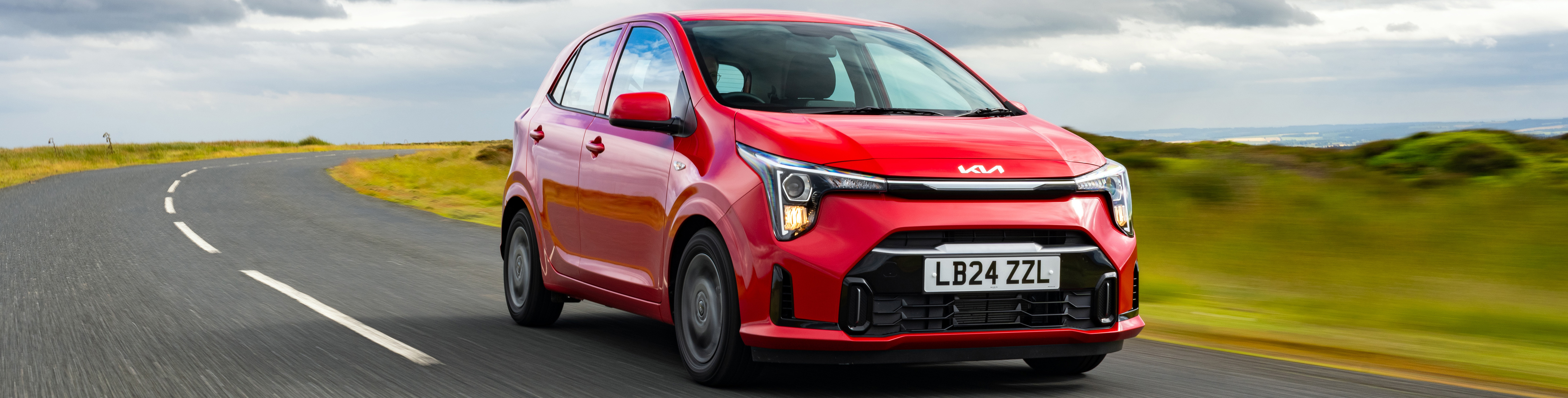
Remember your first car? Chances are it was small, cheap, slightly battered and had a manual gearbox. Maybe a Fiesta. A Corsa. A Polo with a suspicious dent in the passenger door. Whatever it was, you probably bought it second-hand because spending £20,000-plus on your first set of wheels would have been completely mad.
Things are changing, though. The traditional city car is slowly disappearing, while manual gearboxes are becoming increasingly rare. Even the new cars that remain at the small end of the market are more sophisticated, safer and better equipped than the first cars many of us learned to drive in.
And that creates an interesting question — what should you actually buy as your first car in 2026?
Well, we've picked ten of the best new cars for first-time drivers, covering everything from tiny petrol hatchbacks to surprisingly affordable electric cars. We've looked for cars that are easy to drive, easy to park and relatively cheap to run, but also ones that won't feel like punishment once you've passed your test and discovered that driving is, actually, quite good fun.
There are some obvious choices here, but a few surprises too. Because while your first car doesn't need to be exciting, there's no reason it should be dull either.
1. Kia Picanto
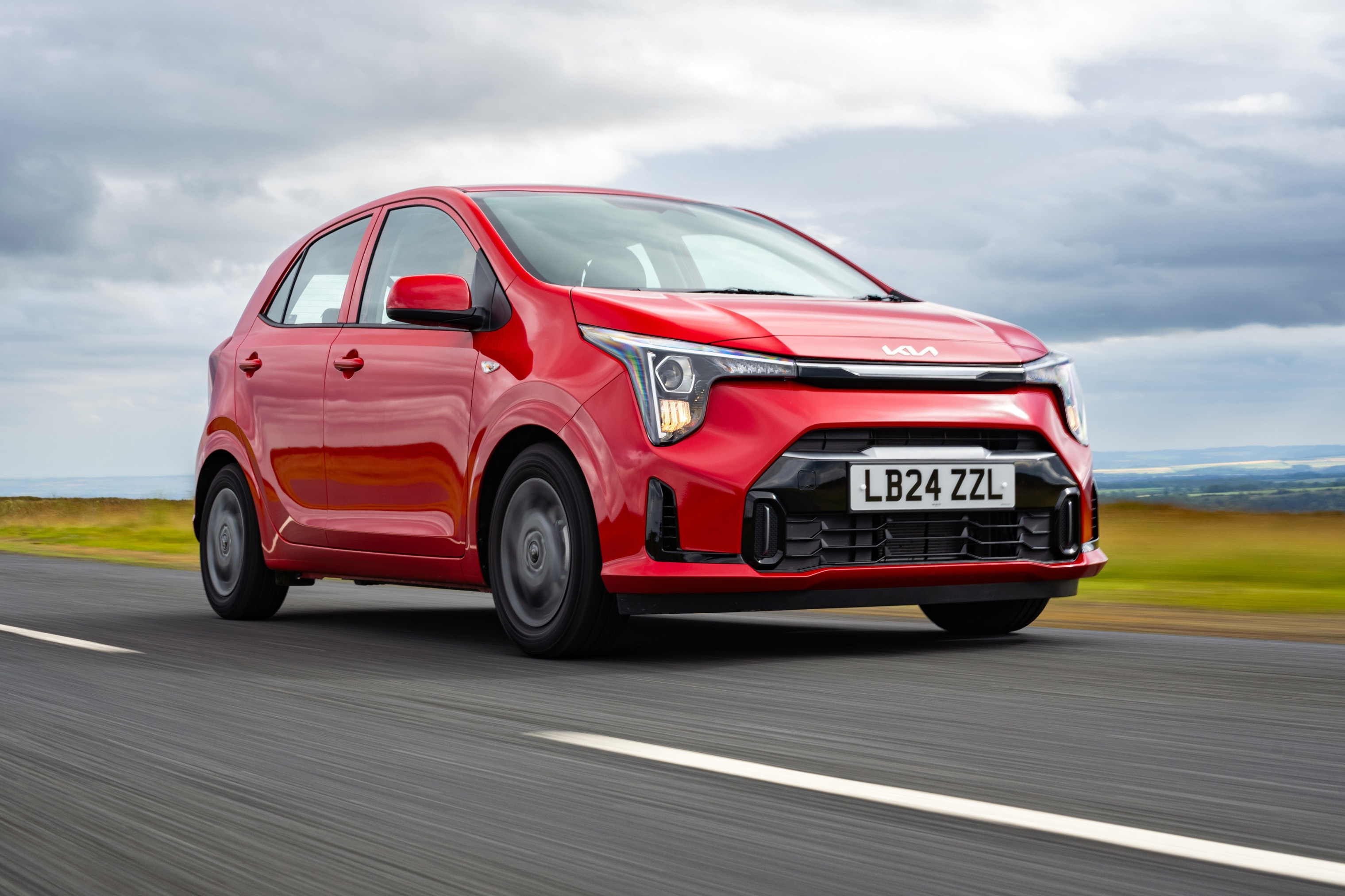
The Kia Picanto is one of the last survivors of the proper little city car brigade. It's tiny, cheap and wonderfully simple, which makes it tailor-made for someone who's only just worked out what all the pedals do.
The dimensions are the big selling point. It's well under four metres long, so parking is easy, visibility is good and narrow streets don't require quite so much clenching. Inside, there's enough room for four in reasonable comfort, while the 255-litre boot is perfectly adequate for shopping and the other stuff you're likely to carry.
Choice is limited to a 1.0-litre petrol engine with manual or automatic gearboxes. The manual starts in insurance group 3E on the current 1-50 scale, but the automatic is actually even cheaper to insure. Starting at 1E, it’s basically in scooter territory. The Picanto does something increasingly rare — it gives you a genuinely affordable brand new car. Kia's seven-year warranty is a mint bonus.
2. Volkswagen Polo
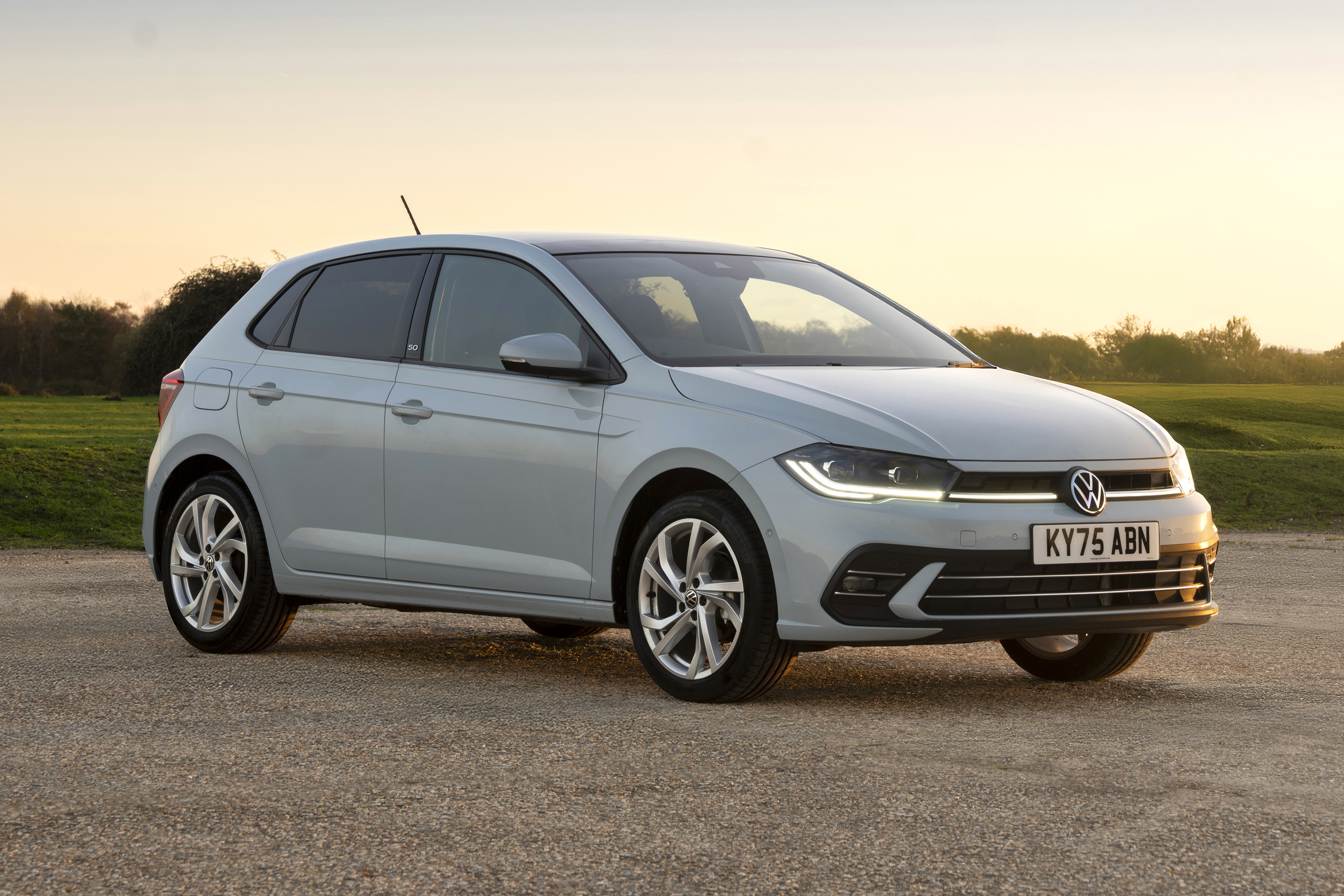
The Volkswagen Polo has been a first-car favourite for decades and there's a reason for that. It's small enough to be unintimidating when you're learning, but grown-up enough that you won't immediately want to replace it once you've mastered the art of parallel parking… If you ever do.
The current Polo is still a reassuringly simple car to drive, with light controls, good visibility and dimensions that make it easy to squeeze into tight spaces. Yet there's enough room inside for four adults and a useful 351-litre boot, so it isn't just a city runabout.
You can have it with a manual gearbox or Volkswagen's excellent seven-speed DSG automatic, although we'd stick with the manual if budget is a priority. The Polo is also available with plenty of driver-assistance technology, which can take some of the stress out of those first few months behind the wheel.
3. Fiat 500
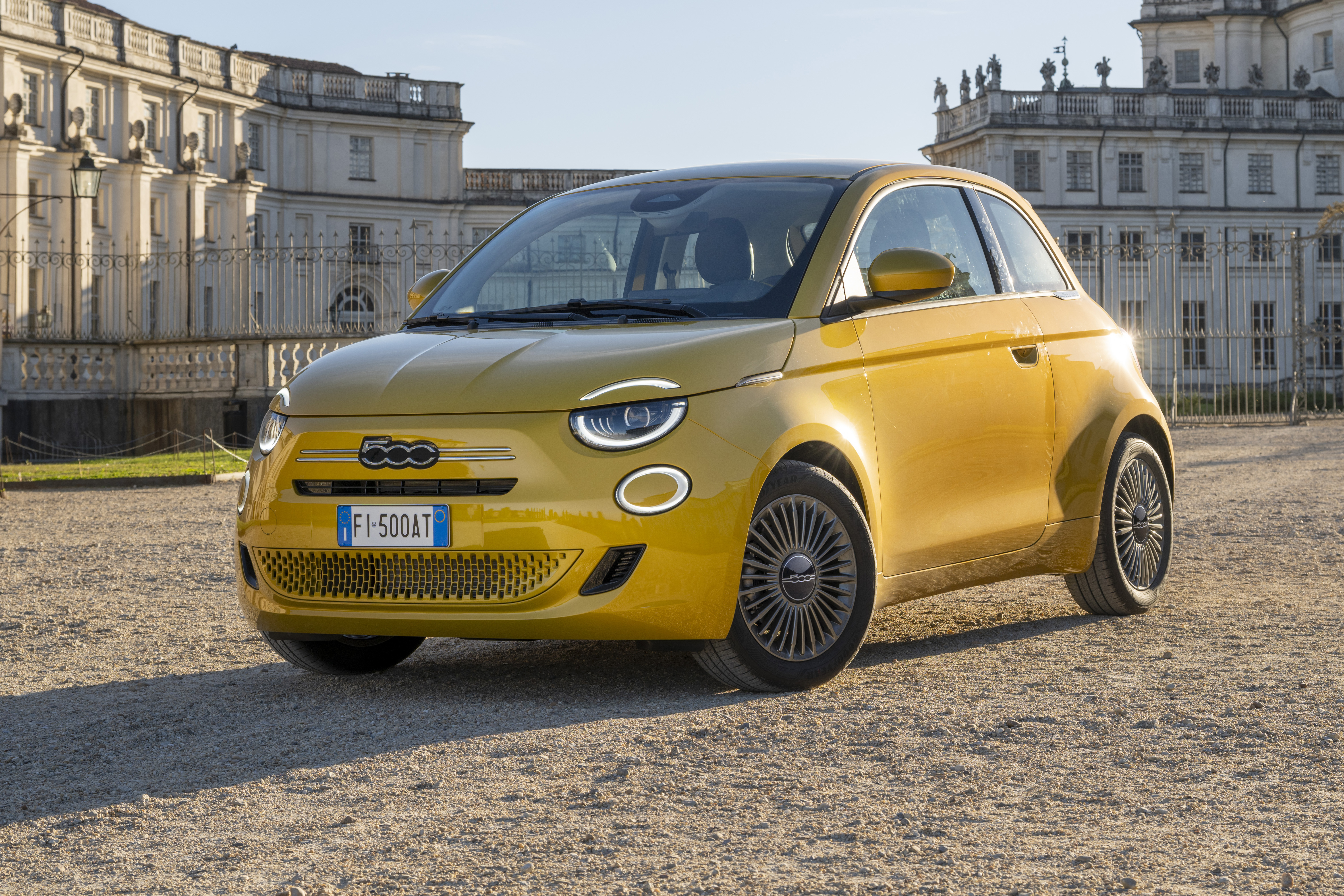
The latest Fiat 500 is a night-and-day improvement over its predecessor. The previous car is charming, but its interior increasingly felt like it was designed when a Blackberry was cool. The latest 500 has a much better driving position, a smarter, more upmarket cabin and far better technology. It feels like a proper modern car, rather than something trading on retro appeal alone.
It's brilliant for first-time drivers — it's so small that it feels like driving a Tic-Tac. Visibility is superb, the steering is light and the 500e electric version is really responsive on the accelerator. It really is the easiest-to-drive car in the world. That said, battery range isn’t great: the 42kWh version has a claimed 199-mile range, but 140 miles seems more realistic in everyday driving.
Not ready for electric? There's also a 500 Hybrid, with a 1.0-litre petrol engine and a manual gearbox. It’s usefully cheaper, starting at about £19k, but has all the other ergonomic and quality improvements that came with the electric version. If you’re able to buy new, this is near enough the perfect starter car.
4. Škoda Fabia
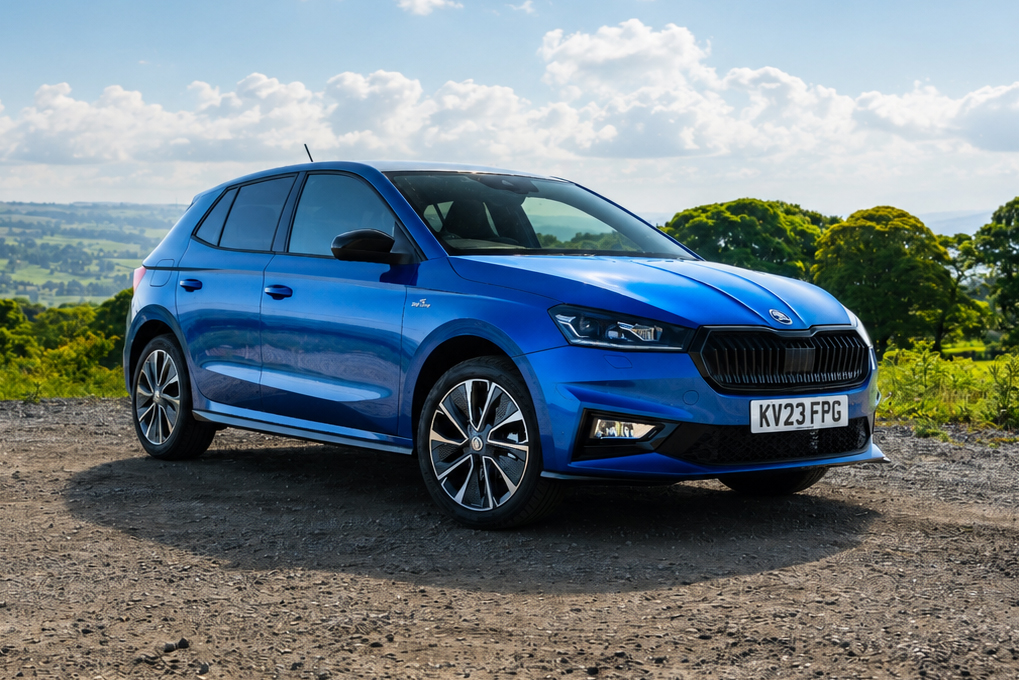
The Škoda Fabia is the sensible choice. But here's the thing — being sensible isn't necessarily a bad thing when you've only just passed your driving test. You want something that's easy to drive, cheap-ish to run and likely to keep running for many years to come.
The Fabia is slightly bigger than the tiny city cars here, but that's an advantage. There's more room inside, a proper 380-litre boot — a surprisingly vast amount of space for a small car — and enough seats for four friends. Plus room for the detritus that somehow accumulates in every car.
The range of petrol engines means you don't have to spend a fortune to get one, nor to insure it — insurance groups start at 4E for the basic 80PS model. It also returns up to 56mpg, which is decent for a petrol car with this much space. You can have a DSG automatic, too, if you'd rather dispense with the clutch altogether. In short, it's a first car that doesn't really feel like a first car.
5. SEAT Ibiza
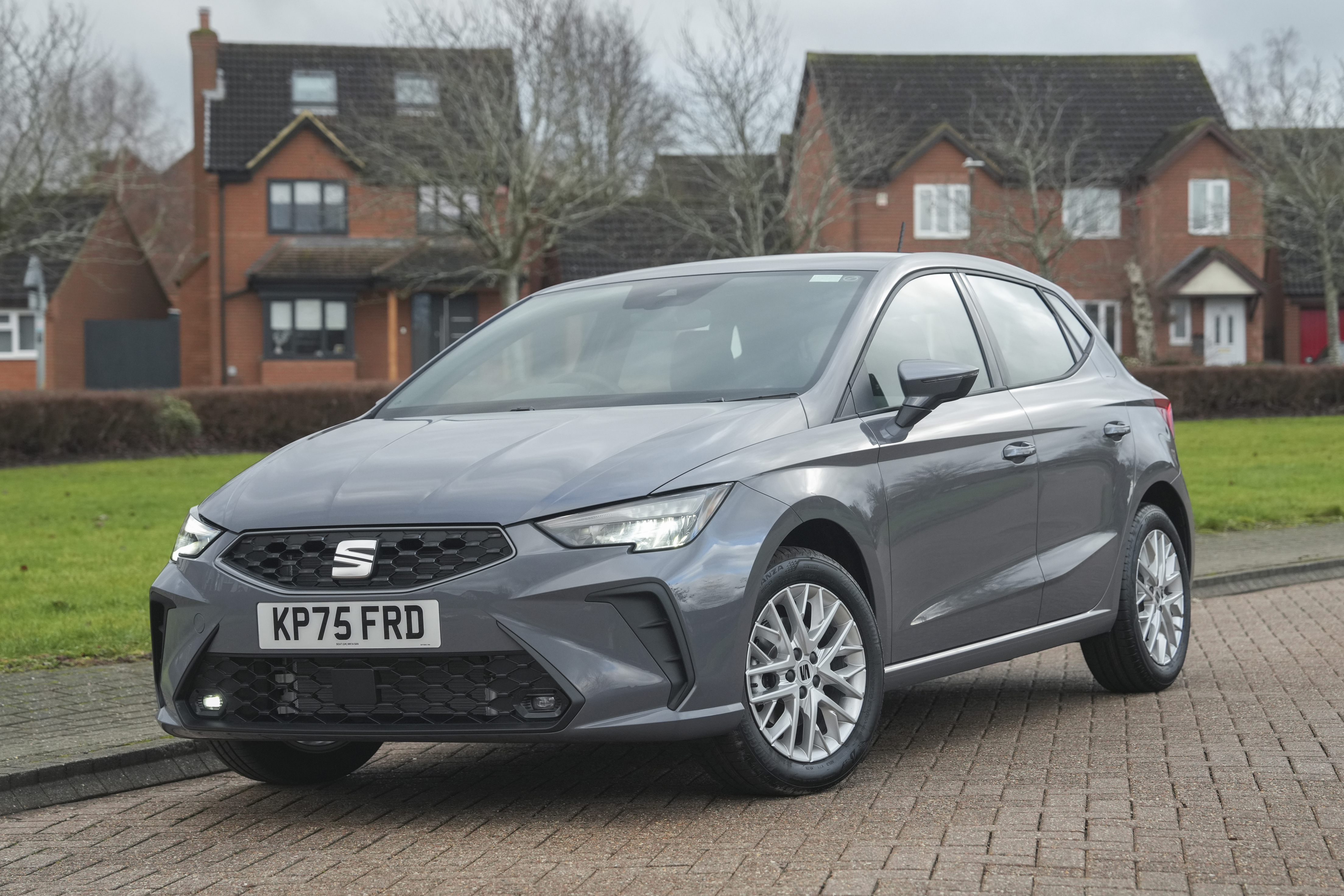
Aah, the 'youth' choice. Yep, the SEAT Ibiza is, basically, a Volkswagen Polo or a Škoda Fabia but dressed in a younger skin. You might know that already — SEAT has been hammering that message home for decades. What it means, in reality, is that you’re getting the solidity of the VW and the sensibility of the Škoda, but with a redesign that says 'I had a can of Monster once and it was actually okay'.
Inside, there's enough space for four adults, a 355-litre boot, the controls are all very straightforward, visibility is good and the steering is light without feeling completely lifeless.
There are manual and automatic versions, with the latter using Volkswagen Group's seven-speed DSG gearbox. We'd probably stick with the manual at this price, but the automatic is a good option if you're spending more. The Ibiza name has been around since 1984 in Spain, with more than six million sold worldwide. So if you're looking for a first car with a proven track record, this is about as safe a bet as it gets.
6. Renault Clio
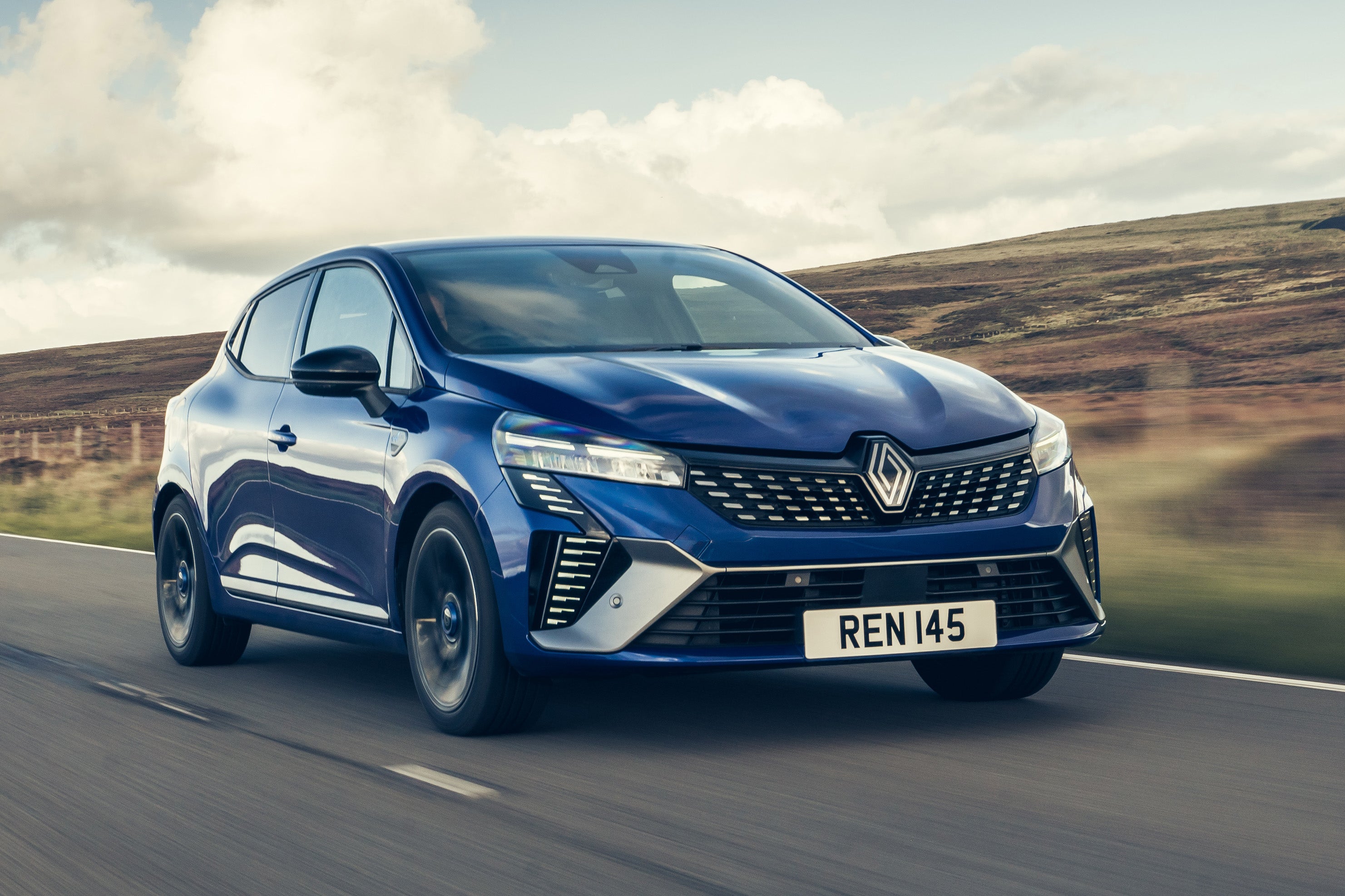
The Renault Clio has been a first-car staple for approximately years and the current one makes a pretty compelling case for continuing the tradition — although be aware it is about to give way to an all-new generation of Clio.
It looks considerably more expensive than it actually is. Inside, there's a decent amount of space, a boot bigger than you’ll probably need (301 litres) and a dashboard that doesn't require an evening course to understand. The material quality is outstanding too. There’s loads of soft-touch stuff, and it’s a million miles away from the ropey Clios of yore.
With the outgoing Clio there's now only a choice of E-Tech Full Hybrid power, using Renault's clever petrol-electric system and an automatic gearbox. It's particularly appealing for a new driver doing lots of urban miles, being quiet, economical and taking the faff out of stop-start traffic.
7. MINI Cooper
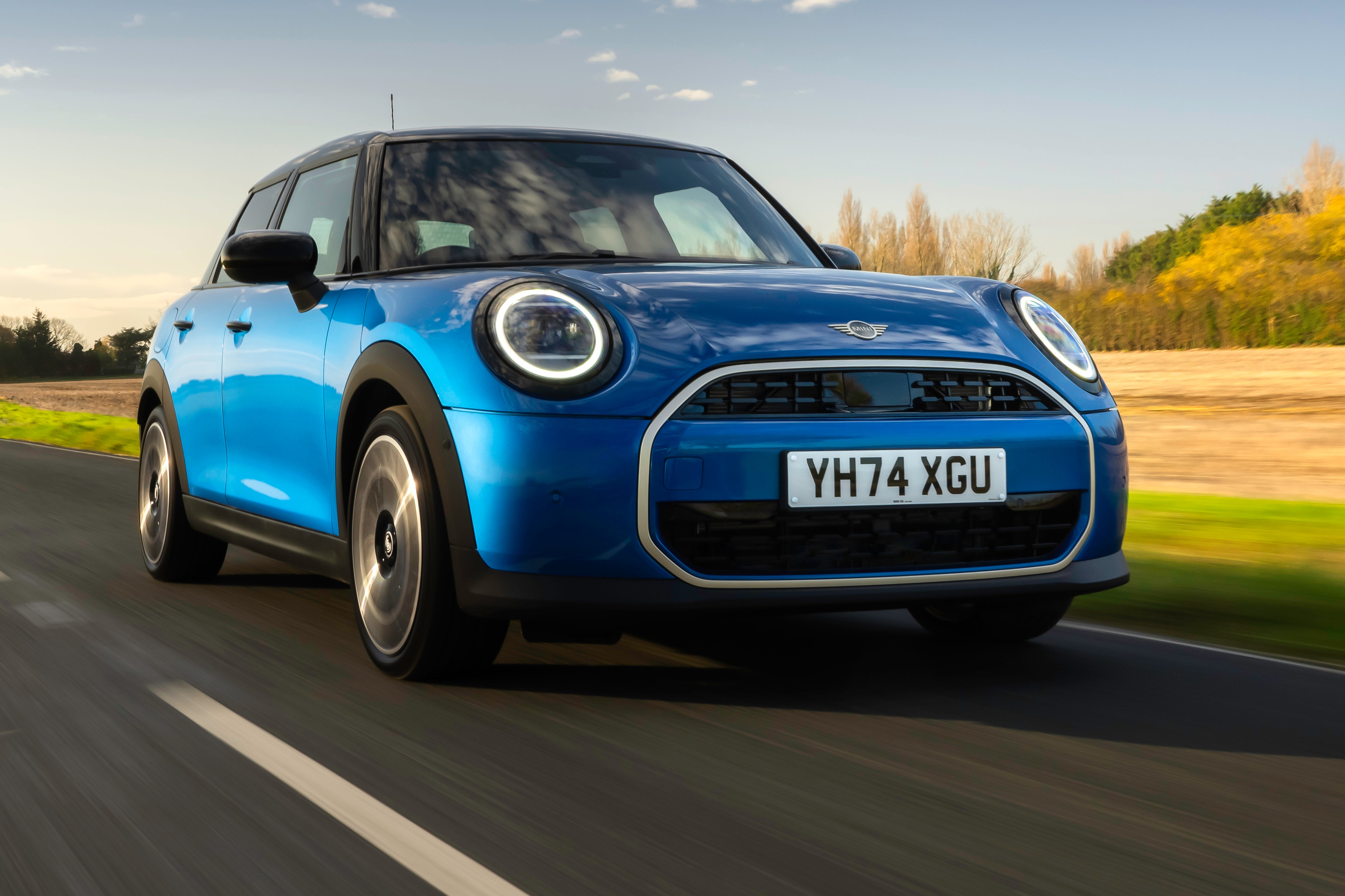
The MINI Cooper has been 'dream first car' material since BMW rebooted the original in 2001. And it's a testament to its masterful management of the brand that it's still a go-to choice for young drivers 25 years later.
It's not cheap, of course, but these days you can buy a properly well-equipped MINI without having to spend thousands on the options list. MINI recently introduced a new basic Cooper Classic One model, which gets a 122PS 1.5-litre petrol engine and seven-speed automatic gearbox. It also comes with an impressive kit list, including a central circular OLED touchscreen, air conditioning, alloy wheels and wireless smartphone connectivity. All the stuff you'll actually need.
If you can, though, we'd stretch to the electric version. Starting at about £27,000, the MINI Cooper Electric isn't dramatically more expensive, but it's quieter, quicker, smoother and even easier to drive. There's instant response from the electric motor, no gears to think about and up to 247 miles of claimed range with the larger battery option.
8. Dacia Sandero
.jpg)
The Dacia Sandero is the cheapest car on this list, and by a considerable margin. That immediately makes it interesting for a first-time driver, because there's a limit to how much financial sense it makes to spend £25,000 on something that, statistically, you may introduce slowly to a bollard or wheelie bin.
The Sandero isn't fancy, but that’s its appeal. It’s a straightforward hatchback with five seats, plenty of luggage space, simple controls and an interior that looks ripe for hosing down. But don’t do that, obviously.
The current car is considerably more sophisticated than the bargain-basement Dacias of old, too. The entry-level version uses a 1.0-litre petrol TCe 100 engine and a manual gearbox, returning a claimed 53.3mpg and helping make this super-duper cheap to run. It's not glamorous, but it's mega value for money at under £15k new. If this hatchback was a drinks receptacle, it would be one of those giant Sports Direct mugs.
9. Toyota Aygo X
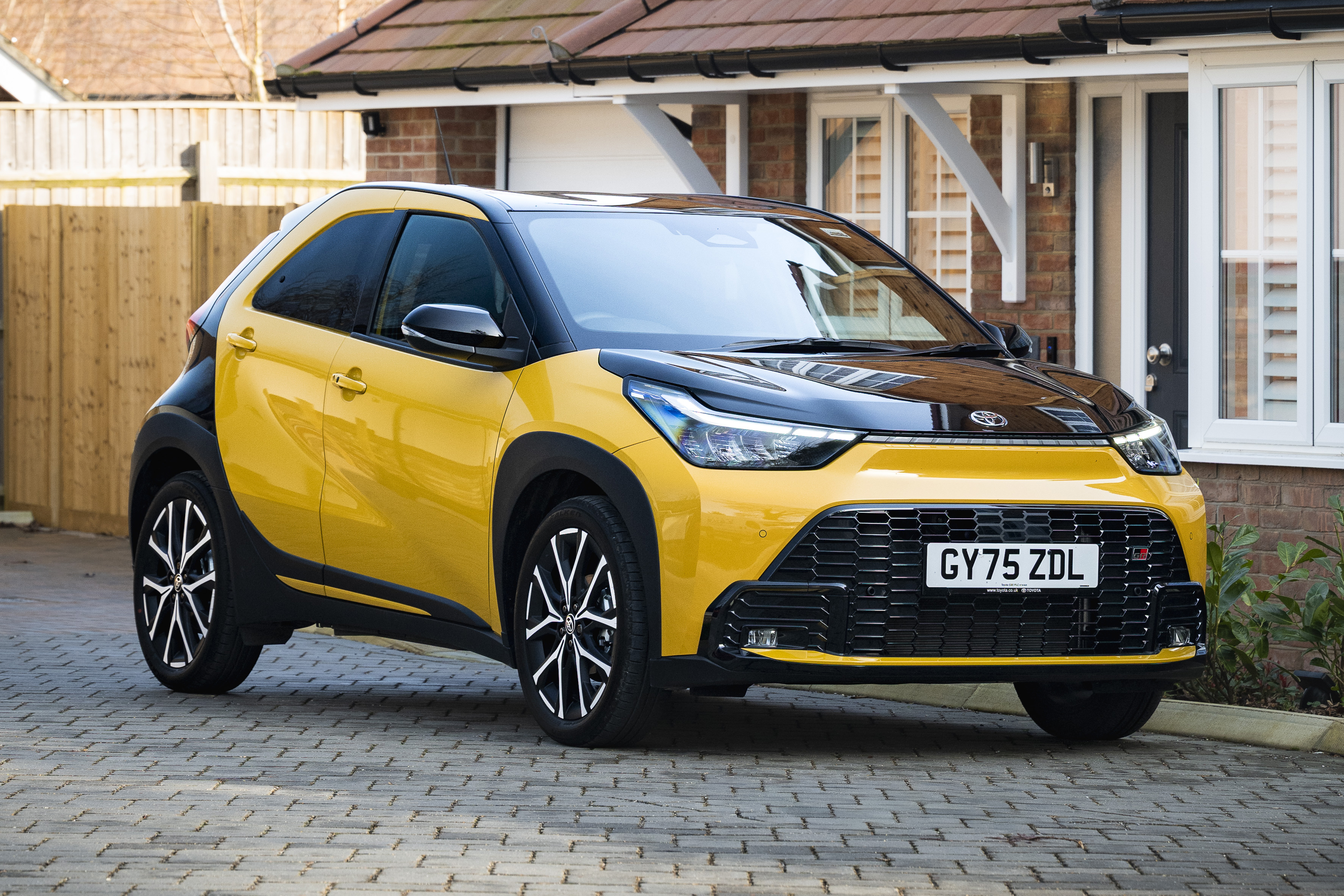
The Toyota Aygo X occupies an increasingly unusual bit of automotive real estate — it's a genuinely small car that's still available with a petrol engine, but it's been given just enough SUV-ish attitude to make you feel like you're driving something slightly more substantial.
The big news for 2026 is that the Aygo X has gone hybrid. That means a 1.5-litre petrol engine paired with Toyota's automatic e-CVT system, giving it the same basic advantage as the Yaris Hybrid. It’s exceptionally easy to drive in town and can run on electric power at low speeds.
It's still tiny, though, which is exactly what you want when you're learning. The 'my first little SUV’ style raised driving position means you can see out easily, meaning it's easy to park. And there's no clutch pedal to worry about. It isn't the cheapest car here, but the combination of hybrid economy, automatic ease and tiny dimensions makes it a very clever first car.
10. BYD Dolphin Surf
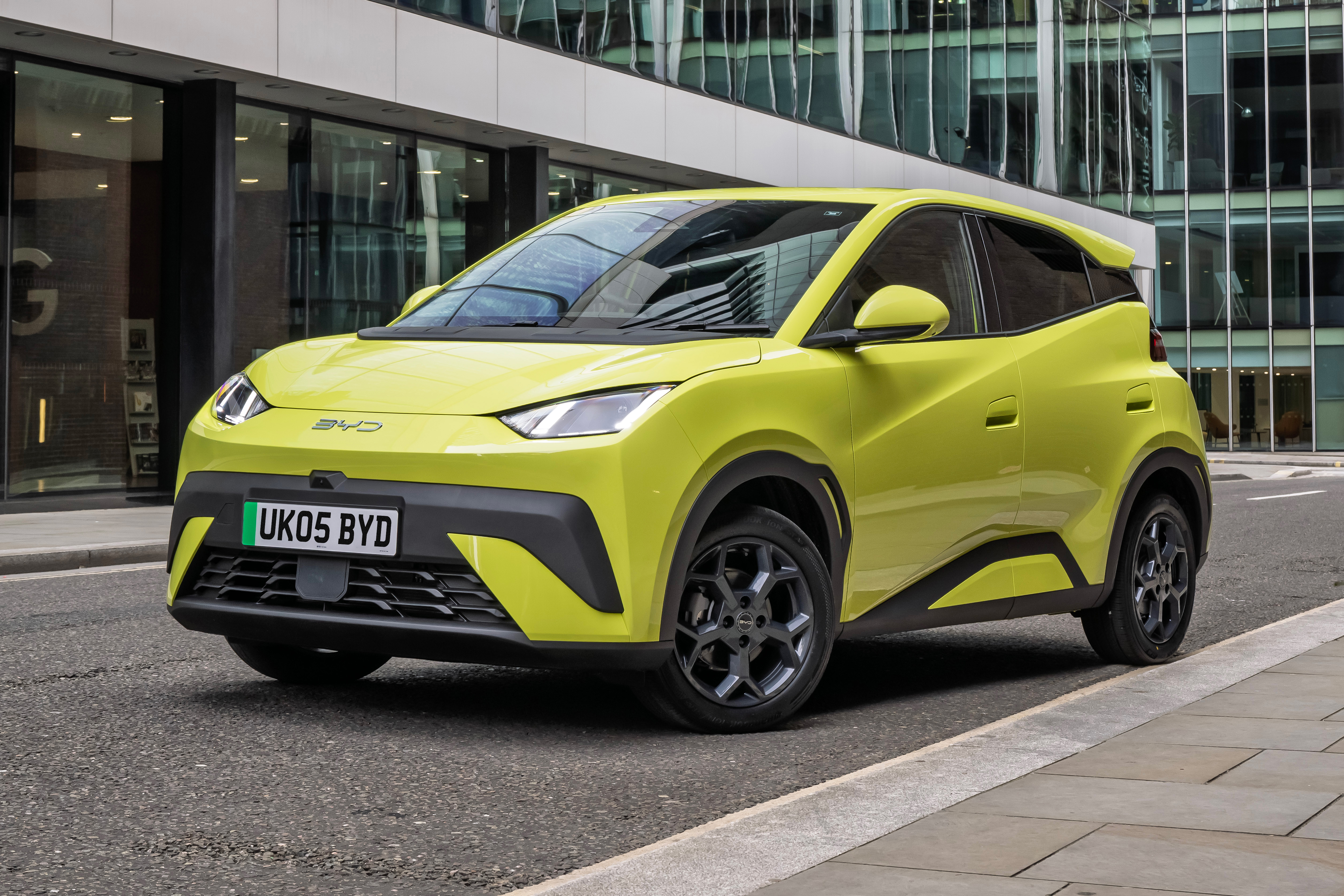
Not long ago, a brand-new electric car for less than £20,000 would have sounded a bit mad. Now you can have one — and in the BYD Dolphin Surf’s case, a really good one.
It's a small electric hatchback that's easy to drive, interesting to look at, and completely automatic — select Drive and go. There's no clutch, no gear-changing and no engine noise to worry about. The entry-level version has a 30kWh battery and a claimed range of around 137 miles. That may prove problematic if you’re doing anything other than going a short distance to work and back — but hey, most people do just that, right? More expensive versions go considerably further at up to 200 miles
It's also surprisingly spacious for something so small, and while the quality is patchy, it does feature BYD’s rotating touchscreen. It’s a gimmick, but the first time you show your pals… 'oof!', they’ll say.
The best first car is one that's easy to drive, affordable to insure and run, and safe enough to give a new driver some protection if things go wrong. Small cars such as the Volkswagen Polo, Škoda Fabia and Kia Picanto are particularly good choices because they're easy to park and manoeuvre, while still offering enough space for everyday use. Electric cars such as the Fiat 500e and BYD Dolphin Surf are worth considering, too, especially if you can charge at home.
Insurance costs vary enormously depending on the driver's age, location, experience and the exact car, so there's no single answer. However, choosing a car with a low insurance group can make a significant difference. The Kia Picanto is particularly interesting: its entry-level manual is in group 3E, while the automatic version starts in an astonishingly low 1E. Always get an actual insurance quote before buying, though, because group ratings aren't the whole story.
Yes. Small cars aren't automatically less safe than larger cars and modern models come with safety technology that was unimaginable in the first cars many parents drove. Look for autonomous emergency braking, lane-keeping assistance and other driver-assistance systems, as well as a strong crash-test rating. Bear in mind that safety equipment varies between trims, though, so check the specification of the exact car you're considering rather than assuming every version has the same kit.
There's no right answer, but automatic cars make life considerably easier for new drivers, particularly in busy traffic and around town. Electric cars are even simpler because they don't have conventional gears at all. The downside is that automatics can cost more to buy, while learning in a manual gives you the freedom to drive either type of car afterwards. If you're buying an automatic specifically, check that it fits your budget and that insurance isn't significantly more expensive.
A new car costs more upfront, but it brings predictable running costs, a manufacturer's warranty and the latest safety technology. That's particularly appealing if you're buying for a young driver and want to minimise the chances of an unexpected repair bill. Used cars can offer much better value, though and may be the more sensible choice if budget is tight. Either way, prioritise a car that's affordable to insure, easy to drive and fitted with useful safety equipment.