Honda ZR-V Review

Written By Richard Aucock
- 2023
- SUV
- Hybrid
What we love
Smooth and efficient hybrid powertrain
High-quality, user-friendly interior
One of the best family SUVs to drive
Things to consider
Less luggage space than many rivals
Still expensive for a mainstream SUV
Styling is neat rather than memorable
The DRIVE take on the Honda Zr V, is it the right car for you?
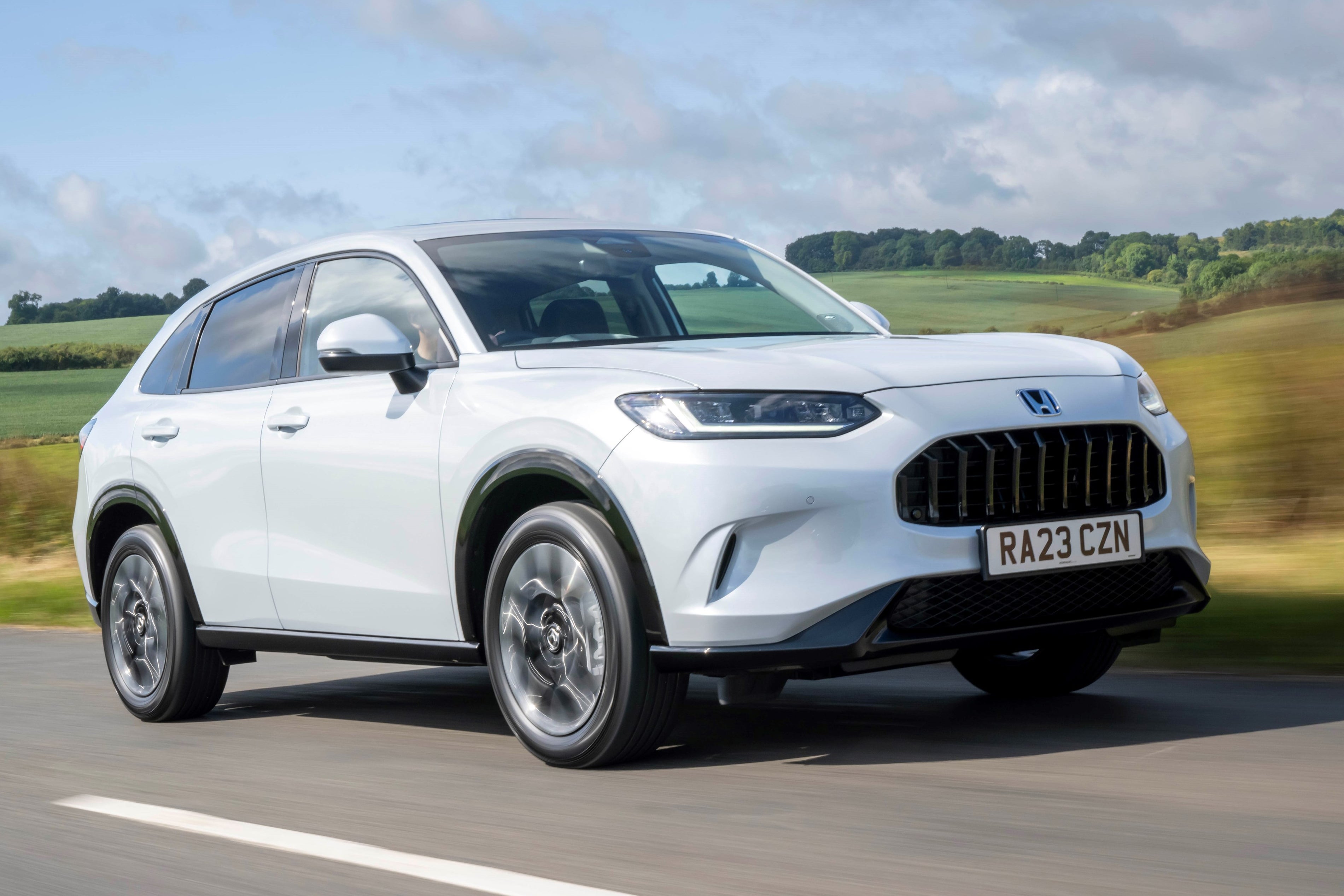
The Honda ZR-V is one of the more interesting family SUVs because it does things a little differently from the default choices. It combines an exceptionally smooth hybrid system with a genuinely high-quality cabin and road manners that are noticeably sharper than most rivals.
The compromise is that it isn't especially practical for an SUV of this size, while its relatively high price puts it up against some seriously accomplished alternatives. Insurance isn't cheap, either. But if you value refinement, engineering polish and a more car-like driving experience over maximum boot space, the ZR-V makes a strong case for itself. Its excellent hybrid drivetrain only adds to the appeal.
The Honda Zr V in more detail
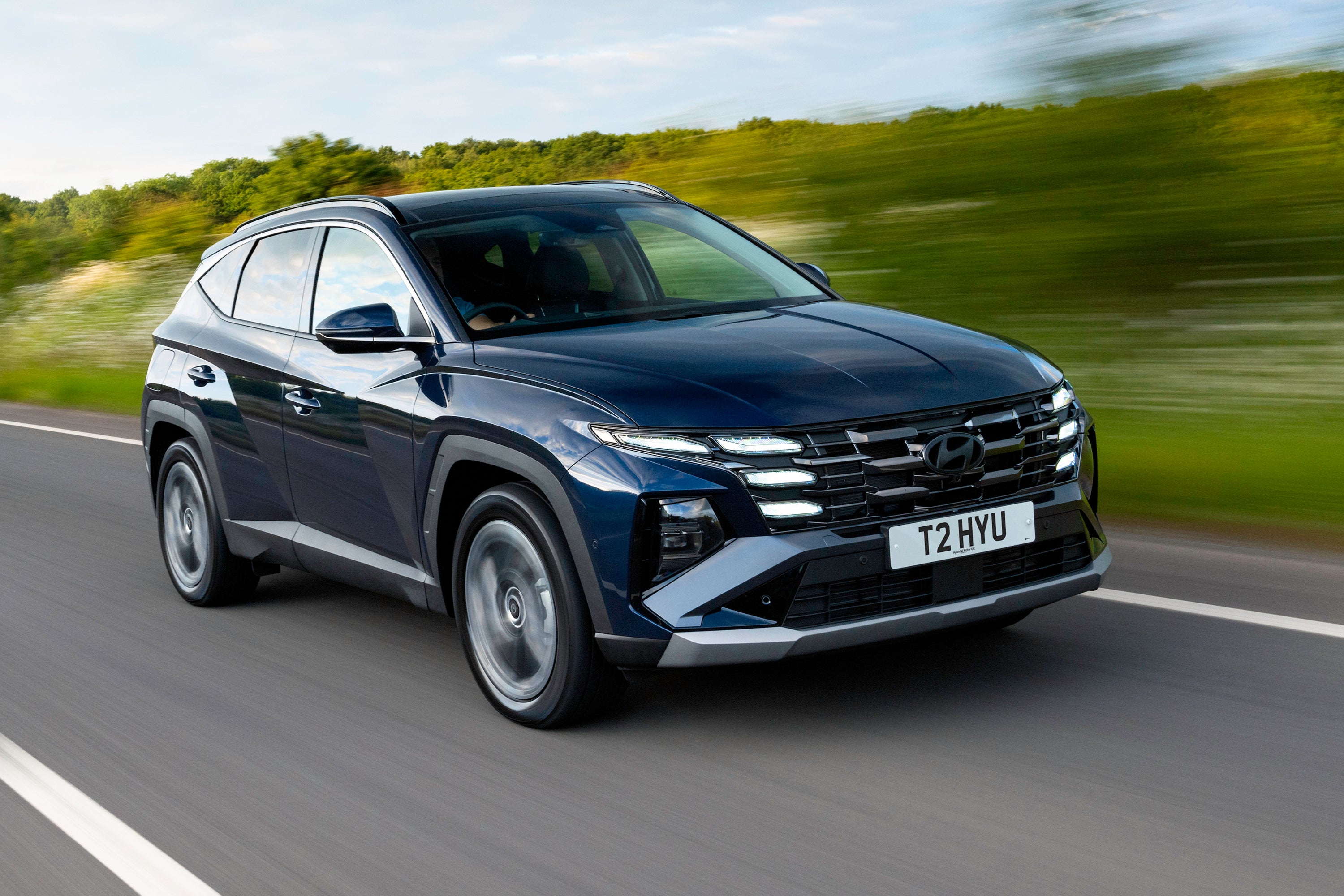
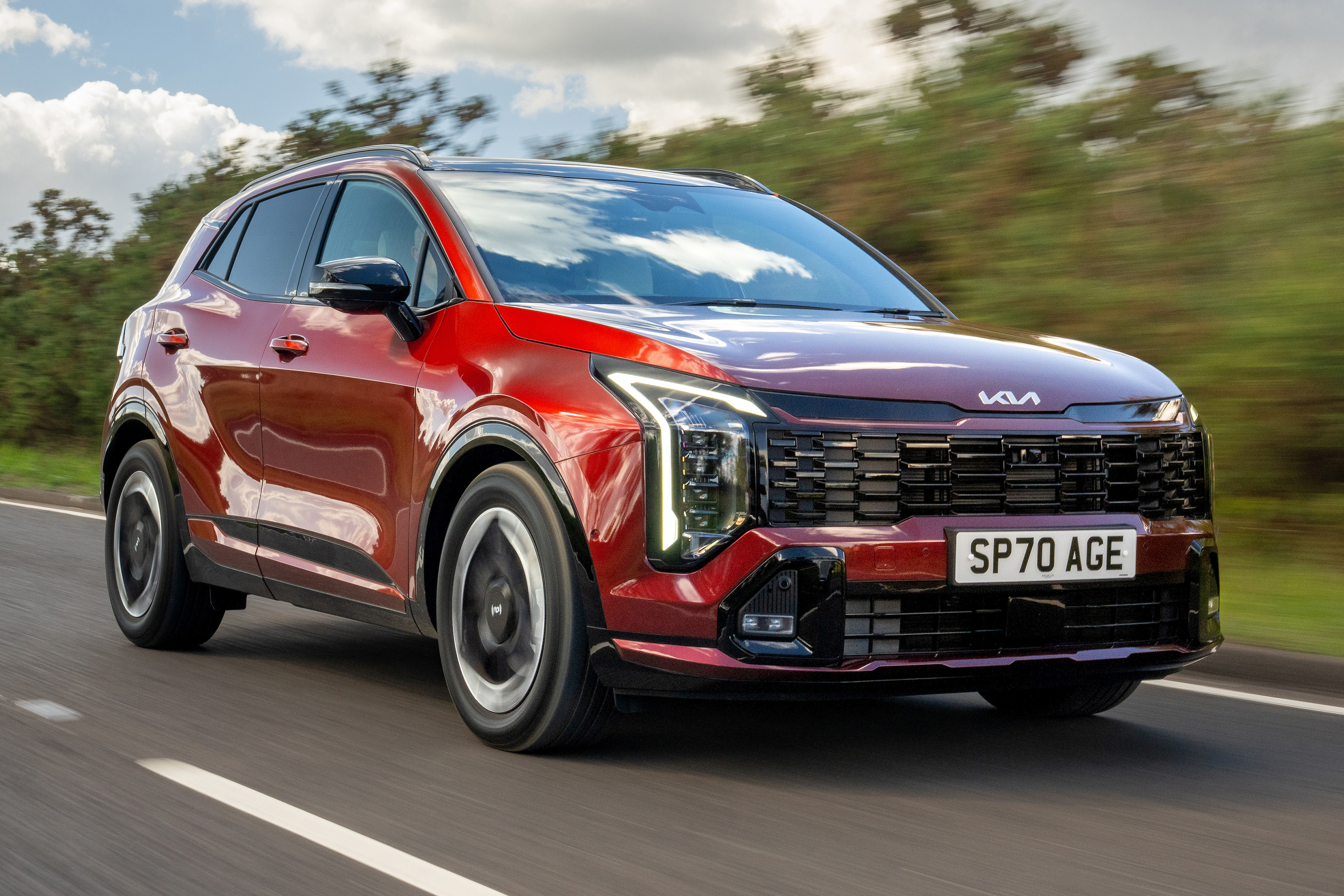
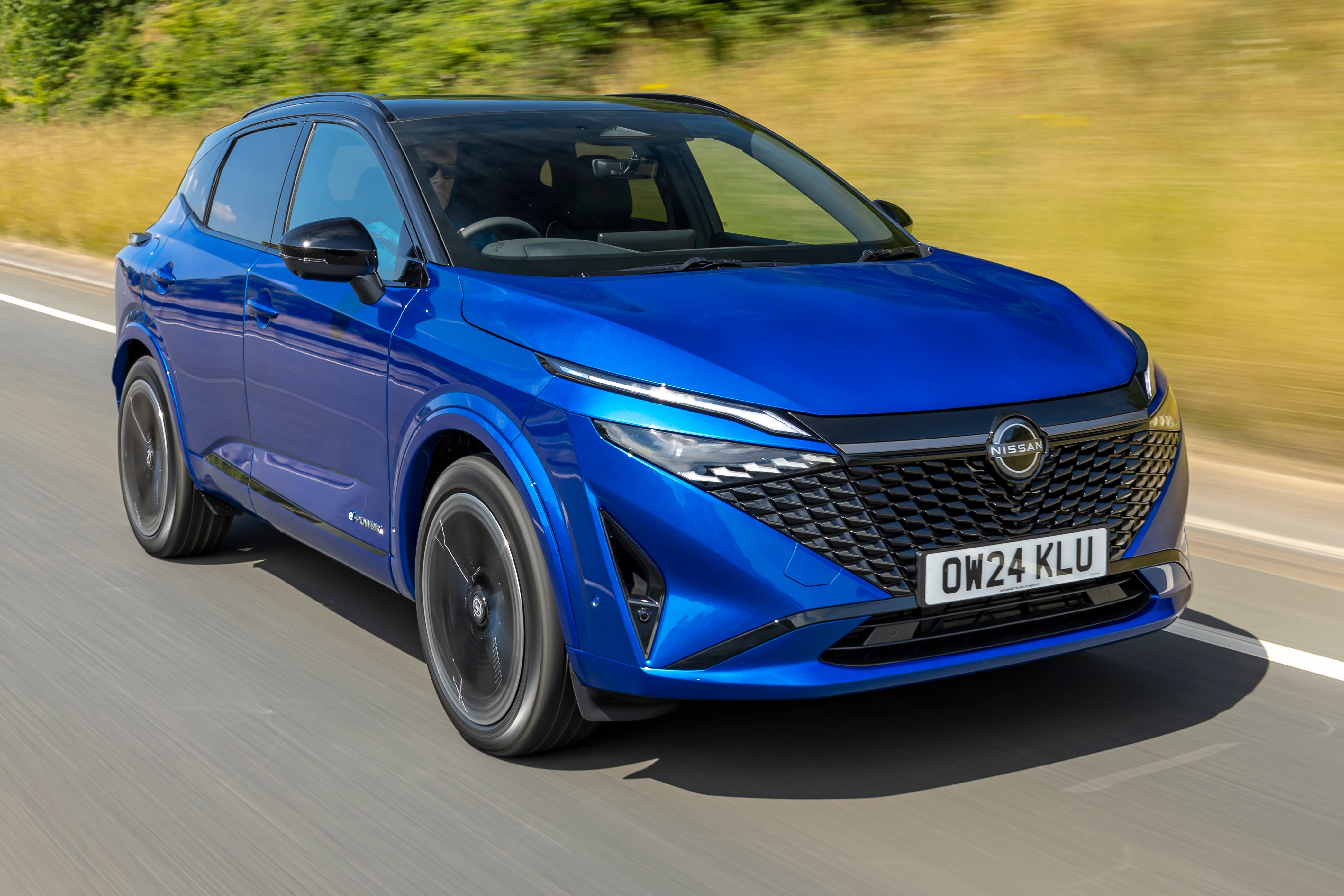
The Honda ZR-V is a hybrid family SUV that sits between the smaller HR-V and larger CR-V in Honda's range. It shares a considerable amount of engineering with the excellent Honda Civic, including its clever 2.0-litre e hybrid system. That gives the ZR-V quite a different character from mainstream family-SUV rivals such as the Kia Sportage, Hyundai Tucson and Nissan Qashqai.
Honda's hybrid system uses a naturally aspirated 2.0-litre petrol engine alongside two electric motors. Most of the time, it's the electric drive motor that actually turns the front wheels. The petrol engine either generates electricity or, at higher cruising speeds, can connect directly to the wheels through a fixed ratio when that's more efficient.
The result is unusually EV-like response for a conventional full hybrid. There's 184PS and 315Nm available, so performance is brisk, yet official fuel economy still reaches almost 50mpg. There's no need to plug anything in, either.
The ZR-V is also one of the more enjoyable family SUVs to drive. Its steering is precise, body control is good and the suspension strikes an impressive balance between comfort and composure. Honda's decision to use 18-inch wheels across the range helps here.
Inside, the ZR-V favours straightforward usability rather than trying to dazzle you with enormous screens. The 9.0-inch infotainment display isn't the largest in the class, but physical climate controls, a proper volume knob and sensible menus make the cabin refreshingly easy to operate.
Practicality is less convincing. The main boot holds 380 litres in Elegance and Sport models, or 370 litres in Advance because some space is taken up by its upgraded audio equipment. There's an additional 10 litres of underfloor storage.
Prices currently start at £36,525, rising to £38,765 for Sport and £40,895 for Advance. That leaves the ZR-V looking relatively expensive next to roomier mainstream rivals. Even so, there’s plenty to like. If hybrid refinement, interior quality and driving manners matter more to you than sheer carrying capacity, the ZR-V remains an appealing alternative to the class favourites.
What's the best Honda Zr V trim and engine option?
Every ZR-V uses the same 184PS 2.0-litre e hybrid system, so your only real decision is trim. For most buyers, Sport is the sweet spot. Elegance already comes well equipped, but Sport adds several features you'll appreciate regularly, including a powered tailgate, wireless phone charging, electrically adjustable driver's seat, extra USB-C ports for rear passengers and more distinctive exterior styling. At £38,765, it also remains below the £40,000 threshold for the Expensive Car Supplement.
Elegance is worth considering if keeping the price down matters most. You get the same powertrain and most of the important technology for £2,240 less. Advance brings a panoramic glass roof, leather upholstery, Bose audio, head-up display, heated rear seats and steering wheel, ventilated front seats and Adaptive Driving Beam headlights. It's suitably luxurious, but at £40,895 it's considerably harder to argue that the ZR-V represents strong value.
What’s the price of the Honda Zr V?
The Honda ZR-V currently starts at £36,525 for Elegance. Sport costs £38,765, while the range-topping Advance is £40,895 before optional paint and accessories. That makes the ZR-V considerably more competitive than it was earlier in its life, but it's still not a cheap family SUV. Alternatives such as the Hyundai Tucson, the Kia Sportage and the Nissan Qashqai offer more interior or luggage space for similar money, while the ZR-V's top trim moves into premium-brand territory.
Honda's defence is that the ZR-V feels unusually polished. Its hybrid system is excellent, the cabin feels well made and it's more enjoyable to drive than many mainstream alternatives.
Alternatives to the Honda Zr V
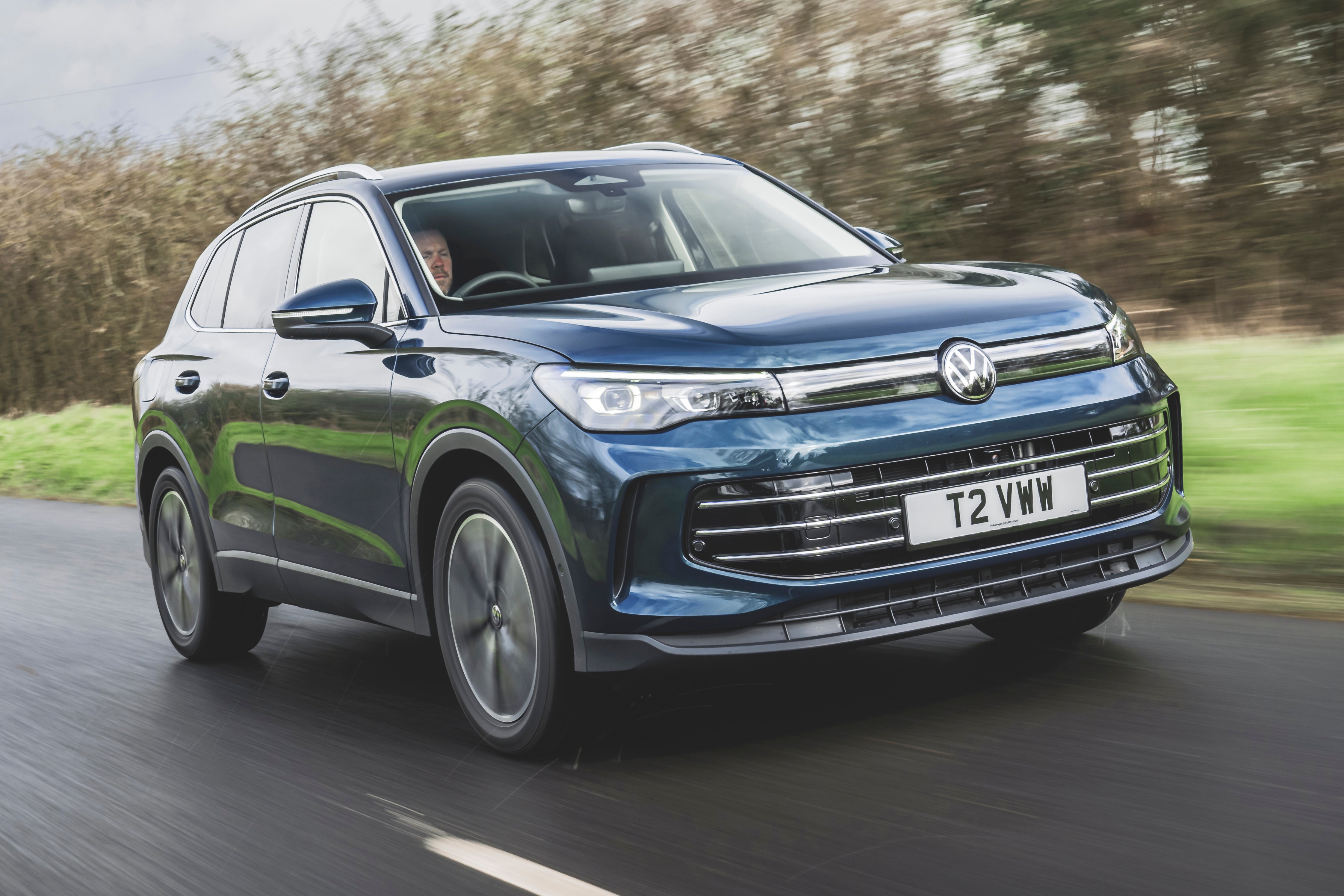
The Volkswagen Tiguan is one of the strongest alternatives if you want more space and a broader range of engines. It feels polished and mature, although prices can rise sharply as you move up through the range.
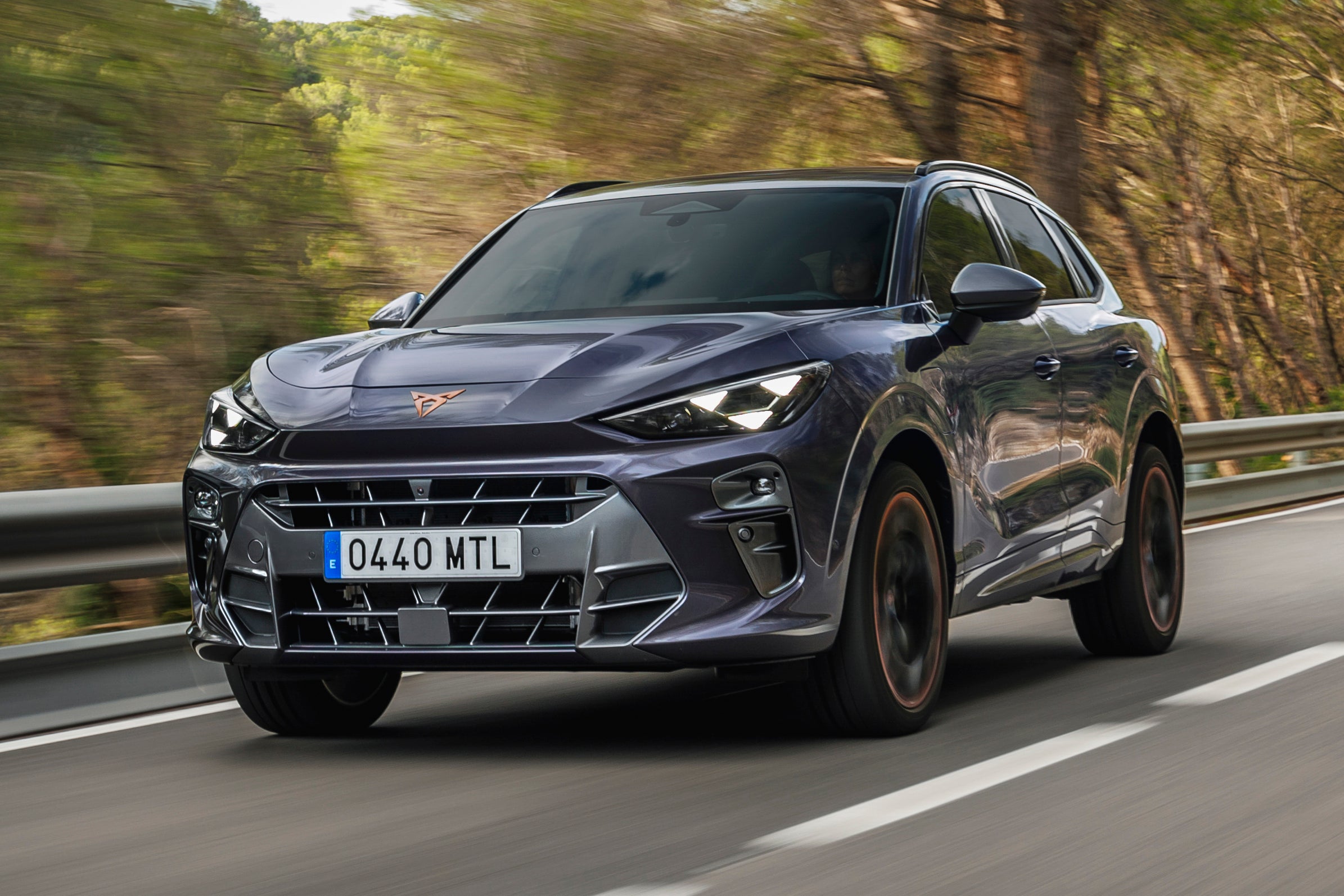
The Cupra Terramar is worth considering if the ZR-V's enjoyable handling appeals to you. It's more overtly sporty in character and offers a wider selection of powertrains, including plug-in hybrid options. The Skoda Karoq is less technologically sophisticated but remains a sensible, easy-to-live-with family SUV and is generally better value.
The Kia Sportage and Hyundai Tucson also are natural rivals, with more boot space and a broader choice of electrified engines. The Nissan Qashqai e-Power is particularly interesting if you like the ZR-V's electric-motor-led driving experience.
There's also an awkward rival within Honda's own range. The Civic e provides much of the ZR-V's excellent hybrid technology and driver appeal, so it's well worth considering if you don't specifically need SUV styling or the higher seating position.
What's the interior like in the Honda Zr V?
The ZR-V's cabin is one of its strongest features. It's simple, solid and sensibly laid out, with a pleasantly upmarket feel. The 9.0-inch infotainment screen looks modest beside some rivals, but it's easy to use and backed up by physical controls for functions such as climate control and audio volume. Material quality is strong, the driving position feels natural and there's plenty of adjustment. Sport adds worthwhile comfort upgrades, while Advance brings leather upholstery, a panoramic roof and extra luxuries.
Honda Zr V boot space and practicality
The front of the ZR-V's cabin is a strong point. There's plenty of room, the seats are comfortable and the driving position feels more car-like than in many SUVs, although you still sit high enough to get a good view forwards.
Storage is useful rather than exceptional, with decent door pockets, cupholders and space around the centre console. The dashboard's straightforward design also helps the cabin feel less cluttered than many touchscreen-heavy alternatives.
Rear-seat accommodation is perfectly adequate for a family of four. Adults have a useful amount of legroom and headroom, but the middle seat is narrower than the outer pair and overall space isn't as generous as you'll find in a Kia Sportage or Hyundai Tucson.
The boot is the bigger compromise. Elegance and Sport provide 380 litres of conventional luggage space, with another 10 litres beneath the floor. That gives a total of 390 litres if you include the underfloor compartment. The Advance trim's Bose audio system eats into that capacity, leaving 370 litres above the floor and 380 litres including the lower compartment.
That's modest for a 4.57-metre-long family SUV. For comparison, several similarly sized rivals offer comfortably more than 500 litres. With the rear seats folded, Elegance offers up to 1,322 litres when loaded to the roof, while Advance drops slightly to 1,301 litres. The 60:40-split backrest means you can still carry a rear passenger alongside longer loads.
So, the ZR-V works perfectly well for everyday family use, but buyers regularly carrying pushchairs, holiday luggage or bulky equipment will find several rivals substantially more accommodating.
Honda Zr V dimensions
The Honda ZR-V measures 4,568mm long, 1,840mm wide and up to 1,620mm high, with a 2,657mm wheelbase. The width rises to 1,898mm with the door mirrors folded and 2,093mm with them extended.
That puts it firmly in family-SUV territory and makes the relatively modest boot capacity all the more noticeable. The upside is that the Honda doesn't feel unwieldy on typical UK roads.
An 11.3-metre turning circle is reasonable rather than exceptional for the class, while 180mm of ground clearance with the driver aboard reinforces the fact that this is a road-focused crossover rather than anything intended for serious off-roading.
Tech and infotainment in the Honda Zr V
Every Honda ZR-V uses a 9.0-inch Honda CONNECT touchscreen with built-in navigation, DAB radio, Bluetooth, Apple CarPlay and Android Auto. It isn't remotely class-leading for screen size, but that's arguably part of the appeal. The software responds quickly enough, the interface is straightforward and Honda has retained physical shortcut buttons and a conventional volume control.
Wireless Apple CarPlay is standard, although Android Auto requires a wired connection. Elegance gets front USB-A and USB-C sockets, while Sport and Advance add two USB-C connections for rear passengers.
All versions also have a digital driver's display and adaptive cruise control. Sport introduces wireless phone charging, while Advance brings the most significant technology additions. These include a 6.0-inch head-up display, 12-speaker Bose premium audio system and Adaptive Driving Beam headlights.
Crucially, Honda hasn't forced every basic function into the touchscreen. There are proper physical climate controls beneath the central vents, making temperature and fan-speed adjustments considerably easier on the move than in many rivals.
There's more visual drama in the latest Volkswagen Tiguan or Peugeot 3008, but the ZR-V's simpler approach arguably works better when you're actually driving it.
Materials available on the Honda Zr V
The ZR-V feels convincingly well made inside, with soft-touch materials around the main contact areas and Honda's distinctive honeycomb-style air-vent trim running across the dashboard.
Elegance uses cloth upholstery and has heated front seats as standard. Sport mixes black leather with fabric, adding aluminium pedals and darker exterior and interior detailing that gives the cabin a slightly more purposeful feel.
Advance is the most luxurious version. It gets black leather upholstery with contrasting stitching, plus heated front and rear seats. The front seats are also ventilated, while the panoramic glass roof adds considerably more light to the cabin.
There are harder plastics lower down, as you'd expect in this class, but they're mostly out of sight. Overall fit and finish are strong and the restrained use of shiny trim should help the cabin wear well.
What's the Honda Zr V like to drive?
The ZR-V is one of the better family SUVs to drive. It's not trying to be an overtly sporting car, but its accurate steering, composed chassis and well-judged suspension give it a more polished, car-like character than many rivals.
Ride quality is another strength. Every version rides on sensible 18-inch wheels, so there's enough tyre sidewall to take the edge off potholes without making the car feel loose or floaty. Honda's hybrid system suits the chassis well, too. Electric-motor drive gives it an immediate response at low speeds, while the petrol engine generally slips into the background during gentler driving.
Honda Zr V range and performance
Every current ZR-V uses the same 2.0-litre e:HEV full-hybrid system, combining a naturally aspirated four-cylinder petrol engine with two electric motors and a small lithium-ion battery. The electric drive motor produces 184PS and 315Nm, with all versions driving the front wheels.
The way Honda's hybrid system works is slightly unusual. During much of everyday driving, the petrol engine acts as a generator and the electric motor actually propels the car. At steady higher speeds, the engine can be connected directly to the wheels through a fixed gear ratio when that's more efficient. The result is more like driving an electric car than many conventional hybrids. Response from low speeds is immediate and smooth, without waiting for an automatic gearbox to choose a ratio.
Performance varies fractionally with trim because of differences in weight. Elegance reaches 62mph in 7.8 seconds, Sport takes 7.9 seconds and Advance 8.0 seconds. Every version has a 107mph maximum speed. There's no plug-in version and no four-wheel-drive option in the UK, so powertrain choice couldn't really be simpler.
Despite often being described as an e-CVT, the Honda system isn't a conventional belt-driven CVT. Most of the time there isn't a traditional gearbox varying its ratio at all, which helps explain the distinctive way the ZR-V delivers its power.
Performance data
| Model | Engine/battery size | Power | 0-62mph | Range/MPG |
|---|---|---|---|---|
e:HEV full-hybrid | 2.0-litre petrol hybrid automatic | 184PS | 7.8-8.0 seconds depending on trim | Up to 49.6mpg |
Honda Zr V driving and refinement
Family SUVs aren't generally bought for their handling, but the ZR-V is unusually satisfying to drive. Its Civic-derived underpinnings give it a more car-like character than many high-riding rivals. The steering isn't overflowing with feedback, but it's accurate and consistent, while Sport mode adds a little extra weight. Body movement is controlled neatly and there's plenty of grip, so the ZR-V feels reassuring on faster country roads without becoming unnecessarily stiff.
Ride quality is particularly well judged. Honda fits 18-inch wheels to every version rather than chasing the increasingly common trend for 19- or 20-inch rims, leaving enough tyre sidewall to take the sting out of potholes and broken surfaces.
The powertrain works best when you're driving normally. Electric-motor propulsion makes low-speed progress particularly smooth and gives the ZR-V a useful burst of response when pulling away or joining traffic. Demand hard acceleration and the petrol engine becomes much more noticeable, although Honda tries to avoid the monotonous drone traditionally associated with CVT hybrids by varying engine speed to mimic conventional gear changes. At motorway speeds, the petrol engine can drive the wheels directly when that's more efficient. Wind and tyre noise are reasonably well contained and the ZR-V feels stable and relaxed on longer journeys.
It isn't quite as sharp as the Civic, but that's hardly surprising given the higher body and extra weight. Among mainstream family SUVs, though, it remains one of the more rewarding choices.
How safe is the Honda Zr V?
Independent safety organisation Euro NCAP awarded the Honda ZR-V four stars in 2023. It scored 79% for adult occupant protection, 86% for child occupants, 81% for vulnerable road users and 68% for safety assistance.
The result was just below Euro NCAP's five-star thresholds rather than indicating fundamentally poor crash protection. Child protection was particularly strong, with maximum points in the frontal-offset and side-barrier tests involving the child dummies.
There were weaknesses, though. In Euro NCAP's side-impact testing, the heads of the front occupants made contact despite the centre airbag, while the driver-monitoring system detected fatigue but not distraction.
Standard equipment includes autonomous emergency braking, lane-departure warning, lane-keeping assistance, traffic-sign recognition, adaptive cruise control and driver-attention monitoring.
Running costs: What it's like to live with a Honda Zr V
The ZR-V's hybrid drivetrain should make it relatively inexpensive to fuel for a family SUV. Official economy sits close to 50mpg across the range, and there's no need to plug it in or change the way you use the car.
The main ownership negatives are its high insurance rating and the Expensive Car Supplement that applies to the Advance. Honda's warranty offering has improved significantly, though. Eligible cars registered from April 2026 can now have their warranty renewed through dealer servicing for up to eight years or 100,000 miles.
Honda Zr V fuel economy
Official combined economy is 49.6mpg for the Elegance model and 48.7mpg for both Sport and Advance. The slight difference comes primarily from the additional weight carried by the higher trims. Those are respectable numbers for a petrol-powered SUV of this size, although there are rival hybrids capable of slightly better official economy.
Unlike a plug-in hybrid, you don't need to charge it to achieve sensible fuel consumption. The system automatically switches between electric, hybrid and direct engine drive according to conditions. A 57-litre fuel tank also gives the ZR-V potentially impressive touring range; Honda quotes up to 621 miles under the official test methodology.
Honda Zr V warranty and servicing
Honda gives the ZR-V a three-year/90,000-mile manufacturer warranty, while specified hybrid components and the electric powertrain are separately covered for five years or 90,000 miles.
There's now an important extra benefit for newer cars. Eligible non-commercial Hondas registered from April 2026 qualify for Honda's Service-Activated Warranty. Once the original three-year cover expires, having each scheduled service carried out by an authorised Honda retailer or service centre can activate another 12 months of warranty, up to a maximum vehicle age of eight years or 100,000 miles. However, earlier ZR-Vs don't automatically gain the same service-activated cover.
Routine servicing is due every 12 months or 12,500 miles, whichever comes first.
Honda Zr V insurance groups
Every current Honda ZR-V sits in insurance group 35, regardless of whether you choose Elegance, Sport or Advance. That's relatively high for a mainstream family SUV. Several comparable Kia Sportage, Hyundai Tucson and Nissan Qashqai models sit substantially lower, so it's worth getting an insurance quote before committing to the Honda.
The identical rating across all three trims does at least mean moving from Elegance to Sport or Advance shouldn't automatically penalise you through a higher insurance-group classification.
How much does it cost to tax a Honda Zr V?
All current ZR-Vs cost £200 a year in standard VED after the first year. The Expensive Car Supplement is the important difference between the trims, which applies to non-zero-emission cars with a list price above £40,000 and currently adds £440 a year from the second to sixth tax payments. Elegance and Sport remain below the threshold in standard form. Advance crosses it, so its annual VED bill rises to £640 during those five years.
What trims are available with the Honda Zr V?
The Honda ZR-V range is refreshingly simple, with Elegance, Sport and Advance trims. All three use exactly the same 184PS e powertrain and 18-inch wheels, so you're choosing equipment rather than mechanical specification.
Elegance is already generously equipped. It comes with Honda SENSING (the suite of safety systems), adaptive cruise control, front and rear parking sensors, a reversing camera, heated front seats, dual-zone climate control, keyless entry and start, a digital driver's display and the 9.0-inch Honda CONNECT infotainment system. Its seats are trimmed in fabric and the audio system has eight speakers. It makes a strong case if you're trying to keep the purchase price down.
Sport is the sweet spot. It adds black exterior detailing and its own bumper design, privacy glass, mixed fabric and leather upholstery, electrically adjustable driver's seat, wireless phone charging, rear USB-C ports and aluminium pedals. More usefully, there's a hands-free powered tailgate with walk-away closing. It feels noticeably more special than Elegance without taking the price beyond £40,000.
Advance takes the more luxurious route. It gets leather upholstery, electrically adjustable front seats, heated front and rear seats, ventilated front seats, a heated steering wheel and panoramic glass roof. Technology upgrades include Adaptive Driving Beam headlights, a 6.0-inch head-up display and a 12-speaker Bose audio system. It also gets the powered tailgate and wireless charger.
Ask the Drive experts: common questions
How much does the Honda ZR-V cost?
Is the Honda ZR-V a hybrid?
Is the Honda ZR-V practical?
What is the best Honda ZR-V version?
Get our latest advice, news and offers
Keep me updated by email with the latest advice, news and offers from Drive.