12/10/2026
Best cars for towing a caravan: Top picks for 2026

Written By Keith WR Jones
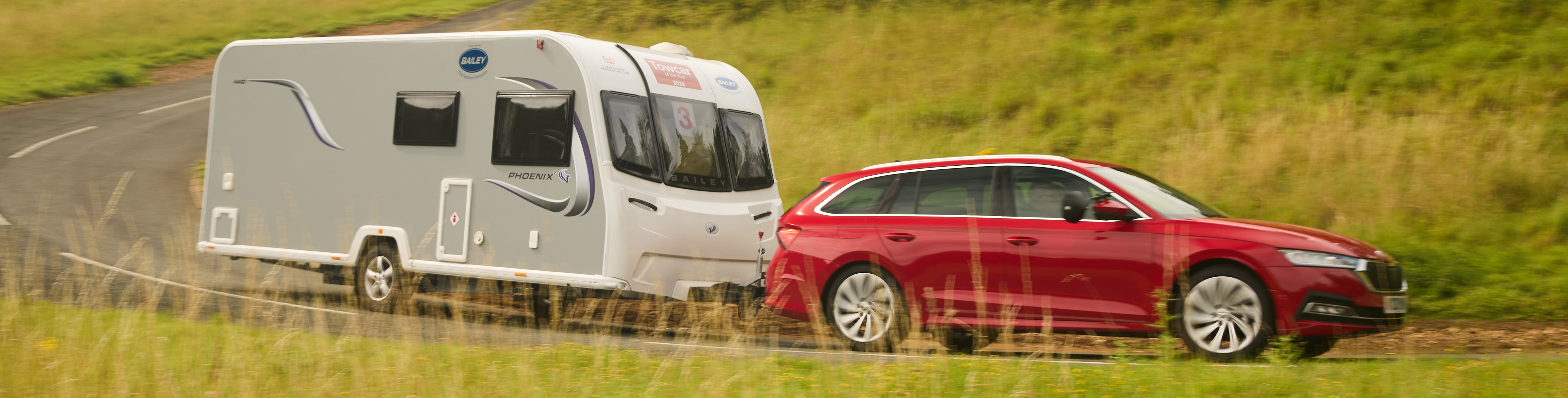
If you’re looking for a car capable of towing your caravan, then you’re not alone – it’s estimated that there are more than 500,000 touring caravans in regular use across the country.
Although the stereotypical image of the car hauling the caravan along is either a large estate or a rugged SUV, not every tower wants or needs such a big or heavy vehicle.
That’s why our road-testing experts have selected a mixture of bodystyles across an array of models at various price points, all of which can legally pull along at least 2000kg – about the same as a typical four-berth caravan.
Our best tow car choices also put paid to urban myths that hybrid and electric cars aren’t up to the task. While it’s true that several such cars aren’t homologated to tow heavy loads, there are a self-charging hybrid, a pair of PHEVs and two EVs among our selection.
With petrol and diesel prices on the rise, many motorists are choosing tow cars that reduce their running costs when they don’t have their caravan hitched to their cars, but which can tow them without struggling when it comes to holiday time.
1. Land Rover Defender 110
Tows up to 3500kg
.jpg)
Family cars don’t come much more practical than the Land Rover Defender 110. There’s plenty of room inside for up to seven people, with lots of luggage space behind. Oh, and it can tow 3500kg as though it were the proverbial rice pudding skin. Even at the 85% kerb weight limit, that’s still 2070kg.
If you’re unfamiliar with these popular Land Rovers, the 110 is the middle of the three body sizes available. The shorter Defender 90 is more capable off road but less accommodating inside, while the largest Defender 130 is positively cavernous and less wieldy to drive, plus its heavier bodywork means it tows 500kg less than the 110.
When you go for a test drive, we recommend taking your caravan with you. While the Defender’s spare wheel mounted on its side-hinged rear door shouldn’t be a hindrance, it’s worth double-checking that it doesn’t foul your caravan in anyway before agreeing to buy one.
There’s a range of engines to choose from, but we like the least expensive D250 diesel’s rich seam of pulling power for swift acceleration and fuel efficiency that isn’t quite as bank account-bashing as the other choices. Without your ‘van attached, you should achieve 30mpg when driven considerately.
It’s as sturdy and stable on the road as it looks, handling with surprising poise and agility yet able to tow caravans along with minimal fuss, particularly on versions specified with Land Rover’s excellent air suspension system.
Overall, we rate the Land Rover Defender 110 as a sublime family car – whether or not you’re towing.
2. Polestar 3
Tows up to: 2200kg
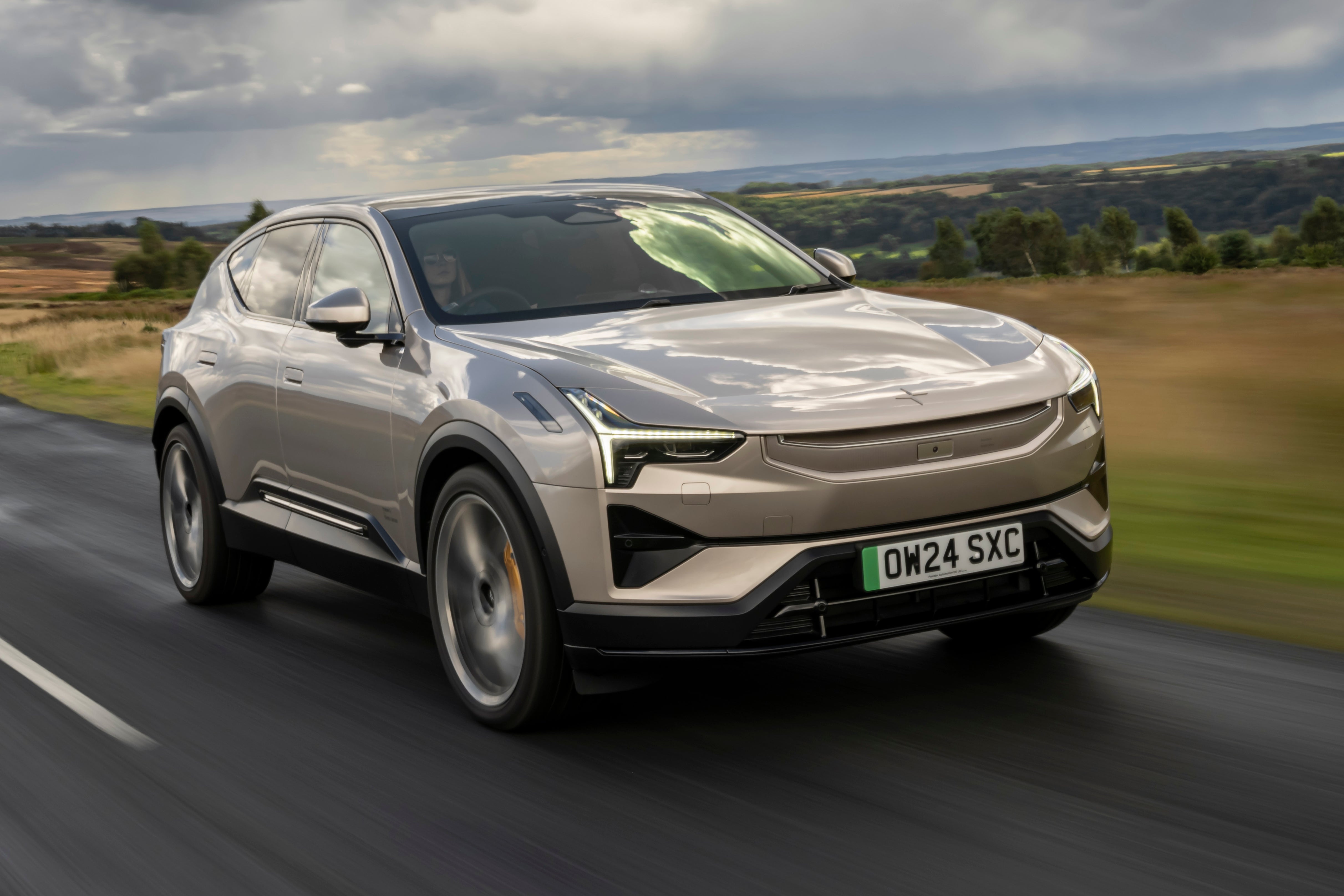
If proof were need that electric cars and caravan towing weren’t mutually exclusive, then look no further than the Polestar 3 Dual Motor with all-wheel drive. This sleek and spacious SUV’s headline figure of a 2200kg maximum towing capacity doesn’t sound especially impressive, but that its 85% kerb weight figure of 2116kg really is.
Thanks to its air-cushioned suspension which enables the Polestar to waft along when not towing and remain utterly composed when it is, everything about this electric SUV feels effortless and comfortable. Well, aside from the fact that so many of its controls are accessed via its touchscreen.
Even a gentle prod of the Polestar 3’s accelerator arouses a surge of torque to propel you forwards, meaning you’ve more chance of nipping into gaps in traffic that you might otherwise elect to miss with your caravan behind you.
According to its official test results, the Polestar will cover 394 miles before needing plugging in – that’s going to be closer to 350 miles when you’re not towing and sub-300 when you are.
One word of caution if you’re a fan of extended towing mirrors when caravanning – due to the frameless shape of the door mirrors on the Polestar, there are no significant lips to clamp them onto, so you might need to find an alternative solution.
3. Mercedes-Benz E-Class Estate
Tows up to: 2100kg
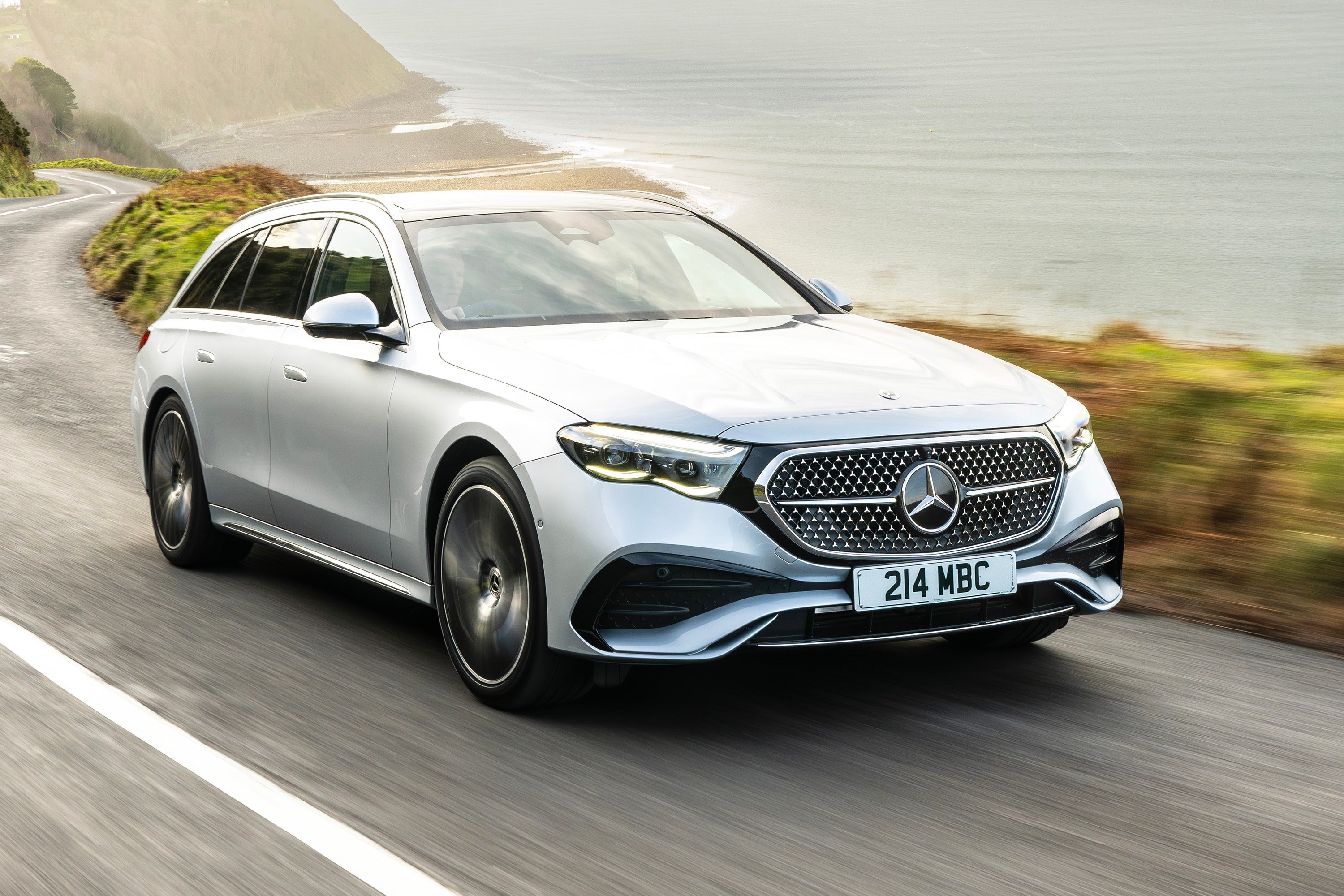
A perennial favourite of carvanners past and present, the Mercedes-Benz E-Class Estate is an intriguing choice in the guise of the plug-in hybrid E300de we’re championing here.
Up to 67 miles of electric-only driving range – without a caravan behind – is impressive, making local journeys cost-effective. Its refined yet torquey diesel engine, combined with electrical hybrid power, combine for economical cruising and consummate towing strength. Overall you should enjoy somewhere around the 55mpg mark for diesel efficiency.
The E300de’s 2100kg maximum towing capacity is matched by other E-Class Estates, but because it’s heavier than most of the others, its 85% limit rises to 2068kg. Compare that with the mild hybrid E220d’s 1793kg figure.
Climb aboard the E-Class and you’ll luxuriate in a cossetting environment that feels more limo than workhorse. Note that the PHEV’s battery means the boot space is 155 litres less generous than non-plug-in versions, but with 1675 litres of overall cargo volume, it’s hardly impractical.
What might prove more divisive is the Mercedes’ glitzy, screen-laden dashboard, together with a veritable rainbow of interior lighting patterns. We would much rather it had physical controls for functions such as adjusting the interior temperature, but as touchscreen-based systems go, it’s one of the better packages.
Browse used Mercedes-Benz E-Class Estates for sale on Drive →
4. Range Rover Evoque
Tows up to 2000kg
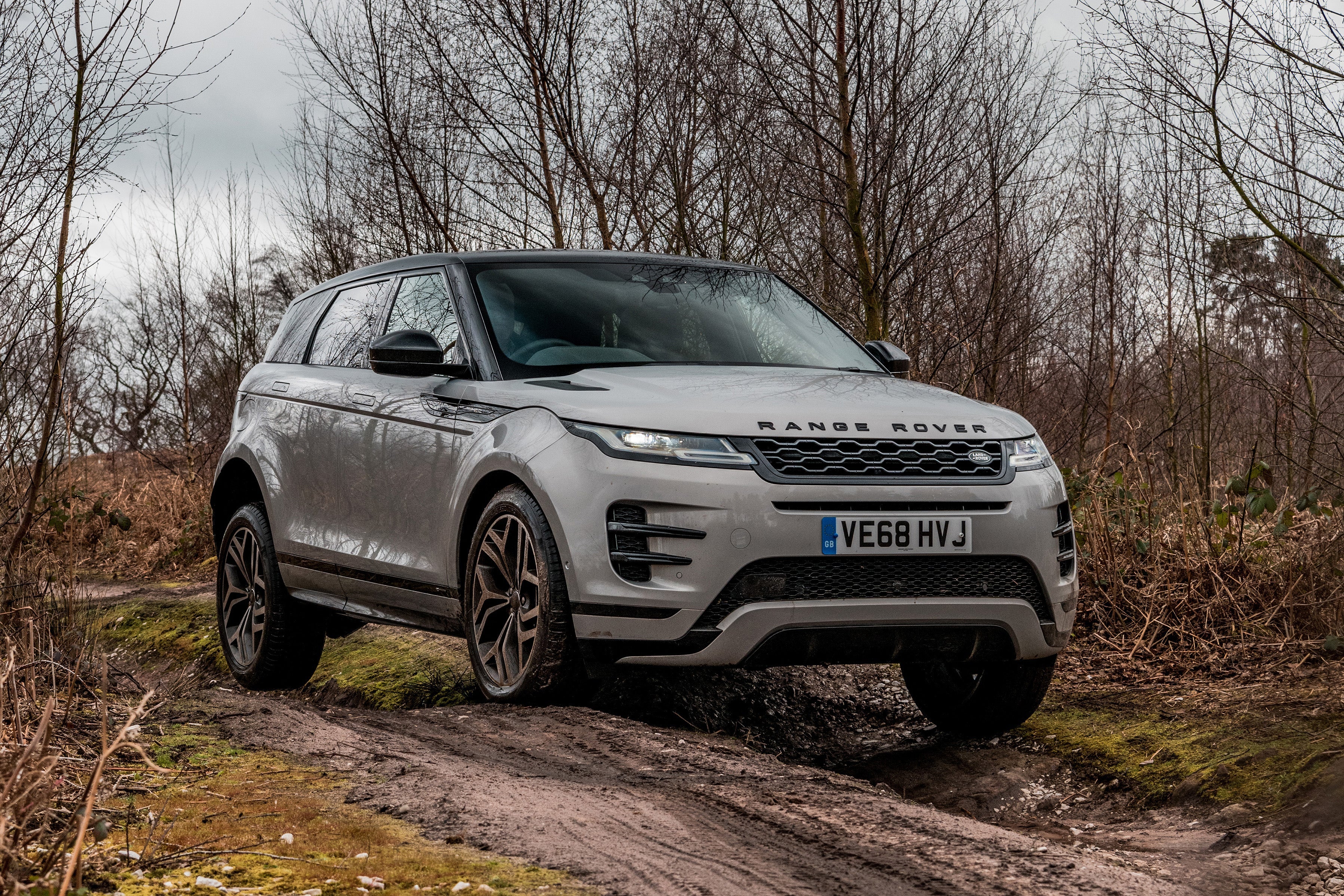
Despite being one of the oldest compact but upmarket SUVs on the block, the Range Rover Evoque is still the one to have when it comes to towing. Sure, others can trump its 2000kg maximum towing capacity, but because it’s on the hefty side, the diesel-powered D200 will still pull along 1650kg if you’re sticking to its 85% of kerb weight figure.
Yes, the BMW X1 is more engaging to drive than the Evoque, although the smallest Range Rover hardly disgraces itself in this regard, with a sensible balance of agility and comfort. It also feel very upmarket, especially so in its more expensive trim levels, but there’s less space than you’ll enjoy in an Audi Q3.
Performance is adequate from the D200 and it’s certainly worth the £1100 extra you’ll spend compared with the entry-level D165. Its amplified power and torque come into their own when hauling a two-tonne caravan along and when you aren’t you can realistically expect around 39mpg from the engine.
That large grey thing? Oh, that’s the elephant in the room about Land Rover reliability – note that the Range Rover Evoque is one of the company’s better products in this regard, so you can feel more assured about its dependability.
5. Volkswagen Caravelle
Tows up to: 2000kg
.jpg)
We’ll be the first to admit that we get into a bit of a froth about the Volkswagen Caravelle. No, not the people-carrier based on the T6 Transporter van – the Caravelle name has been resurrected on the facelifted version of what was formerly known as the VW Multivan.
Old name, newish car, same useful tow car which can merrily pull up to 2000kg or 1813kg if you’re sticking to its 85% of kerb weight recommendation. Just remember that packing the Caravelle’s adaptable interior to its 717kg limit and towing the maximum load may mean that its 150PS TDI engine won’t feel anywhere near as responsive, so plan your junction pull-outs carefully.
Thanks to the VW’s height, there’s plenty of surface area to cut through the air ahead of the caravan, ensuring what you’re towing is more stable and less prone to being buffeted about by gusts as result. Its all-round visibility is a real plus point for low-speed manoeuvres and faster paced cruising.
A word to the wise: take your caravan with you when you’re test-driving the Caravelle. It’s gigantic tailgate is great for accessing the rear of the car, but be sure it’s not going to collide with the bulkhead on your hitch’s A-frame.
6. Škoda Superb
Tows up to: 2200kg
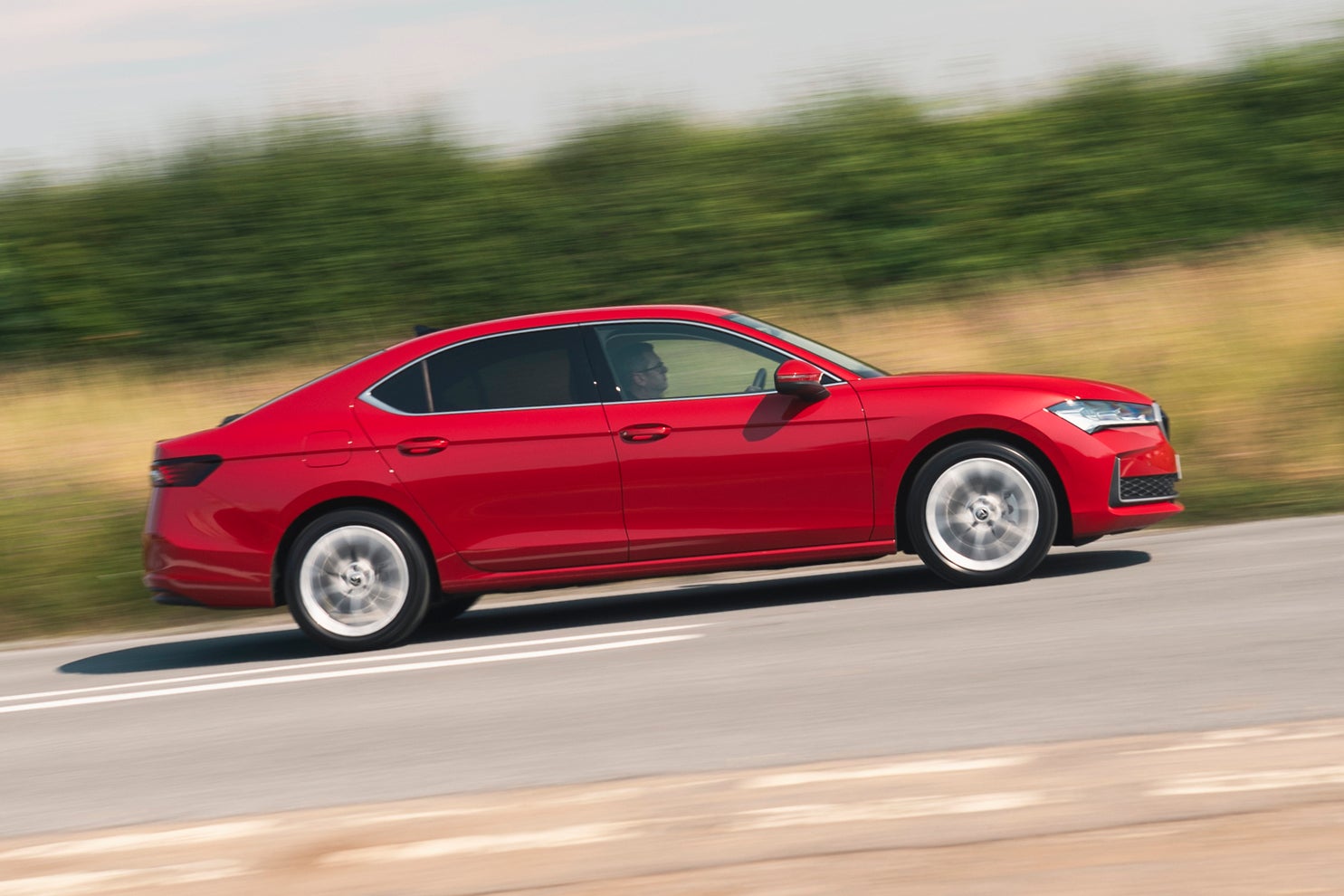
If any car is the epitome of sensibleness, it’s the Škoda Superb – even with a 193PS TDI diesel engine and a traction advantage of all-wheel drive. It makes light work of towing, you see, with up to 2200kg being the maximum it can legally pull along.
We’ve long been impressed by the matter of fact manner of the Superb, especially in this guise. Gutsy performance, the kind of high-speed stability which large cars are renowned for and masses of space inside for people and their stuff. It feels pleasingly upmarket, while should the hatchback version not prove as capacious as your needs require, there’s always the Škoda Superb Estate which can be had with the same engine. When you’re not towing it’ll even return 45-50mpg without trying.
Despite its size, the Superb is surprisingly light, even with its 4x4 system included, meaning its 85% of kerb weight ceiling is modest at 1478kg. What about the estate? It’s only 18kg superior for an extra £1400 outlay.
7. Volvo V60
Tows up to: 2000kg
.jpg)
While Mercedes’s E-Class Estate represents one tow car trope, the Volvo V60 is its opposite number. Sadly, some traditions do change and Volvo estates are one of them – the dinkier V60 is now the Swedish brand’s sole wagon now that the larger V90 has fallen out of production.
Not that at 4778mm the V60 is small-small, of course, and inside it feels positively roomy. And despite lacking the E-Class’s enormity, the Volvo’s 2000kg maximum towing capacity is only 100kg adrift of the Mercedes. Even at the 85% of kerb weight level the difference isn’t that pronounced – plus it’s also worth noting that at 1759kg, it’s only 5kg short of the discontinued V90’s capabilities.
Like the Mercedes, the Volvo is also a PHEV, but with the diesel engine swapped for a zesty petrol one. It’s sprightly, with a 5.4-second 0-62mph time – without a caravan out back, of course – with lots of low-speed grunt and all-wheel drive grip when you are hauling. We found the V60’s seats a fine balance of support and comfort, ideal for keeping you feeling on top of a long drive.
According to the official tests, the V60 will cover 61 miles on electric power before needing plugging in, but keep that battery regularly topped up and you should easily average 60mpg. Not bad for a 335PS sporty wagon.
8. Audi A6 Sportback e-tron
Tows up to: 2100kg
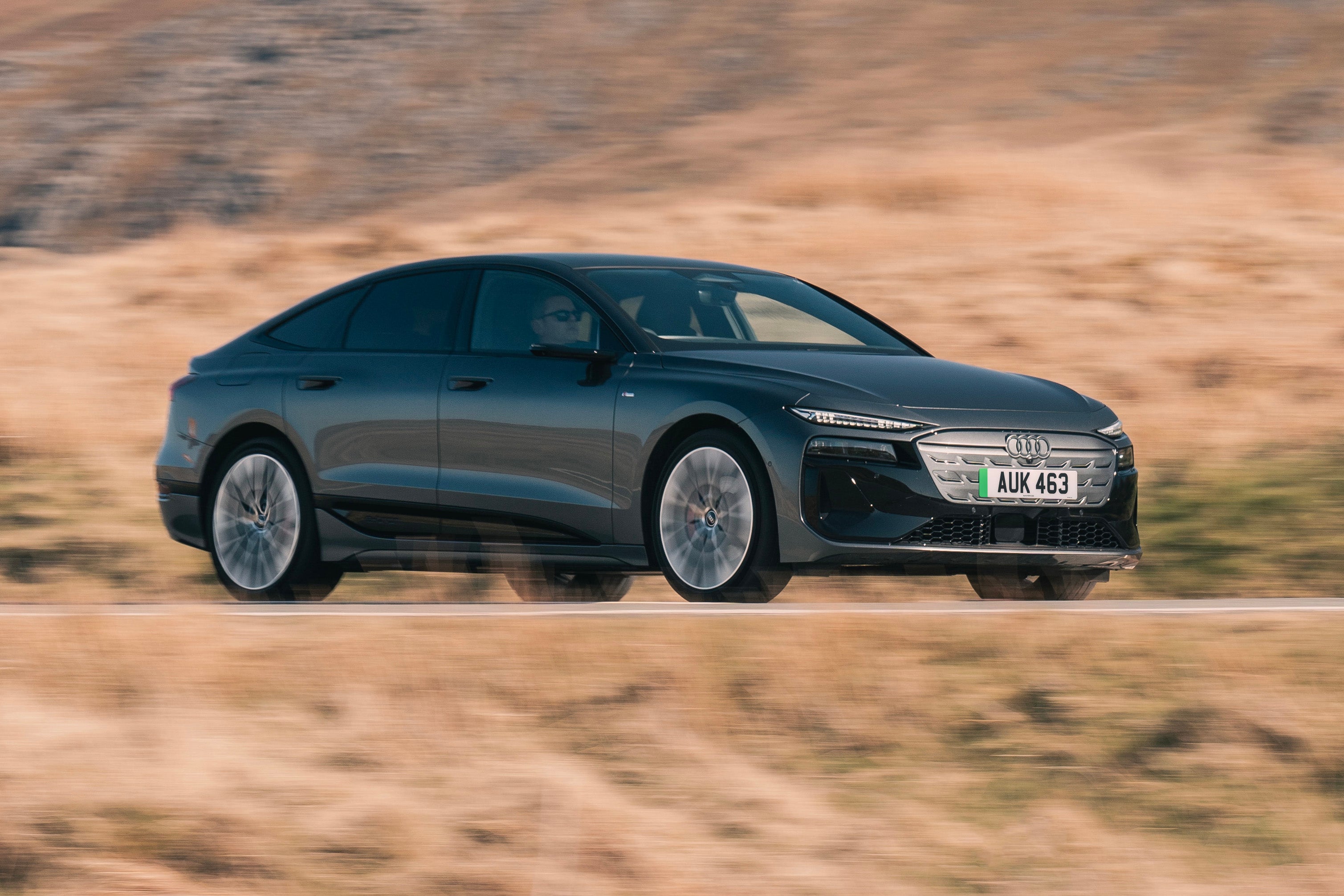
No, you’re not imagining things – the sleek Audi A6 Sportback e-tron is the second electric car in our rundown of the 10 best tow cars. How come?
Well, the quattro version’s dual-motor arrangement provides oodles of torque and all-wheel drive traction aplenty, so there’s plenty of go at your right foot’s disposal when towing. While all A6 e-trons can pull along 2100kg, we additionally went for the quattro because of its chunkiness, which boosts the 85% weight recommendation up to 1942kg.
Although it looks coupe-esque in shape, there’s plenty of space aboard the A6 Sportback e-tron for passengers and their luggage. Pop the enormous tailgate and you’ve 502 litres of space at your disposal with further capacity under the bonnet.
There’s a sense of robust luxury to the Audi’s interior fixtures and fittings, but as with many new cars, its dashboard is a touchscreen technofest, lacking some of the classiness previously associated with the brand.
Comfortable, sure-footed and confident-inspiring to drive, over 300 miles of driving range when you’re towing isn’t beyond the realms of possibility.
9. Mercedes-Benz CLA
Tows up to: 2000kg
.jpg)
We’ve picked the latest-generation Mercedes-Benz CLA because it’s the smallest non-SUV which is still capable of towing 2000kg. That said, at just 7cm shorter than the Mercedes C-Class Saloon, it’s not exactly titchy.
Although the CLA Electric has been gaining much of the attention, it’s the mild hybrid petrol CLA220 4Matic which is earning its stripes among the 10 best tow cars. And yes, 4Matic is Mercedesspeak for all-wheel drive traction, meaning getting the car and your caravan quickly up to speed from a standstill is that bit easier. It’s only a 1.5-litre engine but it packs 300Nm of pulling power.
While not a massive car, the CLA’s 85% figure of 1574kg is greater than the Skoda Superb’s above. As impressive as that is, our testers were less fond of the Mercedes’ restricted rear seat space and very plasticky dashboard, housing up to three screens.
Being so low slung does mean the CLA’s trickier to see out of than a taller SUV with deeper windows, but its windcheating aerodynamics mean its very fuel efficient when not towing – expect a minimum of 45mpg in the real-world.
10. KGM Rexton
Tows up to: 3500kg
.jpg)
KG what? Yes, in all likelihood, the KGM Rexton isn’t going to be a familiar name to many people, but you may have awareness of it before its rebrand. Have you heard of the SsangYong Rexton?
Okay, never mind. What’s more important is that this is a large, seven-seater SUV capable of towing up to 3500kg, yet it’s also the least expensive car in this top 10. With an 1853kg 85% of kerb weight figure, it can out-haul most of the others here, too.
The downsides are that the Rexton isn’t the most polished of cars, lacking handling sophistication when driving off the road, while not being eye-openingly capable when taken off the asphalt, either. If you cut your teeth towing caravans with old-school off-roaders, you’ll feel at home with the KGM.
But you are getting a lot of vehicle for your money, with robust build quality and material finishes that by and large don’t feel cheap. It’s a shame it doesn’t have that final degree or two of being properly developed, such as its boot which could carry even more with greater ease if only the rear seats lay flat when folded over.
If you can live with the Rexton’s idiosyncrasies and enjoy it for its towing prowess, you’ll never tire of its value. Keep that in mind when its diesel engine’s struggling to reach 30mpg when you don’t have the caravan attached.
It's a simple reason, really: heavier cars are more likely to be able to provide stable, assured handling, which won’t be dramatically affected when it has a substantial caravan hitched to its rear.
Heavier cars also raise the recommended 85% of kerb weight limit for safe towing, particularly for those inexperienced in the art of hauling caravans.
Lighter cars are more likely to be negatively influenced when towing a heavier load, hence their maximum capacities are significantly reduced.
All-wheel drive makes a lot of sense when towing. A 4x4 vehicle usually has more traction, which helps when pulling a caravan out of a grassy field, but it also provides more reassurance on hills or in poor weather, too.
That said, it’s not strictly necessary to have an all-wheel-drive vehicle to tow and it could even be deemed excessive if you only own a small caravan.
This is something of a fallacy. Although many hybrids and EVs are homologated to tow low-weight caravans and trailers – if they can be fitted with a tow bar at all – this is usually a deliberate decision by car manufacturers to preserve the efficiency of the electrical drive system.
Just as towing increases fuel consumption, it also negatively impacts electric driving range.
Spend an extra £2036 on the optional Offroad Package, as well as a further £1041 on an automatically retracting towbar and the result is a Porsche Cayenne Electric with a 3500kg maximum towing capacity – the first EV on sale to reach that figure.
Forego the Offroad Package and the Porsche will still haul along 3000kg with ease.