12/10/2026
Best small cars: The ultimate UK buying guide

Written By David Ross
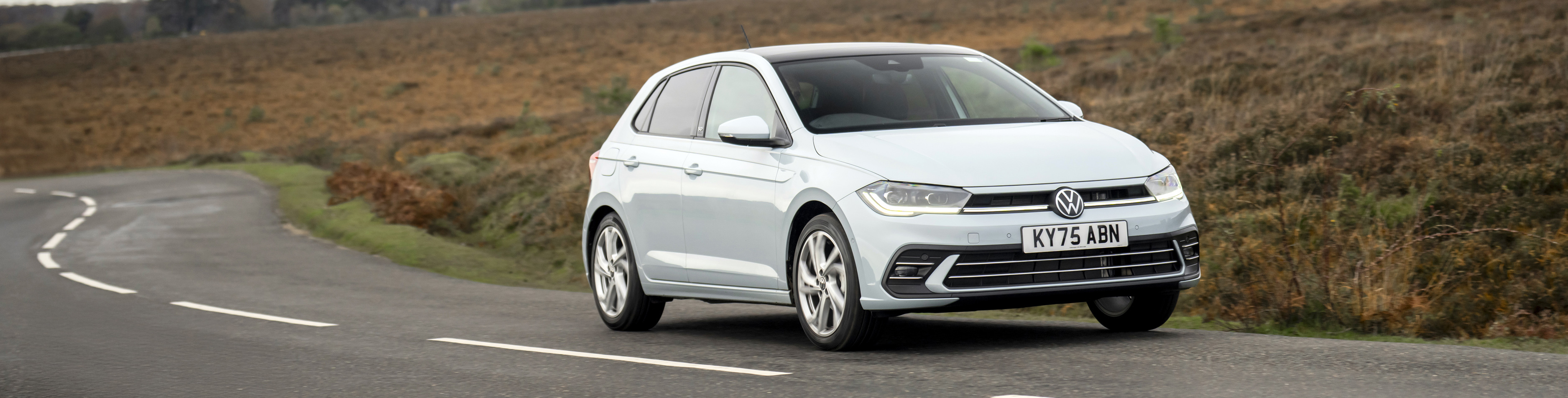
The small car market is rapidly changing and with the rise in popularity of SUVs, we have even seen Britain’s favourite car, the Ford Fiesta, discontinued. The good news is that there’s still plenty of choice whether you want something simple and affordable, a practical and cheap to run hatchback or a premium-priced model that’s happy on the motorway. There’s a small car built for the job.
While that’s great for car buyers it also means that trying to narrow down your choice and find a car that’s right for you is not as simple as you might expect. Add in the confusing mix of mild, self-charging and plug-in hybrid tech – trying to navigate the small car buying journey can quickly feel overwhelming.
That’s where we come in. To help you make an informed decision we’ve stripped away the glossy dealer brochures and marketing spiel in order to create a simple buying guide to small cars, matching them directly to how you actually live and drive.
The Drive small car shortlist
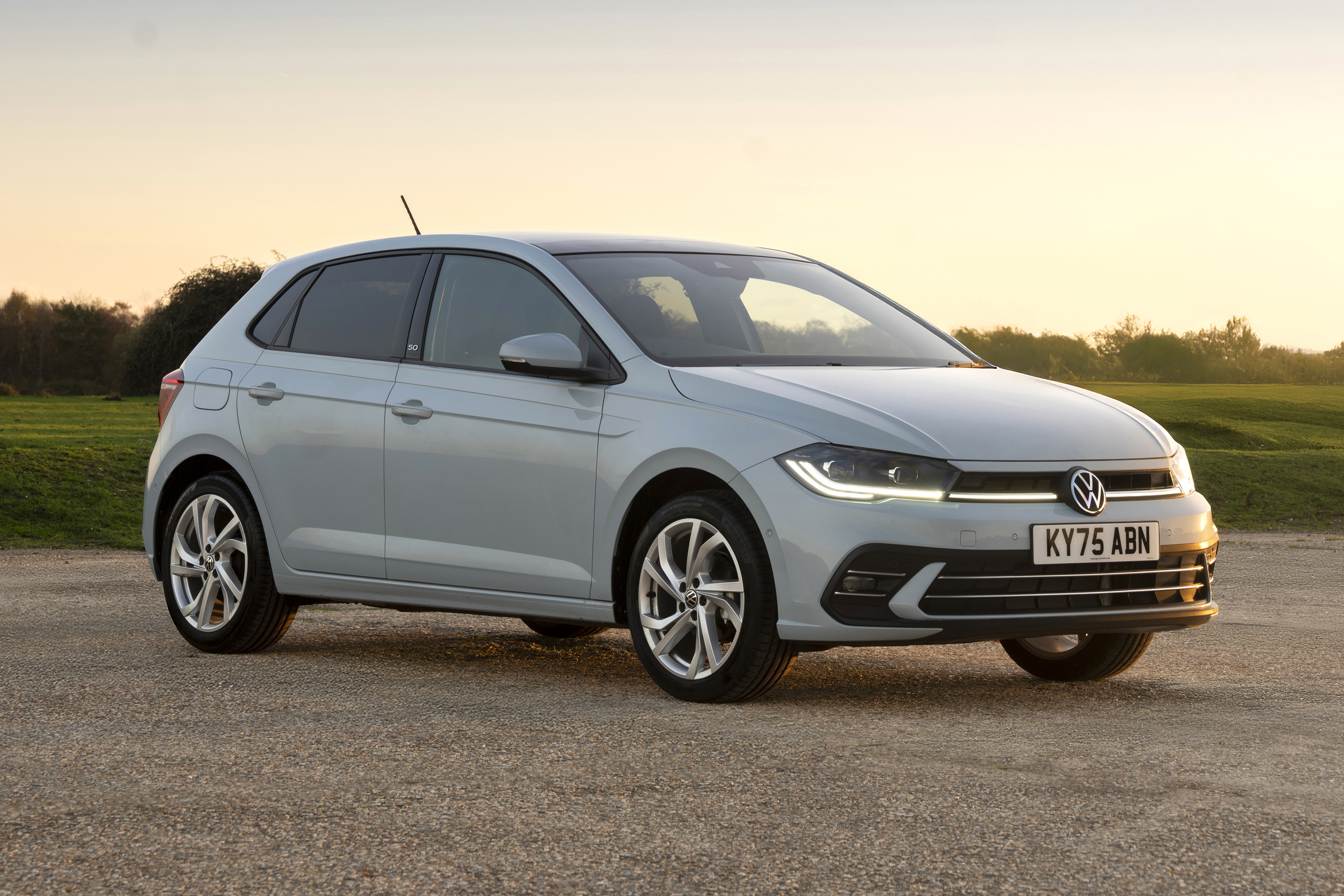
Best overall small car: Volkswagen Polo – The benchmark for big-car refinement, interior quality and long-term resale value.
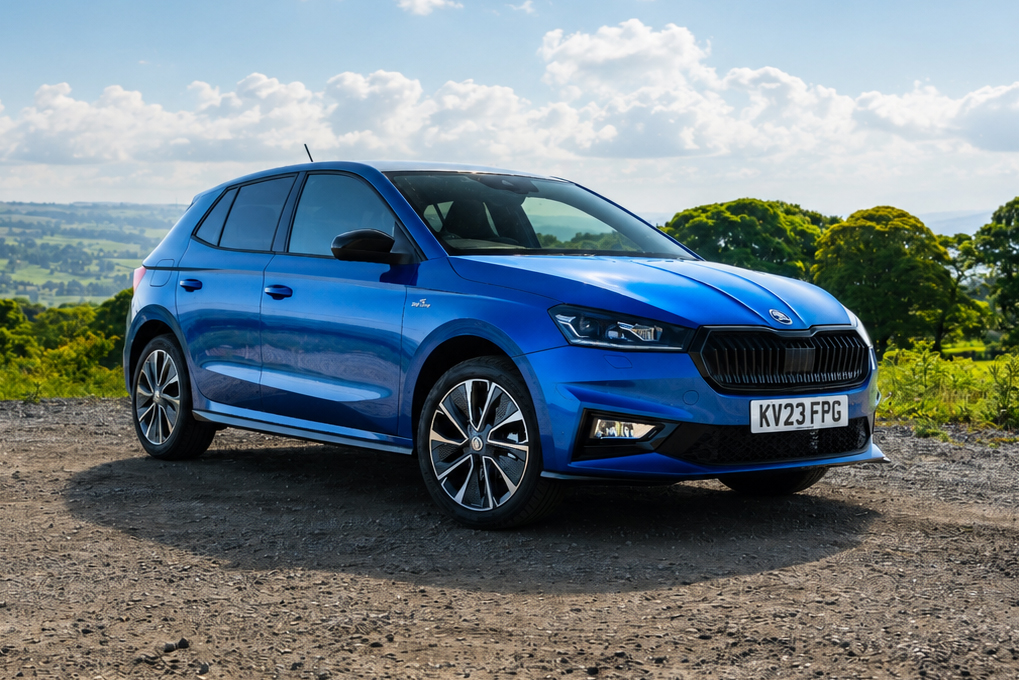
Best small car for families: Skoda Fabia – Clever interior packaging means generous legroom for growing children.
Best used small car: Ford Fiesta - The best handling small car that’s cheap to maintain and universally understood by mechanics.
Best budget small car: Dacia Sandero – Honest and affordable giving you everything you need and nothing you don't.
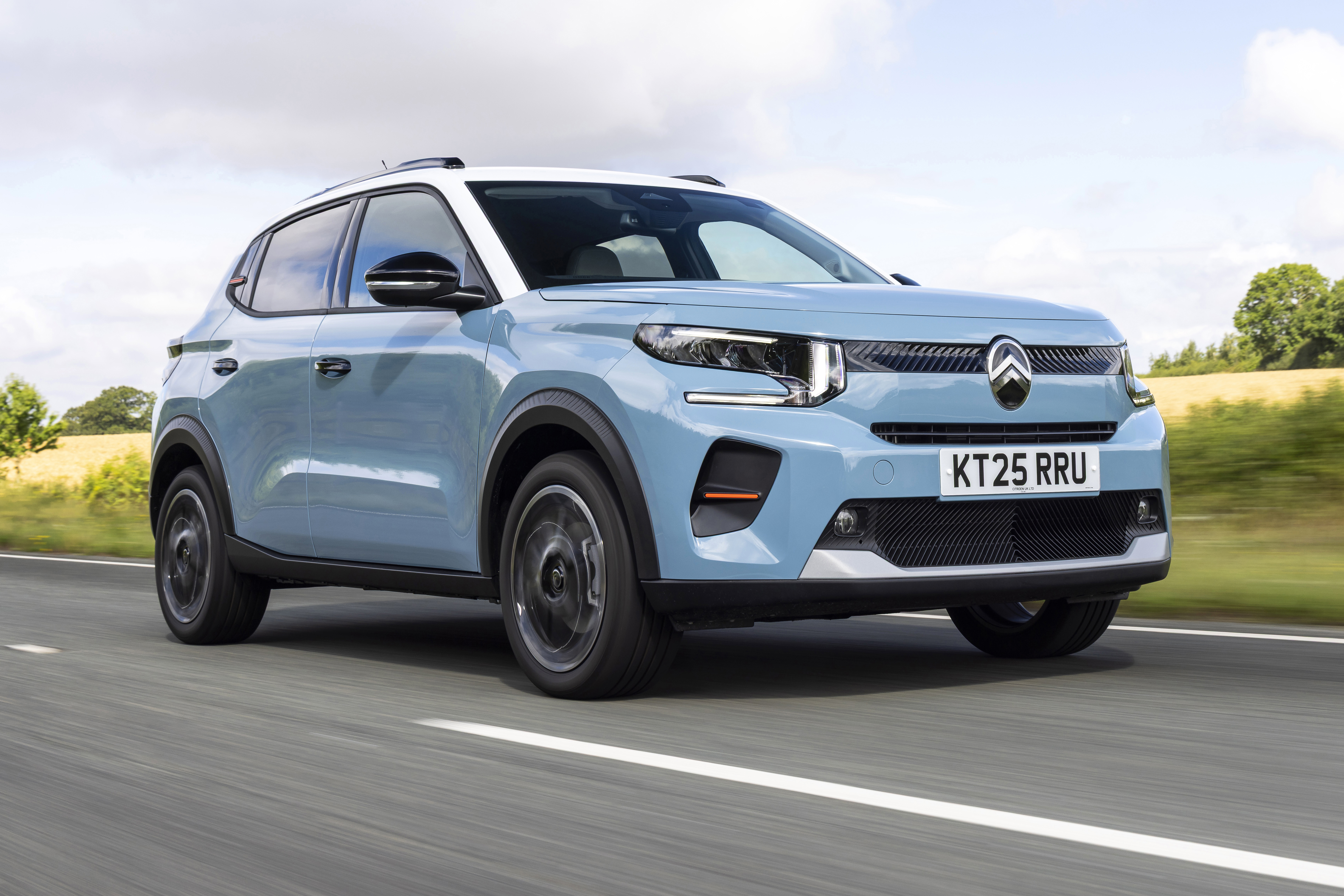
Best small car for comfort: Citroen C3 – Super-comfortable seats and supple ride quality
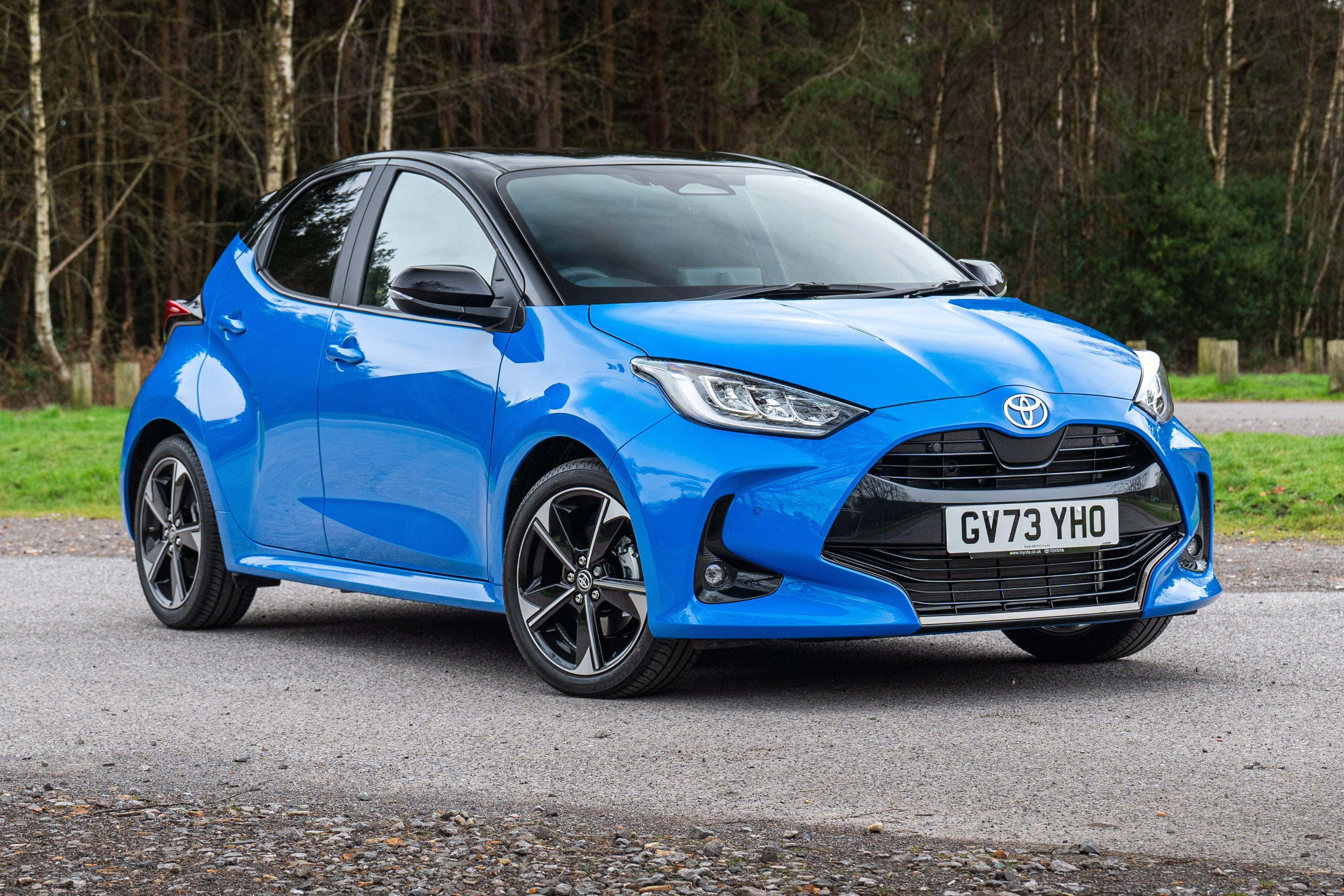
Best hybrid small car: Toyota Yaris – Bulletproof reliability and effortless 65mpg+ economy.
Best electric small car: Renault 5 E-Tech – Full of charm and with a useable real world range
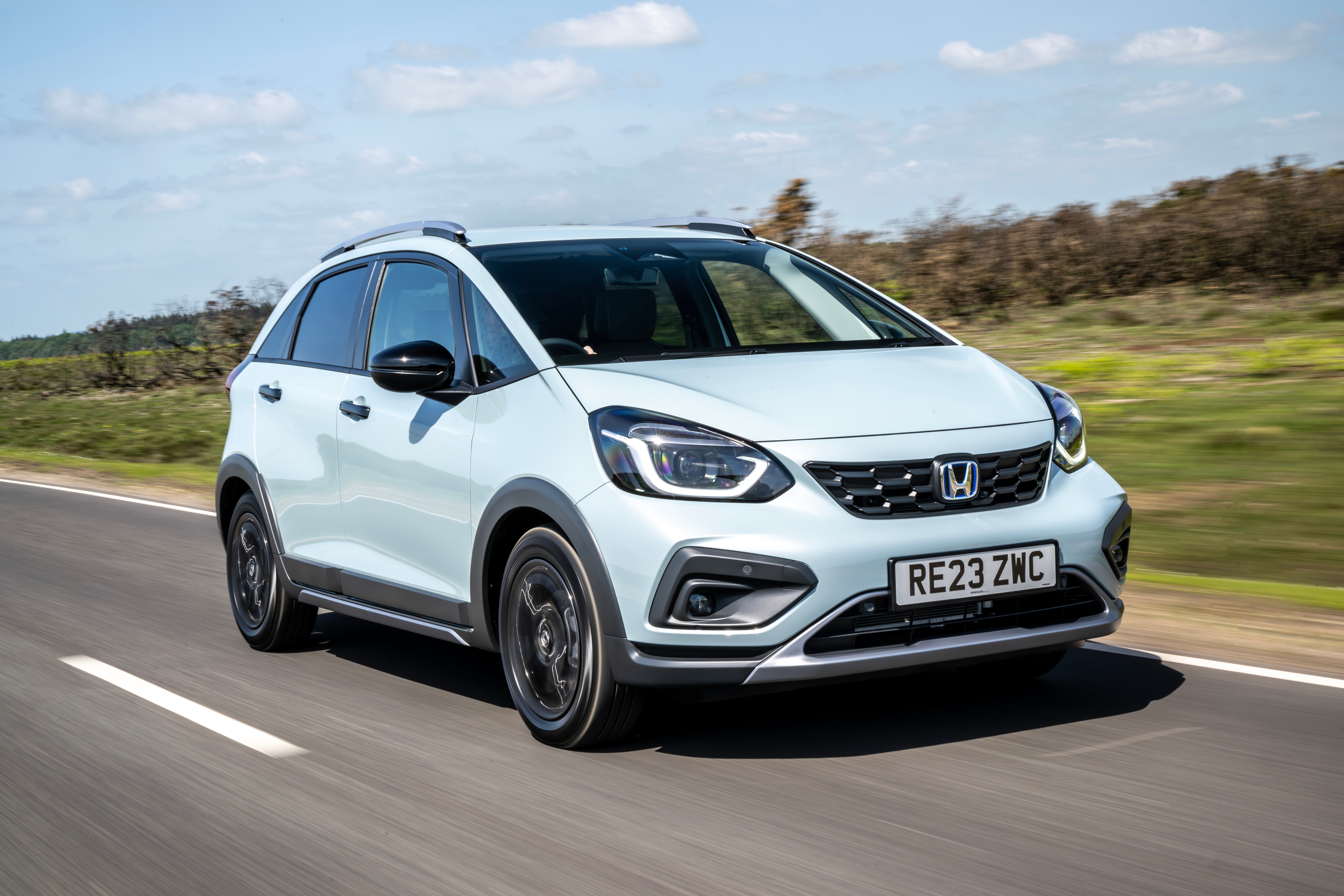
Most practical small car: Honda Jazz e:HEV – Innovative Magic Seats create a flexible load space.
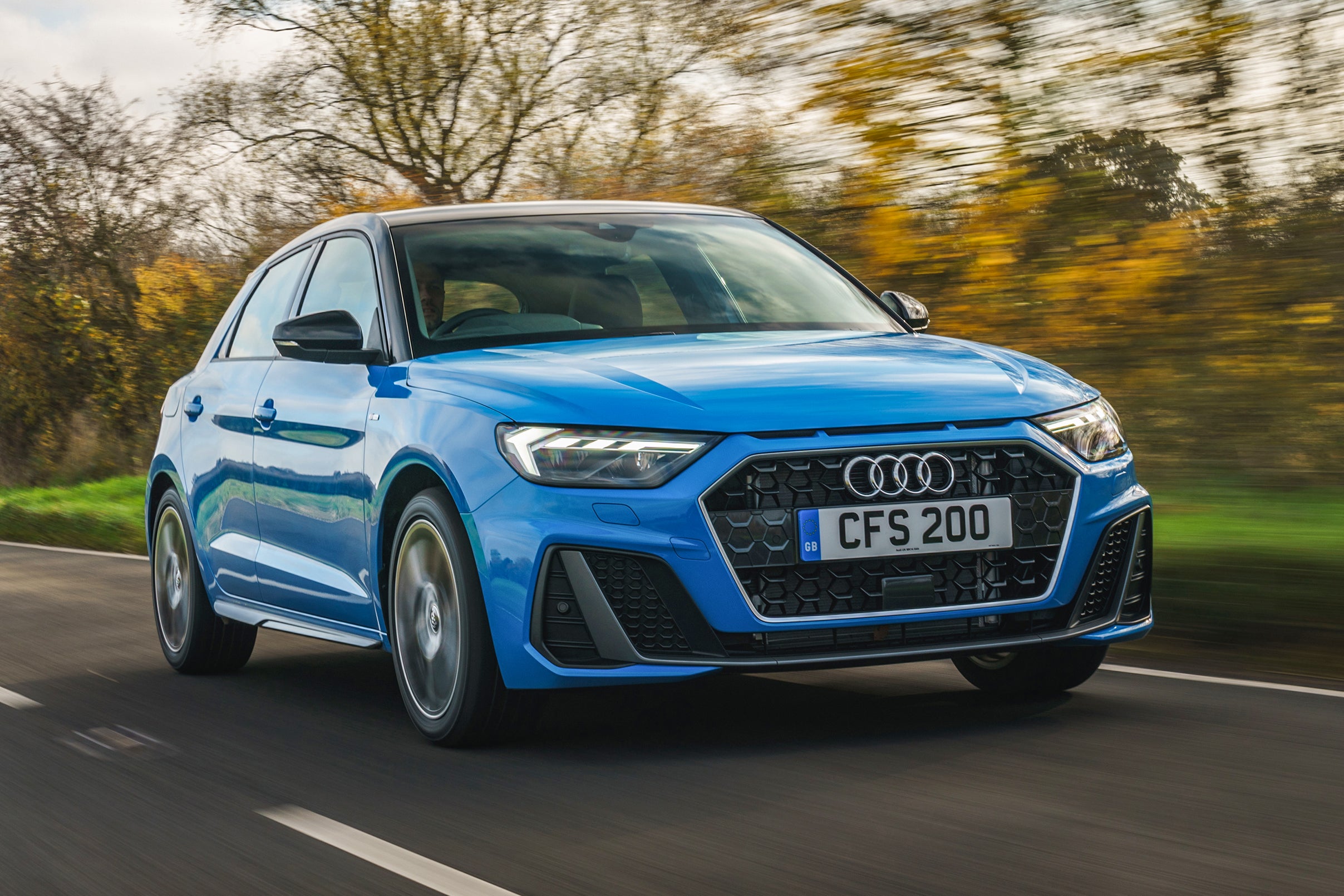
Best small car for motorways: Audi A1 – High quality cabin and refined ride that makes long commutes effortless.
Best small car for learners: Vauxhall Corsa – easy to drive and cheap to own plus plenty to choose from secondhand.
Best small cars for families
Many people’s instinct is to buy an SUV the moment their first child arrives, but this isn't always necessary. A modern small car can often comfortably handle the chaos of family life, provided you choose the right model. Many modern hatchbacks actually offer wider rear door openings and lower loading heights than similarly sized SUVs.
What's important is the distance between the front and rear seats – crucial when you're fitting a rear-facing child seat – plus, of course, the boot. Overall capacity in litres isn’t always the be all and end all – how that space can be used is far more important. If you’re going to look at a car in a showroom, don’t be afraid to take your pushchair so you can see if it fits.
The Skoda Fabia is a great choice here, thanks to its longer wheelbase. This means more rear legroom so you can fit a bulky Isofix child seat in the back without forcing your other half to sit so far forward they become good friends with the windscreen.
Crucially for families, the Fabia boasts a 380-litre boot – which is only one litre shy of the Volkswagen Golf's. It will comfortably hold a full-size folded travel buggy and a weekly supermarket shop, just don't get carried away at Lidl.
Skoda’s cabin durability is ideal if you have young children. The plastics on the rear door cards and seatbacks are hard-wearing and easy to wipe clean, meaning muddy scuffs from toddlers' shoes and mushed-up banana won't cause permanent damage.
Along with the Fabia, we’d also suggest the Honda Jazz. It’s cleverly designed for versatility and as a small car for a family of three or four, it is one of the most flexible choices.
It’s fitted with Honda’s innovative Magic Seats, allowing you to flip the seat bases completely upright to carry tall items in the cabin. At 304 litres, the boot looks modest on paper. However, the opening is completely square and there’s virtually no load lip, making it easy to lift awkward things in and out. It also has exceptionally thin front pillars to give the driver a good view and reduce blind spots, making the school run much less stressful.
Best small cars under £10,000
A budget of £10,000 gives you plenty of choice when it comes to good quality secondhand small cars, although as ever it pays to tread carefully. At this budget you can find lots of choice between four to seven years old..
We's argue that a third-generation Dacia Sandero (2021-2023) is a good choice. While older Sandero models felt basic and unrefined, the post-2021 model sits on the modern Renault Clio platform. This means it handles better and feels more refined.
For under £10,000, you can easily find a clean, one-owner Sandero in mid-spec Comfort or Expression trim with under 40,000 miles. It’s powered by a turbocharged 1.0-litre three-cylinder engine (the TCe 90) that is cheap to insure and easily returns 52mpg. The interior is simple and unpretentious but still feels well screwed together.
If you want a bit more style, look for a 2018-2020 SEAT Ibiza. It shares its engines with the Volkswagen Polo, meaning parts are readily available. The Ibiza’s steering is tuned to feel sharper than the Polo's while its sharper design has held up well. Look for the 1.0 TSI petrol model with 95PS which strikes a good balance between lively performance and low insurance costs.
The Kia Rio is another sensible choice. It may lack flashy styling but gives you a robust cabin featuring physical climate controls (which we much prefer). Avoid the rather sluggish 1.2-litre engine and instead go for the punchy 1.0-litre T-GDi turbo. Because these models came with a 7-year/100,000-mile warranty, many 2020 examples under £10,000 will still have a part of the official factory cover.
Buying used? Browse SEAT Ibiza cars for sale on Drive →
Best small cars under £15,000 used
Upping your budget to £15,000 moves you clear of high-mileage cars and means you can look at newer examples, or those with a better specification. The best choice here is a late-model Ford Fiesta (2021–2023) featuring the 1.0-litre EcoBoost MHEV engine. There are lots on the used market and a £15,000 budget will secure a late-plate low-mileage Fiesta in the sporty ST-Line or Titanium trim.
The mild-hybrid system uses a 48V starter-generator that recovers energy during braking to assist the engine under acceleration, meaning real-world fuel economy is closer to 55mpg. Do remember though that this engine has a wet belt which has a poor reputation. So you need to make sure it has a full service history and check that the correct Ford-approved oil has always been used. If the car has exceeded the recommended service intervals then avoid.
The Fiesta is well known for its keen handling. It drives with a feeling of agility and enjoyment that is becoming a rarity these days. Crucially, because millions of Fiestas are on UK roads, parts are cheap and easy to get hold of while pretty much any local garage can service one.
If you want ultimate reliability, you can’t go wrong with a 2020–2022 Toyota Yaris Hybrid. It uses Toyota's well-proven self-charging hybrid system which means it should easily return more than 65mpg. It also sits in low insurance groups brackets and qualifies for the Toyota Relax warranty extension scheme – covering your car for up to 10 years or 100,000 miles as long as you have it serviced at a Toyota dealer.
Buying used? Browse Ford Fiesta cars for sale on Drive →
Best automatic small cars
Finding the right automatic gearbox in a small car is crucial. In the past, many cars of this size were fitted with jerky or sluggish automated manual gearboxes that hampered progress and weren’t enjoyable to drive.
Fortunately, modern automatics in small cars are just about as smooth and responsive as those in bigger models. The Honda Jazz e:HEV is one of the most efficient automatic small cars. It's fitted with a clever fixed-gear hybrid system that acts like a smooth CVT.
Because the Jazz is powered by its electric motor at low speeds, there are no actual physical gears to shift during acceleration. This means smooth performance along with impressive fuel economy of 65mpg.
Another strong choice is the Citroen C3. Citroen has redesigned its small car giving it a chunkier, slightly raised, SUV-inspired design. It’s available with a 48-volt Hybrid 110 engine and a clever six-speed dual-clutch automatic transmission with an integrated electric motor.
This makes for effortless driving around town as it will drive on electric power for much of the time. It is also fitted with Citroen’s Advanced Comfort Suspension, which provides a floaty and forgiving ride over broken surfaces without the wallowy cornering of the previous-generation C3.
If you’re looking for a small automatic for longer distances, the Volkswagen Polo paired with the seven-speed DSG (Direct-Shift Gearbox) is a strong choice. This dual-clutch automatic system works by pre-selecting the next gear before you even need it. The result is fast changes that keep the turbocharged engine in the most efficient power band. It gives the Polo the high-speed refinement of a much larger car.
Buying used? Browse automatic Honda Jazz cars for sale on Drive →
Best small cars for dogs
Attempting to transport a dog in a small car isn’t always that easy. If you own a small terrier, you’ll have few problems, but if you have a medium to large dog, such as a spaniel, you’ll need more space – a standard small car boot probably won’t give enough room.
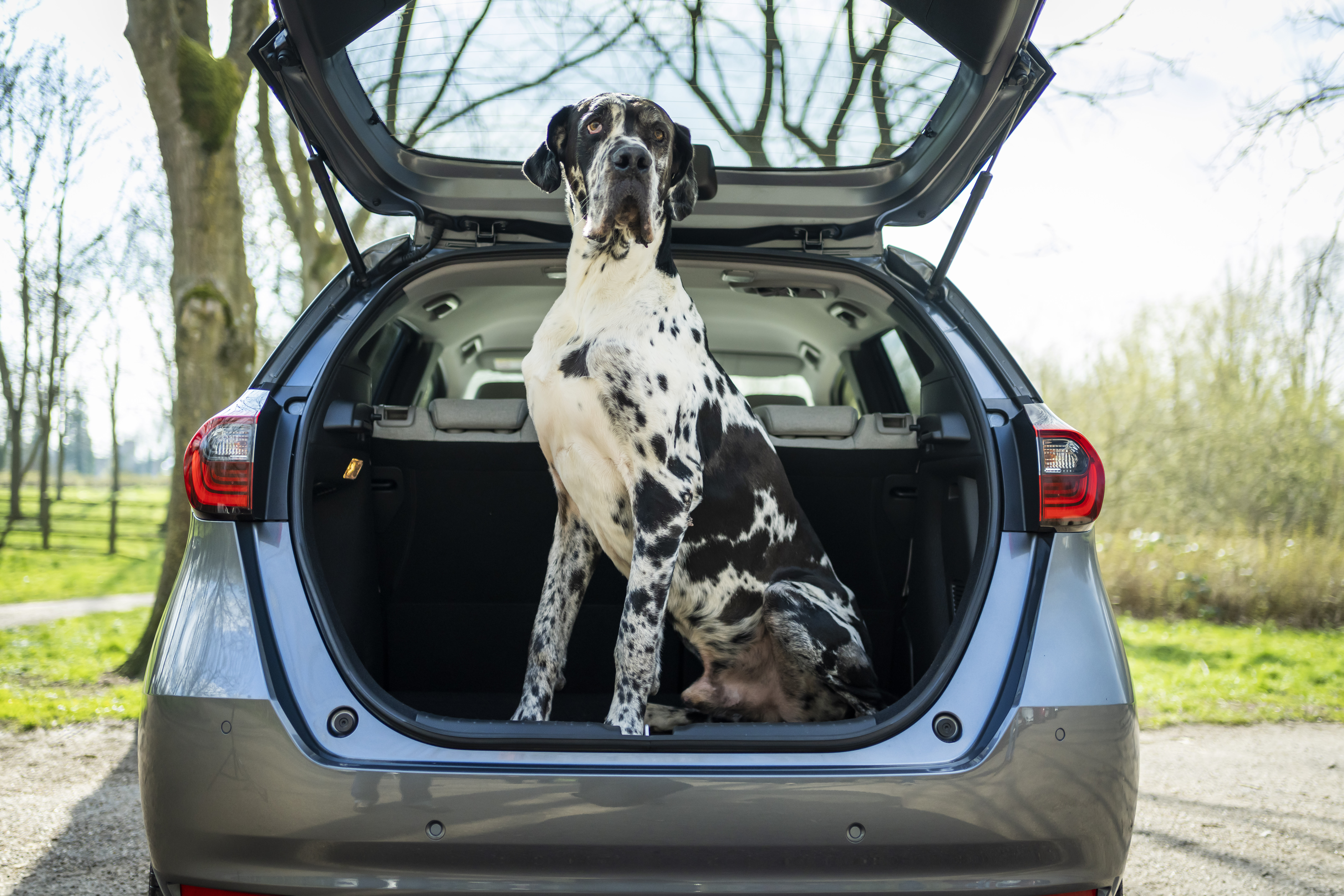
Fortunately there are some very dog-friendly small cars. The Honda Jazz e:HEV is ideal thanks to its Magic Seats in the back – the seat cushions flip completely upright against the backrests. This creates a large space so your dog can step straight in through the wide-opening side doors without having to jump over the high rear bumper.
Because your dog is sitting in the middle of the car, there’s far less bouncing over uneven roads than in the boot, meaning a much smoother ride for an anxious pet. Usefully, the floor is lined with hard-wearing carpet while the low window line means taller dogs can see out clearly without needing to stand on its hind legs.
Similarly practical is the latest Citroen C3 with its mini-SUV style. Thanks to its more upright design, which is a bonus for humans' headroom, it is also highly practical for pets. The upright tailgate opening means good clearance for a dog to sit comfortably without its head hitting the rear windscreen.
If you need to use the actual boot for a dog or a small travel crate, the Nissan Micra (2017-2022) is an often overlooked car. Unlike many rivals, which have intrusive plastic wheel arches in the boot, the Micra has straight and vertical boot sides. This makes it easier to fit a standard dog crate flush against the back of the seats. The boot floor is also dropped quite low which claims back the vertical headroom that sloped tailgates often sacrifice.
Best small cars for motorway driving
The traditional problem with small cars has been high-speed refinement. On motorways at 70mph, compact cars are prone to buffeting from crosswinds and passing trucks. Meanwhile, their small engines often have to work at high revs to maintain speed, making them noisy and unecomomical.
But many modern small cars have changed this stereotype. The Audi A1 Sportback shares its foundations with the Volkswagen Polo but benefits from improved acoustics. Audi's engineers have packed the engine bay, structural pillars and door seals with high-density soundproofing.
The result is that at high speeds, the usual tyre and wind noise are kept to a minimum. With the 1.0-litre turbocharged TFSI engine and the seven-speed S Tronic automatic transmission, the A1 is an accomplished motorway car. It’s composed and stable, even in strong winds, feeling like a much bigger car from behind the wheel.
If you’re looking for something a bit cheaper, the Renault Clio is well worth considering. Renault engineered this hatchback for long-distance comfort, giving it an acoustic glass windscreen and foam insulation that mitigates wind and tyre noise at 70mph. Thanks to a wide track, it has impressive high-speed stability, plus the front seats feature long, deeply padded bases that prevent lower-back ache.
One hidden gem for motorways if you're buying used is the Mazda 2, not to be confused with the rebadged Toyota Yaris Mazda 2 Hybrid in this instance. While almost every other manufacturer has switched to small, turbocharged, three-cylinder engines that can be noisy at high speed, Mazda stuck to a naturally aspirated, 1.5-litre Skyactiv-G, four-cylinder engine.
This was more balanced than a three-cylinder, creating less vibration for smoother motorway progress. Mazda tuned the manual gearbox with tall cruising gears so once you reach 70mph and shift into sixth, the engine settles at low revs.
Mazda also prioritised cabin isolation, fitting thick glass and tight door seals that block out the wind noise you often get a high speeds, making the Mazda 2 very quiet at the maximum legal speed limit.
Buying used? Browse Audi A1 Sportback cars for sale on Drive →
Best hybrid small cars
Hybrids are at their best – and most cost effective – in heavy, stop-start traffic where energy can be recaptured when braking, charging the battery in the process. But beware, when it comes to small cars as all is not as it seems.
You need to avoid mild hybrids – MHEVs – if you want maximum fuel efficiency. Instead, stick to full hybrids – also known as self-charging hybrids or HEVs – which can shut their engines down in traffic and drive on pure electric power.
The Toyota Yaris Hybrid is an excellent choice here. Toyota has spent decades refining hybrid technology and it shows. The Yaris uses a 1.5-litre three-cylinder petrol engine along with a compact, high-output electric motor.
In town you are likely to cover 75% of an urban commute under electric power alone. The transition when the petrol engine fires up is seamless and owners see more than 65mpg in real-world driving. Plus because the hybrid system handles the brunt of the mechanical work, wear on brake pads is lessened, meaning lower maintenance costs.
A strong alternative is the Renault Clio E-Tech. Instead of a CVT, the Clio is fitted with an F1-inspired (apparently) automatic gearbox, alongside a 1.6-litre petrol engine and dual electric motors.
Around town, it will operate in pure electric mode for up to 80% of the time, saving fuel and making for a quiet and relaxing experience. You can expect close to 60mpg in real-world driving making this very cheap to run.
Inside, the Clio features soft-touch materials and a large multimedia touchscreen running Google software, which is easy to use and quick to respond. However, the E-Tech's high-voltage battery does shrink the boot capacity down to 301 litres compared with the petrol-engined Clio's 391-litre capacity.
If you want more affordability, the MG 3 Hybrid+ undercuts the competition by a significant margin, yet still has plenty of modern technology. It has a decent 1.5-litre engine and a high-output electric motor that combined produce an impressive 194PS.
This makes it the fastest-accelerating small hybrid car, sprinting from 0-62mph in 8.0 seconds, yet it’s still economical and cheap to run. The trade-off is the MG's interior – its dashboard focuses heavily on hard, scratchy grey plastics and the intrusive driver assistance systems frequently interrupt with annoying bongs and warning chimes.
Buying used? Browse Toyota Yaris Hybrid cars for sale on Drive →
Best electric small cars
The market for small electric cars is growing fast and small EVs are improving all the time. If you can charge at home overnight on a cheap off-peak EV tariff, a small electric car is incredibly cheap to run.
The Renault 5 E-Tech is one of our favourites. It stands out thanks to it retro design and some very bright paint colours, while underneath the body there’s a dedicated electric platform where the battery is located low down between the wheels.
Available with either a 40kWh Urban Range or a 52kWh Comfort Range battery, the Renault 5 E-Tech has an official range of up to 252 miles with the latter, closer to a usable 190 to 220 miles in real-world driving. Because it weighs less than big electric SUVs, it feels nimble and genuinely fun to dart through busy traffic. The Comfort Range battery supports fast DC charging up to 100kW, meaning you can add 100 miles in just 15 minutes, making it useful for longer trips.
With an unconventional design, the Hyundai Inster is a small car with SUV styling. The looks may be a bit divisive, but you can’t argue with the clever packaging that creates a surprisingly spacious and useful interior.
Equipped with either a 42kWh Standard Range or a 49kWh Long Range battery, it gives 170 to 200 miles of real-world range. Inside, it’s more like a scaled down MPV with rear seats which slide forward and backward on Inster 02 and Cross versions, letting you choose between legroom and boot space.
One unique feature is that every single seat – including the driver's – can fold down to create a completely flat load area. The main trade-off is high-speed refinement, as its upright profile creates noticeable wind noise around the door mirrors on motorways.
If you want something with a bit more badge appeal, the MINI Cooper Electric is a great choice. Its battery is positioned low in the floor to give it that characteristic MINI-like handling that makes daily driving enjoyable.
The Cooper SE model with its 49.2kWh battery, delivers a highly respectable 200 to 220 miles of real-world driving range. The cabin is trademark MINI with a world-first circular OLED touchscreen that blends a heritage layout with modern graphics. Downsides? The ride is firm over poor surfaces, while rear-seat legroom and boot space are strictly limited compared to more family-focused small cars.
Buying used? Browse Renault 5 E-Tech cars for sale on Drive →
Best small cars for learners
If you are choosing your first car, or helping your son or daughter buy theirs, there are some key features to look for. First is the obvious – a low insurance rating so that the cost of getting covered isn’t astronomical. The second is a car with good visibility that’s easy to drive. And the third is something that’s reliable and won’t leave you (or your offspring) stranded on the side of the road.
It’s tempting to go for a city car such as the Volkswagen Up or Toyota Aygo, but if you want something with a bit more space and substance, a small hatchback is ideal and less likely to be outgrown as quickly.
One car that fits the bill is the Vauxhall Corsa. It’s a popular choice with driving instructors for a reason. Cheap to buy and run, the cabin is simple to use with traditional, analogue dials on SE and Design versions, as well as physical buttons for the heating and ventilation rather than controls buried away in touchscreen menus.
Choose a Corsa from 2020-2023 and look out for the 75PS, 1.2-litre, non-turbo petrol engine, which is ideally forgiving for learners. It delivers power smoothly, features a light gear shift with an easy-to-use gate and most models sits as low as insurance group 10E. Given that new-driver insurance premiums are at historic highs, the Corsa remains one of the few small cars that is genuinely affordable for a learner driver.
Within the Volkswagen Group, the Volkswagen Polo is an ideal choice. It’s not as cheap to buy as the Corsa but the fact it holds its value well shows why it has a reputation for build quality and longevity. Look for the 1.0-litre petrol engine with 65PS or 75PS (badged as the 1.0-litre MPI or Evo) for the cheapest-to-run versions.
The best models for insurance are the entry-level trims, such as the S or SE versions built between 2018 and 2021. Visibility is excellent, with relatively thin pillars that make parallel parking and tight manoeuvres much easier to judge. The clutch pedal on manual versions is light and has a progressive biting point, making it forgiving for drivers still mastering smooth pull-aways.
Buying used? Browse Vauxhall Corsa cars for sale on Drive →
Best Volkswagen Group small cars
The Volkswagen Polo is often seen as the benchmark for small cars. Engineered to feel like a scaled-down Golf, its selling point is the comfortable ride while the interior is all about clean design, with soft-touch materials on the dashboard. The Polo also holds its value strongly on the secondhand market making it a sound used buy that will be easy to sell on in the future.
For those who want more value for money, the Skoda Fabia represents the most practical small car in the Volkswagen Group range and at a lower price than the Polo. With a longer platform, it has class-leading rear legroom and a huge (for the class) 380-litre boot.
The Fabia also comes with Skoda’s trademark Simply Clever practical touches, such as an umbrella integrated into the driver's door panel and an ice scraper hidden inside the fuel filler flap.
Sharing the same platform is the Audi A1 Sportback, which is the most premium small car in the Volkswagen Group range. It’s designed to appeal to those who are looking to downsize but still want big car refinement and features.
The interior echoes that of bigger Audi models with a modern virtual cockpit display and an infotainment screen integrated into the dash. Audi has also fitted extra acoustic insulation to reduce high-speed road noise, making the A1 a remarkably quiet motorway cruiser that feels like a much larger and more expensive vehicle.
Buying used? Browse Volkswagen Polo cars for sale on Drive →
Expert guidance: How to choose your small car
City car, small car or family hatchback?
One of the common mistakes buyers make is assuming they need something bigger than they actually do. SUVs may be everywhere, but for many drivers a good small hatchback is cheaper to buy, easier to live with and every bit as practical.
The first decision is understanding where each type of car fits into your life. A city car, such as the Fiat 500, Kia Picanto or Toyota Aygo X, is designed primarily for urban driving. They're relatively inexpensive to buy, cheaper to insure and easy to manoeuvre through narrow streets and multi-storey car parks. If most of your journeys involve commuting across town, a city car can make perfect sense.
The compromise comes when family life enters the equation. Rear seats are often cramped, three-door models make child seat-access awkward and the boots are usually only large enough for everyday shopping rather than a buggy and luggage. For many buyers, a small hatchback represents a more sensible choice.
Cars such as the Volkswagen Polo, Renault Clio, Skoda Fabia and Toyota Yaris are small enough for driving around town, while also giving you decent rear seat space and boot capacity to cope with family life. They're also comfortable enough for motorway journeys, less compromised to to live with than city cars and considerably cheaper to buy and run than larger SUVs.
If you regularly need space for three adults or have older children, stepping up to a larger family hatchback such as the Volkswagen Golf, Skoda Octavia or Toyota Corolla makes sense. You'll get a wider rear bench seat, more shoulder room and a significantly larger boot, although prices and insurance costs will naturally increase. The real question isn't which category is best. It's which category fits your life without paying for space you'll rarely use.
Buying used? Browse Kia Picanto cars for sale on Drive →
Manual or automatic?
Choosing the right gearbox is becoming almost as important as choosing the right engine. Manual gearboxes remain the cheapest option to buy. They're ideal if you regularly drive on quieter roads and enjoy a more involved driving experience. Automatics, however, have improved dramatically over the last decade to such a degree that some manufacturers have ended sales of their manual models.
Modern automatics are smoother, more efficient and far easier to live with in heavy traffic than the jerky automated manuals fitted to many older small cars. The Volkswagen Group's DSG gearbox has been refined over the years and now gives quick and smooth gear changes while helping to maximise economy.
Toyota's self-charging hybrids use an e-CVT transmission which has no conventional gear changes at all. Around town it's very smooth, although some drivers dislike the noisy engine sound when accelerating hard.
If most of your driving involves commuting through traffic, an automatic is usually worth the extra. For occasional drivers covering fewer miles, a manual still represents good value.
Petrol, hybrid or electric?
Choosing your engine type comes down to how you actually use your car. Most small cars are generally used for relatively low annual mileages, primarily for short journeys, usually in town – all three types of power can suit them very well.
Petrol engines remain the simplest option, but not necessarily the cheapest. Modern turbocharged petrol engines are refined, economical and inexpensive to maintain – avoiding the complexity of batteries and hybrid systems.
A self-charging hybrid makes sense if your driving is mainly in town traffic and shorter journeys. Cars including the Toyota Yaris Hybrid and Renault Clio E-Tech recover energy under braking and can travel on electric power at lower speeds without ever needing to be plugged in. They deliver impressive real-world fuel economy and are particularly effective in stop-start traffic, although to buy they are usually the dearest of the options.
Mild hybrids shouldn't be confused with full hybrids. While they offer small improvements in efficiency, they can't drive on electric power alone and don't provide the same fuel savings around town.
If you can charge at home overnight, an electric small car offers the lowest day-to-day running costs. Cars such as the Renault 5 E-Tech and Hyundai Inster are cheap to run and also enjoyable to drive with speedy but quiet performance around town. They're ideal for drivers with predictable daily mileage, although if you have to regular use expensive public rapid chargers you'll actually find an EV expensive to run.
Many small EVs' prices have been discounted thanks to the government's Electric Car Grant (ECG), which can make them cheaper to buy than petrol alternatives.
While used diesel small cars still make sense for drivers covering high motorway mileages every week, they're becoming increasingly rare and are difficult to recommend for motorists who don't cover a high number of motorway miles regularly.
Buying used? Browse Renault Clio E-Tech Full Hybrid cars for sale on Drive →
Boot space vs passenger space
Every small car involves compromise. Manufacturers only have so much space to work with, so maximising one area usually means sacrificing another.
If you regularly carry friends in the back or have growing teenagers, rear-seat space should be your priority. A longer wheelbase usually creates more knee room, making longer journeys far more comfortable. Cars including the Volkswagen Polo and Skoda Fabia are impressive here, offering rear space that rivals some larger family hatchbacks.
If your passengers are mostly smaller children, however, boot space is likely to have a bigger impact on everyday life. Think about what you actually carry. A folded pushchair, scooter and helmet, weekly shopping or all those sticks from the woods can quickly fill up a modest boot.
That's why the Skoda Fabia stands out. Its 380-litre boot is near-identical in size to the larger VW Golf's, giving it one of the biggest carrying capacities among small cars without increasing its overall size.
It's also worth looking beyond the official boot capacity. A square-shaped opening is generally more useful than an awkwardly shaped entrance to larger boot, while a low loading lip makes lifting heavy pushchairs much easier. Variable-height boot floors are another handy feature, allowing you to create a completely flat loading area when the rear seats are folded. If you can, take things you regularly carry with you when viewing a car. A pushchair or dog crate will tell you far more than the car manufacturer's brochure or website ever can.
Buying used? Browse Škoda Fabia cars for sale on Drive →
Practicality: Child seats and dogs
If you're buying a small car for family life, the first rule is simple: buy a five-door model. Three-door hatchbacks make family life much trickier – although they are now few and far between when buying new. Climbing into the back every time you need to secure a child into an Isofix seat quickly becomes annoying.
Door openings matter too. Wide-opening rear doors make fitting bulky rear-facing child seats much easier, while easily accessed Isofix mounting points are handy if you're moving child seats between cars.
Wheelbase also plays a surprisingly important role. Rear-facing child seats take up a huge amount of space, often making the front passenger slide their seat forwards. Cars such as the Volkswagen Polo, Skoda Fabia and Honda Jazz offer enough rear legroom to accommodate larger child seats without compromising comfort for those sitting in front.
If you have dogs, don't focus solely on the boot's litre capacity – the shape of the load area is often more important. Many modern hatchbacks have steeply sloping tailgates that reduce headroom, making larger dogs feel cramped. Look for upright tailgates and square load areas that provide plenty of vertical space.
The Honda Jazz is particularly clever thanks to its Magic Seats which means dogs can travel comfortably in the space where the rear seats would ordinarily be instead of the boot. Then there's the Citroen C3 which combines a large boot opening with a relatively low loading lip, making it easier for older dogs to climb up without putting unnecessary strain on their joints.
If your dog travels in a crate, remember to measure it before buying a car. Straight boot sides are usually more useful than maximum capacity, allowing a crate to fit properly without wasting space.
Buying used? Browse Citroen C3 cars for sale on Drive →
Running costs
The list price of a car is only part of the story. A model that appears cheaper initially can easily become more expensive to own over several years. Fuel is of course the biggest day-to-day expense.
Petrol cars remain affordable to run if your annual mileage is relatively low, while full hybrids can save hundreds of pounds each year if most of your driving is in towns and cities.
Electric cars are the cheapest to run if you can charge at home, particularly using an off-peak electricity tariff. However, regular use of expensive public rapid chargers will see any savings disappear. If you can't charge at home, an EV isn't going to be cheap to run.
Insurance is another key consideration, especially for younger drivers. Even within the same model range, moving from an entry-level trim to a sportier version can increase premiums considerably. Spending a little time comparing insurance quotes before buying a particular model can save hundreds of pounds every year.
Then there are servicing costs. Cars with proven reliability track records often cost less to maintain over time, while choosing a model with good parts availability means repairs are usually quicker and cheaper.
Manufacturer warranty schemes can also help keep running costs down. Toyota's Relax programme provides cover for up to 10 years or 100,000 miles as long as you get your car serviced in the Toyota dealer network. The extra cost of getting it serviced at a dealer could be well worth it should something expensive go wrong that's covered under warranty. Kia of course has its well-known seven-year warranty, while MG provides similar cover.
According to the latest HonestJohn.co.uk Satisfaction Index, the most reliable small car is the BMW i3, built between 2013 and 2022. It was the only small car to feature on the list of the Top 10 most reliable models in the study.
There's a wide range of excellent small cars on sale today so you have plenty of choice whatever your budget. The Ford Fiesta is a perennial best-seller and for good reason – nothing else combines value for money, stylish design and a fun driving experience quite as convincingly as the small Ford. You'll have to buy a used one, though, because it's no longer on sale as a new car.
If you're looking to buy an affordable small car, you should also look at city cars like the Kia Picanto and Hyundai i10. Not only are the latest city cars great around town, they're also surprisingly competent on the motorway and come loaded with the latest safety kit.
An increasing number of small cars are available with automatic gearboxes, mostly as an optional extra. However, hybrid models such as the Honda Jazz and Toyota Yaris come with an automatic gearbox as standard.
The best small cars can be incredibly economical, but if you're going to be doing a lot of short journeys, then it's worth considering either a hybrid or electric small car. Most small hybrid cars can only do short distances on electric power alone, but combining a tiny petrol engine with electric power results in a seriously efficient car. We reckon the Toyota Yaris is the best small hybrid car.
Prices for new small cars usually start from £15,000 to £21,000 these days, although a very high-spec model can breach the £30,000 mark. As a used buy, you’ll be looking at around £12,000 for a car that’s one or two years old and from £2,500 for something that’s ten years old.
The cheapest small car on sale currently is the Dacia Spring – the electric city car had its price trimmed down in July 2026 meaning it starts at £11,990.
If you don't want to or can't switch to an EV, then a walk across the showroom floor will take you to the Dacia Sandero, a Polo-sized, petrol-powered hatchback available from £14,765.